Welcome to the Barn Owl Learning Center

Since our founding in 2017, Barn Owl has become a leader in providing security, real-time insight, operational efficiency and peace of mind across rural America. Our team of experts has build an in-depth knowledge base designed to answer your questions across industries and challenges. Browse our content below by key topic or by blog post date.

Key Topics Users Find Most Helpful
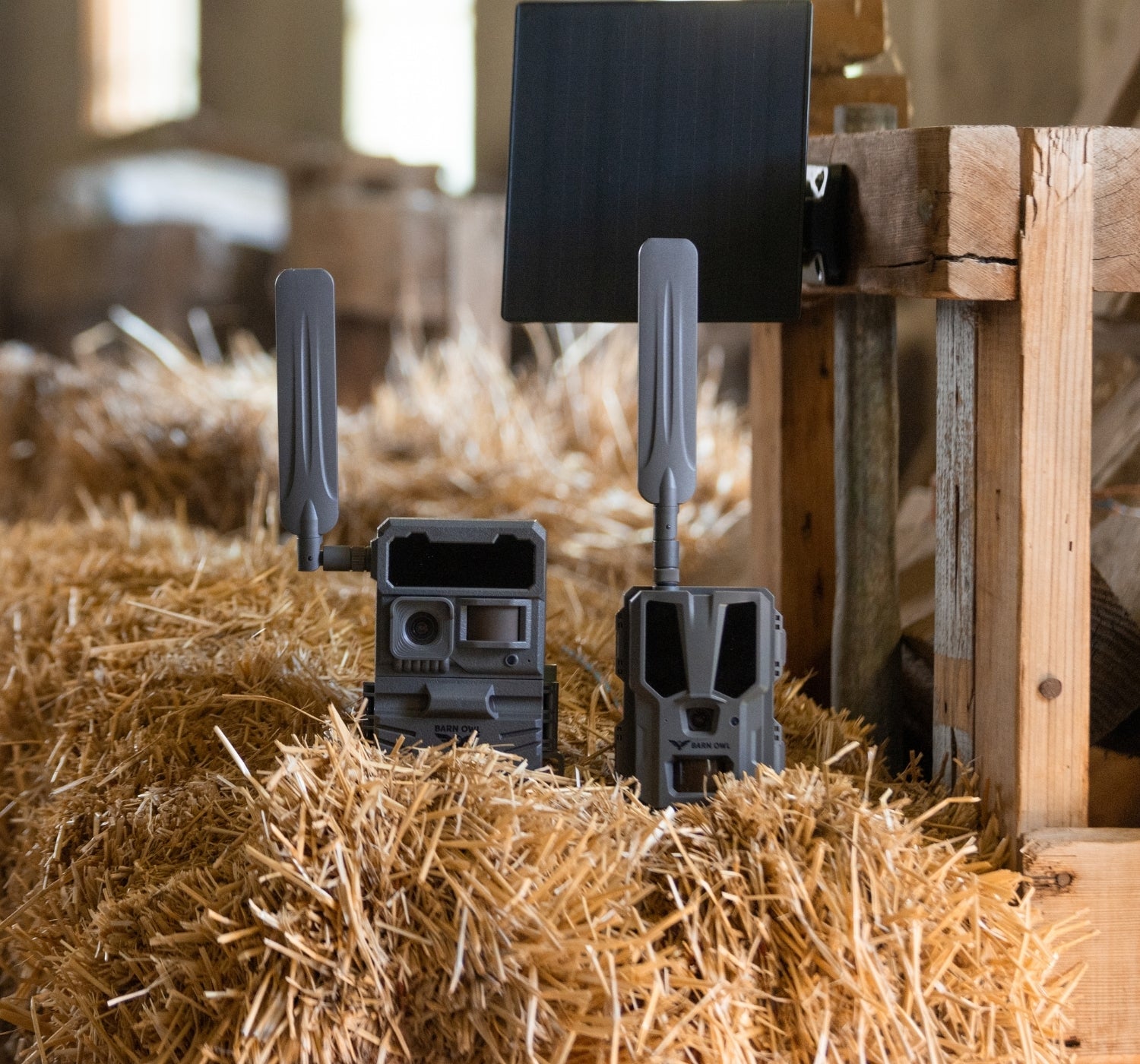
Barn Owl Blog

Barn Owl's team of experts have amassed decades of insights and knowledge into a series of helpful articles. Browse the latest news and posts below, including by topic tag.

5 Winter Feed Storage Mistakes That Are Costing You Money

Barn Owl Blog

5 Winter Feed Storage Mistakes That Are Costing You Money

by on Nov 14 2025
Winter is a tough season for feed storage. Moisture rises, temperatures fluctuate, and rodents move indoors looking for easy calories. Even experienced farmers can lose feed during the winter without realizing why. Here are the top five winter feed storage mistakes—and how to fix them fast. 1. Storing Feed Directly Against Walls Rodents always travel along edges. When bags or bins are pushed flush against walls, rodents chew right through without being seen. Fix:Leave 4–6 inches of space between walls and feed. It improves airflow and lets you see tunnels or chew marks before they spread. 2. Letting Moisture Build Up in Unventilated Barns Condensation inside cold barns is a silent feed killer. Damp walls or floors lead to: mold in bags clumping in loose feed spoilage in grain bins Fix:Use ventilation—even in winter. A small airflow reduces moisture by up to 60%. 3. Keeping Grain Bins Half Open It’s common to leave bins cracked “just a bit” for convenience. But a 1" gap is basically an invitation for everything from mice to raccoons. Fix:Lock lids tightly and patch even tiny openings. 4. Leaving Old or Torn Feed Bags in the Corner The feed dust and crumbs at the bottom of old bags attract rodents quickly. One bag can start an infestation. Fix:Rotate feed. Dump leftovers into sealed containers and dispose of old bags promptly. 5. Treating Feed Rooms as Low-Priority Spaces Because they’re not high-traffic, feed rooms tend to become: cluttered dark filled with “just for now” storage Those blind spots are rodent paradise. Fix:Improve lighting and visibility—especially in corners and shelves. Where Cameras Fit Into Winter Feed Protection Winter is when rodents are boldest. A camera provides eyes in the places you’re not present: nighttime feed-room footage motion detection alerts identification of gaps or weak spots verification that your rodent-proofing efforts are working Barn Owl cameras thrive in low-light barns, providing clear nighttime footage that helps farmers prevent winter feed waste before it spirals. A simple camera can save hundreds of dollars in feed—and hours of cleanup.
How to Run a Winter Feed Audit (And Save Money Doing It)

Barn Owl Blog

How to Run a Winter Feed Audit (And Save Money Doing It)

by on Nov 14 2025
Every winter, feed use increases while daylight decreases — and that combination makes it easy to lose track of feed costs. A simple winter feed audit can prevent overspending and highlight hidden waste. Here’s how to do it in under an hour. Step 1: Count Your Inventory Record: number of feed bags partial bags hay bales supplements grain bin levels Use this as your baseline. Step 2: Inspect for Damage or Contamination Look for: holes clumping moldy smell droppings chew marks spilled feed If a section of the feed room or hay yard shows repeated damage, mark it. Step 3: Track Consumption for One Week Record daily use to calculate: average consumption per head seasonal change unexpected loss Most farms discover a 10–20% discrepancy between expected vs actual usage. Step 4: Use Cameras to Diagnose Unexplained Losses A camera instantly answers questions like: Are rodents stealing feed at night? Is livestock sneaking into feed areas? Are raccoons or skunks raiding bins? Are employees closing doors and lids? Are storms or snow drifts getting feed wet? Nothing reveals inefficiencies faster. Step 5: Make Adjustments and Recheck Next Week Small fixes go a long way: sealing gaps moving feed off the floor reorganizing clutter adjusting storage methods Barn Owl cameras help you monitor whether the changes work — without having to check the feed room every night. A weekly audit can save hundreds by spring.
Feed-Room Organization Tips That Reduce Waste Instantly

Barn Owl Blog

Feed-Room Organization Tips That Reduce Waste Instantly

by on Nov 14 2025
A disorganized feed room doesn’t just look bad — it costs money.Misplaced bags, half-open feed sacks, and spilled grain all add up. Good organization prevents waste, reduces rodent pressure, and saves time. Here’s how to turn any feed room into a clean, efficient workspace. 1. Use “First In, First Out” (FIFO) Rotation Old feed becomes wasted feed.Keep newest feed at the back and oldest at the front — always. 2. Use Clear, Labeled Bins Livestock feed often looks similar. Clear bins: prevent mistakes help you see when supplies run low keep feed airtight reduce spills 3. Create Zones Within the Room Designate areas for: grain supplements hay cubes tools mineral tubs Rodents love clutter. Zones reduce hiding spots. 4. Keep a Shelf for Open or Partial Bags Most feed waste comes from partially used bags tipping over or absorbing moisture. Use: wall-mounted racks latching bins plastic tubs 5. Use Cameras to Keep the Feed Room Honest Even well-organized rooms fall apart over time. A camera helps you: spot spills identify where rodents hide verify kids/employees are closing lids monitor nighttime activity ensure the room stays tidy Barn Owl cameras capture every corner clearly — and serve as a subtle reminder to keep the feed room clean. A clean feed room is a low-waste feed room.
The Complete Guide to Hay Storage: Protecting Your Most Valuable Feed
Barn Owl Blog

The Complete Guide to Hay Storage: Protecting Your Most Valuable Feed

by on Nov 14 2025
Hay is one of the most expensive inputs on livestock operations. Protecting it from weather, rodents, and spoilage isn’t optional — it’s essential. Here’s how to keep your hay dry, clean, and nutritionally sound all season long. 1. Store Hay on a Foundation That Drains Hay sitting on soil or concrete wicks moisture upward. Use: gravel pads pallets railroad ties airflow platforms Airflow underneath hay reduces mold dramatically. 2. Use Tarps or Covers — But Allow Ventilation A tight wrap traps moisture.A breathable tarp or pole-barn roof works far better. 3. Stack Smart for Airflow Avoid: stacking bales against outside walls overly tight stacks wet hay mixed with dry hay Leave a few inches of space between rows so air can circulate. 4. Monitor for Rodent Tunnels and Nesting Hay is prime real estate for rodents in winter: nesting material warmth grain contamination from baler pickup Check for tunnels, shredded material, and droppings. 5. Use Cameras to Protect Hay Bales at Night People think cameras are only for barns, but hay yards are one of the BEST places for monitoring. With Barn Owl cameras you can: watch for raccoons, skunks, and possums tunneling into stacks catch livestock breaking into hay monitor equipment thieves detect moisture drip points under shelters document storm damage or high winds   Your hay is valuable — protect it with visibility.
Securing Your Operation Through the Winter Months: Protect Your Herd, Feed, and Equipment

Barn Owl Blog

Securing Your Operation Through the Winter Months: Protect Your Herd, Feed, and Equipment

by on Oct 30 2025
Winter brings unique security challenges to ranchers. Shorter days, long nights, and remote pastures can leave livestock, feed, and equipment vulnerable to theft, vandalism, or predator activity. Ensuring proper winter security is critical to maintaining productivity, preventing losses, and giving ranchers peace of mind. Barn Owl cameras provide an efficient, modern solution for monitoring operations 24/7, even in harsh weather conditions. Why Winter Security Matters for Ranchers During winter, ranching operations face several risks: Livestock theft or disturbance: Remote pastures are harder to monitor in the dark or during snowstorms. Feed and equipment theft: Stored hay, supplements, and tractors can be targeted when ranches are less active. Predator threats: Coyotes, wolves, or stray dogs are more likely to approach livestock in quiet winter pastures. Property damage: Ice, wind, and snow can worsen the effects of vandalism or accidents. Traditional security methods — frequent patrols, perimeter fencing, or relying solely on staff presence — can be time-consuming, costly, and unsafe in winter conditions. Using Barn Owl Cameras for Winter Security Barn Owl cameras, including RangeCam Live and RangeCam 2, offer ranchers a reliable way to secure their operation remotely. Key Benefits: 24/7 SurveillanceBarn Owl cameras provide round-the-clock monitoring, even in low-light or nighttime conditions. Infrared and motion detection ensure that any activity near livestock pens, feed storage, or equipment areas is recorded. Remote AccessRanchers can view live video feeds and receive alerts on their smartphones, tablets, or computers — no need to drive through icy or snowy pastures to check on the operation. Quick Response to ThreatsMotion alerts and video recordings allow ranchers to identify potential security risks immediately, whether it’s a predator entering a pasture or unauthorized personnel near equipment. Peace of Mind During Short DaysWinter days are shorter, and ranchers often cannot physically monitor every corner of their property. Barn Owl cameras provide reliable oversight, ensuring that operations are secure around the clock. Practical Steps for Winter Security Here’s how ranchers can integrate Barn Owl cameras into their winter security plan: Identify High-Risk AreasPlace cameras near feed storage, calving pens, water sources, equipment sheds, and remote pastures. Use Multiple Camera TypesCombine RangeCam 2 for focused coverage with ReachCam for wider monitoring of large areas. Set Motion Alerts StrategicallyConfigure alerts for high-value areas, such as feed storage or gates, so you’re notified instantly if there is unexpected activity. Monitor Livestock During Winter NightsCameras allow ranchers to keep an eye on vulnerable animals during long winter nights, ensuring predator activity is detected quickly. Integrate with Other Management ToolsBarn Owl cameras complement pasture rotation and feeding strategies, giving ranchers a full picture of both security and livestock behavior. Conclusion: Winter Security Made Simple Winter security is about proactive monitoring, timely alerts, and peace of mind. Barn Owl cameras provide ranchers with real-time insights into their property, livestock, and equipment, reducing risk and ensuring a safer, more efficient operation. By combining technology with smart winter grazing strategies, ranchers can focus on productivity and animal care, while knowing their operation is protected — day or night, snow or shine.
Reducing Fuel Costs and Labor During Winter Feeding: Work Smarter, Not Harder

Barn Owl Blog

Reducing Fuel Costs and Labor During Winter Feeding: Work Smarter, Not Harder

by on Oct 30 2025
Winter feeding can be one of the most labor- and fuel-intensive periods of the year for ranchers. Short days, frozen roads, and dispersed pastures make daily feed runs a major undertaking. Reducing unnecessary trips and optimizing feeding routines can save thousands of dollars annually. With Barn Owl cameras, ranchers can monitor feeding sites, track livestock behavior, and make smarter decisions — all while reducing labor and fuel use. Why Efficiency Matters in Winter Feeding The costs of winter feeding extend beyond hay and feed. Ranchers often spend significant amounts on: Fuel for trucks and ATVs driving to distant pastures Labor for distributing feed multiple times per day Maintenance of frozen or muddy access roads Wasted feed from overfeeding or poorly timed deliveries Optimizing feeding schedules and knowing exactly when livestock are accessing feed can dramatically improve efficiency. Using Barn Owl Cameras to Optimize Winter Feeding Barn Owl cameras provide ranchers with real-time insights into livestock behavior, enabling more efficient feeding routines. Key Benefits: Monitor Feed Site UsagePlacing cameras at key feeding locations allows ranchers to see when cattle or other livestock arrive and how long they spend feeding. This helps determine the optimal feeding frequency, preventing overfeeding and reducing wasted feed. Reduce Fuel and LaborInstead of driving to every pasture daily, ranchers can check camera feeds remotely. Barn Owl’s RangeCam Live provides instant visibility from a smartphone or computer, reducing unnecessary trips in icy or muddy conditions. Track Herd BehaviorUnderstanding herd patterns — when animals typically arrive to feed or if certain animals are avoiding feed — allows ranchers to make adjustments in feeding strategies or placement of feed bunks. Plan Winter RotationsCamera data can inform rotation schedules to balance pasture use with feed availability, ensuring livestock are grazing efficiently while supplemental feed is strategically deployed. Practical Steps for Winter Feeding Efficiency Here’s how ranchers can leverage Barn Owl cameras to cut costs and labor during winter feeding: Install Cameras at High-Traffic Feed SitesPosition cameras to capture the main feeding areas or water/feeding combinations. Set Motion AlertsUse motion detection to receive notifications when livestock arrive. This ensures feed delivery aligns with actual usage. Analyze Feeding PatternsReview footage to determine peak feeding times and how feed is being consumed. Adjust delivery times to match natural herd behavior. Monitor Individual Animal AccessFor mixed herds or animals with special dietary needs, cameras can help ensure all livestock are getting adequate feed. Integrate with Winter Rotation PlansUse camera insights to plan pasture rotations, moving livestock when certain areas are fully grazed or when feed delivery needs adjustment. Conclusion: Smarter Feeding Through Technology Winter feeding doesn’t have to mean long hours, high fuel bills, and repeated trips across icy pastures. With Barn Owl cameras, ranchers can monitor herd behavior, plan feed delivery more efficiently, and respond quickly to potential issues. By integrating technology with smart winter grazing strategies, ranchers can save time, reduce costs, and keep livestock healthy throughout the cold months.

Showing 18/224