Barn Owl Blog

How to Winterize Your Feed Room Before Temperatures Drop

Barn Owl Blog

How to Winterize Your Feed Room Before Temperatures Drop

by on Nov 14 2025
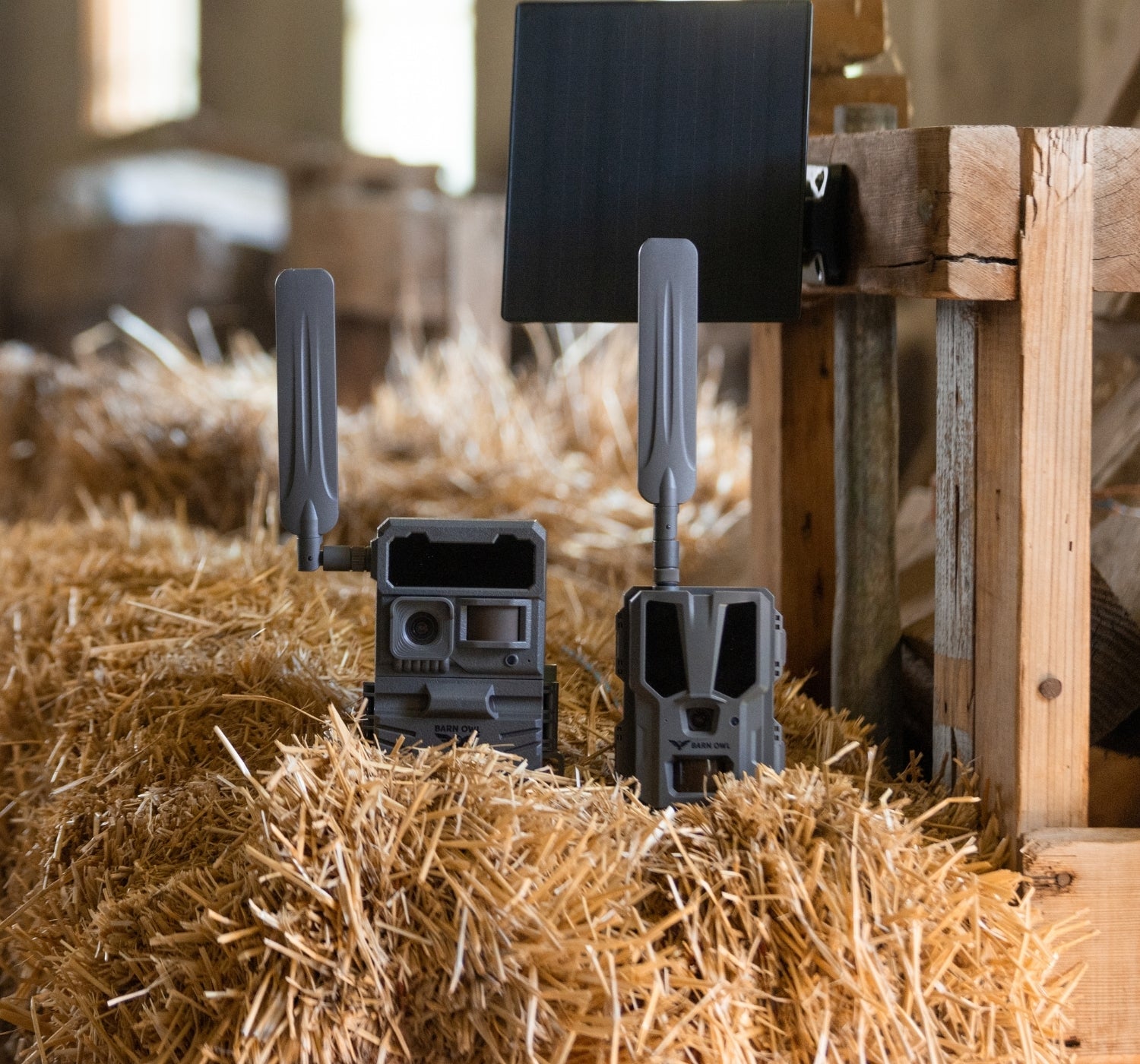
Preparing your feed room for winter pays off immediately and prevents problems all season long.A little work now means fewer pests, less waste, and better feed quality. Here’s your winter-prep checklist. 1. Seal All Cracks and Gaps Cold weather drives rodents indoors. Seal: door frames floor gaps utility pipe openings corners Use metal flashing, caulk, or steel wool. 2. Add Weather Stripping to Doors Rodents squeeze under loose or drafty doors.Weather stripping blocks them out and keeps the room warmer. 3. Clean Out Old or Damaged Feed Bags Get rid of: moldy feed torn bags forgotten partial bags Old feed attracts rodents instantly. 4. Add Insulation Where Needed Insulate: the roof above the feed room exterior-facing walls doors Insulation keeps condensation down. 5. Install or Reposition Cameras Before Winter Hits Winter nights are long — and pests become bold. Place cameras so they cover: entry points shelves feed containers barn aisles hay storage Barn Owl cameras operate well in cold temperatures and maintain clear night vision, making them ideal for winter feed-room protection. Winter is coming — make sure your feed room is ready.
5 Winter Feed Storage Mistakes That Are Costing You Money

Barn Owl Blog

5 Winter Feed Storage Mistakes That Are Costing You Money

by on Nov 14 2025
Winter is a tough season for feed storage. Moisture rises, temperatures fluctuate, and rodents move indoors looking for easy calories. Even experienced farmers can lose feed during the winter without realizing why. Here are the top five winter feed storage mistakes—and how to fix them fast. 1. Storing Feed Directly Against Walls Rodents always travel along edges. When bags or bins are pushed flush against walls, rodents chew right through without being seen. Fix:Leave 4–6 inches of space between walls and feed. It improves airflow and lets you see tunnels or chew marks before they spread. 2. Letting Moisture Build Up in Unventilated Barns Condensation inside cold barns is a silent feed killer. Damp walls or floors lead to: mold in bags clumping in loose feed spoilage in grain bins Fix:Use ventilation—even in winter. A small airflow reduces moisture by up to 60%. 3. Keeping Grain Bins Half Open It’s common to leave bins cracked “just a bit” for convenience. But a 1" gap is basically an invitation for everything from mice to raccoons. Fix:Lock lids tightly and patch even tiny openings. 4. Leaving Old or Torn Feed Bags in the Corner The feed dust and crumbs at the bottom of old bags attract rodents quickly. One bag can start an infestation. Fix:Rotate feed. Dump leftovers into sealed containers and dispose of old bags promptly. 5. Treating Feed Rooms as Low-Priority Spaces Because they’re not high-traffic, feed rooms tend to become: cluttered dark filled with “just for now” storage Those blind spots are rodent paradise. Fix:Improve lighting and visibility—especially in corners and shelves. Where Cameras Fit Into Winter Feed Protection Winter is when rodents are boldest. A camera provides eyes in the places you’re not present: nighttime feed-room footage motion detection alerts identification of gaps or weak spots verification that your rodent-proofing efforts are working Barn Owl cameras thrive in low-light barns, providing clear nighttime footage that helps farmers prevent winter feed waste before it spirals. A simple camera can save hundreds of dollars in feed—and hours of cleanup.
Feed-Room Organization Tips That Reduce Waste Instantly

Barn Owl Blog

Feed-Room Organization Tips That Reduce Waste Instantly

by on Nov 14 2025
A disorganized feed room doesn’t just look bad — it costs money.Misplaced bags, half-open feed sacks, and spilled grain all add up. Good organization prevents waste, reduces rodent pressure, and saves time. Here’s how to turn any feed room into a clean, efficient workspace. 1. Use “First In, First Out” (FIFO) Rotation Old feed becomes wasted feed.Keep newest feed at the back and oldest at the front — always. 2. Use Clear, Labeled Bins Livestock feed often looks similar. Clear bins: prevent mistakes help you see when supplies run low keep feed airtight reduce spills 3. Create Zones Within the Room Designate areas for: grain supplements hay cubes tools mineral tubs Rodents love clutter. Zones reduce hiding spots. 4. Keep a Shelf for Open or Partial Bags Most feed waste comes from partially used bags tipping over or absorbing moisture. Use: wall-mounted racks latching bins plastic tubs 5. Use Cameras to Keep the Feed Room Honest Even well-organized rooms fall apart over time. A camera helps you: spot spills identify where rodents hide verify kids/employees are closing lids monitor nighttime activity ensure the room stays tidy Barn Owl cameras capture every corner clearly — and serve as a subtle reminder to keep the feed room clean. A clean feed room is a low-waste feed room.
Monitoring Livestock Health and Behavior in Harsh Winter Weather

Barn Owl Blog

Monitoring Livestock Health and Behavior in Harsh Winter Weather

by on Oct 30 2025
Winter grazing presents unique challenges for ranchers, especially when it comes to monitoring the health and behavior of livestock. Cold temperatures, snow, ice, and shortened daylight hours can make it difficult to spot early signs of illness, stress, or calving. Maintaining close observation is critical to prevent health problems, reduce losses, and ensure the overall well-being of the herd. With Barn Owl cameras, ranchers can remotely monitor livestock behavior and detect potential issues before they escalate. Why Livestock Monitoring Matters in Winter Cattle, sheep, and other livestock can experience stress in extreme cold, especially if they are transitioning from feedlots to pastures or consuming frozen forage. Common winter risks include: Hypothermia or frostbite in young or weak animals Reduced feed intake leading to weight loss Illness or disease outbreaks Calving complications in pregnant livestock Detecting early signs of trouble is essential. Traditional methods — walking pastures, checking animals individually, or relying solely on staff observations — are time-consuming, labor-intensive, and sometimes unsafe in icy conditions. How Barn Owl Cameras Support Winter Livestock Monitoring Barn Owl remote cameras provide a reliable solution for ranchers seeking to maintain herd health efficiently. Key Benefits: Real-Time Remote ObservationWith RangeCam Live, ranchers can view livestock in real-time from anywhere, even from home or on the road. This means ranchers don’t have to risk icy pastures to check on cattle multiple times per day. Behavior TrackingBarn Owl cameras allow ranchers to observe patterns such as feeding, lying, or social interactions. Deviations from normal behavior — like reduced feed consumption, isolation, or excessive lying down — can indicate illness or stress. Calving SurveillanceWinter calving can be high-risk due to cold and unpredictable weather. Strategically placed Barn Owl cameras can alert ranchers when a cow begins labor or shows unusual activity, allowing timely assistance. Alert NotificationsMotion and activity alerts ensure ranchers know when something is out of the ordinary. Instead of relying on routine checks, ranchers are notified instantly if an animal is acting abnormally or leaving a designated area. Implementing a Winter Livestock Monitoring Plan Here’s a step-by-step guide for using Barn Owl cameras to enhance winter livestock monitoring: Identify High-Risk AreasPlace cameras near feeding areas, water sources, or calving pens — locations where abnormal behavior is easiest to spot. Establish Baseline BehaviorUse cameras to observe normal herd behavior. This baseline helps identify deviations quickly. Set Alerts for Key EventsConfigure Barn Owl cameras for motion detection or activity alerts in sensitive areas such as birthing pens or high traffic feeding locations. Monitor Feed and Water AccessWatching how livestock interact with feed and water sources can reveal nutritional stress or illness before visible symptoms appear. Respond QuicklyUse live video and alert notifications to intervene promptly. Early action often prevents minor issues from becoming serious health problems. Conclusion: Keep Your Herd Healthy with Smart Winter Monitoring Winter livestock monitoring doesn’t have to mean endless trips across frozen pastures. With Barn Owl cameras, ranchers can observe herd behavior, detect early signs of stress or illness, and respond quickly — all while saving time, fuel, and labor. Combining proven winter grazing strategies with modern technology ensures healthier animals, safer operations, and better productivity throughout the season.
Protecting Water Sources During Winter Grazing: Keep Your Herd Hydrated and Healthy

Barn Owl Blog

Protecting Water Sources During Winter Grazing: Keep Your Herd Hydrated and Healthy

by on Oct 30 2025
Winter brings unique challenges for ranchers, especially when it comes to maintaining reliable water sources. Frozen troughs, icy ponds, and limited access to natural streams can quickly compromise herd health. Ensuring consistent hydration is essential for livestock productivity, immunity, and overall well-being. Fortunately, combining smart winter grazing practices with Barn Owl remote cameras allows ranchers to monitor water sources efficiently, even in harsh weather conditions. Why Water Management Matters in Winter Livestock need constant access to clean water, even during freezing temperatures. In winter, problems like: Frozen waterers Overflowing tanks due to snowmelt Wildlife interference at water sources Limited visibility in early mornings or evenings …can go unnoticed, leading to dehydration, illness, or stress. Addressing these issues proactively can prevent costly veterinary bills and ensure your herd maintains optimal condition throughout the season. Using Barn Owl Cameras to Monitor Water Sources Winter water management often requires more attention than any other season. Installing Barn Owl cameras near key water sources provides several benefits: Key Advantages: Real-Time Alerts and MonitoringBarn Owl cameras, including RangeCam 2 and ReachCam, can provide instant alerts if unusual activity occurs at water troughs — such as ice buildup, overflows, or unusual herd behavior. This lets ranchers respond quickly without having to physically inspect every water source multiple times a day. in addition, RangeCam Live can provide livestream capabilities if an alert needs further investigating. Remote ObservationWith Barn Owl cameras, ranchers can check on water availability from anywhere, even while at home or on the road. This reduces the need for repeated winter trips across muddy or icy pastures, saving labor and vehicle wear. Wildlife and Predator AwarenessCameras can also detect wildlife approaching water sources. Deer, coyotes, or other animals can compete with livestock for water or create hazards. Early detection allows ranchers to implement preventive measures, keeping both livestock and wildlife safe. Data for Better PlanningOver time, footage from Barn Owl cameras helps identify which water sources are used most frequently, allowing ranchers to prioritize maintenance and plan rotations effectively. Winter Water Management Strategies Here are practical steps ranchers can take, combined with technology, to keep water flowing during winter grazing: Use Heated or Insulated WaterersPrevent freezing by using electric or solar-heated troughs. Barn Owl cameras can monitor these systems to ensure they are functioning properly. Check Natural Sources RegularlyStreams and ponds can freeze over. Placing cameras near these areas allows remote observation, alerting ranchers if cattle are struggling to access water. Rotate Livestock SmartlyIntegrate water source monitoring with pasture rotation. If one field’s trough is frozen or limited, move cattle to another area where water is available, guided by camera observations. Monitor Herd BehaviorBarn Owl cameras can show how cattle interact with water sources. Animals lingering too long or avoiding a trough may indicate a frozen or contaminated water supply. Plan for EmergenciesKeep extra tanks, hoses, or ice-breaking tools nearby. Using Barn Owl alerts, ranchers can respond quickly to prevent dehydration before it becomes a serious problem. Case Example: Using Technology to Save Time and Labor Imagine a rancher with multiple pastures spread across hundreds of acres. Driving to each water source daily in winter is time-consuming and sometimes dangerous due to ice or snow. By installing Barn Owl cameras at key troughs, the rancher can: Receive alerts if a waterer freezes or overflows Observe herd access and behavior remotely Prioritize which pastures need attention first The result: fewer labor hours, safer winter operations, and healthier livestock — all while ensuring water sources remain reliable. Conclusion: Smart Water Management with Barn Owl Protecting water sources during winter grazing isn’t just about keeping tanks full — it’s about monitoring, anticipating issues, and responding efficiently. Barn Owl cameras provide ranchers with real-time visibility, data, and peace of mind. By integrating technology with proven winter grazing strategies, ranchers can maintain herd health, reduce labor, and protect vital water resources, even during the coldest months.
Extending the Grazing Season: How Ranchers Maximize Forage in Winter

Barn Owl Blog

Extending the Grazing Season: How Ranchers Maximize Forage in Winter

by on Oct 30 2025
Winter can be a challenging season for ranchers. Shorter days, colder temperatures, and reduced pasture growth mean that maximizing available forage is critical to maintain herd health and reduce feed costs. Fortunately, ranchers have several strategies to extend the grazing season, from stockpiling forage to using cover crops and crop residues. Modern technology, like Barn Owl remote cameras, can further optimize these strategies by monitoring livestock and pasture use in real time — helping ranchers make smarter, data-driven decisions all winter long. Why Extending the Grazing Season Matters The winter months often require supplemental feeding, which can account for a significant portion of annual ranching costs. By extending the grazing season, ranchers can: Reduce hay and feed expenses Maintain herd condition naturally Decrease labor and fuel costs associated with supplemental feeding Improve soil health through managed grazing Stockpiled forage — grasses allowed to grow in the fall and conserved for winter grazing — is one of the most effective tools. Other strategies include planting cover crops like oats, turnips, or cereal rye, which provide nutritious grazing later into the season. Crop residues, such as corn stalks or soybean stubble, can also be utilized to keep livestock productive without additional purchased feed. Using Barn Owl Cameras to Optimize Pasture Management One of the challenges in winter grazing is knowing how effectively animals are using the pasture. Overgrazing certain areas or underutilizing others can lead to wasted forage and uneven pasture recovery in the spring. This is where Barn Owl cameras come in. Key Benefits: Monitor Herd DistributionBarn Owl cameras allow ranchers to observe herd movement remotely. By placing cameras at key locations in the pasture, ranchers can see which areas are being grazed and adjust rotation schedules accordingly. This helps extend the grazing season by making sure stockpiled forage is used efficiently. Reduce Labor and FuelInstead of driving the ranch multiple times a day to check on the herd, ranchers can monitor grazing patterns from a smartphone or computer. Barn Owl’s RangeCam 2 provides real-time video and alerts, so ranchers know exactly when and where their cattle are moving — reducing unnecessary trips in icy or muddy conditions. Protect Forage QualitySome pastures may have sections better suited for grazing later in the season. With Barn Owl cameras, ranchers can track how cattle interact with these areas, ensuring forage isn’t overused too early and is available for peak nutritional periods. Implementing a Winter Grazing Plan Here’s a step-by-step approach for extending your grazing season with Barn Owl technology: Identify Pastures for StockpilingSelect fields with the highest yield potential and ease of access. Let grasses grow through the fall without heavy grazing. Rotate and Monitor LivestockUse Barn Owl cameras to check which pastures are being grazed and which are underutilized. Rotate cattle accordingly to maximize forage use and prevent overgrazing. Incorporate Cover Crops and Crop ResiduesPlant winter-hardy cover crops in underused fields or leave crop residues available. Monitor grazing behavior remotely to ensure animals are accessing these areas efficiently. Track Herd Health and Feeding EfficiencyObserving herd movement with Barn Owl cameras can also alert ranchers to abnormal behaviors that may indicate stress or illness — especially critical in winter when conditions can worsen quickly. Adjust Based on Real-Time DataUse the insights gained from camera monitoring to refine pasture rotations and feeding schedules. Over time, you’ll be able to predict forage availability and optimize grazing plans for maximum efficiency. Conclusion: Smarter Winter Grazing with Technology Extending the grazing season is not just about having more forage; it’s about managing it effectively. Stockpiled forage, cover crops, and crop residues all play a role, but without proper monitoring, even the best plans can fall short. Barn Owl cameras provide ranchers with a powerful tool to track herd behavior, monitor pasture usage, and make informed decisions — all while saving labor, time, and fuel. By combining traditional grazing strategies with modern technology, ranchers can keep their herds healthy, their pastures productive, and their operations efficient — even in the coldest months of the year.

Showing 6/47