Barn Owl Blog

Securing Your Operation Through the Winter Months: Protect Your Herd, Feed, and Equipment

Barn Owl Blog

Securing Your Operation Through the Winter Months: Protect Your Herd, Feed, and Equipment

by Whitley Crow on Oct 30 2025
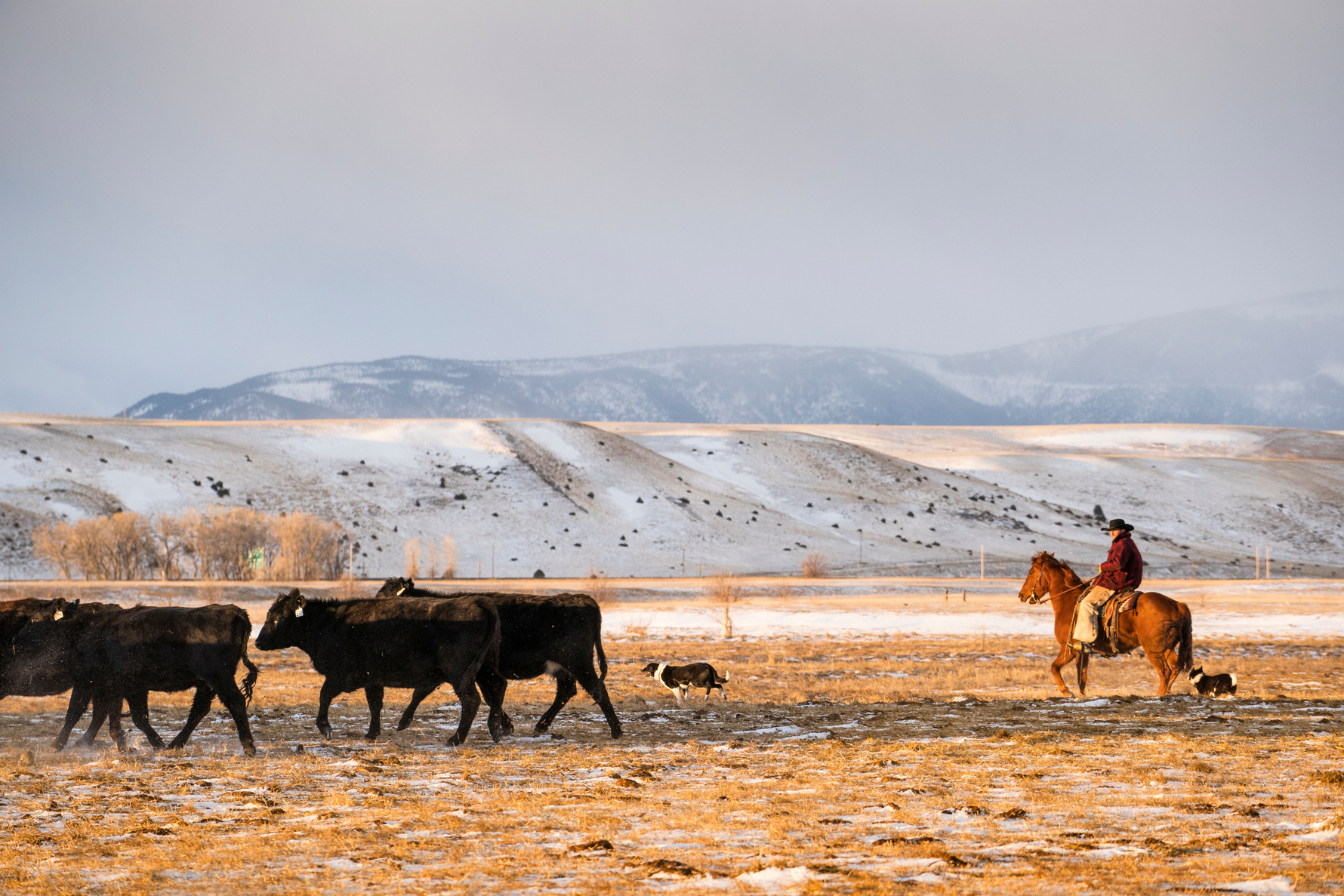
Winter brings unique security challenges to ranchers. Shorter days, long nights, and remote pastures can leave livestock, feed, and equipment vulnerable to theft, vandalism, or predator activity. Ensuring proper winter security is critical to maintaining productivity, preventing losses, and giving ranchers peace of mind. Barn Owl cameras provide an efficient, modern solution for monitoring operations 24/7, even in harsh weather conditions. Why Winter Security Matters for Ranchers During winter, ranching operations face several risks: Livestock theft or disturbance: Remote pastures are harder to monitor in the dark or during snowstorms. Feed and equipment theft: Stored hay, supplements, and tractors can be targeted when ranches are less active. Predator threats: Coyotes, wolves, or stray dogs are more likely to approach livestock in quiet winter pastures. Property damage: Ice, wind, and snow can worsen the effects of vandalism or accidents. Traditional security methods — frequent patrols, perimeter fencing, or relying solely on staff presence — can be time-consuming, costly, and unsafe in winter conditions. Using Barn Owl Cameras for Winter Security Barn Owl cameras, including RangeCam Live and RangeCam 2, offer ranchers a reliable way to secure their operation remotely. Key Benefits: 24/7 SurveillanceBarn Owl cameras provide round-the-clock monitoring, even in low-light or nighttime conditions. Infrared and motion detection ensure that any activity near livestock pens, feed storage, or equipment areas is recorded. Remote AccessRanchers can view live video feeds and receive alerts on their smartphones, tablets, or computers — no need to drive through icy or snowy pastures to check on the operation. Quick Response to ThreatsMotion alerts and video recordings allow ranchers to identify potential security risks immediately, whether it’s a predator entering a pasture or unauthorized personnel near equipment. Peace of Mind During Short DaysWinter days are shorter, and ranchers often cannot physically monitor every corner of their property. Barn Owl cameras provide reliable oversight, ensuring that operations are secure around the clock. Practical Steps for Winter Security Here’s how ranchers can integrate Barn Owl cameras into their winter security plan: Identify High-Risk AreasPlace cameras near feed storage, calving pens, water sources, equipment sheds, and remote pastures. Use Multiple Camera TypesCombine RangeCam 2 for focused coverage with ReachCam for wider monitoring of large areas. Set Motion Alerts StrategicallyConfigure alerts for high-value areas, such as feed storage or gates, so you’re notified instantly if there is unexpected activity. Monitor Livestock During Winter NightsCameras allow ranchers to keep an eye on vulnerable animals during long winter nights, ensuring predator activity is detected quickly. Integrate with Other Management ToolsBarn Owl cameras complement pasture rotation and feeding strategies, giving ranchers a full picture of both security and livestock behavior. Conclusion: Winter Security Made Simple Winter security is about proactive monitoring, timely alerts, and peace of mind. Barn Owl cameras provide ranchers with real-time insights into their property, livestock, and equipment, reducing risk and ensuring a safer, more efficient operation. By combining technology with smart winter grazing strategies, ranchers can focus on productivity and animal care, while knowing their operation is protected — day or night, snow or shine.
Smart Monitoring for Grain Bins and Storage Yards

Barn Owl Blog

Smart Monitoring for Grain Bins and Storage Yards

by Whitley Crow on Oct 21 2025
Grain bins, silos, and storage yards are critical assets during harvest—but they’re often spread out across the farm. Checking on them frequently can be time-consuming, yet leaving them unchecked leaves crops and equipment vulnerable. Storage areas face multiple challenges: equipment malfunction, theft, animal intrusion, and environmental threats like wind or water damage. Even something as simple as an open gate can lead to a cascade of issues. With Barn Owl Cameras, farmers can monitor storage areas remotely. Cameras can be placed to watch: Grain bins and silos for spills or equipment failure Storage yards for vehicles, trailers, or implements Access points where unauthorized personnel could enter Smart alerts notify you only when significant activity occurs, helping you prioritize what needs attention. If a camera detects motion near a bin, you can switch to live streaming to see whether it’s a harmless animal or a critical equipment issue—saving both time and money. Practical Tips: Use cameras with wide-angle lenses to cover multiple bins or storage areas in one view. Integrate live alerts with your phone or tablet for instant awareness when on the move. By incorporating smart cameras into storage monitoring, farmers can reduce unnecessary visits, protect valuable assets, and ensure that harvest operations run smoothly from field to bin.
Keeping an Eye on Your Fields: Protecting Crops During Harvest

Barn Owl Blog

Keeping an Eye on Your Fields: Protecting Crops During Harvest

by Whitley Crow on Oct 21 2025
Harvest season is one of the most exciting—and stressful—times of the year for farmers. Crops that have been nurtured all season are finally ready to bring in, but that also means high-value fields are at risk. Between increased machinery traffic, hired crews, and natural threats like wildlife, keeping your fields secure can feel like a full-time job. One of the biggest challenges during harvest is crop theft or trespassing. Even in rural areas, equipment and harvest-ready fields can attract unwanted attention. Farmers also have to contend with accidental damage—trucks entering fields, stray livestock, or even neighboring machinery that veers off course. Barn Owl Cameras provide a simple, reliable solution. Placing cameras along field edges, entrances, and near valuable equipment allows farmers to receive smart motion alerts whenever something unusual occurs. Unlike traditional security cameras, these devices focus on meaningful activity—so you won’t be spammed by wind-blown debris or harmless wildlife. When an alert arrives, farmers can instantly switch to live view, providing real-time video and audio to assess the situation. For instance, a motion alert might reveal: A deer or herd of wildlife approaching crops A stray piece of machinery entering the field Unscheduled visitors near grain bins or equipment By catching issues early, you can prevent small incidents from turning into costly problems. Practical Tips: Place cameras at key access points, such as gates and field corners. Use cameras with solar panels if your fields are far from power sources. Rotate camera positions throughout harvest season to cover different fields as they become active. Harvest doesn’t have to be a guessing game. With Barn Owl Cameras, farmers can monitor fields remotely, respond quickly to threats, and maintain peace of mind—all while focusing on bringing in a successful harvest.
Kremer Buffalo: Honoring Tradition with Modern Tools

Barn Owl Blog

Kremer Buffalo: Honoring Tradition with Modern Tools

by Whitley Crow on Oct 16 2025
Nestled in the eastern foothills of South Dakota's Black Hills, Kremer Buffalo is a family-owned operation with nearly 30 years of experience in raising bison. What began as a passion project has grown into a thriving business, with Chad and Suzi Kremer, along with their children, managing the herd and operations. A Legacy of Bison Ranching Chad's journey into bison ranching started after college, initially planning to be a landscape designer. However, after being introduced to bison, he was captivated by their strength and majesty. His deep connection to these animals earned him the nickname "Buffalo Whisperer" among friends.  Over the years, the Kremer family has dedicated themselves to ethical bison ranching, focusing on humane treatment and sustainable practices. Their commitment to the land and animals is evident in every aspect of their operation. Embracing Technology for Enhanced Ranch Management While tradition remains at the heart of Kremer Buffalo, the family recognizes the importance of integrating modern technology to streamline operations and ensure the well-being of their herd. One such innovation is the use of Barn Owl Cameras. These off-grid cameras provide real-time monitoring of remote areas, allowing the Kremer family to oversee their bison without constant physical presence. Whether it's checking on water sources, observing herd behavior, or ensuring the integrity of fences, Barn Owl Cameras offer peace of mind and operational efficiency. Connecting with the Community Kremer Buffalo isn't just about raising bison; it's about sharing their journey with the community. Through their website and social media channels, they offer insights into ranch life, bison behavior, and sustainable practices. Visitors are invited to experience the ranch firsthand, gaining a deeper appreciation for these magnificent creatures and the family's dedication to their care. For more information or to plan a visit, check out their official website: kremerbuffalo.com and follow them on social media! Instagram
7T Outfitters: Blending Western Colorado Hunting with Smart Security

Barn Owl Blog

7T Outfitters: Blending Western Colorado Hunting with Smart Security

by Whitley Crow on Oct 10 2025
Nestled in the wide-open spaces of Western Colorado, 7T Outfitters operates on more than 2,000 acres of irrigated terrain offering premium pheasant, chukar, quail, and turkey hunting experiences surrounding Parachute, CO. Under the direction of Mike and Tina Metcalf, the outfitter caters to seasoned hunters and nature lovers alike, delivering tailored, high-quality guided—or unguided—expeditions and additional activities like dog training and camping. Recognizing the challenges of securing a large, remote property in rugged terrain, Mike Metcalf has turned to Barn Owl Cameras for added peace of mind during off-season and remote times. These ultra-reliable, cellular-enabled, off-grid security cameras are ideal for the kind of sprawling landscapes 7T manages. With Barn Owl’s fast motion-trigger technology and 5-minute solar-install setup, the system provides real-time alerts on any movement near blinds, equipment, or boundaries—helping the team monitor property without constant on-site presence. By integrating Barn Owl cameras into their property management, 7T Outfitters underscores a modern, efficient approach to remote security—leveraging technology to safeguard land and operations while focusing on what they do best: immersive outdoor experiences. To learn more about 7T Outfitters, you can visit 7toutfitters.com or follow them on social media!
Livestreaming Made Standard—How Barn Owl Data Plans Unlock New Visibility

Barn Owl Blog

Livestreaming Made Standard—How Barn Owl Data Plans Unlock New Visibility

by Whitley Crow on Oct 10 2025
In the world of remote monitoring, timing is everything. Whether you’re checking in on livestock during calving season, monitoring a construction site, or securing a rural property, having access to real-time visibility can make all the difference. That’s why Barn Owl has made livestreaming a standard feature across its upgraded data plans—giving you the freedom to see what’s happening right now, not just after the fact. Real-Time Awareness When It Counts With RangeCam Live, you’re no longer limited to waiting for motion-triggered photos or video clips. Livestreaming puts you virtually on-site, letting you see conditions as they unfold—whether that’s confirming a trespasser, checking a gate after a storm, or making sure equipment is running properly. It’s the difference between reacting and being ahead of the situation. The Barn Owl Data Advantage While other systems restrict streaming to premium add-ons or Wi-Fi-only setups, Barn Owl’s cellular-based platform integrates livestreaming directly into the Standard and Pro Plans, giving users flexibility anywhere with cell coverage—no wiring, no external internet required. Each plan is built for a different level of visibility: Basic Plan: Delivers reliable motion-triggered photos and videos for low-activity sites. Standard Plan: Adds AI detection (person, vehicle, or animal), livestreaming, and Barn Owl Care, our extended support program. Pro Plan: Expands to 7,500 SD-equivalent images per month, AI detection, livestreaming, and unlimited users per account—ideal for high-traffic operations and multi-team environments. See the Whole Picture With livestreaming, you’re not just watching—you’re managing smarter. When a motion-triggered photo hints at unusual activity, one tap takes you straight into a live view of the scene for confirmation. This combination of AI-filtered alerts, on-demand video, and real-time control gives you unmatched situational awareness while minimizing false alarms. Built for Remote Operations No Wi-Fi? No problem. All Barn Owl cameras operate using 4G LTE cellular connectivity across all major U.S. carriers, so you can livestream from the most remote ranch, utility site, or county road. Whether your property is miles from the nearest router or deep in the backcountry, your camera keeps you connected. Why Livestreaming Changes the Game In today’s connected world, having access to live video isn’t just a luxury—it’s a necessity for those responsible for managing assets spread across rural or hard-to-reach areas. By integrating livestreaming directly into its data plans, Barn Owl turns remote visibility into real-time confidence—so you can stay informed, respond faster, and make smarter decisions from anywhere.
Barn Owl AI Detection: Smarter Monitoring for Real-World Operations

Barn Owl Blog

Barn Owl AI Detection: Smarter Monitoring for Real-World Operations

by Whitley Crow on Oct 10 2025
In fast-moving environments, every alert matters. Whether it’s monitoring livestock, protecting property, or tracking public works activity, false alarms can waste time and slow down response. Barn Owl’s AI Detection, available in Standard and Pro Plans, transforms how users manage remote visibility—filtering noise and delivering only what truly matters. Smarter Alerts with Built-In Intelligence Traditional motion detection triggers an alert for every movement—wind, wildlife, or shifting shadows. Barn Owl’s AI-powered detection system, available in the Standard and Pro Plans, refines this process by distinguishing between people, vehicles, and animals. Your camera still captures every motion-triggered image, ensuring nothing is missed—but you’ll only receive alerts when the AI recognizes the specific activity types you’ve chosen. This means fewer false notifications and faster awareness when it really matters. Real-World Applications Agriculture: Detects vehicles or people near barns, gates, or equipment areas—helping prevent theft or unauthorized access. Public Works: Monitors active construction zones or utility sites, alerting staff when vehicles or workers arrive. Ranching: Differentiates livestock from trespassers or predators, reducing the need to constantly check non-urgent alerts. Business and Security: Recognizes vehicles entering parking lots or loading zones, logging activity for later review. Combined Power: AI + Livestream When paired with RangeCam Live, Barn Owl’s AI detection creates a seamless workflow. Users receive an alert, view the event image or video, and can instantly switch to a live feed for on-site verification—all from the app or web dashboard. This capability helps confirm incidents like trespassing, gate damage, or animal distress without needing to be physically present. Integrated, Not Complicated AI detection is automatically included in Standard and Pro Plans, requiring no extra setup or technical configuration. Once active, it continuously improves through cloud-based updates—making each Barn Owl camera smarter over time. Precision That Scales For teams managing multiple cameras, AI detection makes it possible to prioritize alerts and focus attention where it’s needed most. Combined with Barn Owl’s unlimited user access in the Pro Plan, large organizations can ensure every alert reaches the right team member immediately. AI detection doesn’t just capture activity—it interprets it. That’s the power of smarter monitoring with Barn Owl.
More Than a Data Plan—Peace of Mind with Barn Owl Care: The Ultimate Protection for Your Critical Assets

Barn Owl Blog

More Than a Data Plan—Peace of Mind with Barn Owl Care: The Ultimate Protection for Your Critical Assets

by Whitley Crow on Oct 03 2025
When you think of a camera data plan, you probably think of gigabytes, carriers, and monthly fees. At Barn Owl, we believe your data plan should deliver more than mere connectivity—it should deliver unwavering peace of mind. That’s why we meticulously engineered Barn Owl Care, a revolutionary offering designed to safeguard your most vital operations. What Is Barn Owl Care? A Comprehensive Shield for Your Investment Barn Owl Care is available with both the Standard and Pro data plans and goes far beyond the basics. It’s crafted for the discerning needs of farmers, ranchers, businesses, and public agencies who understand that downtime is not merely an inconvenience, but a critical threat to their operations when monitoring essential assets. With Barn Owl Care, you gain an unparalleled suite of benefits: Expedited Hardware Replacement: In the unfortunate event that your camera is damaged or ceases to function, our swift hardware replacement program ensures minimal disruption, getting you back online with a fully functional unit without delay. Dedicated Priority Support: Experience the difference of priority support, where your concerns are addressed with urgency and expertise, ensuring your issues are resolved quickly and efficiently by our dedicated team. Robust Extended Service Coverage: Invest with confidence knowing that your monitoring system is protected by extended service coverage, guaranteeing long-term reliability and performance for years to come. Effortless, Hassle-Free Protection: Our streamlined protection plan eliminates complexity, ensuring your valuable investment is consistently backed by Barn Owl’s commitment to excellence, providing you with a truly worry-free experience. Why It Matters: Protecting What's Priceless For our valued rural users, downtime isn’t just an inconvenience—it can have severe repercussions, ranging from missed calving checks during critical periods, to unmonitored trespassing on your property, or delayed awareness of a dangerous road hazard. With Barn Owl Care, you can eliminate the anxiety of being left uncovered if your hardware unexpectedly fails. We stand by you, ensuring continuous vigilance. While competitors may offer basic data plans, very few provide the true, end-to-end protection that keeps your monitoring system running flawlessly, no matter what challenges arise. The Barn Owl Difference: A Holistic Approach to Your Success Other providers often focus solely on connectivity, treating it as a standalone service. At Barn Owl, our philosophy is different; we are singularly focused on your entire experience—from the moment your camera arrives at your doorstep to the many years of reliable service it provides. Barn Owl Care is the cornerstone of this commitment, ensuring your system is perpetually up and running, empowering you with the unwavering confidence to rely on your cameras for critical daily decisions and long-term strategic planning. Why Customers Unanimously Choose Barn Owl Care: Sustains Seamless Operations: Keeps your vital operations running smoothly, minimizing interruptions and maximizing productivity. Alleviates Field Stress and Uncertainty: Significantly reduces stress and uncertainty in the field, allowing you to focus on what matters most. Secures Your Long-Term Investment: Provides robust, long-term protection for your valuable hardware investment, ensuring its longevity and performance. Offers Unrivaled Service and Support: Delivers unmatched service and support in the specialized realm of rural monitoring, setting a new industry standard. Barn Owl Care isn’t just an add-on—it’s the profound assurance that your monitoring system will be there, performing optimally, precisely when you need it most.
See It As It Happens: How RangeCam Live Protects Remote Properties and Businesses

Barn Owl Blog

See It As It Happens: How RangeCam Live Protects Remote Properties and Businesses

by Whitley Crow on Sep 25 2025
Keeping rural and remote properties secure has always been a challenge. Whether it’s a ranch or agricultural enterprise miles from town, a hunting cabin off the grid, or a construction site without power, trespassing and theft can cause serious loss and frustration. Traditional security systems require Wi-Fi, wiring, or expensive infrastructure—things most remote landowners simply don’t have. That’s why Barn Owl developed the RangeCam Live: a rugged, cellular-connected camera that lets you livestream what’s happening right now, no matter how far away your property is. Why Livestream Matters for Security Standard motion-triggered photos and videos are powerful tools, but they only show you one moment in time. With RangeCam Live, you can take the next step: Instant follow-up – If you receive a motion alert, you don’t have to wonder what’s happening after the snapshot. Simply switch to live view and see the situation unfold in real time. Better evidence – Continuous streaming gives you a clearer picture of trespasser behavior, vehicles, or livestock disturbances—critical details when working with local authorities. Peace of mind – Whether you’re home or miles away, you can check in anytime and know your property is secure. Built for Remote Environments Like every Barn Owl camera, the RangeCam Live is built to withstand tough conditions. Solar power options and cellular connectivity mean it doesn’t rely on Wi-Fi or nearby outlets. Setup takes just minutes—everything you need comes in the box. Cabins and Outbuildings: Keep an eye on your cabin, shed, or other outbuildings, even when you're not there. Receive instant alerts for unexpected activity and livestream to verify the situation, deterring potential intruders or vandals. Equipment Yards: Protect valuable machinery, tools, and vehicles stored in remote equipment yards. RangeCam Live provides a constant watch, allowing you to monitor for theft or unauthorized access, and providing clear evidence if an incident occurs. Gates, Driveways and Access Points: Secure entry and exit points to your property. Monitor who comes and goes, day or night, and receive alerts for any unusual activity at gates or other access points. Livestock and Wildlife Monitoring: Beyond security, RangeCam Live can also be used to observe livestock in remote pastures or monitor wildlife activity, providing valuable insights without disturbing the animals. With its robust design, cellular connectivity, and livestreaming capabilities, RangeCam Live offers comprehensive security for all aspects of your remote property, ensuring that what matters most to you remains protected. Protecting What Matters Most From deterring trespassers to monitoring gates, roads, and outbuildings, RangeCam Live gives rural landowners something they’ve never had before: a true live window into their property, anytime, anywhere. With reliable livestreaming, you’re not just watching your land—you’re safeguarding it.
Introducing the RangeCam Live – Real-Time Eyes on Your Operation

Barn Owl Blog

Introducing the RangeCam Live – Real-Time Eyes on Your Operation

by Whitley Crow on Sep 25 2025
Barn Owl’s RangeCam Live is revolutionizing how farmers, ranchers, and remote property owners maintain constant vigilance over their land. For years, motion-triggered photos and videos have offered invaluable insights, but now, the power of livestreaming elevates visibility and control to an entirely new level. What is Livestreaming? Livestreaming empowers you to observe your property in real time, at any moment, without the delay of waiting for a triggered photo or video. With the RangeCam Live, a simple login grants you immediate access to exactly what's unfolding—whether it's a critical calving check, the sudden approach of a storm, or activity around your gates. This continuous, on-demand visual access provides unparalleled peace of mind and operational efficiency. Why It Matters Calving & Livestock Checks: Eliminate the need for lengthy trips to the pasture or having to spend the night in the barn. Simply open your phone and gain instant, visual confirmation of your herd's well-being. This saves time, reduces stress, and allows for more frequent monitoring. Follow-Up Investigations: When a motion-triggered alert signals trespassing or unusual activity, you can immediately switch to live view. This allows you to confirm the situation in real-time, gather crucial details, and respond promptly and effectively. Peace of Mind: Bid farewell to the uncertainty of incomplete information. Livestreaming provides continuous visibility precisely when you need it most, ensuring you always have the full picture and can react decisively to any situation. The Same Rugged Reliability, Now Live The RangeCam Live is engineered with the same exceptional durability, user-friendly simplicity, and robust connectivity that you've come to expect from Barn Owl products. Whether your focus is on monitoring livestock, tracking weather patterns, or enhancing property security, the RangeCam Live offers an experience akin to being physically present, even when you are miles away. It's a powerful tool designed to keep you connected and in control, no matter the distance.
Conservation and Wildlife Management: Tools for Rural Landowners

Barn Owl Blog

Conservation and Wildlife Management: Tools for Rural Landowners

by Whitley Crow on Sep 19 2025
Sustainable wildlife management is critical for maintaining healthy ecosystems, protecting property, and ensuring future hunting opportunities. Hunters and landowners play a central role in conservation efforts, from habitat management to monitoring wildlife populations. Key Strategies for Conservation Habitat Management – Planting cover crops, managing food plots, and maintaining forested areas encourages healthy populations of game and non-game species. Population Monitoring – Tracking animal numbers helps prevent overharvest and informs land management decisions. Predator Management – Responsible hunting and trapping of predators maintain balance in the ecosystem while protecting livestock and crops. Monitoring Tools by Season (Generalized): Activity Recommended Monitoring Period Deer and Elk Early September – Late November Small Game (rabbits, squirrels, upland birds) Early September – Late Winter Predators (coyotes, foxes, bobcats) Fall – Winter Migratory Birds Early September – Late January Barn Owl Cameras for Conservation Barn Owl cameras are an essential tool for modern wildlife management: Monitor wildlife populations without constant human presence Track species movements across property for informed habitat management Support compliance with conservation regulations and stewardship goals Takeaway Combining traditional conservation methods with Barn Owl technology helps landowners make data-driven decisions, protect property, and maintain sustainable hunting and wildlife populations. Cameras provide real-time, actionable insights that enhance stewardship while minimizing disturbance.
Safety Tips for Rural Hunters: Staying Protected on Your Property

Barn Owl Blog

Safety Tips for Rural Hunters: Staying Protected on Your Property

by Whitley Crow on Sep 19 2025
Hunting in rural areas comes with unique safety challenges. From long distances to limited cell coverage, it’s important for hunters to prioritize safety and use all available tools to reduce risk. Key Safety Practices Know Your Land – Map your hunting areas, mark property boundaries, and identify potential hazards such as cliffs, water crossings, and active roads. Wear Proper Gear – Blaze orange clothing, sturdy boots, and protective eyewear are essential for visibility and protection. Communication – Carry a radio, satellite communicator, or fully charged mobile device; let others know your location and estimated return time. Weapon Safety – Always follow firearm and archery safety guidelines; never point a weapon at anything you do not intend to shoot. Check Weather – Monitor conditions to avoid getting caught in dangerous weather or extreme cold. Barn Owl Cameras for Safety Cameras act as a remote eyes on your property: Alert you to wildlife or human activity in real time Help plan hunting trips safely by monitoring trails and fields before you enter Reduce the risk of accidental encounters with other hunters or animals Monitoring Wildlife and Activity Safety Tip Technology Assistance Track animal movement Barn Owl cameras for real-time monitoring Observe fellow hunters Cameras provide awareness of activity zones Identify potential hazards Cameras allow early detection of obstacles, animals, or intruders Takeaway Safety is the top priority for rural hunters. By combining traditional safety practices with Barn Owl camera monitoring, hunters can reduce risk, stay informed, and enjoy a safer hunting season while protecting both people and property.
Getting Licensed and Choosing Equipment: What Rural Hunters Need to Know

Barn Owl Blog

Getting Licensed and Choosing Equipment: What Rural Hunters Need to Know

by Whitley Crow on Sep 19 2025
Before heading into the field, hunters must secure the proper licenses and permits and select the right equipment for their target species. Following regulations ensures both legal compliance and a safe, enjoyable hunting experience. Licenses and Permits Most states require hunters to obtain: Hunting licenses – General state license for hunting small or big game Species-specific tags – Required for deer, elk, or other big game Migratory bird stamps – Federal and sometimes state-required for bird hunting Trapping licenses – Needed for furbearer and predator species Typical License Table (Generalized by State): State Required License Types Texas General hunting license, tags for deer, elk, migratory bird stamp Colorado General hunting license, big game tags, small game stamp Oklahoma General license, big game tags, waterfowl stamp Michigan Resident/non-resident license, deer/elk tags, small game stamp Pennsylvania General license, deer tags, turkey/migratory bird stamp Note: Requirements vary by species and resident status; always consult your state wildlife agency. Equipment Choices Choosing the right weapon depends on the species and season: Firearms – Rifles, shotguns, muzzleloaders Archery – Compound bows, recurve bows, crossbows Trapping gear – Foothold, body-grip, and cage traps for specialty or furbearer hunting Proper selection ensures legal compliance and improves safety and efficiency in the field. Barn Owl Cameras and Equipment Planning Barn Owl cameras complement equipment choices by providing: Remote monitoring of hunting areas to gauge wildlife activity Real-time insights to determine when and where to deploy gear A safety measure for traps or shooting ranges on private property By integrating cameras with careful license management and equipment planning, hunters can maximize success, minimize property disturbance, and comply with all regulations.
Trapping and Specialty Hunting: Rules, Timing, and Remote Monitoring

Barn Owl Blog

Trapping and Specialty Hunting: Rules, Timing, and Remote Monitoring

by Whitley Crow on Sep 19 2025
Trapping and specialty hunting are important tools for wildlife management and property protection. These activities allow landowners to manage furbearers, predators, and other species that impact crops, livestock, or habitats, while also providing recreational opportunities. Common Species and Season Timing Typical species targeted in trapping and specialty hunting include: Coyotes Foxes Bobcats Raccoons Beavers While regulations vary by state, the primary trapping and specialty hunting seasons generally occur in fall and winter, with some species like coyotes available year-round in select states. Generalized Season Table by State: State Trapping Season Species Texas Fall – Winter Furbearers, Coyotes Arkansas Fall – Winter Furbearers Colorado Fall – Winter Furbearers Michigan Fall – Winter Furbearers Pennsylvania Fall – Winter Furbearers Note: Exact dates vary by region and species; always check your state wildlife agency before trapping. Equipment and Planning Trapping requires specialized equipment such as foothold traps, body-grip traps, and cage traps. Hunters and landowners must follow legal standards for trap placement, marking, and safety. Barn Owl cameras provide a modern advantage: Monitor trap lines remotely to check activity without disturbing wildlife unnecessarily Document predator movements and ensure legal compliance Protect property by alerting to unexpected wildlife presence near livestock or storage areas Legal Compliance and Safety Always verify trapping seasons and bag limits Use approved trap types and follow state guidelines Ensure traps are clearly marked and placed safely Takeaway Trapping and specialty hunting are both conservation tools and property protection measures. By combining traditional trapping methods with Barn Owl camera monitoring, landowners can manage wildlife more efficiently, reduce unnecessary field visits, and ensure both safety and compliance.
Furbearer and Predator Hunting: Seasons, Strategies, and Property Monitoring

Barn Owl Blog

Furbearer and Predator Hunting: Seasons, Strategies, and Property Monitoring

by Whitley Crow on Sep 19 2025
Furbearer and predator hunting is an important part of rural wildlife management. These species can impact property, livestock, and ecosystems, so regulated hunting and trapping help maintain balance while supporting recreational opportunities. Key Species and Season Timing Common furbearers and predators include: Coyotes Foxes Bobcats Raccoons Beavers While regulations vary by state, most species have designated fall and winter seasons, with some predators like coyotes being hunted year-round in many areas. Generalized Season Table by State: State Common Species General Season Timing Texas Coyotes, Foxes, Bobcats Year-round for coyotes; Fall/Winter for others Arkansas Coyotes, Bobcats, Foxes Fall/Winter Oklahoma Coyotes, Foxes, Bobcats Year-round for coyotes; Fall/Winter for others Colorado Coyotes, Bobcats, Foxes Fall/Winter Michigan Coyotes, Bobcats, Foxes Fall/Winter Note: Exact dates vary by region and species; always consult your state wildlife agency before hunting. Planning and Scouting Traditionally, furbearer hunting involves tracking, calling, and setting traps. While effective, this can require substantial time in the field and may disturb other wildlife. Barn Owl cameras offer a modern solution: Monitor predator activity remotely on your property Track movements near livestock, barns, and water sources Verify trap activity without constant physical checks This approach allows landowners to manage predators efficiently, maintain safety, and minimize unnecessary disturbance. Legal Compliance and Safety When hunting or trapping predators, it’s essential to: Follow state season and bag limits Use approved equipment and traps Clearly mark traps and hunting areas to prevent accidents Barn Owl cameras further enhance compliance by documenting wildlife activity and providing a visual record of your property during active seasons. Takeaway Furbearer and predator hunting is more than recreation—it’s a key component of rural land management. By combining traditional methods with Barn Owl camera technology, hunters and landowners can monitor populations, protect property, and make informed decisions year-round.
Small Game Hunting: Rabbits, Squirrels, and Upland Birds

Barn Owl Blog

Small Game Hunting: Rabbits, Squirrels, and Upland Birds

by Whitley Crow on Sep 19 2025
Small game hunting is a favorite fall activity for many rural hunters. While the scale may be smaller than big game, these hunts are no less exciting and require careful planning to comply with state regulations. Key Species and Season Timing Common small game species include: Rabbits and Hares – Typically hunted from late summer through winter, depending on the state. Squirrels – Usually early fall through late winter. Upland Birds – Pheasant, quail, grouse, and partridge often have seasons from early fall to mid-winter, varying by state and region. Weapons for small game hunting are versatile: hunters may use shotguns, small-caliber rifles, or archery equipment depending on regulations and personal preference. Small Game Hunting Season Openings by State State Typical Opening Date Species Texas Late September to early October Squirrel (East Texas), Rabbit Colorado Early September Squirrel, Rabbit, Pheasant Oklahoma Early October Squirrel, Rabbit, Pheasant Michigan Early September Squirrel, Rabbit, Pheasant Ohio Early October Squirrel, Rabbit, Pheasant Pennsylvania Early October Squirrel, Rabbit, Pheasant Wisconsin Early September Squirrel, Rabbit, Pheasant Planning and Scouting Traditional scouting for small game involves walking coverts, fields, and wooded areas to identify animal patterns and feeding areas. This can be time-consuming and may disturb wildlife if done excessively. Barn Owl cameras provide a modern solution: by remotely monitoring small game activity, hunters can track movement patterns and feeding times without constant foot traffic. Cameras placed in fields, coverts, and along trails offer real-time insights that inform hunting strategies while minimizing disruption to wildlife. Safety and Compliance Even with small game hunting, it’s important to follow all state regulations: Bag limits and daily harvest restrictions Zone-specific rules for protected or declining species Safe handling of firearms or archery equipment Takeaway Small game hunting rewards patience, observation, and adherence to regulations. Barn Owl cameras help hunters and landowners maximize efficiency, reduce disturbance to wildlife, and improve overall safety while enjoying a productive hunting season.
Big Game Hunting Season: Rules, Management, and Property Monitoring

Barn Owl Blog

Big Game Hunting Season: Rules, Management, and Property Monitoring

by Whitley Crow on Sep 19 2025
Big game hunting is one of the most popular fall activities in rural America, but it comes with a complex set of regulations designed to maintain sustainable populations and protect hunters. Understanding these rules is essential for a safe and successful season. State-Managed Seasons Unlike migratory birds, big game hunting is regulated primarily by state wildlife agencies. Species commonly included are: Deer (white-tailed, mule) Elk Moose Bear Pronghorn States typically establish weapon-specific seasons, including archery, muzzleloader, and rifle periods. Seasons can vary not only by species but also by region or wildlife management zone, with quotas or draw systems for more limited species like elk or bear. Big Game Hunting Season Openings by State State Typical Opening Date Species Texas Late November to early December White-tailed Deer, Mule Deer Arkansas Late September to early October White-tailed Deer Oklahoma Early October White-tailed Deer, Elk, Bear Colorado Late September to early October Mule Deer, Elk, Bear Michigan Early to mid-September White-tailed Deer, Bear Ohio Mid to late September White-tailed Deer Pennsylvania Late September White-tailed Deer New York Late October White-tailed Deer, Bear North Carolina Early October White-tailed Deer Georgia Early October White-tailed Deer Florida Late October White-tailed Deer California Mid to late October Black-tailed Deer, Mule Deer Arizona Late August to early September Mule Deer, Coues Deer Montana Late September to early October Mule Deer, Whitetail Deer, Elk Wyoming Late September Mule Deer, Elk Utah Late September Mule Deer, Elk Idaho Late September Mule Deer, Whitetail Deer, Elk Nevada Late September Mule Deer, Elk South Dakota Late September Mule Deer, Whitetail Deer, Elk Nebraska Late September Mule Deer, Whitetail Deer, Elk Montana Late September Mule Deer, Whitetail Deer, Elk Tags, Draws, and Harvest Limits Many states require hunters to obtain tags or permits for each species, often through a lottery or draw system. These measures ensure that hunting pressure remains sustainable and that populations remain healthy. Daily bag limits and possession limits further control harvest levels. Planning and Scouting Preparation is key for big game hunting. Traditionally, scouting involves spending hours walking trails, monitoring feeding areas, and noting animal patterns. Barn Owl cameras offer a modern solution: landowners and hunters can monitor big game activity remotely, tracking movements along trails, near food plots, and even around barns or storage areas. This technology allows hunters to plan more efficiently, reduce unnecessary foot traffic, and better manage their property throughout the season. Takeaway Big game hunting blends tradition, skill, and careful planning. By staying informed on regulations and leveraging technology like Barn Owl cameras, hunters and landowners can maximize both safety and success, while maintaining the health of local wildlife populations.
Migratory Bird Hunting Season: What You Need to Know

Barn Owl Blog

Migratory Bird Hunting Season: What You Need to Know

by Whitley Crow on Sep 19 2025
Fall hunting season kicks off with one of the most popular pursuits for rural landowners: migratory bird hunting. Species such as doves, ducks, geese, snipe, and woodcock are governed by a mix of federal and state regulations to ensure sustainable populations and safe hunting practices. Federal vs. State Regulations The Migratory Bird Treaty Act sets the overarching framework for migratory bird hunting in the U.S., while individual states establish specific season dates, limits, and restrictions within that framework. For example, the nationwide dove season typically opens September 1, marking the unofficial start of fall hunting. Other species often have split seasons or early teal hunts, with opening dates staggered to match migration patterns. Ammunition Rules and Safety Many states require non-toxic shot for waterfowl and some other species, ensuring environmental safety. Hunters should also be aware of daily bag limits, special permit requirements, and zone-specific regulations that may differ even within a single state. Below is a table of states and general season timing for migratory bird species hunting. Exact dates vary by state and year; always check your state wildlife agency before hunting. General Season Table: State Species General Season Timing Texas Dove Early September – Early January Louisiana Teal Mid to Late September Florida Dove Late September – Late January California Duck Mid October – Late January Arkansas Teal, Duck Mid to Late September / Late November – Late January Georgia Duck, Canada Goose Early September – Late January Connecticut Canada Goose Early – Late September New Jersey Canada Goose, Duck Early September – End of December Pennsylvania    Light Goose, Duck Early October – Late February How Barn Owl Cameras Can Assist with Migratory Bird Hunting For landowners with ponds, wetlands, or crop fields, Barn Owl cameras offer a simple way to monitor bird activity remotely. Real-time alerts and time-lapse footage help identify peak migration periods and flock patterns, allowing hunters to plan trips efficiently while also keeping an eye on property. By using cameras to observe activity, landowners can minimize unnecessary disturbance, track wildlife year-round, and maintain better overall stewardship of their land. Takeaway Migratory bird hunting is as much about timing and observation as it is about marksmanship. With thoughtful planning, adherence to regulations, and modern tools like Barn Owl cameras, hunters and landowners can enjoy the season responsibly while protecting wildlife and property.
Security and Wildlife Monitoring in the Off-Season

Barn Owl Blog

Security and Wildlife Monitoring in the Off-Season

by Whitley Crow on Sep 11 2025
Fall and winter bring more than just cold weather—they also bring changes in wildlife behavior and an increased risk of property theft or vandalism. For remote property owners, staying aware of what’s happening on your land is essential, especially when travel is difficult or access roads are snow-covered. Here’s how to protect your property and monitor wildlife this off-season—and how Barn Owl cameras make it easier. 1. Secure Buildings and Equipment Cabins, sheds, barns, and equipment storage areas are vulnerable when you’re not visiting regularly. Check locks, reinforce doors, and make sure windows or vents are properly sealed. Tip: Barn Owl cameras provide a remote security solution, letting you check for unauthorized activity in real time and receive alerts if motion is detected. 2. Monitor Seasonal Wildlife Fall migration and winter feeding patterns can bring wildlife into areas they normally avoid. Deer, elk, or predators may interact with fences, water systems, or even stored equipment. Understanding their patterns helps you protect your property and manage resources. Tip: Cameras can double as wildlife monitors, giving you insight into animal activity without disturbing them or having to make frequent trips. 3. Protect High-Value Assets Vehicles, ATVs, tools, and other equipment left outdoors or in unmonitored structures are at risk. Consider storing high-value items in secured areas or using additional locking mechanisms. Tip: Barn Owl cameras let you verify that high-value assets remain safe—even from hundreds of miles away. 4. Keep an Eye on Remote Roads and Gates Blocked roads or open gates can create hazards or invite trespassers. Monitor key access points remotely to confirm your property is secure and to know when conditions are safe for travel. 5. Plan for Winter Response Even with monitoring, emergencies can happen. Have a plan for responding to trespass, wildlife damage, or storm-related incidents. Keep emergency contacts and equipment ready so you can act quickly when needed. Staying Connected, Even When You’re Away Fall prep isn’t just about physical work—it’s about visibility and control. Barn Owl cameras allow remote property owners to stay connected to their land, track wildlife, and monitor security from anywhere. Real-time video, alerts, and sensor integration mean you can detect issues early, respond efficiently, and enjoy peace of mind all winter long. By combining physical preparations with smart remote monitoring, your property stays safe, resilient, and ready for the new year.
Protecting Roads, Trails, and Access Points on Remote Land

Barn Owl Blog

Protecting Roads, Trails, and Access Points on Remote Land

by Whitley Crow on Sep 11 2025
Remote properties are only as accessible as the roads and trails that lead to them. When winter weather rolls in, blocked culverts, rutted roads, or ice-covered driveways can make it nearly impossible to reach your land when you need to. A little maintenance this fall can help keep your access points open, safe, and reliable all season long. Here’s how to get your roads and culverts ready before the snow flies—and how Barn Owl cameras can keep you connected when you can’t be there in person. 1. Grade and Repair Driveways Loose gravel, potholes, and washboard ruts are more than just an inconvenience. Once freeze-thaw cycles set in, these small issues turn into big problems, trapping water and creating icy hazards. Grading driveways and adding gravel now gives you a smoother, safer surface to last through winter. Tip: Position a Barn Owl camera at your main entry point so you can confirm road conditions before heading out—saving wasted trips in bad weather. 2. Clear Culverts and Drainage Ditches Fallen leaves, branches, and sediment can clog culverts quickly. Once winter precipitation hits, a blocked culvert can flood the roadway or wash it out completely. Take time to clear out debris and make sure water flows freely. Tip: A camera near culverts or low-water crossings lets you check water levels and blockages remotely, especially during storms. 3. Trim Overhanging Branches Ice and heavy snow can bring down branches, blocking roads or damaging vehicles. Fall is the perfect time to trim back trees and brush that could become a hazard later. Tip: Place a Barn Owl camera along wooded trails or access roads so you’ll know if branches or fallen trees are blocking your path after a storm. 4. Mark Road Edges and Hazards Once the snow piles up, it’s easy to lose track of road edges, culverts, and steep ditches. Installing reflective posts or markers now helps you (or anyone plowing) stay on track later. Tip: Cameras can also help you monitor snow accumulation so you know when it’s time to send a plow or make the trip yourself. 5. Plan for Emergency Access Even with the best prep, winter storms may make your property temporarily inaccessible. Make sure you have a plan for emergencies—whether that’s arranging plow service, keeping a tractor fueled, or stocking supplies on-site. Tip: Remote cameras help confirm whether the road is safe to travel or if you’ll need to wait it out. Eyes on the Roads, Even from Miles Away Your property’s roads and access points are its lifeline. By preparing in the fall, you reduce the risk of washouts, blockages, or dangerous ice forming later. And with Barn Owl cameras, you don’t have to wonder what’s happening when you’re not there—you can see it in real time from your phone or computer. Whether it’s checking if the culvert is flowing, the driveway is plowed, or a trail is blocked, Barn Owl cameras give remote property owners the visibility they need to make smart decisions and stay safe all winter.