Welcome to the Barn Owl Learning Center

Since our founding in 2017, Barn Owl has become a leader in providing security, real-time insight, operational efficiency and peace of mind across rural America. Our team of experts has build an in-depth knowledge base designed to answer your questions across industries and challenges. Browse our content below by key topic or by blog post date.

Key Topics Users Find Most Helpful
Barn Owl Blog

Barn Owl's team of experts have amassed decades of insights and knowledge into a series of helpful articles. Browse the latest news and posts below, including by topic tag.

Protecting Water Sources During Winter Grazing: Keep Your Herd Hydrated and Healthy

Barn Owl Blog

Protecting Water Sources During Winter Grazing: Keep Your Herd Hydrated and Healthy

by on Oct 30 2025
Winter brings unique challenges for ranchers, especially when it comes to maintaining reliable water sources. Frozen troughs, icy ponds, and limited access to natural streams can quickly compromise herd health. Ensuring consistent hydration is essential for livestock productivity, immunity, and overall well-being. Fortunately, combining smart winter grazing practices with Barn Owl remote cameras allows ranchers to monitor water sources efficiently, even in harsh weather conditions. Why Water Management Matters in Winter Livestock need constant access to clean water, even during freezing temperatures. In winter, problems like: Frozen waterers Overflowing tanks due to snowmelt Wildlife interference at water sources Limited visibility in early mornings or evenings …can go unnoticed, leading to dehydration, illness, or stress. Addressing these issues proactively can prevent costly veterinary bills and ensure your herd maintains optimal condition throughout the season. Using Barn Owl Cameras to Monitor Water Sources Winter water management often requires more attention than any other season. Installing Barn Owl cameras near key water sources provides several benefits: Key Advantages: Real-Time Alerts and MonitoringBarn Owl cameras, including RangeCam 2 and ReachCam, can provide instant alerts if unusual activity occurs at water troughs — such as ice buildup, overflows, or unusual herd behavior. This lets ranchers respond quickly without having to physically inspect every water source multiple times a day. in addition, RangeCam Live can provide livestream capabilities if an alert needs further investigating. Remote ObservationWith Barn Owl cameras, ranchers can check on water availability from anywhere, even while at home or on the road. This reduces the need for repeated winter trips across muddy or icy pastures, saving labor and vehicle wear. Wildlife and Predator AwarenessCameras can also detect wildlife approaching water sources. Deer, coyotes, or other animals can compete with livestock for water or create hazards. Early detection allows ranchers to implement preventive measures, keeping both livestock and wildlife safe. Data for Better PlanningOver time, footage from Barn Owl cameras helps identify which water sources are used most frequently, allowing ranchers to prioritize maintenance and plan rotations effectively. Winter Water Management Strategies Here are practical steps ranchers can take, combined with technology, to keep water flowing during winter grazing: Use Heated or Insulated WaterersPrevent freezing by using electric or solar-heated troughs. Barn Owl cameras can monitor these systems to ensure they are functioning properly. Check Natural Sources RegularlyStreams and ponds can freeze over. Placing cameras near these areas allows remote observation, alerting ranchers if cattle are struggling to access water. Rotate Livestock SmartlyIntegrate water source monitoring with pasture rotation. If one field’s trough is frozen or limited, move cattle to another area where water is available, guided by camera observations. Monitor Herd BehaviorBarn Owl cameras can show how cattle interact with water sources. Animals lingering too long or avoiding a trough may indicate a frozen or contaminated water supply. Plan for EmergenciesKeep extra tanks, hoses, or ice-breaking tools nearby. Using Barn Owl alerts, ranchers can respond quickly to prevent dehydration before it becomes a serious problem. Case Example: Using Technology to Save Time and Labor Imagine a rancher with multiple pastures spread across hundreds of acres. Driving to each water source daily in winter is time-consuming and sometimes dangerous due to ice or snow. By installing Barn Owl cameras at key troughs, the rancher can: Receive alerts if a waterer freezes or overflows Observe herd access and behavior remotely Prioritize which pastures need attention first The result: fewer labor hours, safer winter operations, and healthier livestock — all while ensuring water sources remain reliable. Conclusion: Smart Water Management with Barn Owl Protecting water sources during winter grazing isn’t just about keeping tanks full — it’s about monitoring, anticipating issues, and responding efficiently. Barn Owl cameras provide ranchers with real-time visibility, data, and peace of mind. By integrating technology with proven winter grazing strategies, ranchers can maintain herd health, reduce labor, and protect vital water resources, even during the coldest months.
Extending the Grazing Season: How Ranchers Maximize Forage in Winter

Barn Owl Blog

Extending the Grazing Season: How Ranchers Maximize Forage in Winter

by on Oct 30 2025
Winter can be a challenging season for ranchers. Shorter days, colder temperatures, and reduced pasture growth mean that maximizing available forage is critical to maintain herd health and reduce feed costs. Fortunately, ranchers have several strategies to extend the grazing season, from stockpiling forage to using cover crops and crop residues. Modern technology, like Barn Owl remote cameras, can further optimize these strategies by monitoring livestock and pasture use in real time — helping ranchers make smarter, data-driven decisions all winter long. Why Extending the Grazing Season Matters The winter months often require supplemental feeding, which can account for a significant portion of annual ranching costs. By extending the grazing season, ranchers can: Reduce hay and feed expenses Maintain herd condition naturally Decrease labor and fuel costs associated with supplemental feeding Improve soil health through managed grazing Stockpiled forage — grasses allowed to grow in the fall and conserved for winter grazing — is one of the most effective tools. Other strategies include planting cover crops like oats, turnips, or cereal rye, which provide nutritious grazing later into the season. Crop residues, such as corn stalks or soybean stubble, can also be utilized to keep livestock productive without additional purchased feed. Using Barn Owl Cameras to Optimize Pasture Management One of the challenges in winter grazing is knowing how effectively animals are using the pasture. Overgrazing certain areas or underutilizing others can lead to wasted forage and uneven pasture recovery in the spring. This is where Barn Owl cameras come in. Key Benefits: Monitor Herd DistributionBarn Owl cameras allow ranchers to observe herd movement remotely. By placing cameras at key locations in the pasture, ranchers can see which areas are being grazed and adjust rotation schedules accordingly. This helps extend the grazing season by making sure stockpiled forage is used efficiently. Reduce Labor and FuelInstead of driving the ranch multiple times a day to check on the herd, ranchers can monitor grazing patterns from a smartphone or computer. Barn Owl’s RangeCam 2 provides real-time video and alerts, so ranchers know exactly when and where their cattle are moving — reducing unnecessary trips in icy or muddy conditions. Protect Forage QualitySome pastures may have sections better suited for grazing later in the season. With Barn Owl cameras, ranchers can track how cattle interact with these areas, ensuring forage isn’t overused too early and is available for peak nutritional periods. Implementing a Winter Grazing Plan Here’s a step-by-step approach for extending your grazing season with Barn Owl technology: Identify Pastures for StockpilingSelect fields with the highest yield potential and ease of access. Let grasses grow through the fall without heavy grazing. Rotate and Monitor LivestockUse Barn Owl cameras to check which pastures are being grazed and which are underutilized. Rotate cattle accordingly to maximize forage use and prevent overgrazing. Incorporate Cover Crops and Crop ResiduesPlant winter-hardy cover crops in underused fields or leave crop residues available. Monitor grazing behavior remotely to ensure animals are accessing these areas efficiently. Track Herd Health and Feeding EfficiencyObserving herd movement with Barn Owl cameras can also alert ranchers to abnormal behaviors that may indicate stress or illness — especially critical in winter when conditions can worsen quickly. Adjust Based on Real-Time DataUse the insights gained from camera monitoring to refine pasture rotations and feeding schedules. Over time, you’ll be able to predict forage availability and optimize grazing plans for maximum efficiency. Conclusion: Smarter Winter Grazing with Technology Extending the grazing season is not just about having more forage; it’s about managing it effectively. Stockpiled forage, cover crops, and crop residues all play a role, but without proper monitoring, even the best plans can fall short. Barn Owl cameras provide ranchers with a powerful tool to track herd behavior, monitor pasture usage, and make informed decisions — all while saving labor, time, and fuel. By combining traditional grazing strategies with modern technology, ranchers can keep their herds healthy, their pastures productive, and their operations efficient — even in the coldest months of the year.
Innovative Techniques for Monitoring and Researching Wolf Populations

Barn Owl Blog

Innovative Techniques for Monitoring and Researching Wolf Populations

by on Oct 22 2025
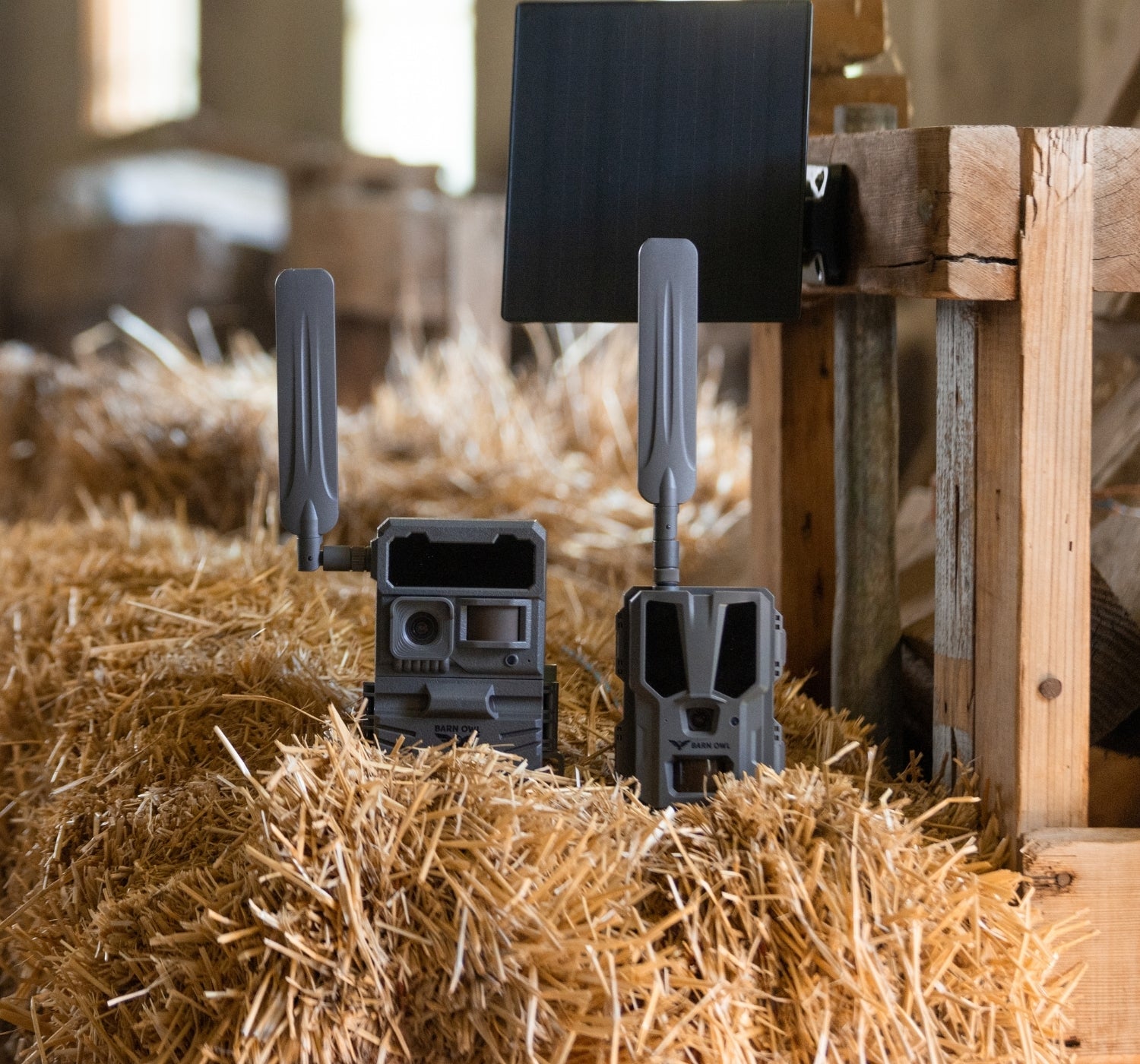
Effective monitoring and research are crucial for understanding wolf behavior, population dynamics, and ecological impact. Advancements in technology have enhanced the methodologies used to study these elusive predators. Key techniques include GPS collaring, camera trapping, genetic sampling, and the innovative use of Barn Owl cameras. GPS Collaring GPS collars are instrumental in tracking wolf movements and habitat utilization. By fitting wolves with these collars, researchers can collect precise location data at regular intervals. This information helps in mapping territories, understanding dispersal patterns, and identifying critical habitats. However, capturing and collaring wolves require significant resources and can be stressful for the animals. Therefore, this method is often complemented by non-invasive techniques.  Camera Trapping Camera traps are motion-activated devices strategically placed in the wild to capture images or videos of wildlife. For wolf monitoring, these cameras are often positioned along trails, near kill sites, or at den entrances. They provide valuable data on wolf presence, pack composition, and behavior. Studies have shown that camera trapping can be an effective tool for estimating wolf abundance and monitoring population trends over time. An emerging and innovative approach involves repurposing Barn Owl cameras for wolf monitoring. Originally designed to monitor remote assets, these off-grid, cellular cameras offer several advantages: Remote Surveillance: Barn Owl cameras can be deployed in remote locations without the need for Wi-Fi or external power sources, making them ideal for monitoring expansive wolf habitats. Real-Time Alerts: Equipped with motion sensors, these cameras can send immediate notifications when activity is detected, allowing researchers to respond promptly to wolf movements or behaviors of interest. Cost-Effective Monitoring: By reducing the need for frequent field visits, Barn Owl cameras help lower operational costs and human resource requirements. Implementing Barn Owl cameras in wolf research can enhance data collection efforts, providing continuous, real-time insights into wolf activities. For more information on Barn Owl camera bundles, please visit www.barnowl.tech Genetic Sampling Non-invasive genetic sampling involves collecting biological materials such as scat, hair, or saliva from the environment. Analyzing these samples allows researchers to identify individual wolves, assess genetic diversity, and understand kinship relations within and between packs. This method reduces the need for direct contact with the animals, minimizing stress and potential risks associated with physical capture.  Combining these methodologies offers a comprehensive approach to wolf monitoring. While each technique has its strengths and limitations, their integrated application allows for a more robust understanding of wolf ecology, informing conservation strategies and management policies aimed at ensuring the species' long-term survival.
Optimizing Harvest Workflow with Real-Time Monitoring

Barn Owl Blog

Optimizing Harvest Workflow with Real-Time Monitoring

by on Oct 21 2025
Efficiency is everything during harvest. Delays, bottlenecks, and miscommunication can reduce yield and increase stress. Knowing exactly what’s happening across your operation helps teams stay coordinated. With Barn Owl Cameras, supervisors can monitor multiple areas simultaneously. This includes: Field operations and machinery movement Storage yards and equipment staging areas Livestock or pasture zones adjacent to harvesting activity Real-time video and audio allow farm managers to quickly identify bottlenecks or issues, such as stalled equipment, worker safety concerns, or unanticipated field problems. When paired with smart alerts, you can respond before small problems become costly delays. For large operations, live-stream monitoring ensures that all team members are working efficiently and safely, while providing documentation for post-harvest review or planning for the next season. Harvest is a complex orchestration. By combining real-time monitoring with smart alert technology, farmers gain visibility, control, and the ability to optimize workflow—making the most of every hour in the field.
Minimizing Harvest Season Risks with Remote Oversight

Barn Owl Blog

Minimizing Harvest Season Risks with Remote Oversight

by on Oct 21 2025
Harvest season brings increased risk—heavy machinery, moving personnel, and unpredictable conditions can all contribute to accidents or crop loss. Managing these risks is essential to protect people, animals, and equipment. Barn Owl Cameras help minimize risk by providing continuous, remote oversight. With cameras installed in key locations: Fences, gates, and perimeter lines are monitored for security breaches Storage areas and equipment yards are under watchful eyes Pastures near machinery are observed for livestock safety Smart motion alerts mean you’re notified of critical activity immediately, while live streaming lets you see, hear, and act in real time. This combination gives farmers the ability to prevent accidents rather than react after the fact. Additionally, footage can be used for safety audits, training purposes, and planning for future harvests—creating a safer, more informed operation. Harvest season is inherently busy and risky, but with remote monitoring, farmers can reduce hazards, safeguard assets, and protect their team. Barn Owl Cameras turn uncertainty into awareness, helping every operation run smoothly and safely.
Cutting Down Farm Foot Traffic During the Busy Season

Barn Owl Blog

Cutting Down Farm Foot Traffic During the Busy Season

by on Oct 21 2025
Harvest season often means running everywhere at once—checking fields, inspecting equipment, visiting storage sites, and monitoring livestock. Constant foot traffic wastes time, fuel, and energy while increasing wear on equipment. Remote monitoring via Barn Owl Cameras allows you to reduce unnecessary trips across the farm. By strategically placing cameras, you can: Check fences and gates remotely Monitor remote pasture areas View grain bins or equipment storage The combination of motion alerts and live streaming means you only need to physically visit a site when action is necessary. This saves time and reduces fatigue for operators, allowing them to focus on priority tasks during harvest. Additionally, this approach can improve safety, minimizing the risk of walking across fields with moving machinery or navigating uneven terrain during busy times. Less driving and walking doesn’t just save time—it gives you a clearer view of your operation, ensures timely intervention, and keeps harvest season running efficiently.

Showing 30/301