Welcome to the Barn Owl Learning Center

Since our founding in 2017, Barn Owl has become a leader in providing security, real-time insight, operational efficiency and peace of mind across rural America. Our team of experts has build an in-depth knowledge base designed to answer your questions across industries and challenges. Browse our content below by key topic or by blog post date.

Key Topics Users Find Most Helpful
Barn Owl Blog

Barn Owl's team of experts have amassed decades of insights and knowledge into a series of helpful articles. Browse the latest news and posts below, including by topic tag.

Cultivating Success: The Power of Crop Rotation in Sustainable Agriculture

Barn Owl Blog

Cultivating Success: The Power of Crop Rotation in Sustainable Agriculture

by on Apr 23 2025
Crop rotation is a time-honored agricultural practice involving the sequential planting of different crops on the same land. This strategy enhances soil health, disrupts pest and disease cycles, and optimizes yields, making it a cornerstone of sustainable farming. What Is Crop Rotation? At its core, crop rotation entails changing the type of crop grown in a particular field each season or year. For instance, a farmer might plant corn one year, followed by soybeans the next. This practice prevents the depletion of specific soil nutrients and reduces the buildup of pests and diseases associated with continuous monoculture. Benefits of Crop Rotation Enhanced Soil Fertility Different crops have varying nutrient requirements and contributions. Legumes like peas and beans fix atmospheric nitrogen, enriching the soil for subsequent crops. Rotating crops helps maintain a balanced nutrient profile, reducing the need for synthetic fertilizers. Improved Soil Structure Diverse root systems from various crops enhance soil aeration and structure. This diversity promotes better water infiltration and reduces compaction, leading to healthier root development. Pest and Disease Management Rotating crops interrupts the life cycles of pests and pathogens that are specific to certain plants. By changing the host environment, the prevalence of these organisms diminishes over time. Weed Suppression Different crops compete differently with weeds. Altering crop types can prevent weeds from adapting to a single crop environment, thereby reducing their spread. Erosion Control Certain crops, especially those with extensive root systems, protect the soil from erosion by wind and water. Incorporating such crops into rotation plans helps maintain topsoil integrity. Yield Optimization Studies indicate that crop rotation can lead to increased yields. For example, rotating corn and soybeans has been associated with higher productivity compared to continuous monoculture. Implementing Crop Rotation: Strategies and Tips Plan Ahead: Develop a multi-year rotation schedule considering crop compatibility, nutrient needs, and market demands. Group by Plant Families: Avoid planting crops from the same family in succession, as they often share pests and diseases. For instance, rotate between Solanaceae (tomatoes, peppers) and Fabaceae (beans, peas). Incorporate Cover Crops: Use cover crops like clover or rye during off-seasons to enhance soil health and suppress weeds. Monitor and Adjust: Regularly assess soil health and crop performance to refine rotation plans. Crop Rotation in Home Gardens Home gardeners can also benefit from crop rotation. By rotating plant families in different garden beds each year, gardeners can reduce soil-borne diseases and improve soil fertility. Keeping a garden journal to track plantings and outcomes aids in effective rotation planning.  Conclusion Crop rotation is a simple yet powerful tool in promoting sustainable agriculture. By thoughtfully planning and implementing crop sequences, farmers and gardeners alike can enhance soil health, manage pests and diseases, and achieve better yields. Embracing this practice contributes to long-term agricultural productivity and environmental stewardship. Up next: A Comprehensive Guide to Tillage Techniques in Modern Agriculture
Holistic Management: A Comprehensive Approach to Sustainable Agriculture

Barn Owl Blog

Holistic Management: A Comprehensive Approach to Sustainable Agriculture

by on Apr 23 2025
As the world faces challenges like drought, flooding, soil degradation, and biodiversity loss, farmers and land stewards are seeking integrated solutions that balance ecological health, economic viability, and social well-being. Holistic Management offers a framework that addresses these interconnected issues by promoting regenerative practices and informed decision-making. What Is Holistic Management? Developed by Allan Savory, Holistic Management is a decision-making framework that assists individuals and organizations in managing resources comprehensively. It emphasizes understanding the interconnectedness of all aspects of an ecosystem, acknowledging that every decision impacts the whole system. This approach integrates ecological, financial, and social considerations to achieve sustainable outcomes. Core Principles of Holistic Management Holistic Context: Define a clear vision that encompasses quality of life, future resource base, and forms of production. This context guides all decisions and actions. Ecosystem Processes: Understand and manage the four key ecosystem processes—energy flow, mineral cycle, water cycle, and community dynamics—to maintain ecological balance. Adaptive Management: Implement a flexible approach that allows for monitoring, evaluation, and adjustment of practices based on observed outcomes. Financial Planning: Develop financial strategies that ensure profitability while supporting ecological and social goals. Social Considerations: Incorporate community values and cultural factors into decision-making to enhance social cohesion and support. Benefits of Holistic Management Regenerative Land Use: Mimicking natural processes, such as planned grazing, can restore soil health, increase biodiversity, and improve water retention. Economic Resilience: By aligning financial planning with holistic goals, farmers can achieve sustainable profitability and reduce dependency on subsidies. Community Empowerment: Engaging communities in the management process fosters shared responsibility and strengthens social bonds. Implementing Holistic Management Adopting Holistic Management involves several steps: Define the Whole Under Management: Identify all components involved, including land, people, and resources. Develop a Holistic Context: Articulate a vision that reflects desired quality of life and future resource base. Create a Holistic Plan: Design strategies that integrate ecological, financial, and social objectives. Monitor and Adapt: Regularly assess outcomes and adjust practices to stay aligned with holistic goals. Conclusion Holistic Management offers a transformative approach to agriculture that goes beyond conventional practices. By considering the interconnectedness of ecological, financial, and social systems, it provides a pathway to sustainable and regenerative land stewardship. For those seeking to make informed, impactful decisions that benefit both people and the planet, Holistic Management presents a comprehensive and adaptable framework. Up next: Cultivating Success: The Power of Crop Rotation in Sustainable Agriculture
Comprehensive Guide to Spring Planting Techniques: From Traditional to Modern Practices

Barn Owl Blog

Comprehensive Guide to Spring Planting Techniques: From Traditional to Modern Practices

by on Apr 23 2025
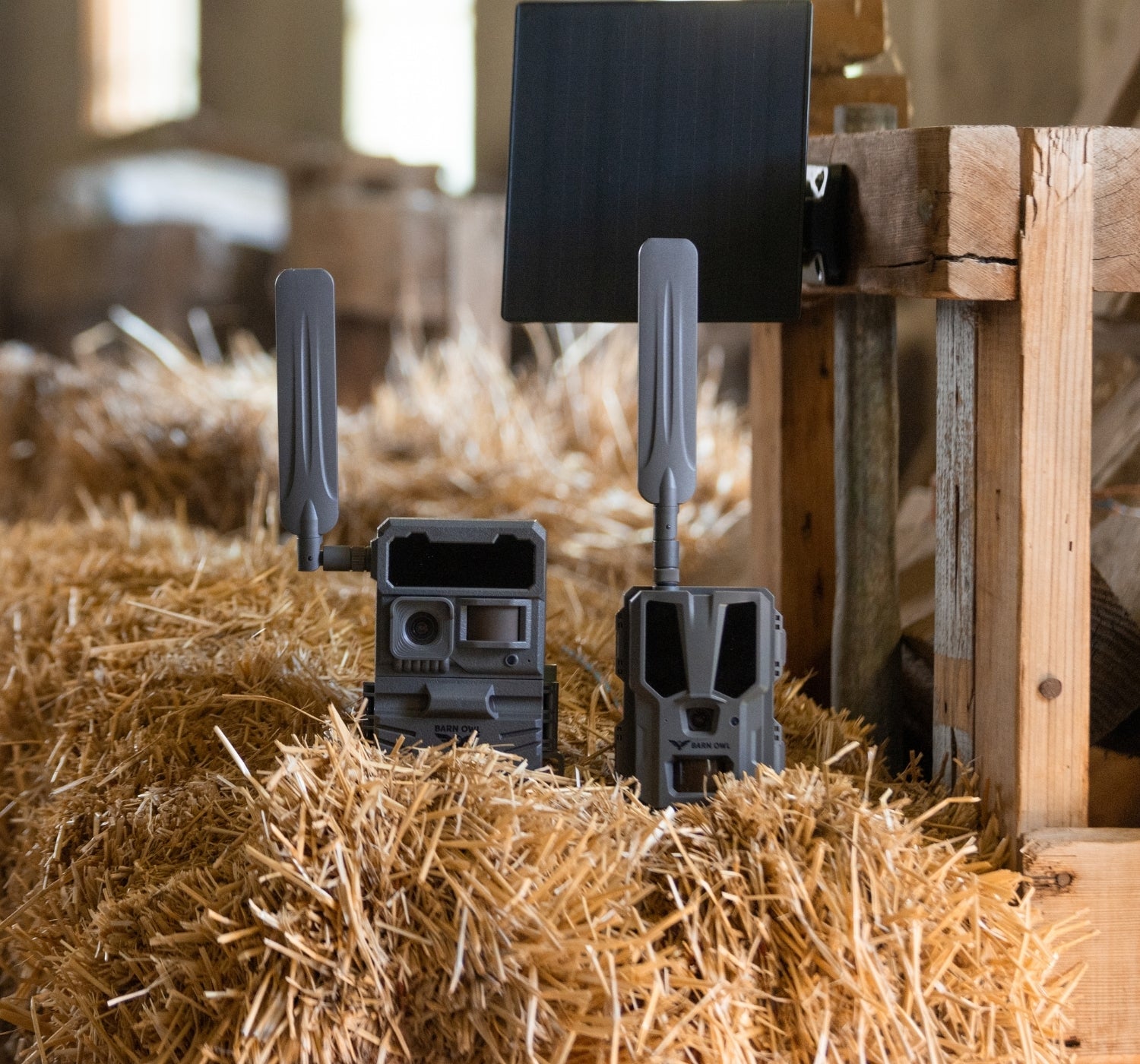
Spring marks a pivotal time for farmers, signaling the onset of the planting season. To ensure a successful harvest, it's essential to employ effective farming techniques tailored to your specific conditions. This guide explores a range of planting methods, from time-honored practices to cutting-edge innovations, providing insights to help you optimize your spring planting strategy. 1. Soil Preparation: Laying the Foundation Before planting, preparing the soil is crucial. Key steps include: Soil Testing: Assess nutrient levels and pH to determine necessary amendments. Tillage: Traditional plowing or modern no-till methods can be employed based on soil conditions and conservation goals. Moisture Management: Ensure the soil is neither too wet nor too dry to prevent compaction and promote healthy root development. 2. Traditional Planting Techniques These time-tested methods remain effective for many farming operations: Broadcast Seeding: Spreading seeds evenly across the field, suitable for certain grains and cover crops. Row Planting: Planting seeds in rows to facilitate cultivation and harvesting. Transplanting: Starting seedlings indoors and transplanting them outdoors, beneficial for crops like tomatoes and peppers. 3. Sustainable and Regenerative Practices Adopting eco-friendly methods can enhance soil health and biodiversity: Ley Farming: Rotating between arable crops and pasture to improve soil fertility and structure. Cover Cropping: Planting cover crops to suppress weeds, prevent erosion, and enrich the soil. Crop Rotation: Alternating crops to reduce pest and disease cycles and improve nutrient balance. Integrated Pest Management (IPM): Combining biological, cultural, and chemical practices to manage pests sustainably. 4. Modern and Innovative Techniques Advancements in technology have introduced new methods to increase efficiency and yields: Precision Agriculture: Utilizing GPS and data analytics to optimize planting patterns and input application. Vertical Farming: Growing crops in stacked layers, often indoors, to maximize space and control environmental factors. Hydroponics and Aeroponics: Soilless systems that deliver nutrients directly to plant roots, allowing for controlled and efficient growth. 5. Conservation Agriculture Focusing on long-term sustainability, these practices aim to preserve resources: No-Till Farming: Reducing soil disturbance to maintain structure and organic matter. Agroforestry: Integrating trees with crops or livestock to enhance biodiversity and ecosystem services. Organic Farming: Avoiding synthetic inputs to promote natural soil fertility and pest control. 6. Preparing for Planting Season Effective preparation involves several key steps: Equipment Maintenance: Ensure all machinery is in good working order to prevent delays. Seed Selection: Choose high-quality seeds suited to your region's climate and soil conditions. Field Planning: Develop a planting schedule that accounts for crop rotation and market demands. 7. Equipment Protection As planting season approaches, safeguarding your valuable farming equipment becomes paramount. Theft and vandalism can disrupt operations and lead to significant financial losses. Barn Owl Tech offers a reliable solution with our off-grid, cellular-enabled security cameras, designed specifically for agricultural settings. Key Features of Barn Owl Cameras: Off-Grid Capability: Operates without the need for Wi-Fi or traditional power sources, making them ideal for remote equipment yards.  High-Resolution Imaging: Provides clear photos and videos, ensuring you can monitor your equipment effectively. Motion Detection: Alerts you to any movement, allowing for prompt responses to potential threats. Solar Power Options: Equipped with solar panels for continuous operation, even in areas without electrical infrastructure. Benefits for Farmers: Remote Monitoring: Access photo feeds and receive alerts directly to your mobile device, keeping you informed from anywhere. Enhanced Security: Deter theft and unauthorized access to your equipment and facilities. Peace of Mind: Focus on your planting activities, knowing your assets are under constant surveillance. Investing in Barn Owl cameras ensures that your farming equipment remains protected throughout the planting season and beyond. With robust features and reliable performance, Barn Owl provides a comprehensive security solution tailored for the agricultural community. For more information on Barn Owl camera bundles, please visit www.barnowl.tech. Conclusion By combining traditional knowledge with modern innovations, farmers can enhance productivity and sustainability during the spring planting season. Assessing your specific needs and resources will guide you in selecting the most appropriate techniques for a successful harvest. Up next: Holistic Management: A Comprehensive Approach to Sustainable Agriculture
Early Spring Planting Techniques: Kickstart Your Garden for a Bountiful Season

Barn Owl Blog

Early Spring Planting Techniques: Kickstart Your Garden for a Bountiful Season

by on Apr 23 2025
As winter recedes and temperatures begin to rise, early spring presents an opportune moment to prepare your garden for a productive growing season. Implementing effective planting techniques during this period can set the stage for robust plant development and a generous harvest. 1. Soil Preparation Begin by assessing your soil's condition. Once the ground is workable, clear away any debris, weeds, or remnants from the previous season. Incorporate organic matter, such as compost or well-rotted manure, to enhance soil fertility and structure. A general guideline is to mix two inches of organic material into the top six inches of soil, promoting better aeration and nutrient availability. 2. Utilizing Protective Structures To extend the growing season and protect young plants from unpredictable weather, consider using: Cold Frames: These structures capture solar energy, providing a warmer microclimate for seedlings. Row Covers: Lightweight fabrics that shield plants from frost while allowing light and moisture to penetrate. Mulching: Applying a layer of mulch helps retain soil moisture and regulate temperature, fostering a conducive environment for seed germination. 3. Direct Sowing of Cool-Season Crops Certain vegetables thrive when sown directly into the garden during early spring. As soon as the soil is workable, consider planting: Leafy Greens: Lettuce, spinach, and kale are hardy options that can withstand cooler temperatures. Root Vegetables: Carrots, beets, and radishes establish well in early spring soils. Legumes: Peas are particularly suited for early planting, benefiting from the cool conditions. Ensure proper spacing and soil conditions to facilitate healthy growth. 4. Indoor Seed Starting For crops sensitive to frost, such as tomatoes, peppers, and cucumbers, initiate seed starting indoors. This approach allows plants to develop strong root systems before transplanting outdoors after the danger of frost has passed. Utilize seed trays and maintain consistent moisture and light to promote vigorous seedling growth. 5. Transplanting Perennials and Shrubs Early spring is an ideal time to transplant perennials and shrubs. The cooler temperatures reduce transplant shock, and the plants have ample time to establish roots before the heat of summer. Ensure the chosen location meets the specific sunlight and soil requirements of each plant. 6. Regular Monitoring and Maintenance Maintain consistent observation of your garden to address any emerging issues promptly. Monitor soil moisture levels, watch for signs of pests or diseases, and adjust protective coverings as needed. Early intervention can prevent minor problems from escalating, ensuring a healthy and productive garden. Conclusion By adopting these early spring planting techniques, you lay a solid foundation for a thriving garden. Thoughtful preparation, strategic planting, and attentive care during this critical period can lead to a rewarding and bountiful growing season. Up next: Comprehensive Guide to Spring Planting Techniques: From Traditional to Modern Practices
Spring Planting Season: Embracing Diverse Methods for a Bountiful Harvest

Barn Owl Blog

Spring Planting Season: Embracing Diverse Methods for a Bountiful Harvest

by on Apr 23 2025
As winter recedes and daylight extends, spring emerges as a pivotal season for farmers and gardeners alike. This period signifies renewal and the commencement of the planting season, where various methods are employed to optimize growth and yield. 1. Traditional Tillage Conventional tillage involves turning the soil to prepare seedbeds, incorporate fertilizers, and manage weeds. This method is prevalent in large-scale agriculture, facilitating the planting of crops such as corn and soybeans. While effective, it's essential to consider soil health and erosion risks associated with frequent tilling. 2. Conservation Tillage Practices To promote sustainable farming, many are adopting conservation tillage techniques: No-Till Farming: Seeds are directly sown into undisturbed soil, preserving soil structure and moisture. Strip-Till Systems: Only narrow strips are tilled where seeds will be planted, reducing soil disruption. Mulch Tillage: Involves minimal tilling while maintaining a protective mulch layer to suppress weeds and retain moisture. These methods enhance soil health, reduce erosion, and improve water retention. 3. Cover Cropping Planting cover crops during off-seasons enriches the soil, prevents erosion, and suppresses weeds. Incorporating cover crops into crop rotations can lead to improved soil fertility and structure, benefiting subsequent plantings. 4. No-Till Gardening For home gardeners, no-till gardening offers a low-effort approach that avoids disturbing the soil. Techniques include: No-Dig Method: Layering cardboard and compost to suppress weeds and enrich soil. Back to Eden Approach: Using woodchips to create a fertile, moisture-retaining layer. Ruth Stout’s Method: Applying heavy straw or hay mulch to retain moisture and discourage weeds. These methods promote biodiversity and soil health, though they may require adjustments for soil temperature and planting in heavy soils. 5. Succession Planting Succession planting involves staggering plantings to ensure a continuous harvest: Sequential Cropping: Planting a new crop after harvesting another in the same space. Interplanting: Growing compatible crops together to maximize space and yield. Varietal Staggering: Using varieties with different maturity dates to extend the harvest period. This strategy optimizes space and ensures a steady supply of produce throughout the season. 6. Early Spring Planting Techniques Starting seeds indoors or using protective structures like cold frames allows for earlier planting, giving crops a head start before the last frost. This approach is particularly beneficial for cool-season vegetables and can lead to earlier harvests. 7. Drill Seeding Drill seeding involves planting seeds at precise depths and spacing using specialized equipment. This method ensures uniform germination and is commonly used for establishing wildflowers and cover crops. Conclusion Spring offers a myriad of planting methods tailored to different scales and goals. By selecting appropriate techniques—be it traditional tillage, conservation practices, or innovative gardening methods—farmers and gardeners can foster healthy growth and bountiful harvests. Up next: Early Spring Planting Techniques: Kickstart Your Garden for a Bountiful Season
Electronic Microchipping for Calf Identification: A Modern Approach to Herd Management

Barn Owl Blog

Electronic Microchipping for Calf Identification: A Modern Approach to Herd Management

by on Apr 23 2025
In the evolving landscape of livestock management, electronic microchipping has emerged as a reliable and efficient method for calf identification. This technology offers a permanent solution that enhances traceability, health monitoring, and overall herd management. What Is Microchipping? Microchipping involves implanting a small electronic chip, approximately the size of a grain of rice, beneath the skin of a calf, typically in the neck area. Each microchip contains a unique identification number that can be read using a compatible scanner. This identifier is linked to a comprehensive database, allowing for easy access to the animal's history and health records. Benefits of Microchipping Calves Permanent Identification: Unlike ear tags or collars, microchips are tamper-proof and remain with the animal for life, reducing the risk of loss or removal. Enhanced Traceability: Microchips facilitate rapid tracking of animals, which is crucial during disease outbreaks or when animals are lost or stolen. Improved Health Monitoring: Advanced microchips can store health data, enabling farmers to monitor vital signs and medical history efficiently. Compliance with Regulations: In regions where electronic identification is mandated, microchipping ensures adherence to legal requirements. Considerations for Implementation Cost: Initial investment includes the price of microchips and scanners, which may be higher than traditional identification methods. Training: Proper training is necessary to ensure correct implantation and to maximize the benefits of the technology. Data Management: Maintaining accurate and up-to-date records in the associated database is essential for effective use. Conclusion Electronic microchipping presents a forward-thinking solution for calf identification, offering durability, reliability, and enhanced management capabilities. By adopting this technology, farmers can improve herd oversight, comply with regulatory standards, and ensure the well-being of their livestock. Up next: The Legal Landscape of Livestock Branding Across America

Showing 240/301