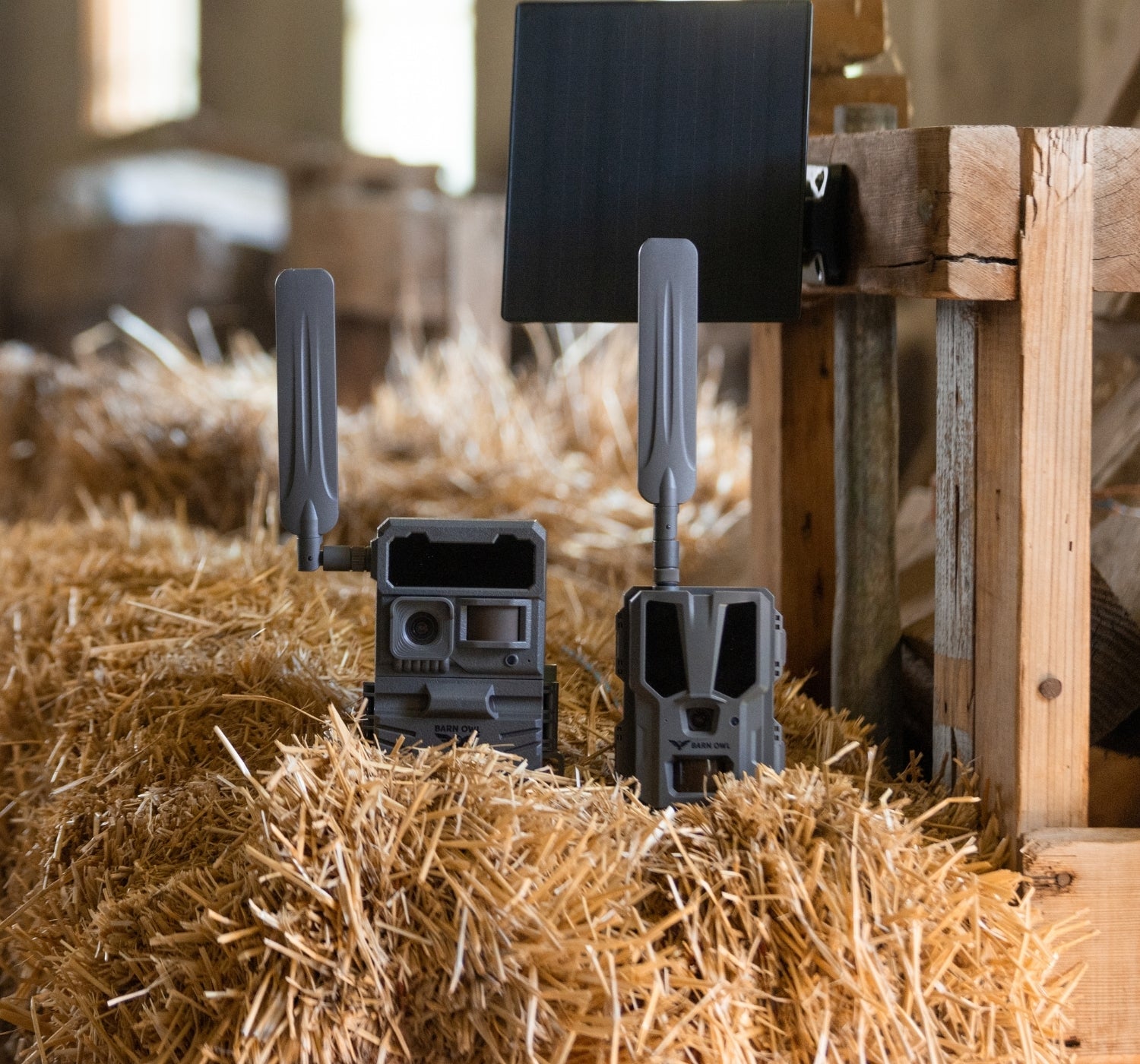
Welcome to the Barn Owl Learning Center

Since our founding in 2017, Barn Owl has become a leader in providing security, real-time insight, operational efficiency and peace of mind across rural America. Our team of experts has build an in-depth knowledge base designed to answer your questions across industries and challenges. Browse our content below by key topic or by blog post date.

Key Topics Users Find Most Helpful

Barn Owl Blog

Barn Owl's team of experts have amassed decades of insights and knowledge into a series of helpful articles. Browse the latest news and posts below, including by topic tag.

How to Adjust Mineral Supplementation for Cattle by Season and Age

Barn Owl Blog

How to Adjust Mineral Supplementation for Cattle by Season and Age

by on Apr 29 2025
Mineral supplementation isn’t a "set it and forget it" task. Just like pasture quality, weather patterns, and herd needs change throughout the year, so too should your mineral program. Not only that — calves, growing heifers, mature cows, and bulls all have different mineral requirements at different stages of life. Having a seasonal and age-based mineral supplementation schedule helps keep your cattle healthy, productive, and ready for whatever the year brings. Here's how to build a smart, flexible plan. Seasonal Mineral Supplementation Schedule Spring (March–May) Challenges: Rapid grass growth can lead to lush, low-magnesium forage. Breeding season preparations begin (or are underway). Increased moisture can leach key minerals from soil. Focus Minerals: Magnesium (prevent grass tetany) Calcium & Phosphorus (for reproduction and skeletal health) Copper & Selenium (for strong immunity and fertility) Strategy: Offer a high-magnesium mineral starting 2–3 weeks before turnout onto lush pastures. Maintain access to a balanced breeding mineral mix rich in copper, selenium, and phosphorus. Summer (June–August) Challenges: Heat stress reduces feed intake and water intake. Pasture quality can decline. Fly pressure and disease risk increase. Focus Minerals: Salt (encourage water consumption) Potassium (support hydration and energy) Zinc (promote hoof health and immune function) Strategy: Place minerals near shade or water to maintain intake. Supplement with a high-salt, high-potassium mineral in extreme heat. Ensure zinc and copper levels stay adequate to manage skin and hoof health. Fall (September–November) Challenges: Transition to stockpiled forage or crop residue. Cows preparing for winter and gestation demands. Mineral deficiencies from dried or lower-quality forages. Focus Minerals: Phosphorus (support fetal development) Vitamin A (boost immunity heading into winter) Copper & Zinc (sustain reproductive health and immune response) Strategy: Switch to a high-phosphorus mineral for cows grazing on dry grasses or cornstalks. Consider Vitamin A injections or high-Vitamin A minerals, especially if pasture is brown or dormant. Winter (December–February) Challenges: Cold stress increases energy and mineral demands. Hay quality often lower than fresh forage. Calving season preparations (or calving underway). Focus Minerals: Calcium & Phosphorus (support late gestation and calving) Magnesium (assist with muscle contractions during calving) Vitamin E & Selenium (prevent white muscle disease in newborn calves) Strategy: Provide balanced late-gestation minerals 60 days before calving. Supplement additional selenium and Vitamin E if local soils are deficient. Ensure minerals are protected from weather — wet minerals lose palatability fast! Mineral Needs by Cow Age & Stage Cow Age/Stage Key Mineral Focus Notes Young calves (0–4 months) Copper, Zinc, Selenium, Vitamin E Critical for immune system and muscle development. May need creep feed minerals. Weaned calves / Growing heifers Calcium, Phosphorus, Zinc Support strong skeletal growth, reproductive development. Bred heifers Phosphorus, Magnesium, Copper Prepare for calving; prevent deficiencies that harm fertility. Mature cows (breeding age) Copper, Selenium, Phosphorus Focus on reproduction, fetal health, immunity. Dry cows Phosphorus, Magnesium, Vitamin A Late pregnancy support; prep for strong calf delivery. Bulls Zinc, Selenium, Vitamin E Support semen quality, stamina, and overall health. Higher trace mineral needs than cows. Adjusting Your Program Monitor intake: Mineral consumption should match product recommendations (e.g., 2–4 oz per head per day). Watch weather patterns: Wet years and droughts both change pasture mineral profiles. Test forage and hay: Knowing your feed’s mineral content saves money and prevents over- or under-supplementation. Consult a nutritionist: For large herds or high-value animals, fine-tuning a custom mineral program pays off. Final Thoughts A year-round mineral supplementation plan that accounts for both seasons and cow age/stage ensures your cattle are always getting what they need — no more, no less. Healthy, well-mineralized cows mean: Better fertility rates Stronger calves Improved weight gains Lower vet bills Start planning mineral shifts before the seasons change and adjust based on real-world observations. Your herd — and your wallet — will thank you. Up next: Alternative Supplementation Options for Livestock: Beyond Mineral Tubs
Where (and Why) to Place Mineral Supplements for Your Livestock

Barn Owl Blog

Where (and Why) to Place Mineral Supplements for Your Livestock

by on Apr 29 2025
When it comes to livestock mineral supplementation, it’s not just what you offer — it's where you place it that can make or break your program. The location of mineral feeders, blocks, or loose minerals can dramatically influence how much your animals consume. Whether you want to increase intake to correct a deficiency or slow consumption to prevent overuse and waste, strategic placement is key. Here’s how to place your mineral supplements to either encourage more consumption or control it — and why it matters for your livestock and your bottom line. Why Placement Matters Mineral intake isn't always consistent across a herd. Some animals may consume too little, others too much. Poor mineral intake can lead to: Deficiencies and health problems Wasted product and money Uneven herd performance Proper placement helps you manage intake naturally without needing complicated feeding systems or constant monitoring. How to Encourage More Mineral Consumption If animals aren't getting enough minerals — whether due to low palatability, weather issues, or lack of access — you can boost their intake by placing mineral supplements where they naturally gather. Best Practices: Near water sources: Cattle visit water regularly, making this a prime spot. Along well-traveled paths: Think alleyways between pastures, or routes between bedding areas and water. Close to shade or loafing areas: Especially during hot months, cattle will congregate in shady spots, so placing minerals nearby ensures they’ll encounter them. During new pasture rotations: Introducing minerals near fresh grazing spots can encourage early curiosity and intake. Additional Tips: Use loose mineral forms rather than blocks if faster intake is desired (blocks take more effort to lick). Ensure minerals are fresh and dry — cattle avoid wet, clumpy, or spoiled minerals. Offer minerals in multiple locations for large herds to reduce competition and ensure timid animals get access. How to Slow Down Mineral Consumption If you notice your livestock are over-consuming minerals — which can be costly and potentially harmful — you can naturally slow intake by making access less convenient. Best Practices: Place minerals farther from water and shade: Make cattle travel to access them, which discourages casual overconsumption. Use mineral blocks instead of loose minerals: Blocks require more licking effort and slow intake naturally. Limit the number of mineral stations: In small herds, fewer access points can reduce overall consumption without causing aggressive competition. Mix minerals with salt: Salt can act as a natural limiter, encouraging animals to regulate their own intake. Caution: Be careful not to place minerals so far away that some animals (especially young or weak individuals) won’t seek them out at all. Finding the Right Balance Sometimes, the goal isn't extreme — you don't want too much or too little intake. In those cases, it's smart to: Rotate mineral placement every few weeks to maintain moderate interest. Monitor consumption rates closely (most products will have target intake guidelines, like 2–4 oz per head per day). Adjust placement seasonally — cattle behavior changes with weather, pasture quality, and physiological demands (like calving or breeding). Practical Examples: Situation Best Placement Strategy Poor mineral intake, thin cows Place minerals right by water or loafing areas Overeating minerals, rising costs Place minerals away from water and use blocks Spring grass tetany risk (need magnesium) Place minerals directly on fresh green pasture entry points Hot summer weather Near shade or cool water sources where cattle congregate Final Thoughts Mineral supplements are one of the simplest — and most cost-effective — tools for maintaining a healthy, high-performing herd. But to get the most from your investment, it’s critical to think beyond the bag or the block and start thinking about placement strategy. Up next: How to Adjust Mineral Supplementation for Cattle by Season and Age By encouraging the right amount of intake through smart placement, you’ll support better livestock health, reduce waste, and keep your operation running smoothly — one mineral station at a time.
The Most Common Cattle Mineral Supplements — And Why They Matter

Barn Owl Blog

The Most Common Cattle Mineral Supplements — And Why They Matter

by on Apr 29 2025
Raising healthy, productive cattle isn’t just about good pasture and clean water. Minerals play a vital — and often overlooked — role in cattle nutrition. Whether you're raising beef or dairy cattle, providing the right mineral supplements can be the key to improving herd health, growth rates, fertility, and even profitability. Today, we’re taking a closer look at the most common cattle mineral supplements and the important benefits they provide. Why Are Mineral Supplements Important? Cattle, like all animals, need a balance of vitamins and minerals to thrive. While pasture, hay, and feed provide many nutrients, they don’t always cover everything — especially in areas where soil is naturally low in certain minerals. Without proper supplementation, cattle can experience: Poor weight gain Weak immune systems Fertility problems Bone disorders Reduced milk production Mineral supplements help close these gaps and optimize the health and performance of your herd. 1. Salt (Sodium and Chloride) The Foundation Mineral. Salt is the most basic and essential mineral for cattle. Cows have a natural craving for salt because it regulates body fluids, nerve function, and muscle contractions. Benefits: Encourages consistent water intake Supports digestion Helps maintain healthy blood pressure and fluid balance Common form: Loose salt, salt blocks, or mixed into complete mineral blends. 2. Calcium and Phosphorus The Bone Builders. These two minerals work together to support strong bones, teeth, and muscle function. Calcium and phosphorus imbalances are one of the most common causes of reproductive and growth problems in cattle. Benefits: Supports skeletal growth Boosts milk production in lactating cows Aids in muscle contractions, including during calving Common form: Available in balanced mineral mixes or targeted supplements. Important: The correct Ca:P ratio (usually about 2:1) is crucial. Too much phosphorus without enough calcium can cause serious health issues. 3. Magnesium The Grass Tetany Defender. Magnesium is essential for nerve and muscle function. A deficiency, especially in early spring when cattle graze lush, low-magnesium grass, can cause a fatal condition known as grass tetany. Benefits: Prevents grass tetany Aids enzyme activity and metabolism Supports calm behavior and appetite Common form: Spring mineral mixes often have added magnesium or separate magnesium supplements. 4. Potassium The Energy Booster. Potassium is important for maintaining hydration, muscle function, and proper nerve signals. Young calves, stressed cattle, and lactating cows often have increased potassium needs. Benefits: Supports weight gain Improves feed efficiency Enhances milk production Common form: Typically included in complete mineral supplements or added when feeding high-forage diets. 5. Copper The Immunity Enhancer. Copper plays a role in many body functions, including immune defense, reproduction, and coat health. Many regions have copper-deficient soils, making supplementation critical. Benefits: Strengthens immune response Promotes healthy coat color and shine Improves reproductive performance Common form: Added to mineral mixes; sometimes given as a bolus (slow-release pill). Important: Be cautious — excessive copper can be toxic, especially to certain breeds like Jerseys. 6. Zinc The Skin and Hoof Protector. Zinc is vital for healthy skin, hooves, and immune system strength. It's particularly important in growing calves and during stressful periods like weaning. Benefits: Strengthens hooves and reduces foot problems Boosts immunity Improves growth rates Common form: Usually part of trace mineral mixes. 7. Selenium The Disease Fighter. Selenium works hand-in-hand with Vitamin E to prevent white muscle disease, a serious condition affecting young calves. It also supports reproductive health and immune strength. Benefits: Prevents muscle disorders Enhances immune function Supports fertility Common form: Incorporated into mineral mixes or administered through injections (in selenium-deficient regions). Important: Selenium has a very narrow margin between adequate and toxic — it's often regulated by state and federal guidelines. 8. Vitamins A, D, and E The Essential Trio. While technically not minerals, these fat-soluble vitamins are often included in mineral mixes because they are so critical for cattle health. Benefits: Vitamin A: Boosts vision, immunity, and reproduction Vitamin D: Supports calcium absorption and bone strength Vitamin E: Works with selenium to enhance immunity How to Provide Minerals to Cattle Free-choice mineral feeders: Allow cattle to self-regulate intake (most common method). In feed: Mix minerals directly into rations for controlled consumption. Mineral blocks: Easy to distribute but may not always ensure proper intake. Always choose a supplement that matches your region’s specific deficiencies and your herd’s unique needs. Regular forage and soil testing can help guide your supplementation program. Final Thoughts Providing cattle with a balanced mineral program is one of the simplest — yet most powerful — steps you can take to improve herd performance and long-term health. Whether you're raising cattle for beef, milk, or simply for the joy of it, investing in the right mineral supplements can pay off in healthier animals, stronger calves, and better productivity across your operation. Remember: Healthy cattle are happy cattle, and it all starts from the ground up — with good minerals. Up next: Where (and Why) to Place Mineral Supplements for Your Livestock
Is Your Pasture Enough? How to Tell When Your Livestock Need Mineral Supplements

Barn Owl Blog

Is Your Pasture Enough? How to Tell When Your Livestock Need Mineral Supplements

by on Apr 29 2025
If you want healthy, productive livestock, nutrition is non-negotiable. Yet, even the best-looking pastures might not provide all the minerals your animals need. Mineral deficiencies often show up slowly — through poor growth, reproductive struggles, or dull coats — long before more serious health problems appear. So how do you know when it’s time to supplement minerals for your herd? The answer begins right under your feet: with your soil. Here’s a step-by-step guide to recognizing the need for mineral supplementation, starting with soil testing and moving all the way through animal observation. 1. Start with Soil Testing Your Pasture Healthy soil is the foundation of healthy livestock. Pastures draw their mineral content directly from the soil, and if your soil is deficient in key nutrients, your grass and forage will be too. A soil test provides a clear snapshot of your land’s nutrient profile — including essential minerals like calcium, phosphorus, potassium, magnesium, and more. Some tests even check for trace minerals like copper and zinc. Why soil testing matters: Identifies existing mineral deficiencies Helps you target fertilizer or soil amendment applications Reduces wasteful spending on unnecessary supplements Builds a long-term strategy for improving pasture quality How to test your soil: Collect multiple samples from different parts of your pasture. Send the samples to a reputable agricultural laboratory. Review the report carefully — pay special attention to pH, macronutrients, and micronutrients. Tip: Re-test your pastures every 2–3 years, or after major changes like reseeding or heavy grazing. 2. Evaluate Forage Quality Even if your soil is decent, different forage species absorb minerals differently. For example: Legumes (like clover and alfalfa) tend to have higher calcium and magnesium. Grasses can vary widely depending on species and soil health. Rapid spring growth can sometimes create lush but mineral-deficient grass. You can send pasture samples for forage analysis to measure the actual mineral content your livestock are consuming. This is particularly helpful before critical periods like breeding, calving, or winter. 3. Watch for Warning Signs in Your Animals Sometimes, despite your best pasture management, livestock still show signs that they’re lacking essential minerals. Here are some common red flags: General Mineral Deficiency Signs: Poor weight gain or body condition Rough, faded, or patchy coats Decreased milk production Reduced fertility or high rates of early embryonic loss Increased susceptibility to disease or parasites Specific Deficiency Clues: Copper deficiency: Light or grayish hair around the eyes and nose, poor immunity Selenium/Vitamin E deficiency: Weak newborns, white muscle disease Magnesium deficiency: Muscle tremors, staggering (especially in spring grazing — grass tetany) Phosphorus deficiency: Stiff joints, bone weakness, decreased appetite If you notice any of these signs, it’s time to dig deeper and potentially introduce or adjust your mineral program. 4. Know Regional Deficiency Patterns Certain areas of the country (and even specific counties) are notorious for particular mineral shortages. For example: The Southeast often has selenium-deficient soils. Parts of the Northwest struggle with copper availability. High-rainfall areas can suffer from leached potassium and magnesium. Checking local extension office reports or talking with neighboring producers can give you a heads-up about common deficiencies in your region. 5. Choose the Right Mineral Supplement Once you know your needs, you can choose a supplement designed to fill those gaps: Free-choice minerals: Allow cattle to consume what they need. Custom mineral mixes: Based on your specific soil and forage test results. Targeted supplements: Like extra magnesium in spring or additional selenium during breeding. Important: Always ensure minerals are properly balanced. For example, too much phosphorus without enough calcium can cause health issues — just as dangerous as a deficiency. Final Thoughts When it comes to livestock mineral nutrition, guessing isn’t good enough. Soil testing gives you the first, clearest signal of what your pastures can (and can’t) provide. From there, ongoing forage evaluation and careful observation of your animals will help you fine-tune your supplementation strategy. Investing the time to understand your soil and your herd’s true needs saves money, boosts animal performance, and builds a healthier, more resilient farm operation. Because healthy animals always start from the ground up. Up next: The Most Common Cattle Mineral Supplements — And Why They Matter
Integrated Pest Management: A Sustainable Approach to Pest Control

Barn Owl Blog

Integrated Pest Management: A Sustainable Approach to Pest Control

by on Apr 23 2025
Integrated Pest Management (IPM) is an environmentally friendly, common-sense approach to controlling pests. It combines multiple strategies to manage pest populations effectively, economically, and with minimal impact on human health and the environment. What Is Integrated Pest Management? IPM is a science-based decision-making process that integrates biological, cultural, physical, and chemical tools to identify and manage pests. The goal is to minimize economic, health, and environmental risks associated with pest control. Core Components of IPM Monitoring and Identification Regular observation and accurate identification of pests are crucial. This ensures that control methods are targeted and effective. Preventive Cultural Practices Implementing practices such as crop rotation, selecting pest-resistant varieties, and maintaining healthy soil can prevent pest infestations. Biological Controls Utilizing natural predators, parasites, or pathogens to control pest populations. Mechanical and Physical Controls Employing methods like traps, barriers, or manual removal to reduce pests. Chemical Controls When necessary, using pesticides judiciously and as a last resort, selecting products that are effective and pose the least risk. Benefits of IPM Environmental Protection: Reduces reliance on chemical pesticides, thereby minimizing pollution and protecting non-target species. Economic Efficiency: By focusing on prevention and targeted control, IPM can lower pest management costs over time. Health and Safety: Minimizes exposure to harmful chemicals for farmers, consumers, and wildlife. IPM Beyond Agriculture IPM principles are not limited to farming; they are also applicable in urban settings, schools, and homes. For instance, in schools, IPM can help manage pests while reducing children's exposure to pesticides.  Conclusion Integrated Pest Management offers a holistic and sustainable approach to pest control. By combining various strategies and focusing on long-term prevention, IPM helps maintain ecological balance, protect human health, and ensure economic viability. Adopting IPM practices is a proactive step toward responsible and effective pest management.
Precision Agriculture: Revolutionizing Modern Farming

Barn Owl Blog

Precision Agriculture: Revolutionizing Modern Farming

by on Apr 23 2025
Precision agriculture, also known as precision farming, is transforming the agricultural landscape by leveraging technology to optimize crop yields, reduce waste, and promote sustainable practices. By integrating data-driven approaches, farmers can make informed decisions tailored to specific areas within their fields, leading to increased efficiency and productivity. What Is Precision Agriculture? Precision agriculture involves the use of advanced technologies to monitor and manage variability in agricultural fields. This approach enables farmers to apply inputs—such as water, fertilizers, and pesticides—precisely where and when they are needed, minimizing waste and environmental impact. Key Technologies in Precision Agriculture Global Positioning System (GPS)GPS technology allows for accurate field mapping and equipment guidance, ensuring precise application of inputs. Remote Sensing and DronesAerial imagery from drones and satellites provides real-time data on crop health, soil conditions, and pest infestations. Variable Rate Technology (VRT)VRT enables the application of inputs at varying rates across a field, based on specific needs identified through data analysis. Soil and Crop SensorsThese sensors collect data on soil moisture, nutrient levels, and crop growth, facilitating informed decision-making. Data Analytics and Farm Management Software Advanced software platforms analyze collected data to provide actionable insights for farm management. Enhancing Equipment Security with Barn Owl Cameras In addition to optimizing crop production, precision agriculture also encompasses the protection of valuable farming equipment. Barn Owl cameras offer a reliable solution for monitoring and securing agricultural assets, especially during the busy planting season. Key Features of Barn Owl Cameras: Remote Monitoring: Barn Owl cameras provide real-time surveillance of equipment and storage areas, accessible via smartphones or computers. Motion Detection Alerts: These cameras can send instant notifications when movement is detected, allowing for prompt response to potential security breaches. Weather Resistance: Designed to withstand harsh agricultural environments, Barn Owl cameras ensure continuous operation regardless of weather conditions. Easy Installation: With user-friendly setup procedures, these cameras can be quickly deployed across various farm locations without the need for extensive technical expertise. By integrating Barn Owl cameras into their operations, farmers can enhance the security of their equipment, reduce the risk of theft or vandalism, and maintain uninterrupted agricultural activities. For information on Barn Owl camera bundles, visit www.barnowl.tech. Benefits of Precision Agriculture Enhanced Productivity: By targeting inputs effectively, farmers can achieve higher yields and better crop quality. Resource Efficiency: Optimized use of water, fertilizers, and pesticides reduces costs and conserves resources. Environmental Sustainability: Minimizing input overuse decreases environmental pollution and promotes ecological balance. Risk Management: Real-time monitoring allows for early detection of issues, enabling prompt interventions. Challenges and Future Outlook While precision agriculture offers numerous advantages, challenges such as high initial investment costs, data management complexities, and the need for technical expertise can hinder adoption. However, ongoing advancements in technology and increased accessibility are expected to drive broader implementation. The future of precision agriculture lies in the integration of artificial intelligence, machine learning, and the Internet of Things (IoT), which will further enhance decision-making and operational efficiency. Up next: Integrated Pest Management: A Sustainable Approach to Pest Control Conclusion Precision agriculture represents a significant shift towards more sustainable and efficient farming practices. By embracing technological innovations, farmers can optimize resource use, increase productivity, and contribute to environmental conservation. As the agricultural sector continues to evolve, precision farming stands at the forefront of this transformation, paving the way for a more resilient and sustainable future.

Showing 228/301