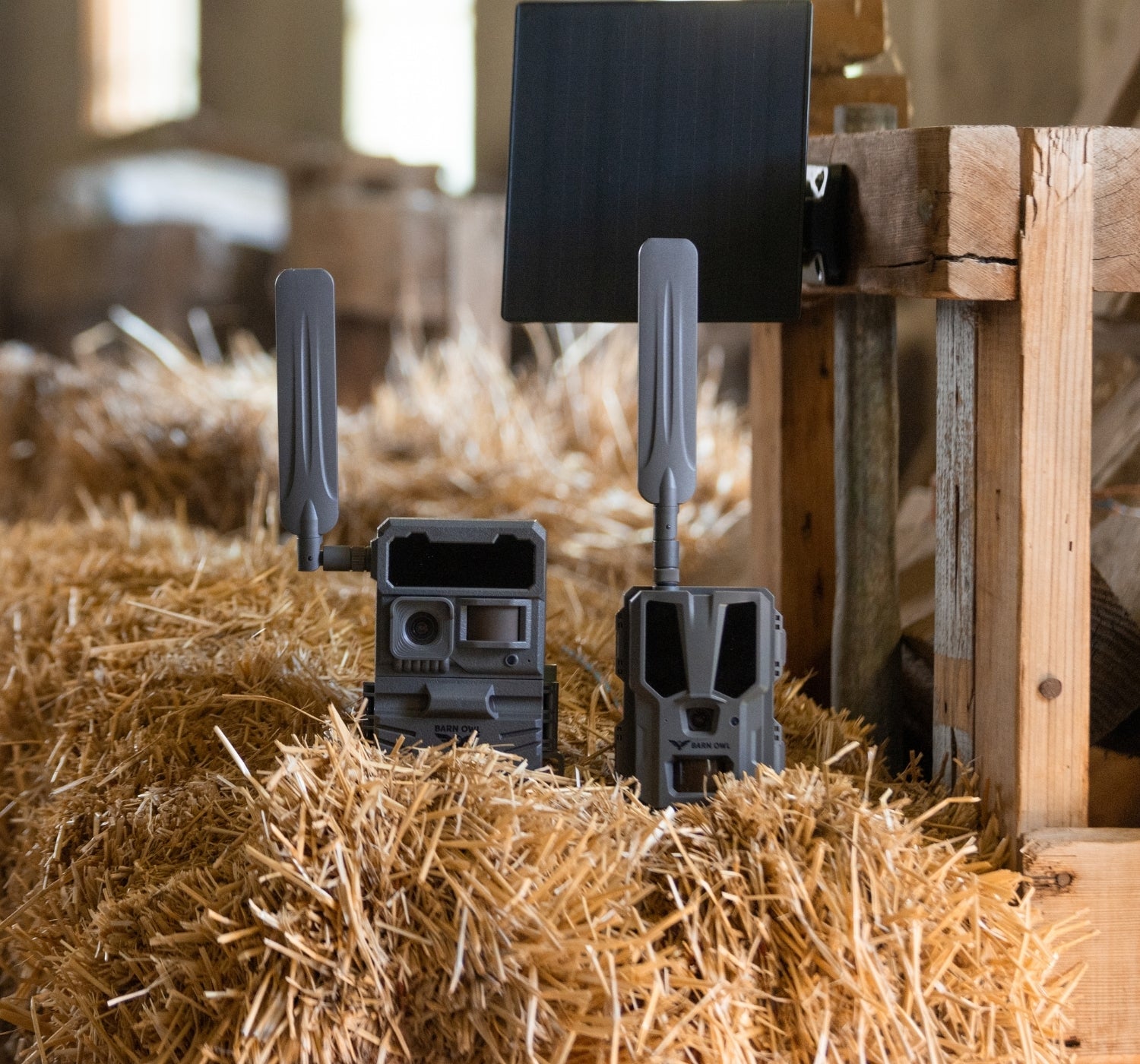
Welcome to the Barn Owl Learning Center

Since our founding in 2017, Barn Owl has become a leader in providing security, real-time insight, operational efficiency and peace of mind across rural America. Our team of experts has build an in-depth knowledge base designed to answer your questions across industries and challenges. Browse our content below by key topic or by blog post date.

Key Topics Users Find Most Helpful

Barn Owl Blog

Barn Owl's team of experts have amassed decades of insights and knowledge into a series of helpful articles. Browse the latest news and posts below, including by topic tag.

Agricultural Districts: Voluntary Protection for Working Lands

Barn Owl Blog

Agricultural Districts: Voluntary Protection for Working Lands

by on May 08 2025
While some farmland preservation tools rely on regulation and others on financial compensation, agricultural districts strike a balance. These voluntary programs offer landowners practical protections and incentives for keeping their land in agriculture—without requiring permanent restrictions. Across the U.S., agricultural districts serve as a vital first step in building community support for farmland preservation. They protect farmers from development pressures, reduce conflicts with non-farm neighbors, and promote the economic viability of agriculture. In this post, we’ll take a deep dive into how agricultural districts work, their benefits and limitations, and how they fit into the broader preservation toolbox. What Are Agricultural Districts? An agricultural district is a legally recognized geographic area where farming is encouraged and protected. Landowners voluntarily enroll their land in the district—often for a fixed period, like 8 to 10 years—and receive incentives or protections in return. These districts are not the same as zoning. While zoning is regulatory and mandatory, agricultural districts are voluntary and incentive-based. How Agricultural Districts Work Key Features: Voluntary Enrollment: Landowners apply to include their land in a district. Fixed Term Commitment: Enrollment typically lasts 8–10 years but is renewable. Benefits and Protections may include: Shielding from nuisance lawsuits (e.g., complaints about noise, odors) Protection from eminent domain Exemption from local ordinances that could restrict farming Eligibility for tax incentives or cost-share programs No Permanent Easement: Unlike conservation easements, agricultural districts do not permanently restrict land use. Real-World Examples New York State One of the most robust agricultural district programs in the U.S. Over 8 million acres enrolled statewide. Farmers in a district are protected from overly restrictive local laws and are often eligible for agricultural assessment tax breaks. Ohio Agricultural Security Areas (ASAs) offer 10-year protection from non-agricultural development and nuisance suits. Landowners receive property tax reductions and some protections from annexation and eminent domain. Tennessee The Agricultural, Forest and Open Space Land Act offers tax benefits to properties in agricultural districts and limits taxation based on development value. Benefits of Agricultural Districts For Landowners Keeps land in agriculture while retaining flexibility Protects against nuisance lawsuits from neighbors May reduce property taxes Offers eligibility for conservation cost-share or grant programs For Communities Encourages continued farming and local food production Reduces sprawl and land use conflicts Supports long-term farmland protection goals without using public funds for land acquisition Limitations and Challenges While agricultural districts offer important benefits, they have limitations: Not Permanent: Land can exit the program after the term ends. Limited Enforcement: Protections vary by state and may lack strong enforcement mechanisms. Public Awareness: Some farmers are unaware of the program or its benefits. Minimal Development Restrictions: Districts do not prevent development outright—they discourage it. That said, they can be a stepping stone to more permanent preservation tools like conservation easements or purchase of development rights (PDR). Agricultural Districts vs. Agricultural Zoning Feature Agricultural Districts Agricultural Zoning Voluntary or Mandatory Voluntary Mandatory Duration Time-limited (8–10 years) Ongoing unless rezoned Main Benefit Incentives, legal protections Controls land use and density Landowner Flexibility High Lower Implements Easement? No No They’re complementary tools, not interchangeable. Many communities use agricultural zoning to control land use and districts to provide incentives. How Agricultural Districts Fit in the Toolbox Agricultural districts often function as a “soft entry point” for farmland protection. Farmers unsure about permanent easements can test the waters, receiving benefits while maintaining the option to develop later. They can also help: Qualify farms for PDR programs Serve as “preservation areas” in comprehensive plans Educate landowners about farmland protection options Best Practices for Agricultural District Programs Conduct Outreach: Many eligible farmers don’t know the program exists. Keep It Simple: Make enrollment easy and renewal automatic. Pair with Other Tools: Use districts as a pipeline for PDR, TDR, or conservation easements. Monitor and Evaluate: Track acreage, participation, and benefits to demonstrate impact. Conclusion Agricultural districts are a flexible, low-cost way to support farmers and protect rural landscapes. While not permanent, they help buy time, reduce pressure on working farms, and build a constituency for farmland preservation. Whether you’re a farmer looking to protect your operation or a planner building a preservation strategy, agricultural districts are an essential tool in shaping a sustainable, agriculturally rich future. Interested in enrolling your land in an agricultural district? Contact your local farmland protection board, extension office, or planning department to learn how to get started. Up next: Farmland Protection Tax Incentives: Supporting Farmers, Preserving Land
Protecting Farmland Through Policy: What Is Agricultural Zoning?

Barn Owl Blog

Protecting Farmland Through Policy: What Is Agricultural Zoning?

by on May 08 2025
As American farmland disappears at an alarming rate, communities are increasingly turning to agricultural zoning to hold the line. Unlike voluntary programs, agricultural zoning is a regulatory tool that helps local governments safeguard farmland for long-term agricultural use through local ordinances and planning strategies. In this post, we’ll explore what agricultural zoning is, how it works, and why it's a critical piece of the farmland preservation puzzle. What Is Agricultural Zoning? Agricultural zoning is a type of land use regulation that designates specific areas for farming and related activities, limiting or prohibiting non-farm development. The goal is to preserve large, contiguous blocks of agricultural land, protect the farming economy, and reduce conflicts between farmers and non-farming neighbors. This zoning often: Sets large minimum lot sizes (e.g., 20 to 100 acres) Limits non-agricultural uses (like subdivisions or commercial development) Restricts the density of housing Sometimes provides “right-to-farm” protections How Agricultural Zoning Works Agricultural zoning is adopted and enforced by local governments—typically counties or townships—through their comprehensive plans and zoning ordinances. Key Tools Within Agricultural Zoning: Tool Description Minimum Lot Size Requirements Prevents land fragmentation by requiring that new lots be large enough to support agriculture (e.g., 20+ acres). Use Restrictions Allows only agriculture-related uses (farming, farm stands, barns) and excludes incompatible development. Sliding Scale Zoning Limits the number of dwelling units based on total acreage (e.g., one house per 40 acres). Cluster Zoning (Ag Cluster) Allows smaller lot sizes in limited development areas while preserving the remainder as farmland. Right-to-Farm Protections Shields farmers from nuisance lawsuits over noise, dust, or odors tied to normal farming activities. Examples of Agricultural Zoning in Action Lancaster County, Pennsylvania One of the most celebrated agricultural zoning programs in the U.S. Lancaster County’s zoning helps preserve Amish farmland and dairy operations by setting strict lot size and density restrictions in its ag zones. Willamette Valley, Oregon Oregon has some of the nation’s strongest land use protections. In the Willamette Valley, agricultural zoning ensures land remains in farm production, especially for high-value crops like grapes, hazelnuts, and berries. Montgomery County, Maryland Home to the Agricultural Reserve, the county limits development to 1 house per 25 acres, supporting over 90,000 acres of preserved farmland. Benefits of Agricultural Zoning For Farmers Keeps land affordable and available for farming Minimizes conflicts with non-farm neighbors Reduces pressure to sell land for development For Communities Maintains local food production and rural character Preserves open space and environmental resources Helps guide growth to appropriate areas with existing infrastructure Challenges and Criticisms While agricultural zoning is effective, it’s not without controversy or complications: Landowner Resistance: Some property owners view zoning as a restriction on their rights or economic potential. Enforcement Issues: Local governments may lack the staff or political will to enforce ag zoning over time. Legal Vulnerability: If improperly implemented, zoning ordinances can be challenged as a "taking" under the Fifth Amendment. Limited Economic Incentive: Unlike PDR or TDR programs, zoning doesn’t provide direct financial compensation. That said, when paired with incentive-based programs (like PDR, TDR, or tax relief), agricultural zoning becomes a powerful anchor for preserving the working landscape. How It Complements Other Farmland Preservation Tools Tool Purpose Works With Zoning? PDR (Purchase of Development Rights) Pays landowners to restrict development ✔ Yes TDR (Transfer of Development Rights) Redirects growth while preserving farms ✔ Yes Agricultural Districts Offers benefits for enrolled farmland ✔ Yes Use Value Assessment Reduces property taxes for farmland ✔ Yes Zoning often serves as the foundation, with voluntary or market-based tools layered on top. Best Practices for Agricultural Zoning Base It on Good Data: Use soil maps, growth projections, and economic data to inform boundaries and lot sizes. Coordinate Regionally: Work across jurisdictions to prevent leapfrog development and preserve large ag blocks. Include Right-to-Farm Laws: Ensure legal protection for typical farming practices. Review and Update Regularly: Monitor effectiveness and adapt to changing needs or pressures. Conclusion Agricultural zoning may not grab headlines, but it’s one of the most powerful and cost-effective tools local governments have to preserve farmland and promote sustainable growth. By clearly designating where farming should continue and where development can occur, zoning ordinances help communities protect their agricultural heritage while planning for a livable future. Zoning alone won’t solve every challenge—but without it, other preservation efforts are much harder to sustain. Want to know if your community uses agricultural zoning? Check with your local planning department or zoning office—and ask how you can support long-term farmland protection. Up next: Agricultural Districts: Voluntary Protection for Working Lands
Balancing Growth and Preservation: How Transfer of Development Rights (TDR) Programs Work

Barn Owl Blog

Balancing Growth and Preservation: How Transfer of Development Rights (TDR) Programs Work

by on May 08 2025
As communities across the United States wrestle with the dual pressures of population growth and land preservation, Transfer of Development Rights (TDR) programs offer a creative, market-based solution. These programs give landowners the opportunity to protect farmland and open space—while allowing development to happen in more appropriate places. In a time of rapid land conversion and sprawl, TDR programs are gaining traction as a way to preserve agricultural land, manage growth, and maintain community character—without heavy-handed regulation or public expenditure. What Is a Transfer of Development Rights Program? A Transfer of Development Rights (TDR) program allows landowners in designated "sending areas" (usually agricultural or environmentally sensitive land) to sell their development rights to developers who want to build at higher densities in "receiving areas" (typically areas targeted for growth, like town centers or transit corridors). The sending land is permanently protected with a conservation easement, while development is redirected to where infrastructure can better support it. How TDR Works: The Basics Key Components: Sending Area Typically farmland, forestland, or open space Landowners sell development rights and permanently restrict development Receiving Area Typically urban or suburban areas designated for higher density Developers buy development rights to exceed zoning limits (e.g., taller buildings, more units per acre) TDR Bank (optional) A public or nonprofit entity can act as a “bank” to buy, hold, and resell rights, making the market more flexible Example Scenario: A farmer owns 100 acres in a rural zoning district where 1 home per 5 acres is allowed. She sells her development rights to a developer planning a mixed-use project in a receiving area that allows increased density with TDR credits. The farm is permanently protected by a conservation easement, and the developer gains permission to build more housing or commercial space. Benefits of TDR Programs For Landowners (Sending Areas): Receive compensation for development potential they do not use Retain ownership and can continue to farm or manage the land Permanently protect the land with an easement For Developers (Receiving Areas): Gain the right to build at higher density, height, or intensity Avoid lengthy rezoning processes Help meet community housing or commercial space needs For Communities: Preserve farmland, habitat, and open space without using public funds Channel growth to areas with existing infrastructure Balance conservation and development through market forces Real-World Examples of TDR Programs Montgomery County, Maryland One of the oldest and most successful TDR programs in the country. Over 50,000 acres of farmland have been preserved. The program allows landowners in the Agricultural Reserve to sell TDRs to developers in designated growth areas. King County, Washington Uses TDR to shift development from rural forests and farms to cities and urban centers. The program includes a regional TDR marketplace and allows cities to tailor their own receiving area strategies. Boulder County, Colorado Has integrated TDR with growth management planning to protect mountain views, buffer zones, and farmland from development. Challenges and Considerations While TDR is a powerful tool, it isn’t a silver bullet. Communities must address a few key challenges to make TDR work well: Market Imbalance If there’s little demand for additional density, development rights may not sell—leaving landowners with no incentive. Complex Administration TDR programs require strong planning, zoning coordination, and ongoing management to succeed. Political Will Success depends on community support for increased density in receiving areas—often a controversial topic. Equity Concerns Programs must be designed to prevent uneven impacts, such as gentrification, in receiving areas or undercompensation for rural landowners. TDR vs. PDR: What’s the Difference? Feature TDR PDR Who pays? Developer Government agency or land trust Is it market-based? Yes No (publicly funded) Permanent protection? Yes Yes Increases development elsewhere? Yes No TDR complements Purchase of Development Rights (PDR) by using private capital to achieve similar conservation outcomes. In many cases, regions use both tools together. Best Practices for TDR Success Clear Sending and Receiving Area Maps Define and communicate boundaries early. Strong Development Incentives Make TDR credits valuable to developers (e.g., by allowing higher densities, expedited permits). Public Education and Outreach Build trust and understanding among landowners, residents, and developers. TDR Bank or Exchange Platform Helps stabilize pricing and match buyers with sellers more efficiently. Conclusion Transfer of Development Rights programs offer a rare win-win-win in land use planning. They allow landowners to protect their property and get paid, give developers more flexibility in growth areas, and help communities preserve the landscapes and resources they value most—all without relying on tax dollars. While implementation can be complex, well-designed TDR programs can permanently protect farmland and direct growth in smarter, more sustainable ways. For communities facing development pressure but seeking to maintain their rural identity, TDR may be the most innovative tool in the toolbox. Want to explore if TDR could work in your community? Connect with your local planning department or a land use nonprofit to start the conversation. Next up: Protecting Farmland Through Policy: What Is Agricultural Zoning?
Investing in the Future of Farming: Understanding Purchase of Development Rights (PDR)

Barn Owl Blog

Investing in the Future of Farming: Understanding Purchase of Development Rights (PDR)

by on May 08 2025
As farmland across the U.S. continues to disappear under the weight of suburban sprawl and commercial development, many communities are taking action to protect their agricultural heritage. One of the most effective and widely adopted tools in this effort is the Purchase of Development Rights (PDR) program. PDR programs provide a way for landowners to protect their land while receiving financial compensation—creating a win-win for farmers and communities alike. What Is a Purchase of Development Rights (PDR) Program? A Purchase of Development Rights (PDR) program pays landowners to permanently give up the right to develop their property for non-agricultural uses. In practice, this is accomplished through a conservation easement, which is recorded with the deed and restricts future development. The landowner retains ownership, continues to farm the land, and can sell or pass it on—but the land must remain in agricultural use. How PDR Works Step-by-Step Overview: Application A landowner voluntarily applies to a PDR program run by a local, state, or federal agency. Evaluation Properties are ranked based on criteria such as soil quality, proximity to other protected lands, threat of development, and conservation value. Appraisal An independent appraiser determines the fair market value of the development rights—the difference between the unrestricted and restricted value of the land. Negotiation and Agreement The government or land trust negotiates a purchase price with the landowner, and the conservation easement is drafted. Recording and Monitoring The easement is legally recorded, and the land is monitored annually to ensure compliance with the agreed-upon restrictions. Benefits for Landowners PDR programs offer tangible and lasting benefits to farmers and ranchers: Immediate Financial Compensation Farmers are paid for development rights they may never have used, providing capital that can help them invest in their operations or plan for retirement. Continued Ownership and Use Landowners retain full ownership of the land and can continue to farm, lease, or pass it on to heirs. Estate Planning Tool Reduced land value can lower estate taxes, helping families keep farmland in agriculture across generations. Maintaining Land Affordability By removing development potential, the land’s market value drops—making it more accessible to beginning farmers and agricultural buyers. Benefits for Communities PDR programs don’t just help individual landowners—they deliver broad public benefits: Preserves Local Food Sources Protected farmland supports regional food systems and food security. Maintains Scenic Rural Landscapes Helps define community character and attract tourism and recreation. Supports Local Economies Keeps agricultural operations in business, preserving jobs and tax revenue. Who Runs PDR Programs? PDR programs can be run at the local, state, or federal level, often with partnerships among all three. Federal: USDA Agricultural Conservation Easement Program (ACEP) Provides matching funds to states, counties, and nonprofits to purchase agricultural easements. State Examples: New Jersey’s Farmland Preservation Program One of the oldest and most comprehensive PDR programs in the country. Maryland Agricultural Land Preservation Foundation (MALPF) Helps counties match state funds to preserve farmland in high-growth areas. Florida Rural and Family Lands Protection Program Focuses on working ranchlands and agricultural landscapes. Local and County-Level Examples: Boulder County, Colorado Uses sales tax revenue to fund land preservation and easement acquisition. Sonoma County, California Operates a well-funded PDR program that protects vineyards, dairies, and rangeland. Legal and Stewardship Considerations Permanent Restrictions Once a PDR easement is recorded, it binds all future owners. The land can be sold, but it cannot be developed beyond the terms of the agreement. Monitoring and Enforcement Easement holders (usually a government agency or land trust) must conduct regular inspections to ensure compliance. Custom Terms Easements may allow certain structures (like barns or worker housing) or limit other uses (like commercial solar installations), depending on local priorities and negotiations. Common Questions Q: Can I still build a home on my farm? A: Maybe—many PDR agreements allow for one or more “residential building envelopes,” especially if they’re already part of the farmstead. Q: What if I want to sell the land? A: You can sell preserved land, but the development restrictions remain in place forever. Q: Can I still make a profit farming the land? A: Yes. In fact, the income from the PDR can help you improve profitability by reinvesting in equipment, soil health, or diversifying your crops. Conclusion The Purchase of Development Rights is a powerful and practical tool for preserving farmland while respecting private property rights. By offering compensation to landowners in exchange for permanent conservation, PDR programs protect working landscapes, strengthen rural economies, and ensure future generations can farm the land we depend on. At a time when the pressure to convert farmland to subdivisions and strip malls is stronger than ever, PDR programs represent a smart investment in a sustainable, food-secure future. Ready to learn more or apply to a PDR program in your area? Contact your local conservation district, land trust, or state agriculture department to find out what options are available. Up next: Balancing Growth and Preservation: How Transfer of Development Rights Work
Protecting Farmland Forever: Understanding Agricultural Conservation Easements

Barn Owl Blog

Protecting Farmland Forever: Understanding Agricultural Conservation Easements

by on May 08 2025
As farmland across the U.S. disappears to development at an alarming rate, many landowners, communities, and land trusts are turning to agricultural conservation easements as a long-term solution. These voluntary legal agreements permanently restrict non-agricultural development on farmland, ensuring the land stays available for agriculture—forever. Whether you're a farmer looking to protect your legacy, a policymaker shaping rural planning, or simply someone who cares about food security and open space, understanding how agricultural conservation easements work is essential. What Is an Agricultural Conservation Easement? An agricultural conservation easement (ACE) is a legal agreement between a landowner and a qualified organization—such as a government agency or land trust—that limits the use of the land to agricultural or open-space purposes. The easement is recorded with the property deed and applies to all future owners. Key Characteristics: Voluntary: Landowners choose whether to place an easement on their land. Perpetual: Easements last forever, even if the land changes hands. Customizable: Easements can be tailored to fit the specific goals and needs of the landowner. How It Works Step-by-Step Overview: Initial Assessment A landowner expresses interest in preserving their farmland. The easement holder (e.g., land trust or government program) evaluates the property’s soils, location, development pressure, and conservation value. Negotiation and Drafting The parties negotiate terms, including which activities are permitted (e.g., building new barns, leasing to other farmers, limited housing for workers). Appraisal A certified appraiser determines the value of the development rights being relinquished. This difference—between the land’s unrestricted market value and its value with the easement—guides compensation or tax benefits. Funding and Approval Funding may come from federal, state, or local farmland preservation programs or private donations. The easement is then approved, signed, and recorded. Monitoring and Stewardship The easement holder is responsible for ensuring compliance over time through regular monitoring visits. Financial and Tax Benefits For Landowners: Cash Payment (in a PDR arrangement): Some landowners receive payment for the easement. Federal Income Tax Deduction: Easements donated or sold at below market value may qualify as a charitable contribution. Estate Tax Reduction: Easements reduce property value, potentially lowering estate taxes and making it easier to pass farms to the next generation. Property Tax Adjustments: In some states, preserved land may qualify for favorable tax treatment. Why Landowners Choose Easements Preserving a Farming Legacy Many farmers use easements to ensure their land will never be paved over or subdivided—even after they're gone. Access to Capital Selling development rights can provide funds to reinvest in equipment, infrastructure, or expansion. Supporting Young Farmers By lowering land value, easements can make farmland more affordable and accessible for the next generation. Broader Community Benefits Food Security: Keeps fertile land in production to support local and regional food systems. Environmental Protection: Preserves ecosystems, watersheds, and wildlife habitat. Rural Character: Maintains scenic landscapes and buffers against suburban sprawl. Economic Development: Supports working lands that drive local economies and job creation. Notable Programs and Partners Federal Level: USDA’s Agricultural Conservation Easement Program (ACEP) – Offers funding to help buy easements on working farmland. State and Local Programs: Maryland Agricultural Land Preservation Foundation (MALPF) California Farmland Conservancy Program Vermont Housing & Conservation Board (VHCB) Nonprofits and Land Trusts: American Farmland Trust Equity Trust Marin Agricultural Land Trust (MALT) Legal Considerations Easements are complex and legally binding, so: Landowners should work with an experienced attorney familiar with real estate and conservation law. Successors and heirs must be educated about the restrictions. Future buyers must agree to the same terms. Real-World Impact In Lancaster County, Pennsylvania—home to some of the nation's most productive soils—over 115,000 acres have been preserved through easements. In California’s Central Valley, easements protect orchards and vineyards that would otherwise face intense development pressure. These preserved lands are not static museums; they are vibrant, working farms that feed communities and support local livelihoods. Conclusion Agricultural conservation easements are one of the most powerful tools we have to preserve farmland for future generations. They strike a unique balance—respecting private property rights while serving the public good. For landowners committed to farming and communities invested in sustainable land use, easements offer a path toward long-term resilience, stewardship, and food security. Interested in placing a conservation easement on your land or supporting preservation efforts? Connect with your local land trust or USDA NRCS office to get started. Up next: Investing in the Future of Farming: Understanding Purchase of Development Rights
Safeguarding America's Working Lands: Farmland Preservation Tools in the U.S.

Barn Owl Blog

Safeguarding America's Working Lands: Farmland Preservation Tools in the U.S.

by on May 08 2025
As the United States continues to urbanize, farmland across the country is under increasing pressure from development. According to the American Farmland Trust, the U.S. lost more than 11 million acres of farmland between 2001 and 2016 alone. With productive soils vanishing and farming communities facing disruption, many states, local governments, and land trusts have embraced a range of tools to protect this vital resource. These tools not only conserve agricultural land but also help maintain local food systems, support rural economies, and preserve open space. Here’s a look at the most widely used farmland preservation tools in the United States: 1. Agricultural Conservation Easements How it works: Landowners voluntarily sell or donate development rights to a government agency or land trust while retaining ownership and the ability to farm. Key benefits: Land remains in private hands Ensures long-term or permanent agricultural use Can provide financial compensation or tax benefits to landowners Programs to note: USDA’s Agricultural Conservation Easement Program (ACEP) State-level programs like Maryland’s MALPF or Vermont’s VHCB 2. Purchase of Development Rights (PDR) How it works: Similar to conservation easements, PDR programs compensate landowners for limiting future development of their land. Key benefits: Keeps farmland affordable for future farmers Provides capital for reinvestment in the farm Can help family farms remain economically viable Common users: County and municipal governments, often through voter-approved bonds or dedicated funds Partnered with state or federal matching programs 3. Transfer of Development Rights (TDR) How it works: Landowners in designated "sending areas" (usually farmland) sell development rights to developers who want to build at higher densities in "receiving areas" (typically urban zones). Key benefits: Provides market-based incentives to preserve farmland Directs growth toward areas with infrastructure Offers flexible, scalable preservation potential Successful examples: Montgomery County, Maryland Lancaster County, Pennsylvania 4. Agricultural Zoning How it works: Local governments zone land specifically for agricultural use, limiting residential or commercial development. Key benefits: Offers baseline protection Can prevent parcel fragmentation Supports right-to-farm laws and buffers against land use conflicts Limitations: Can be overturned or weakened politically Often challenged by development pressure unless paired with permanent protections 5. Farmland Protection Tax Incentives How it works: Provides tax relief (such as lower property assessments) for land actively used for agriculture. Key benefits: Encourages continued farming Eases financial burdens, especially in rapidly urbanizing areas Can be paired with other tools like easements or zoning Programs to explore: California Land Conservation Act (Williamson Act) Use-value assessment programs in nearly every state 6. Right-to-Farm Laws How it works: Protects farmers from nuisance lawsuits and unreasonable local regulations when they engage in accepted agricultural practices. Key benefits: Shields farms from suburban encroachment Reduces pressure to sell or convert land Strengthens farm viability Note: These laws support farmland use but do not restrict development or permanently preserve land. 7. Land Trusts and Nonprofit Conservation Groups How it works: Private organizations acquire or steward farmland conservation easements and work with landowners on preservation strategies. Key benefits: Flexible and locally responsive Can act more quickly than government programs Often help young or beginning farmers access preserved land Examples: American Farmland Trust Local and regional land trusts like Marin Agricultural Land Trust (MALT) or Equity Trust A Holistic Approach No single tool can meet every farmland preservation need. The most effective strategies often involve layering these tools—using agricultural zoning alongside conservation easements, or pairing TDR programs with tax incentives. As threats to farmland evolve, communities must remain adaptive, combining legal, economic, and planning tools to meet the challenge. By protecting our farmland today, we ensure a legacy of food security, rural vitality, and environmental stewardship for generations to come. Up next: Protecting Farmland Forever: Understanding Agricultural Conservation Easements

Showing 204/301