Welcome to the Barn Owl Learning Center

Since our founding in 2017, Barn Owl has become a leader in providing security, real-time insight, operational efficiency and peace of mind across rural America. Our team of experts has build an in-depth knowledge base designed to answer your questions across industries and challenges. Browse our content below by key topic or by blog post date.

Key Topics Users Find Most Helpful
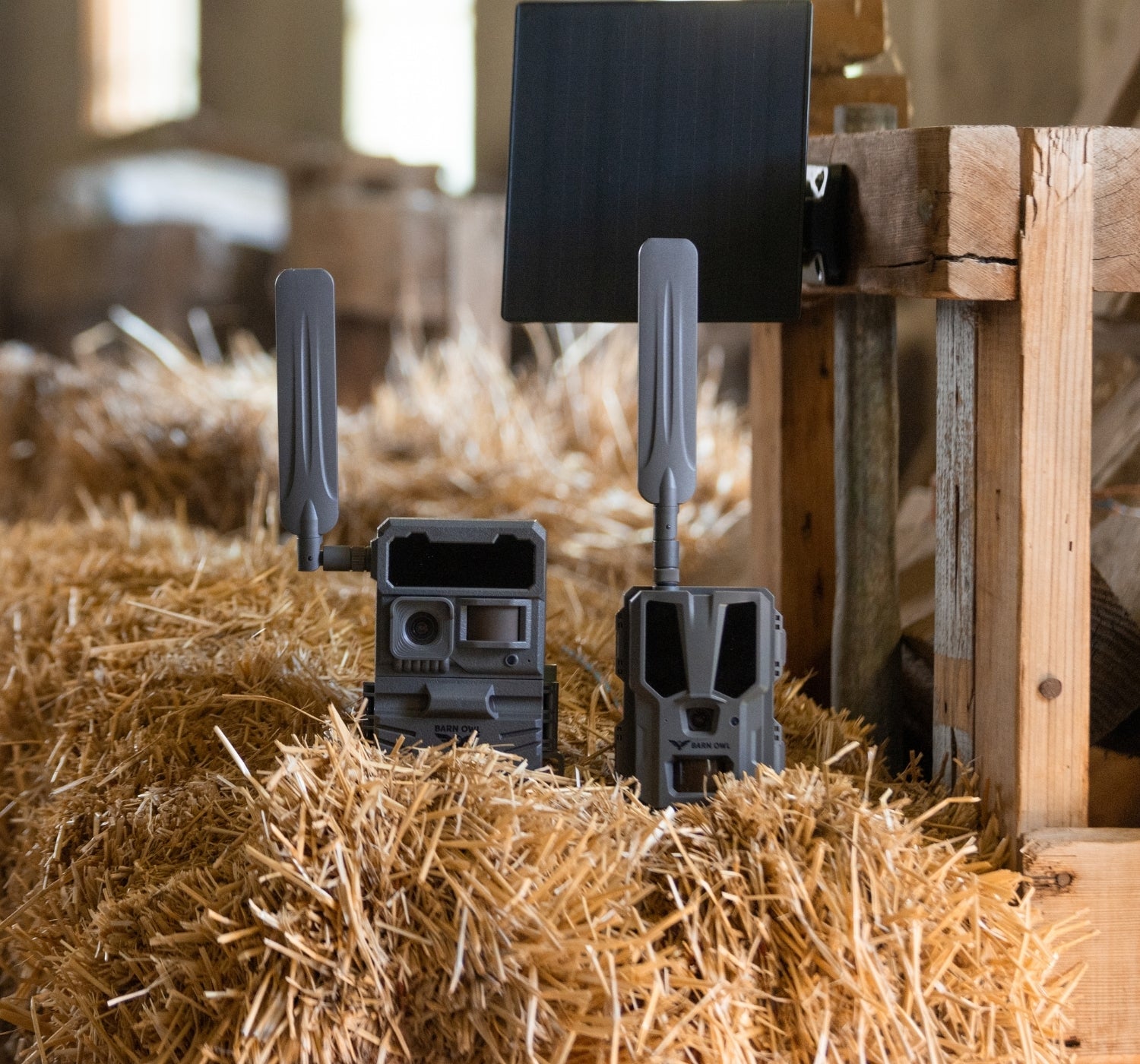
Barn Owl Blog

Barn Owl's team of experts have amassed decades of insights and knowledge into a series of helpful articles. Browse the latest news and posts below, including by topic tag.
Barn Owl Cameras for Remote Cabins: How Jay Bowman Protects His Off-Grid Property

Barn Owl Blog

Barn Owl Cameras for Remote Cabins: How Jay Bowman Protects His Off-Grid Property

by on Jul 24 2025
Jay Bowman, the creator behind Idaho Adventureworx and JayBowmanJeeper, is a passionate outdoorsman and content creator who shares his adventures in the rugged landscapes of Idaho. His Instagram feeds showcase a blend of off-grid living, wildlife encounters, and the challenges of maintaining a remote property. Living in such a vast and isolated area, Jay faces the challenge of monitoring his land for wildlife activity, potential trespassers, and ensuring the safety of his property. To address these challenges, Jay has integrated Barn Owl cameras into his property management strategy. Barn Owl's off-grid cameras are designed specifically for remote locations, offering features like solar power and cellular connectivity, making them ideal for areas without traditional Wi-Fi or power sources. These cameras provide real-time alerts and high-resolution footage, allowing Jay to monitor his property from anywhere, ensuring peace of mind even when he's miles away. By utilizing Barn Owl cameras, Jay has been able to enhance the security of his remote property, monitor wildlife activity, ensure his geese and animals are safe, and manage his land more efficiently. The reliability and ease of use of these cameras have made them an indispensable tool in his off-grid lifestyle. For those living in similar remote conditions, Barn Owl cameras offer a practical solution to stay connected and keep an eye on what matters most. View this post on Instagram A post shared by IAW will build a modern cabin w/best supplies on the market. (@idahoadventureworx)  
From Auctions to Animals: How Barn Owl Cameras Help Faithful Farm Adventures Keep Watch

Barn Owl Blog

From Auctions to Animals: How Barn Owl Cameras Help Faithful Farm Adventures Keep Watch

by on Jul 24 2025
Faithful Farm Adventures is a popular YouTube channel sharing the real-life experiences of a family homesteading on 40 acres. With a mix of farm life, homestead projects, and behind-the-scenes looks at their seasonal pumpkin patch, the channel has gained a loyal audience that values authenticity and practical farming knowledge. At the heart of the channel is Dustin, who brings his unique perspective to the majority of their videos by diving deep into the world of farm equipment auctions. His content is packed with tips, finds, and insights on tractors, tools, and implements—making his channel a go-to for viewers looking to understand the value and utility of second-hand farm gear. As their homestead has grown, so has the need for better security and livestock monitoring, especially when they're away attending auctions or working off-property. That’s why they’ve turned to Barn Owl cameras. With motion-triggered alerts, cloud and SD card storage, and a universal mount system, Barn Owl gives the Faithful Farm Adventures family peace of mind. The cameras can be moved and installed easily on fence posts, barns, and equipment yards, providing flexible coverage across their rural property. Now, whether they’re bidding at an auction or harvesting pumpkins, Dustin and his family know their animals and farm are protected. For Faithful Farm Adventures, Barn Owl is more than just a camera—it’s an extra set of eyes on the farm. For more information on Faithful Farm Adventures, you can visit Faithful Farm Adventures - YouTube
Temporary Fencing with Polywire or Polytape: Flexible, Affordable, and Effective for Rotational Grazing

Barn Owl Blog

Temporary Fencing with Polywire or Polytape: Flexible, Affordable, and Effective for Rotational Grazing

by on Jul 18 2025
When flexibility and portability are key, temporary fencing using polywire or polytape is an ideal solution for many livestock owners. Whether you're practicing rotational grazing, creating temporary holding areas, or protecting newly seeded pastures, this fencing option offers a lightweight and cost-effective way to manage animals without the permanence or expense of traditional fencing. What Is Polywire or Polytape Fencing? Polywire and polytape are electrifiable, woven strands made from plastic and metal filaments. Polywire is a thin, rope-like line, while polytape is a flat, ribbon-like version that’s more visible—especially useful for horses or high-traffic areas. Both are designed to carry an electric charge and act as a psychological barrier rather than a physical one. These temporary fences are typically supported by step-in posts and powered by a solar or battery-powered energizer. They're quick to install, take down, and move, making them perfect for short-term or seasonal use. Benefits of Temporary Fencing Highly Portable: Easy to move, reconfigure, or remove entirely. Cost-Effective: Much cheaper than permanent fencing materials. Ideal for Rotational Grazing: Enables precise pasture management for improved forage growth and soil health. Quick Setup: No digging or heavy tools required—just step-in posts and a power source. Safe for Livestock: The electric charge teaches animals to respect the boundary without causing injury. Common Uses Rotational or strip grazing for cattle, sheep, or goats Temporary lanes or holding pens Protecting certain areas of pasture or cropland Training animals to respect electric fencing Considerations Before Installing Requires Power: Must be connected to a reliable fence energizer (solar or battery). Maintenance: Check regularly for vegetation or broken lines that could ground the charge. Not a Physical Barrier: Won’t stop animals if the electric charge fails, so consistent power is key. Weather Impact: Strong winds or heavy snow can affect polytape performance if not tensioned properly. Barn Owl Cameras and Temporary Fencing Barn Owl cameras  are lightweight and off-grid, making them a natural fit for temporary fencing setups. Whether you’re monitoring a remote grazing paddock or watching for predators, our cameras mount easily to step-in posts or T-posts using zip ties or our Universal Mount for more versatility. With real-time alerts and remote access, you can keep an eye on your livestock even when the fence lines move. Conclusion  Temporary fencing with polywire or polytape offers unmatched flexibility for modern livestock management. It’s a go-to solution for rotational grazing, short-term enclosures, or expanding pasture access without permanent changes. When paired with smart tools like Barn Owl cameras, it’s easier than ever to manage your land and livestock with confidence.
Board Fencing: A Classic, Safe, and Attractive Choice for Livestock

Barn Owl Blog

Board Fencing: A Classic, Safe, and Attractive Choice for Livestock

by on Jul 18 2025
Board fencing—also known as post-and-board or plank fencing—is a traditional and timeless fencing option commonly used on horse farms, hobby farms, and rural properties. Its simple yet sturdy construction, consisting of wooden boards attached to wooden posts, provides a strong and highly visible barrier that’s especially well-suited for horses and other large animals. What Is Board Fencing? Board fencing typically uses 3 to 4 horizontal wooden boards (usually oak, pine, or treated lumber) nailed or screwed to vertical wooden posts spaced 8 feet apart. The boards may be arranged in a flat pattern or “cross-buck” style for a more decorative look. Paint or stain—most often white or black—is commonly applied to improve appearance and protect the wood from weathering. Benefits of Board Fencing Animal Safety: The wide, visible boards reduce the risk of animals running into the fence. It's especially favored for horses, as it provides a safe, non-shocking boundary. Aesthetic Appeal: Board fencing adds a clean, orderly, and classic look to any property, enhancing curb appeal. Customizable: Choose board height, spacing, and finishes to match your property’s needs and style. Strong and Sturdy: Properly installed board fencing can last for many years, especially when made from treated or high-quality lumber. Common Uses Horse enclosures and paddocks Front pasture fencing or driveways Perimeter fencing for smaller farms Mixed-use fencing with added wire mesh for smaller animals Considerations Before Installing Cost: Board fencing is more expensive than wire options due to lumber prices and labor. Maintenance: Wood can warp, rot, or break over time, so regular inspection, repair, and painting or staining are needed to maintain its integrity and appearance. Not Ideal for Small Animals: Without additional wire mesh, board fencing won’t contain smaller livestock like goats or poultry. Pairing with Barn Owl Cameras Board fencing provides a solid and straightforward surface for mounting Barn Owl cameras.  You can easily attach a camera to a fence post or board to monitor gates, animals, or activity in the pasture. Whether you're watching a foaling pen or keeping an eye on property access, our cameras integrate seamlessly into board fencing systems. Conclusion Board fencing combines strength, safety, and traditional charm. It’s a top choice for horse owners and small farm operators who want a visually appealing and functional boundary. When paired with smart monitoring tools like Barn Owl cameras, it becomes an even more powerful part of your farm management system. Next up: Temporary Fencing with Polywire or Polytape: Flexible, Affordable...
Pipe or Rail Fencing: A Durable and Attractive Option for Livestock and Property

Barn Owl Blog

Pipe or Rail Fencing: A Durable and Attractive Option for Livestock and Property

by on Jul 18 2025
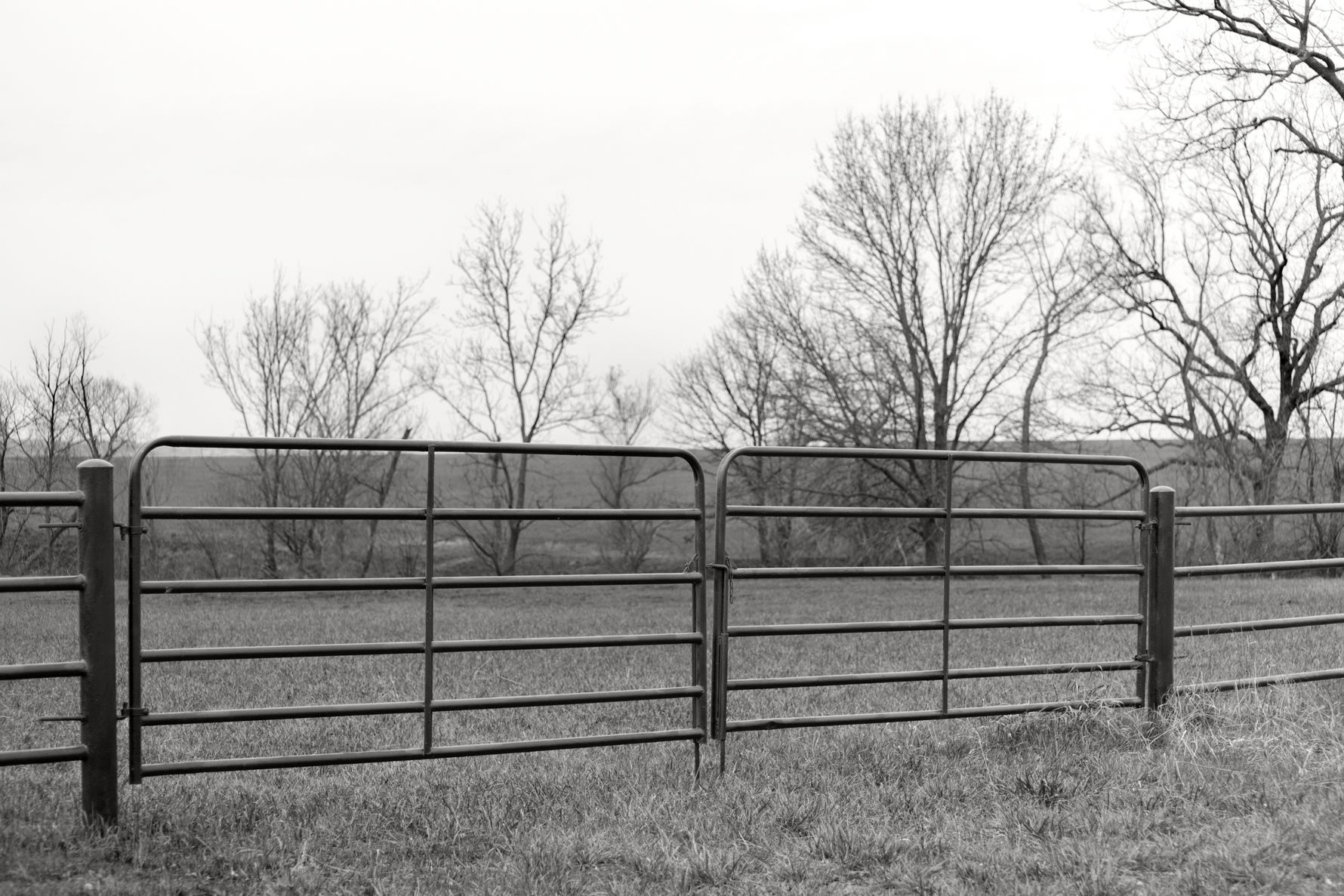
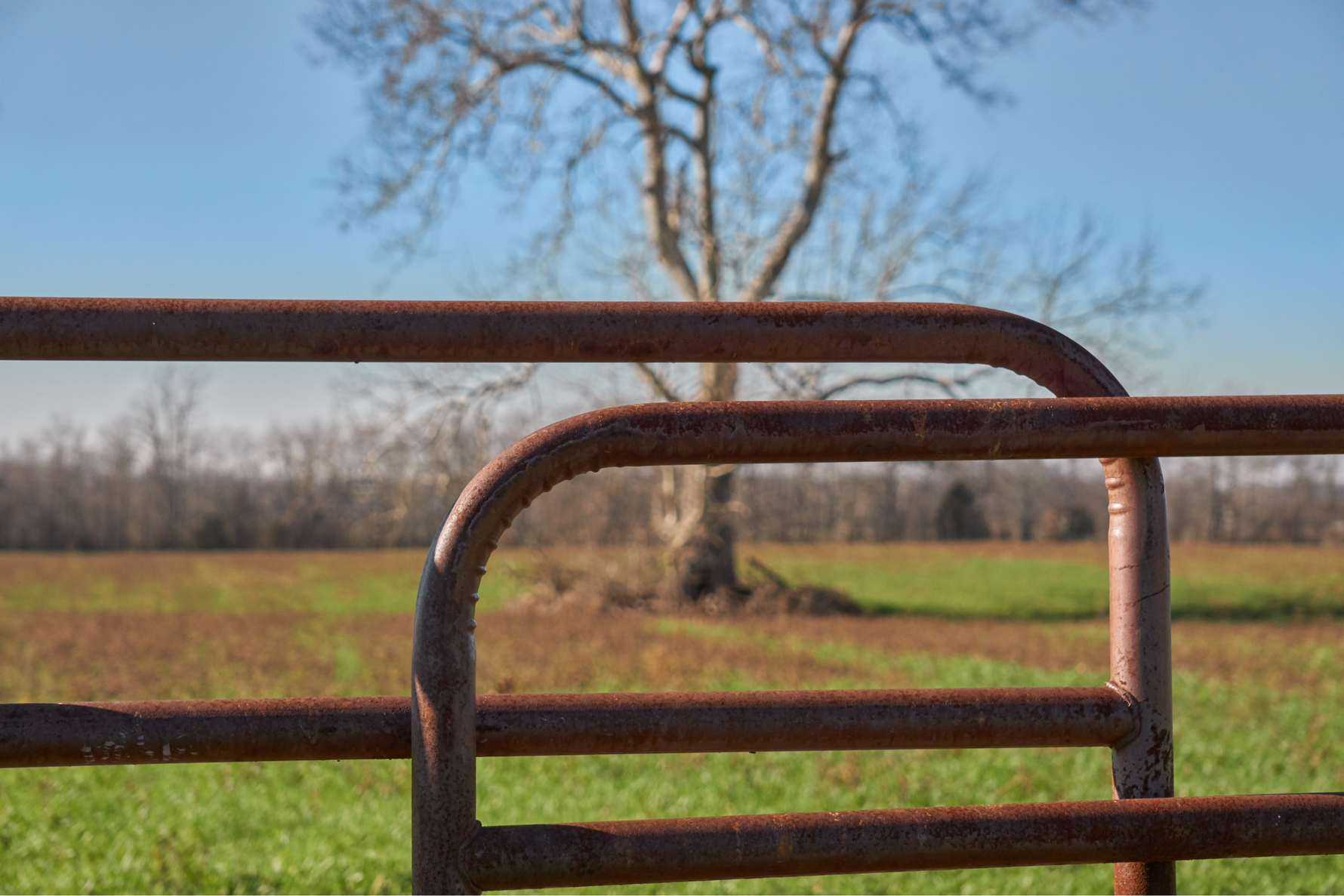
When it comes to fencing that combines durability, safety, and a clean, professional appearance, pipe or rail fencing stands out as a top choice. Often seen on horse properties, cattle operations, and rural estates, this fencing style is known for its strength and longevity—making it an investment that pays off over time. What Is Pipe or Rail Fencing? Pipe or rail fencing typically uses metal (often steel or galvanized pipe) or heavy-duty wood rails to create a strong, visible barrier. It can be constructed with two to five horizontal rails, depending on the type of livestock or property need. This style of fencing is often welded or bolted in place, resulting in a permanent, low-maintenance boundary. Why Choose Pipe or Rail Fencing? Extreme Durability: Pipe and rail fencing can withstand years of use, pressure from large animals, and harsh weather conditions. High Visibility: Its open design helps animals see the fence clearly, which reduces the risk of injury. Low Maintenance: Once installed, this fencing requires little upkeep—especially metal versions that resist rust and rot. Safe for Horses and Cattle: Smooth edges and sturdy construction make it ideal for livestock that may rub or lean on fencing. Professional Appearance: Clean lines and uniform spacing make pipe or rail fencing a favorite for high-traffic areas like front pastures, arenas, or driveways. Common Uses Horse fencing Perimeter fencing for ranches and farms Corrals and working pens Decorative or boundary fencing for rural properties High-traffic livestock areas Considerations Before Installing Higher Initial Cost: Pipe or rail fencing is more expensive to install compared to wire-based options, due to materials and labor. Permanent Structure: It's not ideal for temporary or easily reconfigured fencing needs. Installation: Requires specialized tools (like welders or post drivers for steel) and often professional installation for best results. Barn Owl Cameras + Pipe or Rail Fencing One great advantage of pipe or rail fencing is how easily it integrates with Barn Owl remote cameras.  Our cameras mount directly onto fence posts or rails, giving you the flexibility to position them exactly where you need. Whether you’re watching a gate, observing animal behavior in a corral, or keeping tabs on your equipment yard, Barn Owl cameras keep you informed—no matter where you are. Conclusion Pipe or rail fencing offers unmatched strength, longevity, and curb appeal for your ranch or rural property. It’s a long-term solution that works well for high-value animals and high-traffic areas—and when paired with smart monitoring from Barn Owl, it becomes even more powerful. Next up: Board Fencing: A Classic, Safe, and Attractive Choice for Livestock 
Electric Fencing: A Smart, Flexible Solution for Livestock and Property Management

Barn Owl Blog

Electric Fencing: A Smart, Flexible Solution for Livestock and Property Management

by on Jul 18 2025
Electric fencing has become a favorite among farmers, ranchers, and homesteaders for its affordability, effectiveness, and adaptability. Whether you're managing a herd of cattle, rotating sheep across pastures, or keeping predators out of your chicken run, electric fencing offers a safe and efficient way to control animal movement and protect your land. What Is Electric Fencing? Electric fencing is a barrier system that uses a brief, low-impedance electrical pulse to deter animals from crossing a boundary. When an animal touches the electrified wire, it receives a quick, harmless shock that discourages future contact. The fence system typically includes a charger (energizer), conductive wire or tape, insulators, and grounding rods. Why Choose Electric Fencing? Effective Training Tool: Animals quickly learn to respect electric fences after just one or two encounters. Low Cost: Electric fencing requires fewer materials and posts compared to traditional fencing methods. Quick Setup: It’s ideal for temporary pastures or rotational grazing systems, and installation is often faster and simpler. Flexibility: Works well for all types of livestock and can be configured for specific needs—from lightweight setups for poultry to multi-strand systems for cattle or goats. Versatility: Can be used in conjunction with other fence types like high-tensile or woven wire to enhance effectiveness. Types of Electric Fencing Permanent Electric Fencing: Installed for long-term use with high-tensile wire and robust chargers. Great for perimeter fencing or large pastures. Temporary Electric Fencing: Made with polywire or polytape and step-in posts, it's perfect for rotational grazing and seasonal use. Offset Electric Fencing: One or more hot wires are added to an existing fence (like barbed or woven wire) to prevent rubbing or climbing. Installation Tips Power Source: Electric fences can be powered by plug-in, battery, or solar chargers—solar is popular for remote areas. Grounding is Crucial: Most electric fence problems are due to poor grounding. Always follow the manufacturer's instructions carefully. Regular Maintenance: Keep vegetation off the fence line and check voltage with a tester to ensure the system is working properly. Best Use Cases Livestock containment (cattle, sheep, goats, pigs, horses) Predator exclusion (for poultry, gardens, or beehives) Rotational grazing systems Temporary paddocks or fencing across rough terrain Barn Owl Cameras + Electric Fencing Electric fencing is highly effective—but without eyes on the fence line, it’s tough to know when something goes wrong. That’s where Barn Owl cameras  come in. Easily mounted on nearby posts or T-posts, Barn Owl cameras provide real-time visibility so you can monitor gates, fence lines, water points, and animal behavior. With motion-triggered alerts and live-view capabilities, you’ll know the moment something needs your attention—without patrolling the entire property. Conclusion Electric fencing is a flexible, cost-effective solution that puts you in control of your land and livestock. When paired with smart tools like Barn Owl remote cameras, you get an even greater level of security, efficiency, and peace of mind. Next up: Pipe or Rail Fencing: A Durable and Attractive Option for Livestock

Showing 102/301