Welcome to the Barn Owl Learning Center

Since our founding in 2017, Barn Owl has become a leader in providing security, real-time insight, operational efficiency and peace of mind across rural America. Our team of experts has build an in-depth knowledge base designed to answer your questions across industries and challenges. Browse our content below by key topic or by blog post date.

Key Topics Users Find Most Helpful

Barn Owl Blog

Barn Owl's team of experts have amassed decades of insights and knowledge into a series of helpful articles. Browse the latest news and posts below, including by topic tag.

Water and Feed Monitoring: Keeping Wildlife Coming Back

Barn Owl Blog

Water and Feed Monitoring: Keeping Wildlife Coming Back

by on Aug 28 2025
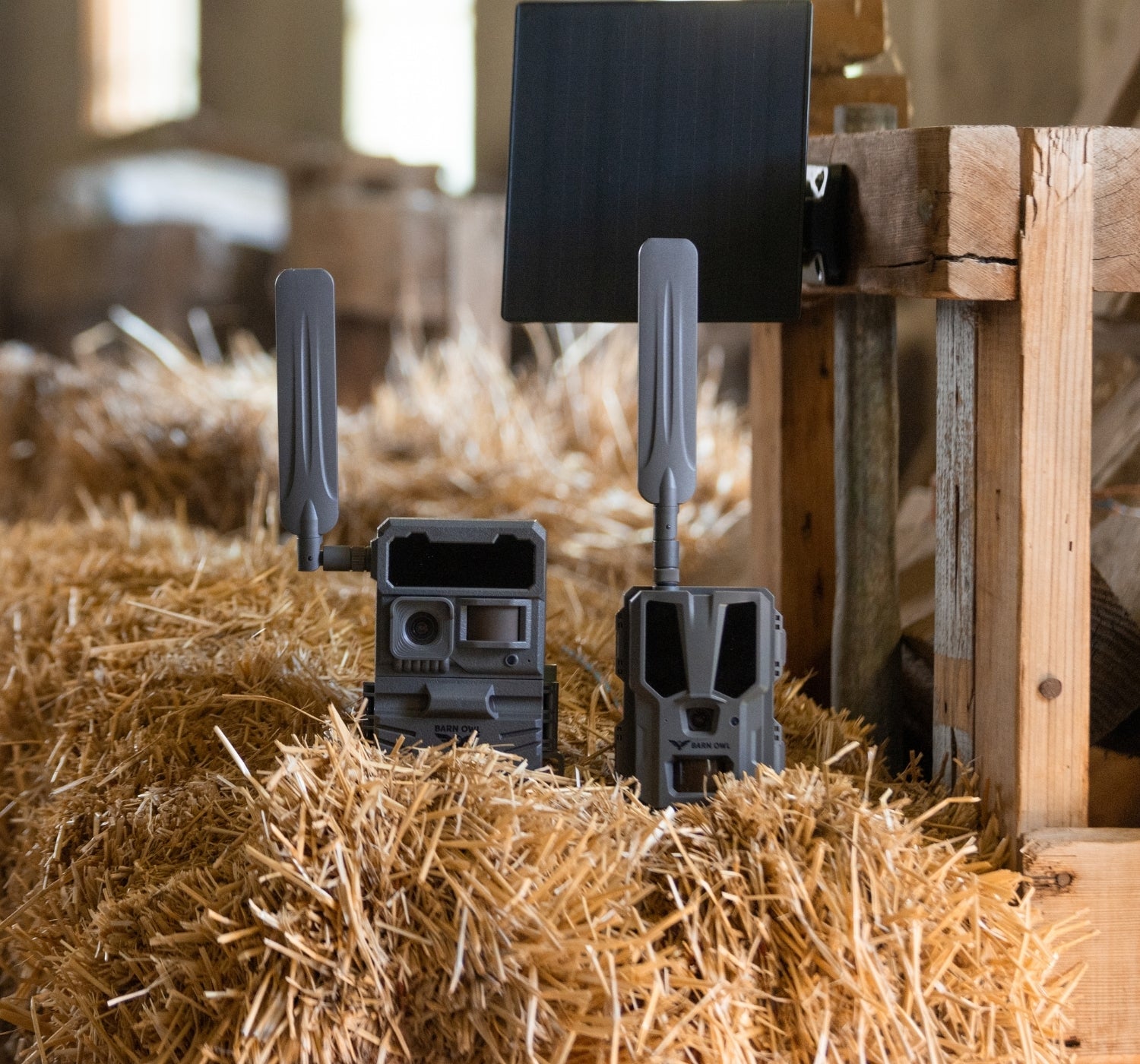
Every hunter knows that food and water are the two biggest draws for wildlife. Whether you’re targeting deer, hogs, elk, or turkey, setting up feeders and water sources is one of the most reliable ways to hold game on your property. But the challenge comes in keeping them maintained — a feeder that runs empty or a water source that goes dry can shift animal patterns overnight. The Challenge of Managing Feeders and Water Unpredictable consumption: Wildlife use fluctuates by season, herd size, and weather. Long travel times: Checking feeders or tanks often means driving hours just to see if they’re empty. Wasted time and resources: Overfilling wastes feed; underfilling means lost opportunities when animals stop visiting. Smarter Monitoring with Remote Cameras Instead of guessing or making unnecessary trips, hunters can use remote cameras to: Check feed levels remotely: See when it’s time to refill, no matter where you are. Track water use: Monitor tanks, troughs, or natural water sources during hot months or droughts. Spot game activity: Confirm which animals are using your resources and at what times. Why Barn Owl Works for Hunters Barn Owl cameras are purpose-built for remote, off-grid monitoring — exactly what you need to manage feeders and water without constant trips: Solar-powered reliability: No worries about battery swaps in the middle of the season. Instant photo alerts: Get real-time updates when animals visit or resources run low. Rural connectivity: Multi-carrier service ensures your setup works in the backcountry. Keeping Wildlife Coming Back Consistent food and water are what keep animals patterned on your land instead of wandering to the neighbor’s property. With remote monitoring, you’ll know exactly when to refill, how wildlife is responding, and where to focus your hunting efforts. Barn Owl cameras give you the edge — less time checking feeders, more time planning the perfect hunt. Up Next: Post-Hunt Applications: Managing Game and Land Year-Round – Barn Owl Tech
Post-Hunt Applications: Managing Game and Land Year-Round

Barn Owl Blog

Post-Hunt Applications: Managing Game and Land Year-Round

by on Aug 28 2025
Hunting season eventually ends, but smart hunters know the work doesn’t stop. Off-season management is critical for maintaining healthy wildlife populations, protecting property, and preparing for the next season. Remote cameras aren’t just for scouting—they’re a year-round tool for property and wildlife management. Beyond Hunting Season Predator control: Monitor for coyotes, foxes, or feral hogs that threaten your game or livestock. Food plot management: Track growth, usage, and pressure from wildlife. Fence and property monitoring: Keep an eye on gates, barriers, and outbuildings when you’re not on-site. Livestock monitoring: For hunters who also run agricultural operations, cameras can track barn temperatures, animal movement, and overall well-being. How Remote Cameras Make a Difference Continuous surveillance: Protect your investment and monitor wildlife even when you’re miles away. Data collection: Gather insights into herd health, predator patterns, and habitat usage for better planning next season. Peace of mind: Know that your property and resources are secure without frequent on-site checks. Why Barn Owl Cameras Excel Year-Round Barn Owl cameras are built to withstand harsh conditions, making them ideal for continuous monitoring: Durable and reliable: Designed for extreme weather, so they keep recording when you can’t. Off-grid operation: Solar-powered and cellular-enabled, perfect for remote fields, barns, and feeders. Versatile alerts: Motion detection keeps you informed about wildlife, intruders, or environmental changes. Prepare Today for a Better Season Tomorrow The end of hunting season is the perfect time to evaluate property, manage wildlife, and plan for the future. Barn Owl cameras provide the insight and security you need to make smarter decisions, reduce losses, and maximize your success next season. With year-round monitoring, you’re not just hunting—you’re managing your land and wildlife like a pro.
Security in the Woods: Protecting Gear, Feeders, and Stands

Barn Owl Blog

Security in the Woods: Protecting Gear, Feeders, and Stands

by on Aug 28 2025
Hunting land is an investment. Between stands, blinds, feeders, and other equipment, it doesn’t take long before thousands of dollars are tied up on your property. Add in the cost of managing food plots, vehicles, and leased access, and protecting those assets becomes just as important as harvesting game. Unfortunately, theft and trespassing are becoming more common on private hunting lands. Whether it’s stolen trail cameras, tampered feeders, or unauthorized vehicles, the impact goes beyond lost gear — it disrupts your hunting strategy and undermines the hard work you’ve put into the season. The Problem with Traditional Security Remote properties: Many hunting spots are hours away from home, making regular checks unrealistic. No WiFi or power: Standard security systems don’t work when you’re miles from the grid. Delayed discovery: By the time a missing stand or feeder is noticed, it’s usually too late. How Remote Cameras Protect Your Investment Remote cameras solve the biggest challenges hunters face when it comes to land security: Instant alerts: Get notified the moment motion is detected around your feeders, gates, or access roads. Evidence collection: Photos and videos provide time-stamped proof of trespassers. 24/7 coverage: Solar-powered units keep working long after you’ve packed up for the day. Why Barn Owl is Built for the Job Barn Owl cameras are designed for off-grid reliability, giving hunters confidence that their property is always being watched: Solar + battery power: No worrying about dead batteries during peak season. Rural connectivity: Multi-carrier service ensures coverage even in hard-to-reach hunting areas. Durability: Built to withstand rain, snow, and heat — so your investment stays protected year-round. Peace of Mind in the Backcountry Hunting is supposed to be about the pursuit, not worrying whether your stand will be there when you return. With a dependable remote camera system, you can focus on the hunt, knowing your property and gear are protected. Barn Owl puts your land, your equipment, and your season back under your control — no matter how far you roam. Up Next: Water and Feed Monitoring: Keeping Wildlife Coming Back – Barn Owl Tech
Weather and Habitat Watch: Hunting Smarter, Not Harder

Barn Owl Blog

Weather and Habitat Watch: Hunting Smarter, Not Harder

by on Aug 28 2025
Successful hunting isn’t just about skill—it’s about understanding animal behavior. Weather and habitat conditions play a massive role in when and where game moves. Hunters who anticipate these patterns can position themselves for more productive outings, while those who guess often miss opportunities. How Weather Impacts Wildlife Temperature swings: Cold snaps or heat waves can change feeding and bedding patterns. Precipitation: Rain or snow can push animals to sheltered areas or alter trail use. Wind direction: Animals use scent and sound to detect danger, so even minor wind shifts can influence movement. Habitat Monitoring Challenges Large properties: It’s hard to know conditions across every pasture, ridge, or water source. Remote areas: Checking trails or food plots manually can disturb wildlife or be logistically challenging. Unpredictable events: Storms or flooding can make previously productive areas inaccessible. How Remote Cameras Help Remote monitoring gives hunters actionable data without constantly being on-site: Track activity patterns: See when animals are moving based on weather changes. Assess habitat usage: Identify which food plots, water sources, or trails are most active. Plan hunts around conditions: Use real-time insights to schedule outings for peak success. Why Barn Owl Fits the Hunting Lifestyle Barn Owl cameras are rugged, reliable, and designed for remote deployment: All-weather durability: Cameras continue working through rain, snow, and heat. Motion-triggered insights: Capture activity regardless of time of day or lighting conditions. Off-grid power and connectivity: Solar-powered with cellular alerts so you can monitor even the most remote areas. Hunt Smarter, Not Harder By integrating real-time weather and habitat observations into your hunting strategy, you can reduce guesswork and maximize productive time in the field. With Barn Owl cameras, you’re always in the loop—giving you an edge that starts long before you step into the stand. Up Next: Security in the Woods: Protecting Gear, Feeders, and Stands – Barn Owl Tech
Scouting Made Simple: Using Remote Cameras to Track Game Patterns

Barn Owl Blog

Scouting Made Simple: Using Remote Cameras to Track Game Patterns

by on Aug 28 2025
Every successful hunt starts long before opening day. Scouting is the foundation — understanding where animals travel, feed, and bed down is what separates a lucky sit from a consistent harvest. But for many hunters, scouting has traditionally meant long hours in the woods, frequent trips to check trail cameras, and the risk of disturbing the very animals they’re trying to pattern. That’s where remote cameras come in. With the right setup, you can scout smarter, not harder. The Challenge of Traditional Scouting Frequent human presence: Every time you walk into the woods to check a camera, you leave behind scent and sound that can push game out of the area. Time and travel costs: Swapping SD cards or batteries often means hours of driving, especially on large or leased properties. Missed activity: If a card isn’t checked for weeks, valuable data about animal behavior could be outdated by the time you see it. The Advantage of Remote Monitoring Cellular-enabled, solar-powered cameras change the game for hunters: Real-time insights: Get instant photo updates when animals hit your feeder, water source, or trail crossing. Less intrusion: Reduce human traffic in your hunting spot, keeping deer, elk, turkey, or hogs moving naturally. Smarter strategy: Spot patterns in animal movement so you can choose the right stand location and timing. Why Barn Owl Works for Hunters Barn Owl cameras are built for remote, off-grid environments — exactly the kind of conditions hunters face. With motion-triggered alerts, solar-battery power, and multi-carrier connectivity, you can: Track game activity without constant visits. Scout multiple properties at once. Keep your gear and feeders under watch when you’re not there. Smarter Scouting, Better Hunting The best hunters don’t just hunt harder — they hunt smarter. With remote monitoring, you can focus your energy where it counts: planning the perfect approach, not checking SD cards. Barn Owl makes it simple: scout from anywhere, stay off your property until the time is right, and give yourself the edge this season. Up Next: Weather and Habitat Watch: Hunting Smarter, Not Harder – Barn Owl Tech
Navigating the Legal Landscape of Wolf Reintroduction: Diverse Perspectives

Barn Owl Blog

Navigating the Legal Landscape of Wolf Reintroduction: Diverse Perspectives

by on Aug 18 2025
The reintroduction of gray wolves into regions where they were previously eradicated has ignited complex debates involving conservationists, ranchers, policymakers, and local communities. Central to these discussions are the legal and policy frameworks that govern such initiatives, encompassing federal and state regulations, landowner rights, and broader policy debates. Understanding these frameworks is essential to appreciate the multifaceted perspectives surrounding wolf reintroduction. Federal Regulations and the Endangered Species Act (ESA) The Endangered Species Act of 1973 serves as the cornerstone of federal efforts to protect and recover imperiled species, including the gray wolf (Canis lupus). Under the ESA, species can be listed as endangered or threatened, affording them specific protections aimed at preventing extinction and promoting recovery. For proponents of wolf reintroduction, the ESA represents a vital legal instrument that underscores the nation's commitment to biodiversity and ecological restoration. However, the application of the ESA has been a point of contention. Opponents argue that the Act imposes stringent regulations that can infringe upon economic activities and land use. The process of listing and delisting species, particularly the gray wolf, has been marked by legal challenges and debates over scientific assessments and policy interpretations. Critics contend that the ESA's framework can lead to federal overreach, impacting industries such as agriculture and energy.  Nonessential Experimental Populations and Section 10(j) To facilitate species reintroduction while balancing conservation goals with economic and social considerations, Congress amended the ESA in 1982 to include Section 10(j). This provision allows for the designation of reintroduced populations as "nonessential experimental," granting management flexibility. For supporters, Section 10(j) is seen as a pragmatic approach that enables reintroduction efforts to proceed with tailored regulations that consider local contexts. Conversely, some landowners and industry representatives view the "experimental" designation with skepticism. They express concerns that, despite the intended flexibility, the presence of reintroduced wolves could lead to unforeseen regulatory burdens and potential restrictions on land use. The fear of increased predation on livestock and the adequacy of measures to mitigate such impacts remain central issues. State Regulations and Landowner Rights State governments play a pivotal role in wildlife management, often holding primary authority over species within their borders. The reintroduction of wolves necessitates coordination between federal and state agencies to align conservation objectives with state policies. Supporters of state-led management argue that local authorities are better positioned to understand and address the unique ecological and socio-economic contexts of their regions. However, this dynamic can lead to conflicts, especially when state policies diverge from federal mandates or when there is public opposition. Landowners, particularly those in rural areas, often express concerns about their rights and the potential for wolves to affect their livelihoods through livestock predation. The balance between upholding private property rights and achieving conservation goals remains a delicate and often contentious endeavor. As of April 2025, Colorado is the only U.S. state with legislation mandating the reintroduction of gray wolves. In November 2020, Colorado voters narrowly approved Proposition 114, now codified as state statute 33-2-105.8, directing Colorado Parks and Wildlife to develop and implement a plan to reintroduce and manage gray wolves west of the Continental Divide by December 31, 2023.  Other states have engaged in wolf reintroduction efforts, but these initiatives have typically been led by federal agencies or through collaborative agreements rather than state-mandated laws. For instance, the reintroduction of Mexican gray wolves into Arizona and New Mexico began in 1998 as part of a federal recovery program under the Endangered Species Act. Similarly, gray wolves were reintroduced into Yellowstone National Park and central Idaho in the mid-1990s through federal initiatives.  It's important to note that while some states have laws and regulations concerning wolf management, including protections or hunting regulations, Colorado remains unique in having a voter-approved mandate specifically for the reintroduction of gray wolves. Policy Debates and Societal Implications The discourse surrounding wolf reintroduction extends beyond legal statutes to encompass broader policy debates. Proponents highlight the ecological benefits of wolves, such as regulating prey populations and restoring natural balances within ecosystems. They argue that reintroduction efforts can lead to healthier environments and even bolster ecotourism opportunities. In contrast, opponents emphasize the economic and safety concerns associated with wolves, particularly regarding livestock losses and potential threats to pets and humans. They call for policies that prioritize human activities and economic interests, advocating for measures such as compensation for losses and more robust management strategies to control wolf populations. Conclusion The legal and policy frameworks governing wolf reintroduction are intricate and multifaceted, reflecting the diverse interests and values of stakeholders involved. While federal and state regulations provide the structural foundation for these initiatives, the practical implementation and societal acceptance hinge on addressing the concerns of both proponents and opponents. Achieving a balanced approach requires ongoing dialogue, adaptive management strategies, and a commitment to integrating ecological objectives with socio-economic realities.
Showing 36/84