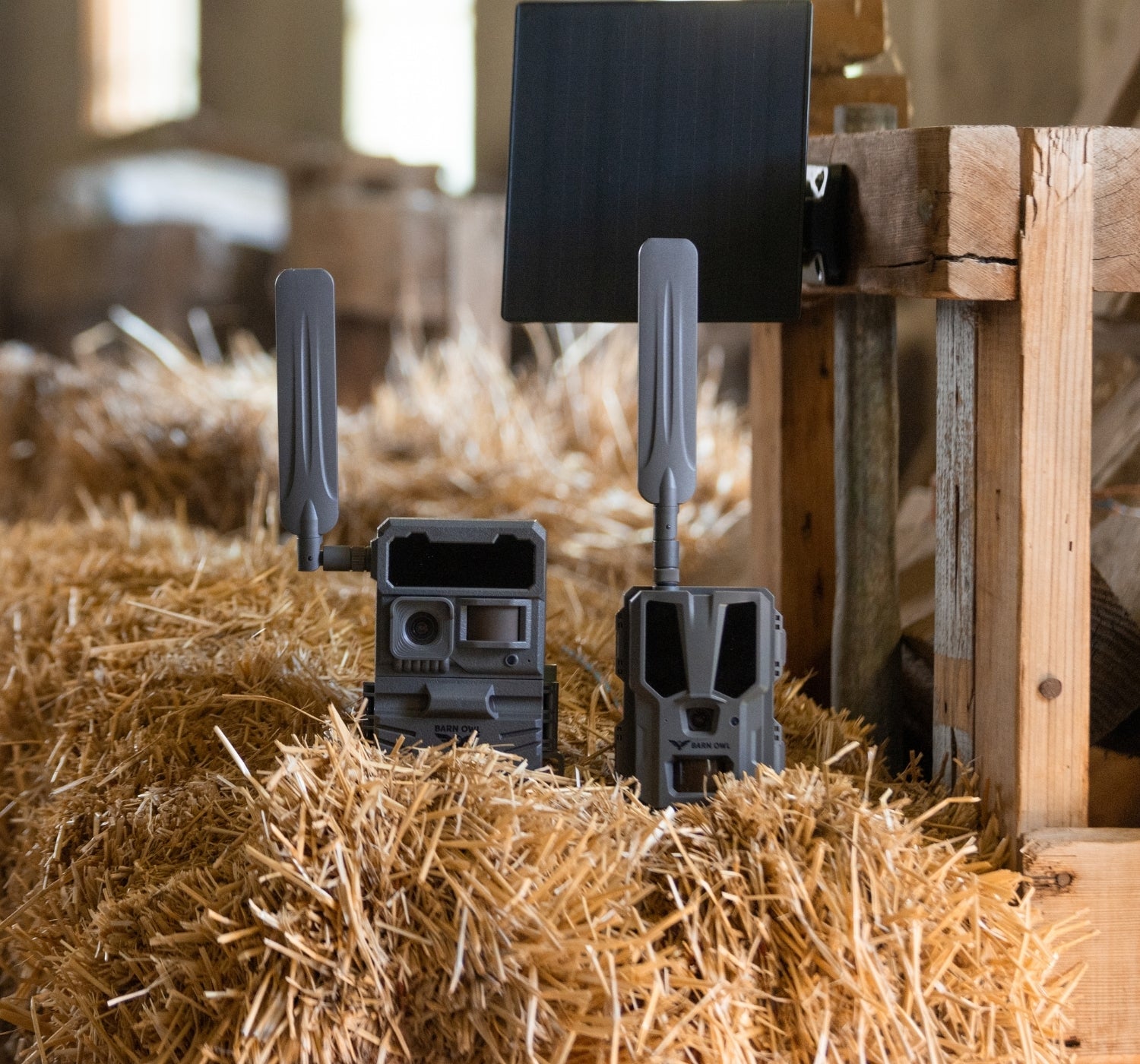
In the vast expanse of rural and commercial properties, maintaining security can be a daunting task. Traditional wired security systems often fall short, with their dependence on power outlets and complex installation processes.
Enter battery operated security cameras. These devices offer a smart solution, combining flexibility, efficiency, and advanced technology to meet the unique challenges of rural security.
Battery operated security cameras are not bound by the constraints of power outlets. This allows for strategic placement, even in the most remote corners of your property. They are wireless, enabling remote monitoring from the convenience of your smartphone or computer.
These cameras are designed to withstand the elements, making them ideal for outdoor use. They offer high-definition video quality, ensuring clear images for effective surveillance. Many models also feature night vision capabilities, providing round-the-clock security.
But the advantages don't stop there. Battery operated security cameras are easy to install and operate. They offer smart features like motion detection, two-way audio, and cloud storage options.
In this guide, we will delve into the world of battery-operated security cameras. We aim to simplify the technical jargon, presenting the benefits in a way that's easy to understand. Whether you're a tech novice or a seasoned pro, this guide will help you make an informed decision for your security needs.
So, let's explore the advantages of battery-operated security cameras and how they can revolutionize security in rural and commercial settings.
Understanding Battery Operated Security Cameras
Battery operated security cameras have become a vital tool in modern surveillance. Unlike traditional systems, these cameras function independently of fixed power sources, relying on batteries for operation. This independence is particularly useful in settings where access to electricity is limited or non-existent.
These cameras often feature built-in Wi-Fi or cellular capabilities, enabling seamless integration with smart devices. This allows users to monitor their property from anywhere, offering peace of mind whether you're on-site or miles away.
Understanding the key components of these cameras is essential to maximizing their use. Most come with high-definition lenses, night vision, and motion sensors. These features ensure that even in low-light conditions or when motion is detected, the camera captures clear and useful footage. Whether used for monitoring livestock or deterring trespassers, battery operated cameras offer a versatile and reliable solution for today's security challenges.
Why Choose Battery Operated Cameras for Agriculture?
Agriculture demands unique solutions when it comes to surveillance. Battery operated security cameras fit this niche perfectly. Their flexibility allows deployment in remote areas with ease.
These cameras are designed to meet the challenges faced by agriculture businesses. They're ideal for monitoring vast expanses of land where wired options are impractical or too costly. Plus, with wireless connectivity, you can oversee operations from your phone or computer.
Consider these compelling reasons to choose battery operated cameras for your agricultural needs:
Ease of Installation: Quickly set up cameras without professional help.
Portability: Move them as your surveillance needs change.
Cost-Effective: Avoid expensive wiring installations.
Extended Coverage: Equip areas far from power sources.
Moreover, battery-operated cameras ensure that surveillance continues during power outages. Some models even offer solar charging options. This further reduces the need for frequent battery replacements and ensures uninterrupted monitoring.
These cameras are an investment in both security and productivity. They help you manage your resources effectively, monitoring crops and livestock. With enhanced safety measures, you can deter unauthorized activity and protect your assets. In conclusion, battery operated security cameras provide a comprehensive and adaptable solution for agricultural security demands.
Key Features of Battery-Operated Security Cameras
Battery operated security cameras offer a range of features that make them ideal for diverse settings. Understanding these key aspects can help you optimize their use. Let's explore some of the standout characteristics that set these cameras apart.
Firstly, flexibility in placement allows you to install cameras wherever needed. Unlike wired cameras, you don't have to worry about proximity to power sources. This means you can achieve comprehensive coverage across your property.
Next, consider remote monitoring capabilities. With wireless connectivity, these cameras allow you to keep an eye on things from afar. Whether on your smartphone or computer, you can stay informed about your property's status at all times.
Enhanced battery life is another significant advantage. Many models support long-lasting batteries, reducing the need for frequent replacements. Additionally, solar options are available, providing an eco-friendly power solution.
The cameras also provide high-definition video and night vision. These features ensure that you get clear images, crucial for identifying intruders or monitoring livestock day and night. Night vision technology ensures visibility even in complete darkness.
Moreover, weather resistance and durability make these cameras suitable for various climates. Whether it's rain, snow, or extreme heat, robust designs ensure these cameras continue to function optimally.
Finally, they boast easy installation and come with user-friendly apps. You can set them up quickly without professional help, saving you time and money. Manage your cameras effortlessly through an intuitive interface and customize settings to suit your needs.
Flexibility in Placement
The absence of wires frees you from constraints. Place cameras in locations that need the most attention. This capability is crucial, especially in large agricultural fields. You can secure hard-to-reach areas, optimizing your property's security.
Moving cameras as needs change is simple. You can adjust their placement as you identify new security challenges. This adaptability ensures that your surveillance setup remains responsive and effective over time.
Remote Monitoring Capabilities
Remote access is a game-changer for property management. Battery operated cameras often connect to Wi-Fi or cellular providers, allowing real-time monitoring. This feature is perfect for checking on your property while you’re away.
Instant alerts and live streaming capabilities keep you informed. Should anything unusual occur, you receive an immediate notification. This prompt communication helps you respond quickly and effectively to any situation.
Enhanced Battery Life and Solar Options
Long-lasting batteries are fundamental for remote security cameras. They minimize maintenance needs and ensure continuous operation. Fewer battery changes translate to lower operating costs and greater convenience for you.
Solar options offer an excellent supplement. They harness renewable energy to extend battery life even further. This environmentally friendly approach reduces dependency on battery replacements and ensures uninterrupted monitoring.
High-Definition Video and Night Vision
Quality imaging is non-negotiable for effective surveillance. High-definition video delivers sharp and detailed footage, crucial for accurate monitoring. With clear visuals, identifying people or incidents becomes much easier.
Night vision enhances security by maintaining visibility after dark. Whether it’s dusk or midnight, this feature ensures 24-hour protection. For rural and agricultural properties, this round-the-clock vigilance is a vital requirement.
Weather Resistance and Durability
Weather-resistant cameras are built to withstand the elements. Designed for outdoor use, they thrive in harsh environments. Rain, wind, or extreme temperatures won’t impact their functionality.
This robustness ensures longevity. It translates to a reliable security solution that holds up under adverse conditions. Durability means peace of mind, knowing your cameras will continue to perform regardless of the weather.
Easy Installation and User-Friendly Apps
Ease of installation is a strong advantage of battery-operated cameras. Without the need for wiring, you can quickly deploy them where necessary. This simplicity saves time, and the costs associated with professional installations.
User-friendly apps enhance the experience further. They provide seamless control over your security system. With just a few taps, you can adjust settings, view live feeds, and manage your cameras with minimal effort.
Benefits of Battery-Operated Cameras in Rural Security
Battery operated security cameras are particularly beneficial for safeguarding rural properties. Their design caters to unique agricultural needs, providing a practical solution to security challenges. Below, we delve into the key benefits of using these cameras in rural settings.
First, these cameras offer 24/7 surveillance and motion detection, ensuring constant protection. They maintain vigilance throughout the day and night, automatically alerting you to any movements. This capability is essential for monitoring expansive areas without needing to be physically present.
Additionally, cost-effectiveness and low maintenance are appealing aspects. Battery operated cameras require minimal upkeep, making them ideal for locations where maintenance visits may be challenging. Their installation costs are lower than wired systems, offering economic advantages.
Integration with existing technology adds another layer of efficiency. Many of these cameras seamlessly integrate with farm management systems. This compatibility allows for comprehensive monitoring and control of your agricultural operations, enhancing productivity.
The flexibility and portability of battery-operated cameras are invaluable in rural areas. You can easily reposition them to adapt to changing security needs. This feature provides strategic coverage, accommodating seasonal activities and fluctuating risks.
Furthermore, these cameras often come with cloud storage options. Storing footage securely offsite protects it from potential damage or theft. This feature ensures that valuable data remains safe and accessible whenever needed.
In summary, battery operated cameras offer:
24/7 coverage with motion detection
Economic benefits through cost savings and low maintenance
Compatibility with farm management systems
Ease of installation and relocation
Safe data storage with cloud options
Collectively, these benefits enhance the safety and efficiency of managing rural properties.
24/7 Surveillance and Motion Detection
Uninterrupted monitoring is crucial for security in rural settings. Battery operated cameras provide constant surveillance, essential for deterring criminal activity. Motion detection technology enhances this by notifying you of any disturbances, improving response times.
These cameras efficiently use power by activating only when movement is detected. This not only saves battery life but ensures that you are only alerted to genuine activities. Around-the-clock vigilance allows peace of mind for property owners.
Cost-Effectiveness and Low Maintenance
One of the most significant advantages of battery-operated cameras is their affordability. They eliminate the need for costly electrical installations and wiring. This feature makes them a wise choice for budget-conscious agricultural businesses.
Maintenance is straightforward with these cameras. Their durable design reduces the frequency of repairs and replacements. The combination of low initial costs and minimal upkeep makes them a practical long-term investment for rural security.
Integration with Farm Management Systems
Battery operated security cameras offer excellent compatibility with modern farm management software. Integrating these cameras allows you to streamline operations and monitor activities from a centralized dashboard.
This integration enhances the efficiency of managing livestock, crops, and resources. It facilitates better decision-making by providing real-time insights into various aspects of your farm. Consequently, your security system becomes part of a holistic approach to property management.
Choosing the Right Battery-Operated Camera for Your Needs
Selecting the right battery-operated security camera involves evaluating several key factors. Tailoring your choice to specific needs ensures optimal performance and satisfaction.
Begin by considering your property's layout and security needs. Different cameras are designed to suit varied environments. Identifying the areas that require surveillance helps narrow down suitable options.
Features and performance must also align with your requirements. High-definition video quality, night vision, and weather resistance are important for effective monitoring. List down the features critical to your operations.
Moreover, balance the cost with the features offered. While some advanced models are pricier, their functionality could justify the investment. It's vital to weigh the benefits against the initial expense.
Here's a quick checklist to guide your selection:
Coverage Area: Determine camera range and field of view.
Weather Resistance: Choose a durable design for outdoor use.
Video Quality: Opt for HD cameras for clear images.
Battery Life: Consider power needs for long-term use.
Integrative Features: Look for compatibility with other systems.
By analyzing these factors, you enhance your property’s security while investing wisely.
Considerations for Camera Performance and Features
When exploring camera options, focus on performance indicators. Key attributes include resolution, sensor quality, and field of view. These factors determine how well the camera captures details.
Resolution is critical for clarity. For instance, HD cameras provide clear footage, enhancing the identification of intruders or animals. A higher resolution can mean better detail - but consider the storage implications.
Additionally, sensor quality affects image sharpness, particularly in low-light conditions. In rural settings, choose cameras with superior low-light sensors. This ensures clear nighttime surveillance for improved security.
Wide field of view allows broader coverage while a narrow view provides more detailed coverage of a specific area.
Assessing Battery Life and Power Options
Battery life directly impacts a camera’s effectiveness. Security cameras must remain operational between charges. Understanding your usage needs helps choose the right power setup.
Some cameras offer battery-saving features like motion-activated recording. This method conserves power by limiting recording to necessary instances. Consider whether such features align with your monitoring goals.
Explore the option of solar panels for extended power. Solar-compatible cameras reduce dependency on frequent charging. It’s a sustainable, practical choice for areas with ample sunlight.
Evaluating Storage and Connectivity Options
Storage capabilities are critical for maintaining a comprehensive security system. Options include cloud-based and local SD storage. Each has unique advantages and should align with your needs.
Cloud storage provides offsite data protection. It’s useful if theft or damage is a concern, ensuring footage remains secure. Local storage offers immediate access and avoids monthly fees.
Connectivity affects real-time monitoring potential. Wifi and cellular-enabled cameras facilitate remote monitoring via smartphones or computers. Reliable connectivity ensures seamless operation and instant alerts, crucial for effective security.
Why Choose Barn Owl Cameras for Your Security Needs?
Battery operated security cameras offer a flexible solution for modern surveillance needs. They eliminate the constraints of traditional wired systems. This makes them ideal for various settings, from homes to rural properties.
Among the best options on the market are Barn Owl cameras. These innovative devices combine cutting-edge technology with user-friendly features. They provide reliable security while ensuring ease of installation and operation. With the ability to utilize solar panels with a backup battery source, Barn Owl cameras ensure your camera is operating 24/7.
For more information Barn Owl Cameras, please visit www.barnowl.tech
Best Practices for Maximizing Your Camera's Potential
To ensure your battery-operated security camera performs at its best, adopt certain practices. These strategies enhance functionality and prolong the lifespan of your device.
Regular testing and maintenance should be integral to your security routine. This not only ensures cameras work properly but also helps identify potential issues early.
Additionally, keeping firmware updated boosts both the performance and security of your cameras. It helps protect your surveillance system from vulnerabilities.
Consider the surrounding environment in your setup for optimal performance. This might include adjusting placement to accommodate lighting changes or ensuring a clear field of view.
Here's a list of essential practices:
Schedule Routine Checks: Inspect cameras for damage or misalignment.
Replace Batteries Regularly: Ensure cameras don’t unexpectedly lose power.
Adjust Settings Seasonally: Adapt to environmental changes impacting performance.
Ensure Secure Mounting: Prevent tampering or accidental damage.
Implementing these practices contributes to a more robust and reliable security system.
Regular Testing and Maintenance
Regular testing is crucial for early detection of faults in your surveillance system. A periodic assessment confirms that all components are functioning properly. It helps avoid unexpected failures or lapses in coverage.
Maintenance ensures that cameras stay in good working order. Clean lenses and check all connections for weather exposure effects. Ongoing maintenance prevents potential problems and boosts camera longevity.
Firmware Updates and Cybersecurity
Firmware updates are essential for keeping your camera’s software current. Manufacturers often release updates to patch vulnerabilities. Regular installations ensure the system stays secure against potential threats.
Cybersecurity is vital in safeguarding your surveillance data. Strong passwords and encrypted connections protect against unauthorized access. Implementing these measures maintains the integrity and privacy of your security footage.
Conclusion and Call to Action
In conclusion, battery operated security cameras offer a versatile and efficient solution for monitoring rural properties. Their flexibility, ease of use, and advanced features make them an ideal choice for agriculture business owners seeking to enhance safety and productivity.
Consider investing in a high-quality battery powered surveillance system, such as the camera bundles provided by Barn Owl, today. Enhance your property’s security, gain peace of mind, and safeguard your operations. Evaluate your specific needs and choose a system that aligns with your requirements. Don't wait; take the proactive step to secure your assets and ensure a safer business environment now.
Next up: How to Choose the Right Battery Camera