Welcome to the Barn Owl Learning Center

Since our founding in 2017, Barn Owl has become a leader in providing security, real-time insight, operational efficiency and peace of mind across rural America. Our team of experts has build an in-depth knowledge base designed to answer your questions across industries and challenges. Browse our content below by key topic or by blog post date.

Key Topics Users Find Most Helpful

Barn Owl Blog

Barn Owl's team of experts have amassed decades of insights and knowledge into a series of helpful articles. Browse the latest news and posts below, including by topic tag.

Barn Owl Cameras: A Vital Tool in Predator Detection for Livestock Protection

Barn Owl Blog

Barn Owl Cameras: A Vital Tool in Predator Detection for Livestock Protection

by on Apr 15 2025
In the realm of livestock management, early detection of predators is crucial to prevent potential losses. Barn Owl cameras have emerged as an effective solution, enabling ranchers and farmers to monitor their properties in real-time and respond promptly to threats. Real-Time Monitoring Enhances Security Barn Owl cameras offer off-grid surveillance capabilities, transmitting high-quality images and videos directly to users' devices without the need for Wi-Fi or external power sources. This technology allows for continuous monitoring of remote areas, ensuring that any unusual activity is promptly detected. Success Stories from the Field Users have reported significant benefits from deploying Barn Owl cameras. For instance, one customer recounted how the camera's motion-triggered alerts enabled them to identify and address a predator threat before any livestock were harmed. Such proactive measures have saved countless hours and resources that would have been spent on manual checks. Key Features Supporting Livestock Protection Motion-Triggered Alerts: Immediate notifications when movement is detected, allowing for swift action. High-Quality Imaging: Clear photos and videos facilitate accurate identification of potential threats. Off-Grid Functionality: Operates without reliance on traditional power or internet sources, ideal for remote locations. Customizable Settings: Users can tailor alert sensitivities and monitoring schedules to suit specific needs. Implementing Barn Owl cameras as part of a comprehensive livestock protection strategy offers peace of mind and tangible benefits. By enabling early detection of predators, these cameras help safeguard livestock, reduce losses, and enhance overall operational efficiency. For more information on how Barn Owl cameras can support your livestock management efforts, visit Barn Owl Tech.
Pasture Management: What Is the Best Grazing Plan for You?

Barn Owl Blog

Pasture Management: What Is the Best Grazing Plan for You?

by on Apr 15 2025
Effective pasture management is crucial for maintaining healthy livestock, optimizing forage production, and ensuring the sustainability of your land. A well-structured grazing plan serves as a roadmap to achieve these goals by balancing animal needs with pasture health. Incorporating modern tools like Barn Owl cameras can further enhance your management practices by providing real-time insights into your pasture conditions. Understanding Grazing Plans A grazing plan is a comprehensive strategy that outlines how livestock will be managed on pastureland to achieve specific objectives, such as improving forage quality, preventing overgrazing, and maintaining soil health. It includes decisions on grazing systems, stocking rates, rotation schedules, and rest periods for pastures. According to the University of Minnesota Extension, designing a grazing plan is the first step in your pasture management system, allowing for the full use of available resources and guiding management improvements. Stocking rate refers to the number of animals grazing on a specific area of land over a defined period. It's typically expressed as animal units per acre or hectare. Determining the appropriate stocking rate is crucial for balancing livestock needs with pasture health. Overstocking can lead to overgrazing, soil degradation, and reduced forage availability, while understocking may result in underutilized resources and economic inefficiency. Therefore, assessing and adjusting stocking rates based on pasture conditions, forage availability, and livestock requirements is essential for sustainable pasture management. Types of Grazing Systems Selecting the appropriate grazing system is vital for the success of your grazing plan. Common systems include: Continuous Grazing: Livestock graze a specific area without rotation. While simple, it can lead to overgrazing if not managed carefully. Rotational Grazing: Pasture is divided into sections, and livestock are moved periodically to allow forage regrowth. This system promotes pasture recovery and can improve forage utilization. Mob Grazing: High-density grazing for short durations, followed by extended rest periods, mimicking natural grazing patterns to enhance soil health and forage diversity.  Each system has its advantages and challenges, and the choice depends on factors like land size, forage types, and livestock needs.  Enhancing Pasture Management with Barn Owl Cameras Integrating technology into pasture management can provide significant benefits. Barn Owl cameras offer remote monitoring capabilities that allow you to: Monitor Pasture Conditions: Keep an eye on forage growth, water sources, and fence integrity without being physically present. Track Livestock Movement: Observe grazing patterns and ensure even pasture utilization, which is essential for preventing overgrazing and promoting regrowth. Respond to Issues Promptly: Receive real-time alerts about potential problems, such as livestock breaches or equipment failures, enabling quick action to mitigate damage. Barn Owl cameras help improve pasture management and logistics by providing visual confirmation when needed, anywhere and anytime.  Conclusion Developing a tailored grazing plan is fundamental to effective pasture management. By understanding different grazing systems and incorporating tools like Barn Owl cameras, you can make informed decisions that promote pasture health, enhance livestock productivity, and ensure the sustainability of your farming operations. For more information on how Barn Owl cameras can support your pasture management goals, visit barnowl.tech. Up next: Rotational Grazing: What Is It And What Are The Pros and Cons?
An Introduction to Pasture Management

Barn Owl Blog

An Introduction to Pasture Management

by on Apr 08 2025
Pasture management is a fundamental practice for livestock farmers and ranchers, focusing on the cultivation and maintenance of healthy grazing lands. Effective management ensures that pastures provide nutritious forage for animals, promote soil health, and support sustainable agricultural operations. Key Components of Pasture Management Soil Health: Regular soil testing is crucial to assess nutrient levels and pH balance. Maintaining optimal soil conditions supports robust plant growth and enhances forage quality. Forage Selection: Choosing appropriate grass and legume species suited to the local climate and soil conditions ensures a consistent and nutritious food source for livestock. Grazing Practices: Implementing controlled grazing methods, such as rotational grazing, allows pasture sections to rest and regenerate, preventing overgrazing and promoting plant diversity. Weed and Pest Control: Managing invasive species and pests is essential to prevent them from outcompeting desirable forage plants and to maintain pasture productivity. Water Management: Ensuring adequate water supply and proper drainage supports plant health and prevents issues like soil erosion. Benefits of Effective Pasture Management Improved Livestock Health: Access to high-quality forage enhances animal nutrition, leading to better weight gain and overall health. Sustainable Land Use: Proper management practices maintain soil fertility and structure, reducing the need for chemical inputs and preserving the land for future use. Economic Efficiency: Healthy pastures reduce feed costs and can increase farm profitability by maximizing the use of on-farm resources. For those new to livestock farming, understanding and implementing pasture management practices is vital. By focusing on soil health, appropriate forage, and controlled grazing, farmers can create a sustainable and productive environment for their livestock. Enhancing Pasture Management with Barn Owl Cameras Integrating technology into pasture management can significantly improve monitoring and decision-making processes. Barn Owl's cellular-connected cameras offer a versatile solution for ranchers and farmers aiming to enhance their pasture management practices. Remote Monitoring: Barn Owl cameras enable real-time observation of pastures, livestock, and infrastructure from any location. This capability reduces the need for frequent physical inspections, saving time and resources. Improved Livestock Oversight: By strategically placing cameras near water sources, feeding areas, and calving pens, ranchers can monitor animal behavior, health, and safety more effectively. Early detection of issues such as illness or injury allows for prompt intervention. Enhanced Security: Continuous surveillance of equipment and property helps deter theft and vandalism. The presence of cameras can act as a preventive measure, while recorded footage can assist in investigations if incidents occur. Data-Driven Decisions: Consistent visual records support better assessment of pasture conditions, forage utilization, and the effectiveness of management strategies. This information aids in making informed adjustments to grazing plans and resource allocation. Implementing Barn Owl cameras as part of a comprehensive pasture management plan empowers farmers and ranchers to maintain healthier pastures, ensure livestock well-being, and optimize operational efficiency. For more information on current bundles and discounts, visit www.barnowl.tech  Up next: Pasture Management: What Is the Best Grazing Plan for You?
Legal Considerations for Spy Camera Use

Barn Owl Blog

Legal Considerations for Spy Camera Use

by on Apr 04 2025
In the realm of agricultural business, security is paramount. The vast expanse of rural properties can be challenging to monitor effectively. Enter the battery-powered spy camera. This compact, discreet device offers a solution to the problem, providing remote surveillance capabilities. However, the use of such technology is not without legal considerations. It's crucial to understand the legal landscape surrounding spy cameras before installation. This article aims to guide you through these legal aspects. It will also delve into the benefits and features of battery-powered spy cameras, particularly for rural and commercial applications. By the end, you'll have a comprehensive understanding of how to leverage these devices for enhanced security and productivity, all while staying within the bounds of the law. Let's embark on this journey to secure your agricultural business, legally and efficiently. Understanding the Legal Landscape of Spy Camera Usage The use of spy cameras is governed by various federal and state laws. These laws are designed to protect privacy while allowing for necessary surveillance. Knowledge of these regulations is essential for property and business owners. It ensures that monitoring devices are used legally and ethically on their properties. Different states have varying requirements for consent and notification. It's crucial to understand local laws where your business operates to avoid legal pitfalls. Consulting legal experts can provide clarity and compliance assurance. The Importance of Consent in Surveillance Obtaining consent is a crucial step in legal surveillance. It involves informing individuals that they may be monitored and recording their agreement. Without proper consent, the use of spy cameras can lead to legal repercussions. It may infringe on privacy rights, resulting in fines or litigation. Written consent is often required to ensure clarity and legality. This process reinforces transparency and trust, protecting both the business and its employees. Privacy Laws and Battery-Powered Spy Cameras Privacy laws vary by region and influence how spy cameras can be used. These laws dictate where and how cameras can be installed. Understanding these regulations is essential. Ignoring them can result in hefty penalties and damage to reputation. It is important to stay informed. Compliance ensures not only legal operation but also respects individuals' privacy rights. For a listing of surveillance laws by state, please go to: Video Surveillance Laws by State Advantages of Battery-Powered Spy Cameras for Rural Security Battery-powered spy cameras are ideal for rural security. These cameras offer flexibility where power access is limited. Their installation is straightforward, requiring no extensive wiring. This feature simplifies setup in remote locations. Another benefit is their discreet nature. Small and inconspicuous, they allow for covert monitoring. For agriculture businesses, this helps protect assets while remaining unobtrusive to daily operations. The portability of these cameras ensures they can be moved and repositioned easily as needs change. Key Features to Look for in a Spy Camera Choosing the right spy camera involves understanding key features. Focus on the specifications that enhance security and functionality. Consider these essential features to maximize effectiveness: Battery Life: Look for cameras with extended battery life for longer monitoring sessions. Storage Options: Opt for cameras with SD card slots for easy data retrieval. Night Vision: Ensure the camera includes night vision for 24-hour surveillance. Motion Detection: Select devices with motion detection to trigger recording and save power. These features collectively offer a robust surveillance solution. They provide peace of mind and maintain security in rural environments. Choosing wisely ensures both privacy and lawful compliance. Why Barn Owl Cameras Are an Excellent Spy Camera Option When it comes to selecting the best surveillance equipment, Barn Owl cameras stand out as a top choice for agricultural businesses and rural environments. These advanced devices combine cutting-edge technology with practical features tailored to meet the unique needs of monitoring vast properties. Key Features of Barn Owl Cameras Discreet Design: Barn Owl cameras boast a sleek and inconspicuous design, allowing them to blend seamlessly into their surroundings. This discreet nature makes them ideal for covert monitoring without drawing attention. Long Battery Life: Designed for extended use, Barn Owl cameras come equipped with powerful batteries that support all-day surveillance. You can monitor your property around the clock without constantly changing batteries. High-Quality Video: With high-definition video capabilities, Barn Owl cameras capture crisp and clear images, even in low-light conditions. This feature ensures that every detail is recorded, giving you peace of mind about your security efforts. Remote Access: Barn Owl models offer cloud storage and remote access options. This means you can view live footage and recorded videos from anywhere using your smartphone, enhancing security and convenience. Motion Detection: Equipped with advanced motion detection technology, Barn Owl cameras start recording automatically upon sensing movement. This feature not only saves battery life but also ensures that you never miss critical events. The Perfect Fit for Agricultural Surveillance Barn Owl cameras specifically cater to the needs of agriculture and rural settings, making them an exceptional choice for farm owners seeking reliable surveillance. Their robust features enhance monitoring capabilities, allowing for better protection of assets and livestock. Additionally, the installation of Barn Owl cameras is straightforward, requiring minimal setup time, which is crucial for busy agricultural operations. By investing in these high-quality spy cameras, you ensure not just security but also compliance with the legal and ethical standards necessary for surveillance. In summary, Barn Owl cameras represent an excellent option for anyone looking to implement effective, efficient, and discreet surveillance in rural areas, making your agricultural business more secure while adhering to legal guidelines. Maximizing Battery Life for Effective Remote Monitoring Efficient battery management is crucial for spy cameras used in remote areas. Long-lasting batteries reduce the need for frequent replacements, saving time and resources. Advanced battery technologies offer extended life, supporting continuous surveillance without interruption. Consider cameras with energy-efficient designs that prioritize power conservation. Regular maintenance can further enhance battery performance. Clean the camera and check settings to ensure optimal functionality, maximizing operational efficiency. By carefully selecting and maintaining battery-powered spy cameras, agriculture business owners can ensure reliable and effective remote monitoring of their properties. Storage Solutions: SD Cards and Cloud Services Efficient data storage is critical for spy camera efficacy. SD cards offer a simple, local solution for capturing footage. With varying capacities, you can choose a size that best matches your surveillance needs, ensuring all important moments are recorded. Alternatively, cloud services provide additional advantages. They offer remote access to footage anytime, which enhances usability. Moreover, cloud storage can safeguard against data loss in case physical devices are damaged or stolen. For maximum flexibility, consider cameras supporting both SD card and cloud options. This dual-storage system allows quick access to recent footage while ensuring long-term data safety. This comprehensive approach optimizes surveillance and keeps operations secure. Ethical Considerations and Employee Trust Ethical considerations play a huge role in using spy cameras, especially on agricultural properties. While technology can enhance security, it also impacts employee trust. Open communication is crucial. Inform your employees about the presence of surveillance cameras to maintain transparency and build trust. Hidden monitoring without consent can create an atmosphere of distrust and resentment. Clear policies and respect for privacy are essential. Balance your security measures with respect for personal boundaries. This approach not only maintains ethical standards but also fosters a supportive and transparent work environment. Enhancing Farm Productivity with Smart Surveillance Smart surveillance offers substantial benefits for farm productivity. Continuous monitoring can prevent loss and enhance operational efficiency, especially in remote areas. By integrating spy cameras with other smart devices, farm owners can gain valuable insights. This can lead to improved resource management and timely decision-making. In turn, these enhancements can boost overall productivity and profitability.
Best Practices for Using Hidden Cameras

Barn Owl Blog

Best Practices for Using Hidden Cameras

by on Apr 04 2025
In the vast expanse of rural and commercial agriculture, maintaining security can be a daunting task. Hidden cameras, with their discreet presence and advanced features, can be a game-changer. These security cameras can monitor extensive properties, safeguarding your assets and ensuring peace of mind. They can detect unauthorized access, keep an eye on livestock, and even enhance productivity by monitoring operations. But how do you choose the right hidden camera for your needs? And once you've made your choice, where can you buy these secret cameras? This guide will simplify these complex questions. We'll delve into the world of hidden cameras, exploring their features, uses, and best practices. Whether you're tech-savvy or not, this guide will help you understand how to leverage these smart security solutions for your agricultural business. Let's embark on this journey to enhance your farm's safety and productivity with hidden cameras. Understanding Hidden Cameras and Their Uses in Agriculture Hidden cameras are essential tools in modern agriculture. They provide surveillance discreetly and without intruding on daily operations. These cameras can blend seamlessly into any environment, making them perfect for various farm settings. Their small size allows for flexibility in placement. In agriculture, hidden cameras are more than just security devices. They help monitor livestock and prevent theft of valuable equipment. They provide insights into daily operations, allowing owners to optimize processes. There are several compelling reasons to use hidden cameras on farms: Discreet monitoring for theft prevention Enhancing animal welfare by observing behaviors Monitoring worker productivity and operations Understanding their function and benefits helps optimize their use in your agricultural business. Selecting the right cameras ensures they meet your specific needs. What Are Hidden Cameras? Hidden cameras, also known as spy or covert cameras, are designed to capture video without being detected.  Technology in hidden cameras has advanced significantly. They now feature high-resolution video, night vision, and motion detection. These features make them ideal for a variety of monitoring tasks, both indoors and outdoors. This adaptability is why they are increasingly popular in agricultural settings. The Role of Hidden Cameras in Farm Security On farms, hidden cameras serve multiple crucial roles. They act as silent sentinels, always vigilant and recording any unauthorized activities. This constant monitoring can help deter potential intruders who pose threats to your assets. Moreover, hidden cameras provide valuable insights into the daily workings of your farm. By reviewing footage, you can identify bottlenecks in operations and improve productivity. They also help ensure the welfare of animals by monitoring their environment and behaviors. Utilizing hidden cameras wisely enhances both security and efficiency on your farm. Selecting the Right Hidden Camera for Your Needs Choosing the correct hidden camera for your farm involves assessing various factors. It's crucial to align the camera's capabilities with your specific monitoring needs. Different scenarios demand different camera features and specifications. Firstly, consider the environment where the camera will be used. Indoor or outdoor settings might require different types of cameras. Think about exposure to weather and lighting conditions. Next, evaluate the area you want to monitor. Larger spaces might need cameras with a wider field of view. Ease of installation and operation is another essential aspect. Some cameras can be self-installed with simple instructions. Others might require professional help, especially if you need complex integration with existing systems. Wireless cameras offer flexibility in placement without cumbersome wiring. Here's a quick checklist to guide you: Indoor vs. outdoor suitability Field of view and range Ease of installation Integration capabilities with other systems Finally, consider your budget. Ensure the camera offers value with its blend of features and durability. Investing wisely in high-quality cameras can provide long-term peace of mind. Key Features to Look For When selecting a hidden camera, look for specific features that enhance its functionality. High-resolution video is crucial for capturing clear footage. It ensures you won't miss essential details. Night vision is another critical feature, especially if you monitor areas after dark. Battery life is also important. Longer battery life ensures continuous monitoring without frequent interruptions. Cameras with motion detection activate only when movement is detected. This helps conserve battery and storage space. Consider cameras with wireless capabilities for ease of installation. Wireless cameras reduce the hassle of wiring. Cameras with cloud storage options allow you to access footage remotely. This feature is invaluable for immediate access and backup in case of theft or damage. Installation and Placement Strategies Proper installation and placement of hidden cameras are crucial for effective surveillance. A strategically placed camera captures crucial details while staying discreet. Start by identifying high-risk areas around your property that require monitoring. Consider entry points, such as gates and doors, which are common targets for unauthorized access. Also, focus on areas where valuable equipment or livestock is stored. The goal is to maximize visibility without compromising the camera's hidden nature. Avoid placing cameras in direct sunlight, which can hinder image quality. Here's a quick checklist for an efficient setup: Identify high-risk zones Avoid direct exposure to sunlight Maximize visibility Remember to angle cameras downward for a broader view of the area. This helps in capturing both faces and activities of intruders or trespassers. Ensure cameras have a stable power source or are fully charged. This is essential for continuous operation. Best Practices for Camera Placement When placing cameras, aim to cover all vulnerable spots without them being conspicuous.  Ensure that the camera lens has an unobstructed view of the surveillance area. Placement too high or too low may limit the scope of visibility. Striking the right balance between coverage and stealth is the key to effective security monitoring. Ensuring Optimal Performance To maintain optimal performance, conduct regular checks and maintenance. Verify that the footage remains clear and settings are accurate. Regular cleaning of the camera lens is essential to avoid dirt build-up, which can cloud images. Test the camera's motion detection by simulating movement. This allows you to confirm the camera activates appropriately and that alerts are functioning. Ensure that the system's software is up to date to avoid technical glitches. By following these steps, you can ensure your hidden cameras operate efficiently to protect your farm. Legal Considerations and Ethical Use Understanding legal considerations is fundamental when using hidden cameras. Surveillance can be sensitive, especially on private properties. It's vital to comply with privacy laws to avoid legal repercussions. Countries and regions have specific regulations governing hidden camera use. Familiarize yourself with these laws to ensure compliance. This includes obtaining necessary permits if required by law. Ethical use of hidden cameras is equally important. Consider the moral implications of monitoring individuals without their explicit consent. Respect personal privacy while pursuing enhanced security. Privacy Laws and Surveillance Ethics Privacy laws vary, but they generally restrict recording in personal and private spaces. Ensure you understand the specific legal guidelines in your area before installation. Ignoring these laws can lead to lawsuits or penalties. Equally, surveillance ethics demand respect and responsibility. Hidden cameras should enhance security, not invade privacy. Conduct surveillance with the intent to protect rather than violate others' rights. Transparency with Employees and Family Transparency about surveillance helps maintain trust. Inform employees and family about the presence of cameras and their purpose. This openness prevents misunderstandings and fosters a culture of mutual respect and security awareness. Maintaining and Upgrading Your Hidden Camera System Regular maintenance and timely upgrades are key to a reliable surveillance system. Proper upkeep ensures continuous security and optimal performance. Neglecting routine checks can lead to undetected system failures. Hidden cameras should not only be maintained but also advanced with technology. Staying ahead of potential security threats is crucial for long-term property protection. New features and updates can enhance your system's capabilities significantly. Consider creating a maintenance schedule that includes camera testing and software updates. A proactive approach minimizes downtime and addresses issues before they become major problems. Your surveillance system is only as strong as its weakest link. Key Maintenance and Upgrade Practices: Regularly clean camera lenses for clear images. Check and replace batteries if required. Update firmware to fix bugs and enhance features. Test motion sensors for accurate detection. Evaluate storage capacity and back up important footage. Routine Checks and Maintenance Routine checks are the backbone of a dependable security system. Regular inspections ensure that hidden cameras function without interruption. These checks can identify potential problems early, allowing for quick fixes. Focus on assessing the physical condition of your cameras first. Check connections, mounts, and lenses for any signs of wear or damage. These small maintenance tasks can significantly extend the lifespan of your security equipment. Enhancing Farm Operations with Hidden Cameras Integrating hidden cameras into your farm operations can revolutionize how you manage your property. They serve as more than security tools; they are instruments for operational efficiency. Whether monitoring livestock, tracking equipment use, or ensuring employee productivity, hidden cameras offer insights that drive smarter decisions. These cameras can keep an eye on areas that might otherwise go unnoticed. By ensuring continuous observation, you can catch inefficiencies early. Addressing these issues promptly can lead to substantial savings in time and resources, boosting your overall productivity. Incorporating cameras strategically within your farming operations provides a comprehensive picture of daily activities. This continuous feedback loop helps identify patterns and anomalies, facilitating proactive management. Over time, this information can contribute significantly to optimizing processes and enhancing yield. Monitoring for Efficiency and Productivity Hidden cameras allow you to assess farm workflows critically. By monitoring key areas, you can evaluate labor effectiveness and process efficiency. This can lead to recognizing unnecessary steps, refining operations, and deploying your workforce more strategically. Moreover, cameras help in ensuring that equipment is used properly and efficiently. Any deviation or misuse can be quickly identified and corrected. This not only protects your investment but also extends the lifespan of your equipment, reducing downtime and maintenance costs. Integrating with Smart Farm Technologies Pairing hidden cameras with smart farm technologies creates a robust ecosystem. It allows for seamless data integration and enhanced control over operations. This synergy supports a smarter, data-driven approach to farming that optimizes both productivity and security. Barn Owl Cameras: A Fantastic Solution for Hidden Monitoring in Rural Settings In the pursuit of enhanced security and monitoring in rural environments, Barn Owl cameras emerge as a leading solution. These specialized cameras are designed to provide discreet yet effective surveillance, making them an excellent choice for farmers and property owners. Unique Features of Barn Owl Cameras Barn Owl cameras boast advanced technology tailored for rural applications. They offer high-resolution video quality, ensuring clear imagery even in low-light conditions, which is essential for nighttime monitoring.  Moreover, Barn Owl cameras are equipped with motion detection capabilities that alert you instantly to any unusual activity. This feature not only helps safeguard your property but also minimizes the risk of theft and damage to your assets. Benefits for Agricultural Settings The benefits of using Barn Owl cameras extend beyond mere security. These cameras provide invaluable insights into daily operations on the farm. By monitoring livestock behavior, farmers can ensure animal welfare and identify any health issues early on. Additionally, Barn Owl cameras help track equipment usage, ensuring that all tools are utilized efficiently and reducing the likelihood of misuse. This intelligence contributes to optimizing productivity and enhances overall farm management. By choosing Barn Owl cameras, you not only invest in a reliable surveillance system but also gain a partner in maximizing your farm's efficiency and security. Experience peace of mind and protect your investments with this cutting-edge solution tailored specifically for rural settings. Take the Next Step Explore the innovative features of Barn Owl cameras today and transform how you monitor your agricultural operations. Whether you're safeguarding livestock or keeping an eye on equipment, these cameras offer the perfect balance of visibility and discretion. Secure your rural property with Barn Owl cameras – the intelligent choice for hidden monitoring! To learn more about Barn Owl cameras, please visit www.barnowl.tech Conclusion and Call to Action Incorporating hidden cameras into your agricultural operations can significantly enhance security and productivity. With the right selection, strategic placement, and conscientious use, these devices can offer peace of mind and operational insights. They provide a much-needed safeguard against both security threats and inefficiencies. To reap these benefits, it's crucial to choose cameras that match your specific needs. Think about key features and ethical considerations while shopping. Take the next step today toward securing and optimizing your farm with technology that you can trust.
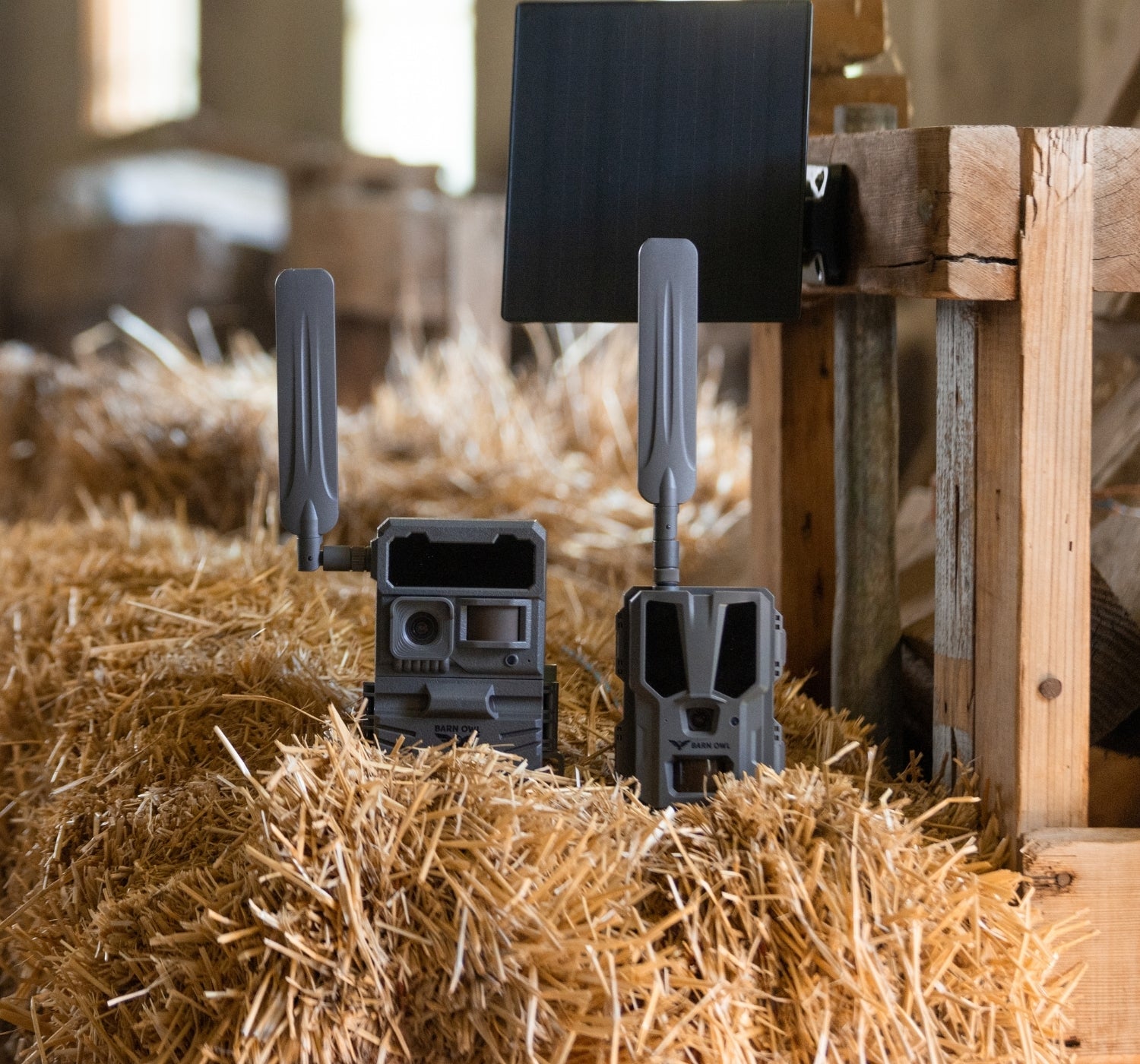
Advantages of Battery-Operated Security Cameras

Barn Owl Blog

Advantages of Battery-Operated Security Cameras

by on Apr 04 2025
In the vast expanse of rural and commercial properties, maintaining security can be a daunting task. Traditional wired security systems often fall short, with their dependence on power outlets and complex installation processes. Enter battery operated security cameras. These devices offer a smart solution, combining flexibility, efficiency, and advanced technology to meet the unique challenges of rural security. Battery operated security cameras are not bound by the constraints of power outlets. This allows for strategic placement, even in the most remote corners of your property. They are wireless, enabling remote monitoring from the convenience of your smartphone or computer. These cameras are designed to withstand the elements, making them ideal for outdoor use. They offer high-definition video quality, ensuring clear images for effective surveillance. Many models also feature night vision capabilities, providing round-the-clock security. But the advantages don't stop there. Battery operated security cameras are easy to install and operate. They offer smart features like motion detection, two-way audio, and cloud storage options. In this guide, we will delve into the world of battery-operated security cameras. We aim to simplify the technical jargon, presenting the benefits in a way that's easy to understand. Whether you're a tech novice or a seasoned pro, this guide will help you make an informed decision for your security needs. So, let's explore the advantages of battery-operated security cameras and how they can revolutionize security in rural and commercial settings. Understanding Battery Operated Security Cameras Battery operated security cameras have become a vital tool in modern surveillance. Unlike traditional systems, these cameras function independently of fixed power sources, relying on batteries for operation. This independence is particularly useful in settings where access to electricity is limited or non-existent. These cameras often feature built-in Wi-Fi or cellular capabilities, enabling seamless integration with smart devices. This allows users to monitor their property from anywhere, offering peace of mind whether you're on-site or miles away. Understanding the key components of these cameras is essential to maximizing their use. Most come with high-definition lenses, night vision, and motion sensors. These features ensure that even in low-light conditions or when motion is detected, the camera captures clear and useful footage. Whether used for monitoring livestock or deterring trespassers, battery operated cameras offer a versatile and reliable solution for today's security challenges. Why Choose Battery Operated Cameras for Agriculture? Agriculture demands unique solutions when it comes to surveillance. Battery operated security cameras fit this niche perfectly. Their flexibility allows deployment in remote areas with ease.  These cameras are designed to meet the challenges faced by agriculture businesses. They're ideal for monitoring vast expanses of land where wired options are impractical or too costly. Plus, with wireless connectivity, you can oversee operations from your phone or computer. Consider these compelling reasons to choose battery operated cameras for your agricultural needs: Ease of Installation: Quickly set up cameras without professional help. Portability: Move them as your surveillance needs change. Cost-Effective: Avoid expensive wiring installations. Extended Coverage: Equip areas far from power sources. Moreover, battery-operated cameras ensure that surveillance continues during power outages. Some models even offer solar charging options. This further reduces the need for frequent battery replacements and ensures uninterrupted monitoring. These cameras are an investment in both security and productivity. They help you manage your resources effectively, monitoring crops and livestock. With enhanced safety measures, you can deter unauthorized activity and protect your assets. In conclusion, battery operated security cameras provide a comprehensive and adaptable solution for agricultural security demands. Key Features of Battery-Operated Security Cameras Battery operated security cameras offer a range of features that make them ideal for diverse settings. Understanding these key aspects can help you optimize their use. Let's explore some of the standout characteristics that set these cameras apart. Firstly, flexibility in placement allows you to install cameras wherever needed. Unlike wired cameras, you don't have to worry about proximity to power sources. This means you can achieve comprehensive coverage across your property. Next, consider remote monitoring capabilities. With wireless connectivity, these cameras allow you to keep an eye on things from afar. Whether on your smartphone or computer, you can stay informed about your property's status at all times. Enhanced battery life is another significant advantage. Many models support long-lasting batteries, reducing the need for frequent replacements. Additionally, solar options are available, providing an eco-friendly power solution. The cameras also provide high-definition video and night vision. These features ensure that you get clear images, crucial for identifying intruders or monitoring livestock day and night. Night vision technology ensures visibility even in complete darkness. Moreover, weather resistance and durability make these cameras suitable for various climates. Whether it's rain, snow, or extreme heat, robust designs ensure these cameras continue to function optimally. Finally, they boast easy installation and come with user-friendly apps. You can set them up quickly without professional help, saving you time and money. Manage your cameras effortlessly through an intuitive interface and customize settings to suit your needs. Flexibility in Placement The absence of wires frees you from constraints. Place cameras in locations that need the most attention. This capability is crucial, especially in large agricultural fields. You can secure hard-to-reach areas, optimizing your property's security. Moving cameras as needs change is simple. You can adjust their placement as you identify new security challenges. This adaptability ensures that your surveillance setup remains responsive and effective over time. Remote Monitoring Capabilities Remote access is a game-changer for property management. Battery operated cameras often connect to Wi-Fi or cellular providers, allowing real-time monitoring. This feature is perfect for checking on your property while you’re away. Instant alerts and live streaming capabilities keep you informed. Should anything unusual occur, you receive an immediate notification. This prompt communication helps you respond quickly and effectively to any situation. Enhanced Battery Life and Solar Options Long-lasting batteries are fundamental for remote security cameras. They minimize maintenance needs and ensure continuous operation. Fewer battery changes translate to lower operating costs and greater convenience for you. Solar options offer an excellent supplement. They harness renewable energy to extend battery life even further. This environmentally friendly approach reduces dependency on battery replacements and ensures uninterrupted monitoring. High-Definition Video and Night Vision Quality imaging is non-negotiable for effective surveillance. High-definition video delivers sharp and detailed footage, crucial for accurate monitoring. With clear visuals, identifying people or incidents becomes much easier. Night vision enhances security by maintaining visibility after dark. Whether it’s dusk or midnight, this feature ensures 24-hour protection. For rural and agricultural properties, this round-the-clock vigilance is a vital requirement. Weather Resistance and Durability Weather-resistant cameras are built to withstand the elements. Designed for outdoor use, they thrive in harsh environments. Rain, wind, or extreme temperatures won’t impact their functionality. This robustness ensures longevity. It translates to a reliable security solution that holds up under adverse conditions. Durability means peace of mind, knowing your cameras will continue to perform regardless of the weather. Easy Installation and User-Friendly Apps Ease of installation is a strong advantage of battery-operated cameras. Without the need for wiring, you can quickly deploy them where necessary. This simplicity saves time, and the costs associated with professional installations. User-friendly apps enhance the experience further. They provide seamless control over your security system. With just a few taps, you can adjust settings, view live feeds, and manage your cameras with minimal effort. Benefits of Battery-Operated Cameras in Rural Security Battery operated security cameras are particularly beneficial for safeguarding rural properties. Their design caters to unique agricultural needs, providing a practical solution to security challenges. Below, we delve into the key benefits of using these cameras in rural settings. First, these cameras offer 24/7 surveillance and motion detection, ensuring constant protection. They maintain vigilance throughout the day and night, automatically alerting you to any movements. This capability is essential for monitoring expansive areas without needing to be physically present. Additionally, cost-effectiveness and low maintenance are appealing aspects. Battery operated cameras require minimal upkeep, making them ideal for locations where maintenance visits may be challenging. Their installation costs are lower than wired systems, offering economic advantages. Integration with existing technology adds another layer of efficiency. Many of these cameras seamlessly integrate with farm management systems. This compatibility allows for comprehensive monitoring and control of your agricultural operations, enhancing productivity. The flexibility and portability of battery-operated cameras are invaluable in rural areas. You can easily reposition them to adapt to changing security needs. This feature provides strategic coverage, accommodating seasonal activities and fluctuating risks. Furthermore, these cameras often come with cloud storage options. Storing footage securely offsite protects it from potential damage or theft. This feature ensures that valuable data remains safe and accessible whenever needed. In summary, battery operated cameras offer: 24/7 coverage with motion detection Economic benefits through cost savings and low maintenance Compatibility with farm management systems Ease of installation and relocation Safe data storage with cloud options Collectively, these benefits enhance the safety and efficiency of managing rural properties. 24/7 Surveillance and Motion Detection Uninterrupted monitoring is crucial for security in rural settings. Battery operated cameras provide constant surveillance, essential for deterring criminal activity. Motion detection technology enhances this by notifying you of any disturbances, improving response times. These cameras efficiently use power by activating only when movement is detected. This not only saves battery life but ensures that you are only alerted to genuine activities. Around-the-clock vigilance allows peace of mind for property owners. Cost-Effectiveness and Low Maintenance One of the most significant advantages of battery-operated cameras is their affordability. They eliminate the need for costly electrical installations and wiring. This feature makes them a wise choice for budget-conscious agricultural businesses. Maintenance is straightforward with these cameras. Their durable design reduces the frequency of repairs and replacements. The combination of low initial costs and minimal upkeep makes them a practical long-term investment for rural security. Integration with Farm Management Systems Battery operated security cameras offer excellent compatibility with modern farm management software. Integrating these cameras allows you to streamline operations and monitor activities from a centralized dashboard. This integration enhances the efficiency of managing livestock, crops, and resources. It facilitates better decision-making by providing real-time insights into various aspects of your farm. Consequently, your security system becomes part of a holistic approach to property management. Choosing the Right Battery-Operated Camera for Your Needs Selecting the right battery-operated security camera involves evaluating several key factors. Tailoring your choice to specific needs ensures optimal performance and satisfaction. Begin by considering your property's layout and security needs. Different cameras are designed to suit varied environments. Identifying the areas that require surveillance helps narrow down suitable options. Features and performance must also align with your requirements. High-definition video quality, night vision, and weather resistance are important for effective monitoring. List down the features critical to your operations. Moreover, balance the cost with the features offered. While some advanced models are pricier, their functionality could justify the investment. It's vital to weigh the benefits against the initial expense. Here's a quick checklist to guide your selection: Coverage Area: Determine camera range and field of view. Weather Resistance: Choose a durable design for outdoor use. Video Quality: Opt for HD cameras for clear images. Battery Life: Consider power needs for long-term use. Integrative Features: Look for compatibility with other systems. By analyzing these factors, you enhance your property’s security while investing wisely. Considerations for Camera Performance and Features When exploring camera options, focus on performance indicators. Key attributes include resolution, sensor quality, and field of view. These factors determine how well the camera captures details. Resolution is critical for clarity. For instance, HD cameras provide clear footage, enhancing the identification of intruders or animals. A higher resolution can mean better detail - but consider the storage implications. Additionally, sensor quality affects image sharpness, particularly in low-light conditions. In rural settings, choose cameras with superior low-light sensors. This ensures clear nighttime surveillance for improved security. Wide field of view allows broader coverage while a narrow view provides more detailed coverage of a specific area. Assessing Battery Life and Power Options Battery life directly impacts a camera’s effectiveness. Security cameras must remain operational between charges. Understanding your usage needs helps choose the right power setup. Some cameras offer battery-saving features like motion-activated recording. This method conserves power by limiting recording to necessary instances. Consider whether such features align with your monitoring goals. Explore the option of solar panels for extended power. Solar-compatible cameras reduce dependency on frequent charging. It’s a sustainable, practical choice for areas with ample sunlight. Evaluating Storage and Connectivity Options Storage capabilities are critical for maintaining a comprehensive security system. Options include cloud-based and local SD storage. Each has unique advantages and should align with your needs. Cloud storage provides offsite data protection. It’s useful if theft or damage is a concern, ensuring footage remains secure. Local storage offers immediate access and avoids monthly fees.  Connectivity affects real-time monitoring potential. Wifi and cellular-enabled cameras facilitate remote monitoring via smartphones or computers. Reliable connectivity ensures seamless operation and instant alerts, crucial for effective security. Why Choose Barn Owl Cameras for Your Security Needs? Battery operated security cameras offer a flexible solution for modern surveillance needs. They eliminate the constraints of traditional wired systems. This makes them ideal for various settings, from homes to rural properties. Among the best options on the market are Barn Owl cameras. These innovative devices combine cutting-edge technology with user-friendly features. They provide reliable security while ensuring ease of installation and operation. With the ability to utilize solar panels with a backup battery source, Barn Owl cameras ensure your camera is operating 24/7.  For more information Barn Owl Cameras, please visit www.barnowl.tech Best Practices for Maximizing Your Camera's Potential To ensure your battery-operated security camera performs at its best, adopt certain practices. These strategies enhance functionality and prolong the lifespan of your device. Regular testing and maintenance should be integral to your security routine. This not only ensures cameras work properly but also helps identify potential issues early. Additionally, keeping firmware updated boosts both the performance and security of your cameras. It helps protect your surveillance system from vulnerabilities. Consider the surrounding environment in your setup for optimal performance. This might include adjusting placement to accommodate lighting changes or ensuring a clear field of view. Here's a list of essential practices: Schedule Routine Checks: Inspect cameras for damage or misalignment. Replace Batteries Regularly: Ensure cameras don’t unexpectedly lose power. Adjust Settings Seasonally: Adapt to environmental changes impacting performance. Ensure Secure Mounting: Prevent tampering or accidental damage. Implementing these practices contributes to a more robust and reliable security system. Regular Testing and Maintenance Regular testing is crucial for early detection of faults in your surveillance system. A periodic assessment confirms that all components are functioning properly. It helps avoid unexpected failures or lapses in coverage. Maintenance ensures that cameras stay in good working order. Clean lenses and check all connections for weather exposure effects. Ongoing maintenance prevents potential problems and boosts camera longevity. Firmware Updates and Cybersecurity Firmware updates are essential for keeping your camera’s software current. Manufacturers often release updates to patch vulnerabilities. Regular installations ensure the system stays secure against potential threats. Cybersecurity is vital in safeguarding your surveillance data. Strong passwords and encrypted connections protect against unauthorized access. Implementing these measures maintains the integrity and privacy of your security footage. Conclusion and Call to Action In conclusion, battery operated security cameras offer a versatile and efficient solution for monitoring rural properties. Their flexibility, ease of use, and advanced features make them an ideal choice for agriculture business owners seeking to enhance safety and productivity. Consider investing in a high-quality battery powered surveillance system, such as the camera bundles provided by Barn Owl, today. Enhance your property’s security, gain peace of mind, and safeguard your operations. Evaluate your specific needs and choose a system that aligns with your requirements. Don't wait; take the proactive step to secure your assets and ensure a safer business environment now. Next up: How to Choose the Right Battery Camera

Showing 192/224