
Home
>
Barn Owl Blog
>Farm & Ranch Cameras
>Pasture Management: What Is the Best Grazing Plan for You?
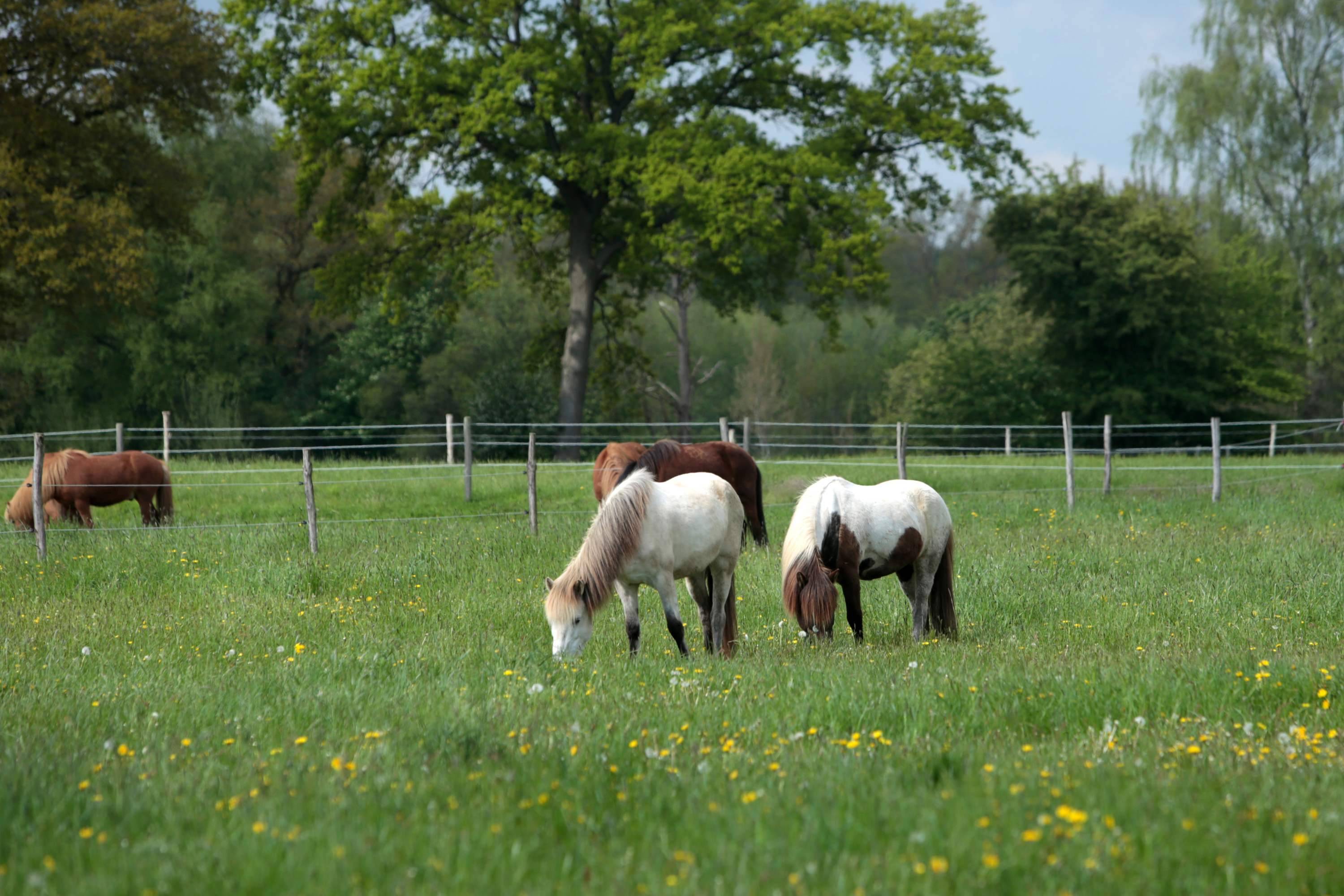
Pasture Management: What Is the Best Grazing Plan for You?
by Tiara Cooper
on Apr 15 2025
Effective pasture management is crucial for maintaining healthy livestock, optimizing forage production, and ensuring the sustainability of your land. A well-structured grazing plan serves as a roadmap to achieve these goals by balancing animal needs with pasture health. Incorporating modern tools like Barn Owl cameras can further enhance your management practices by providing real-time insights into your pasture conditions.
Understanding Grazing Plans
A grazing plan is a comprehensive strategy that outlines how livestock will be managed on pastureland to achieve specific objectives, such as improving forage quality, preventing overgrazing, and maintaining soil health. It includes decisions on grazing systems, stocking rates, rotation schedules, and rest periods for pastures. According to the University of Minnesota Extension, designing a grazing plan is the first step in your pasture management system, allowing for the full use of available resources and guiding management improvements.
Stocking rate refers to the number of animals grazing on a specific area of land over a defined period. It's typically expressed as animal units per acre or hectare. Determining the appropriate stocking rate is crucial for balancing livestock needs with pasture health. Overstocking can lead to overgrazing, soil degradation, and reduced forage availability, while understocking may result in underutilized resources and economic inefficiency. Therefore, assessing and adjusting stocking rates based on pasture conditions, forage availability, and livestock requirements is essential for sustainable pasture management.
Types of Grazing Systems
Selecting the appropriate grazing system is vital for the success of your grazing plan. Common systems include:
-
Continuous Grazing: Livestock graze a specific area without rotation. While simple, it can lead to overgrazing if not managed carefully.
-
Rotational Grazing: Pasture is divided into sections, and livestock are moved periodically to allow forage regrowth. This system promotes pasture recovery and can improve forage utilization.
-
Mob Grazing: High-density grazing for short durations, followed by extended rest periods, mimicking natural grazing patterns to enhance soil health and forage diversity.
Each system has its advantages and challenges, and the choice depends on factors like land size, forage types, and livestock needs.

Enhancing Pasture Management with Barn Owl Cameras
Integrating technology into pasture management can provide significant benefits.
Barn Owl cameras offer remote monitoring capabilities that allow you to:
-
Monitor Pasture Conditions: Keep an eye on forage growth, water sources, and fence integrity without being physically present.
-
Track Livestock Movement: Observe grazing patterns and ensure even pasture utilization, which is essential for preventing overgrazing and promoting regrowth.
-
Respond to Issues Promptly: Receive real-time alerts about potential problems, such as livestock breaches or equipment failures, enabling quick action to mitigate damage.
Barn Owl cameras help improve pasture management and logistics by providing visual confirmation when needed, anywhere and anytime.
Conclusion
Developing a tailored grazing plan is fundamental to effective pasture management. By understanding different grazing systems and incorporating tools like Barn Owl cameras, you can make informed decisions that promote pasture health, enhance livestock productivity, and ensure the sustainability of your farming operations.
For more information on how Barn Owl cameras can support your pasture management goals, visit barnowl.tech.
Up next: Rotational Grazing: What Is It And What Are The Pros and Cons?
Share


