Welcome to the Barn Owl Learning Center

Since our founding in 2017, Barn Owl has become a leader in providing security, real-time insight, operational efficiency and peace of mind across rural America. Our team of experts has build an in-depth knowledge base designed to answer your questions across industries and challenges. Browse our content below by key topic or by blog post date.

Key Topics Users Find Most Helpful
Barn Owl Blog

Barn Owl's team of experts have amassed decades of insights and knowledge into a series of helpful articles. Browse the latest news and posts below, including by topic tag.

How to Choose and Register a Livestock Brand: A Step-by-Step Guide

Barn Owl Blog

How to Choose and Register a Livestock Brand: A Step-by-Step Guide

by on Apr 22 2025
Branding livestock is a longstanding practice that serves as a visual identifier of ownership, aids in deterring theft, and assists in managing herds. In the United States, the process of choosing and registering a livestock brand varies by state, with each having its own regulations and procedures. This guide provides a general overview to help you navigate the process. 1. Understand the Importance of Branding A registered brand serves as legal proof of ownership and is crucial for: Identifying your livestock Deterring theft Resolving ownership disputes Complying with state regulations In many states, it's illegal to brand livestock without first registering the brand with the appropriate state or county authority. 2. Design a Unique and Effective Brand When creating your brand: Keep it simple: Simple designs are easier to read and less painful for the animal. Use open characters: Letters like "C" or symbols like bars are less prone to blotching compared to closed characters like "A" or "B". Limit the number of elements: Most brands consist of two to three symbols.  Remember, the same brand design can often be registered in the same state if it's placed on a different location of the animal, but this varies by jurisdiction. This FAQ page from the Texas and Southwestern Cattle Raisers Association provides further details about brand locations on your livestock: tscra.org 3. Check for Brand Availability Before finalizing your design, consult with your state's brand registration authority to ensure the brand isn't already registered. Some states maintain online databases or brand books that list all registered brands. 4. Register Your Brand To register: Obtain the registration form: Available from your state's Department of Agriculture or equivalent agency. Complete the form: Provide your personal information, brand design, and desired location on the animal. Submit the form and fee: Fees vary by state. Once registered, your brand is valid for a period specified by your state, often ranging from 5 to 10 years. Be sure to renew your registration as required to maintain legal ownership. 5. Maintain and Renew Your Brand Stay vigilant about renewal deadlines. Failure to re-register within the designated period means your brand becomes available for others to claim. 6. Additional Considerations Multiple brands: You can register more than one brand, but each requires a separate form. Brand transfers: Transferring a brand to another individual may require a notarized affidavit, depending on state regulations. Minors: Some states allow minors to have a registered brand with a parent or guardian's signature. Final Thoughts Choosing and registering a livestock brand is a vital step in responsible ranch management. By adhering to your state's regulations and maintaining your brand registration, you protect your livestock and uphold the integrity of your operation. For more information, contact your state's Department of Agriculture or equivalent agency to learn about specific requirements and procedures in your area. Up next: Ear Notching for Calf Identification: A Practical Guide
Hot Iron vs. Freeze Branding: Choosing the Right Method for Calf Identification
Barn Owl Blog

Hot Iron vs. Freeze Branding: Choosing the Right Method for Calf Identification

by on Apr 22 2025
Branding remains a prevalent method for permanent livestock identification. Among the techniques, hot iron and freeze branding are widely used, each with distinct advantages and considerations. Hot Iron Branding Overview: This traditional method involves heating a branding iron and pressing it onto the calf's skin, creating a scar that serves as a permanent identifier. Pros: Immediate Visibility: The brand is instantly recognizable upon application. Simplicity: Requires minimal specialized equipment. Cons: Physical Discomfort: Hot iron branding is more painful than freeze branding, causing significant inflammation and prolonged discomfort. Hide Damage: The process can damage the hide, potentially reducing its value. Freeze Branding Overview: This technique uses super-cooled irons, typically chilled with liquid nitrogen or dry ice, to alter hair pigmentation. The result is a white-haired brand on dark-colored animals. Pros: Reduced Pain: Freeze branding is generally less painful than hot iron branding, causing minimal inflammation. Minimal Hide Damage: The method preserves the hide's integrity, maintaining its market value. Enhanced Legibility: On dark-coated animals, the white hair growth provides a clear and lasting brand. Cons: Delayed Visibility: The brand becomes fully visible only after hair regrowth, which can take several weeks. Complexity: Requires specialized equipment and materials, such as liquid nitrogen, which may not be readily available in all areas. Limited Effectiveness on Light-Colored Animals: Freeze branding is less effective on white or light-colored cattle, as the contrast is minimal. Making the Right Choice The decision between hot iron and freeze branding depends on various factors, including procedural pain, hide value, and operational resources. While hot iron branding offers immediate results with simpler equipment, freeze branding provides a less painful approach with better hide preservation, albeit with increased complexity and delayed visibility. Ranchers should assess their specific needs, resources, and priorities to determine the most suitable branding method for their operations. Up next: How to Choose and Register a Livestock Brand: A Step-by-Step Guide
Ear Tagging for Calves: A Guide to Visual and Electronic Identification

Barn Owl Blog

Ear Tagging for Calves: A Guide to Visual and Electronic Identification

by on Apr 22 2025
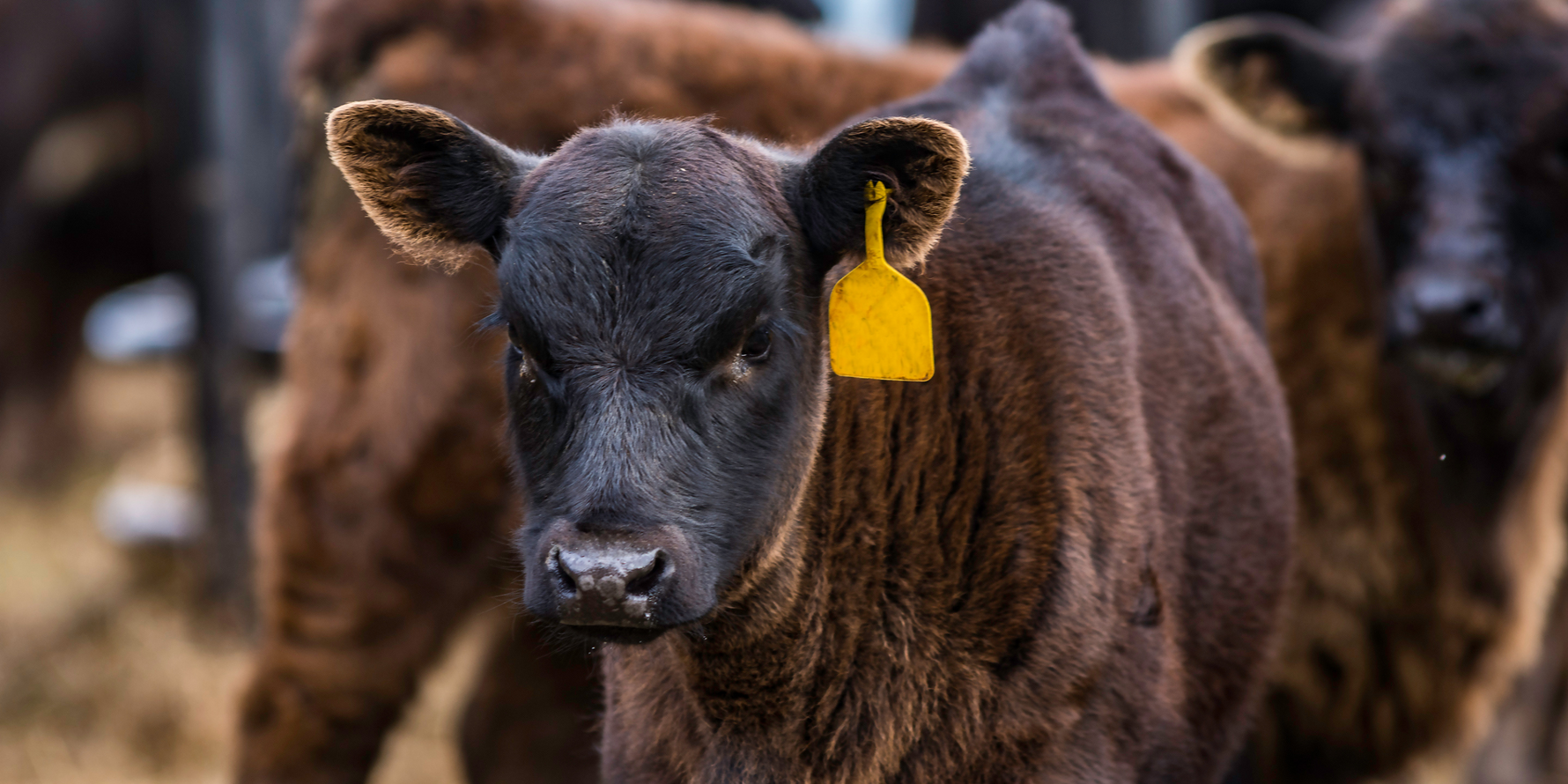
Effective calf identification is crucial for managing herd health, tracking performance, and ensuring regulatory compliance. Ear tagging—both visual and electronic—is a widely adopted method that offers numerous benefits to ranchers and livestock managers. Visual Ear Tags Visual ear tags are typically plastic, or silicone tags affixed to a calf's ear, displaying a unique identification number. These tags are often color-coded for quick group identification and can be read from several yards away under good conditions. They have been used for decades and are already required for most livestock being moved across state lines. Best Practices: Placement: Apply tags in the middle third of the ear, between the upper and lower ribs, to minimize discomfort and reduce the risk of tag loss. Timing: Tag calves shortly after birth, once they are dry and before they are moved to individual pens, to ensure accurate dam information and identification numbers are recorded. Sanitation: Clean the ear and tagging equipment thoroughly to prevent infections. Electronic Identification (EID) Tags Electronic Identification (EID) tags, or RFID tags, contain a microchip that stores a unique identification number. These tags can be scanned with a reader to quickly and accurately identify individual animals, facilitating efficient record-keeping and management. Advantages: Accuracy: EID technology enables accurate and automated identification of individual animals, reducing the risk of errors associated with manual record-keeping. Efficiency: EID tags allow for rapid and non-invasive identification of animals, saving time and labor during tasks such as herd management, health monitoring, and sales transactions. Traceability: The unique identification code stored in the RFID chip enables traceability throughout the animal's lifecycle, from birth to slaughter. Data Management: EID tags facilitate the collection, storage, and transmission of data regarding individual animals' movements, health status, and ownership history. Implementation Tips: Placement: Apply the EID tag with the visual panel (male portion) on the outside back of the ear and the EID button (female portion) on the inside, in the middle third of the ear. Compliance: Stay informed about regulatory requirements, as electronic identification tags are now required for certain types of cattle and bison that move across state lines. Conclusion Choosing between visual and electronic ear tags depends on your operation's specific needs and resources. Visual tags offer simplicity and visibility, while EID tags provide enhanced accuracy and data management capabilities. Implementing best practices in ear tagging ensures effective identification, contributing to better herd management and overall productivity. Up next: Hot Iron vs. Freeze Branding: Choosing the Right Method for Calf Identification
Choosing the Right Identification Method for Calves: Key Considerations for Ranchers

Barn Owl Blog

Choosing the Right Identification Method for Calves: Key Considerations for Ranchers

by on Apr 22 2025
Proper identification of calves is essential for effective herd management, accurate record-keeping, and ensuring the health and productivity of your livestock. Selecting the most suitable identification method depends on various factors, including your operation's size, management practices, and specific needs. Understanding Calf Identification Methods Several identification techniques are commonly used in the cattle industry: Ear Tags: These are widely used due to their ease of application and visibility. They come in various colors and sizes, allowing for customizable information. However, if not applied correctly, they can cause tissue issues or infections, and tags may sometimes fall off or be removed. Ear Tattoos: This method involves tattooing a unique number inside the calf's ear. It's a permanent solution but can be challenging to read, especially on darker-skinned animals or as the tattoo fades over time. Branding (Hot-Iron or Freeze): Branding provides a permanent mark of ownership. Hot-iron branding can be painful and may affect hide quality, while freeze branding is less painful but requires specific equipment and conditions. Electronic Identification (EID): EID tags or microchips offer precise tracking and data collection capabilities. They are beneficial for large operations but involve higher costs and require compatible reading equipment. Ear Notching: This method involves removing small, V-shaped notches from the edges of a calf's ear to create a unique pattern for identification. Ear notching is a permanent and cost-effective technique, often used in conjunction with other methods like ear tags. It's particularly useful in situations where multiple owners share grazing land, as each owner can have a distinct notching pattern to identify their calves. Neck Collars and Anklets: These are adjustable bands placed around a calf's neck or leg, often featuring numbered tags or color codes for easy identification. They are especially useful for temporary identification, such as during health monitoring, breeding programs, or when managing calves in large herds. Some collars are designed to accommodate devices like pedometers or sensors for tracking activity and health metrics. Factors to Consider When Choosing an Identification Method When selecting an identification method, consider the following: Permanence: Determine if you need a temporary or permanent identification solution based on your management practices. Visibility: Consider how easily the identification can be read from a distance, which is crucial for daily management and during events like sales or shows. Animal Welfare: Evaluate the potential stress or pain associated with the method and strive to minimize discomfort. Cost and Resources: Assess the initial investment and ongoing costs, including equipment and labor, associated with each method. Regulatory Compliance: Ensure the chosen method meets any legal requirements or industry standards applicable in your region. Enhancing Identification with Technology Integrating technology can complement traditional identification methods. For instance, using cameras to monitor calves can help verify identities, especially when ear tags are lost or unreadable. Additionally, electronic identification systems can be integrated with software to track individual animal performance, health records, and lineage, facilitating informed decision-making. Selecting the appropriate identification method is a critical decision that impacts your herd's management and productivity. By carefully considering your operation's specific needs and resources, you can choose a method that ensures accurate tracking, promotes animal welfare, and supports your long-term goals. Next up: The Importance of Branding and Tagging Calves: Ensuring Livestock Identification and Security
The Importance of Branding and Tagging Calves: Ensuring Livestock Identification and Security

Barn Owl Blog

The Importance of Branding and Tagging Calves: Ensuring Livestock Identification and Security

by on Apr 22 2025
In the world of cattle ranching, establishing clear ownership and maintaining effective herd management are paramount. Branding and tagging calves serve as essential tools in achieving these objectives, offering benefits ranging from theft deterrence to health monitoring. Ownership Identification and Theft Prevention Branding has long been a method for marking cattle, providing a visible indication of ownership. This practice not only helps in distinguishing cattle from neighboring herds but also plays a crucial role in deterring theft. A unique and registered brand acts as a permanent mark, making it more challenging for stolen animals to be sold or used without detection.  Enhanced Herd Management Tagging calves with individual identification numbers offers significant advantages in herd management. It facilitates efficient tracking of each animal's health records, breeding history, and performance metrics. This systematized approach aids ranchers in making informed decisions regarding nutrition, medical care, and overall herd improvement strategies. Animal Health Monitoring Both branding and tagging contribute to effective health monitoring. Tags can be used to record vaccination dates, treatments administered, and other health-related information, ensuring that each calf receives appropriate care throughout its lifecycle. This practice not only supports the well-being of the animals but also enhances the productivity and profitability of the ranching operation. Cultural and Traditional Significance Beyond their practical applications, branding holds cultural and traditional importance in many ranching communities. It represents a legacy of ranching practices and fosters a sense of identity and pride among ranchers. Participating in branding events often strengthens community bonds and preserves historical customs. Conclusion Incorporating branding and tagging into cattle management practices is vital for establishing ownership, preventing theft, and ensuring the health and productivity of the herd. By adopting these identification methods thoughtfully and humanely, ranchers can uphold traditions while promoting the well-being of their livestock. Up next: Ear Tagging for Calves: A Guide to Visual and Electronic Identification
The Value of a Calf: How Barn Owl Cameras Support Ranchers During Calving Season

Barn Owl Blog

The Value of a Calf: How Barn Owl Cameras Support Ranchers During Calving Season

by on Apr 16 2025
Calving season is a pivotal time for ranchers, as each newborn calf represents both a significant investment and the future of the herd. Ensuring the health and safety of calves during this period is paramount, and modern technology like Barn Owl cameras can play a crucial role in achieving this goal. The Economic Significance of Each Calf For cow-calf operations, the birth of a calf is the culmination of months of planning, breeding, and care. Each calf contributes to the ranch's profitability, with market prices reflecting their value. For instance, 500 - 600 pound weaned steers have been reported to sell for an average of $383 per head the week ending on April 4, 2025 according to The Cattle Range. This underscores the importance of maximizing calf survival and health during the calving season. Challenges During Calving Season Calving often occurs during harsh weather conditions, requiring ranchers to monitor their herds closely. Traditional methods involve frequent physical checks, which can be labor-intensive and stressful, especially during extreme cold. As one rancher noted, using camera technology allowed them to monitor calves during bitterly cold nights, reducing the need for constant physical presence. How Barn Owl Cameras Enhance Calving Management Barn Owl's cellular cameras offer ranchers a reliable way to monitor their herds remotely. These cameras provide real-time visuals of calving pens, allowing ranchers to: Observe Calving Progress: Monitor cows during labor to ensure timely assistance if complications arise. Detect Predators: Identify and deter potential threats near calving areas, safeguarding vulnerable newborns. Reduce Physical Checks: Minimize the need for frequent in-person inspections, saving time and reducing stress on both animals and ranchers. By integrating Barn Owl cameras into their operations, ranchers can enhance calf survival rates and overall herd health. Conclusion Each calf born is a testament to a rancher's dedication and hard work. Leveraging technology like Barn Owl cameras can provide peace of mind, ensuring that calves are monitored and protected during their most vulnerable moments. Embracing such innovations not only safeguards investments but also paves the way for a more efficient and responsive ranching operation. For more information on how Barn Owl cameras can support your ranch during calving season, visit barnowl.tech.

Showing 186/224