Welcome to the Barn Owl Learning Center

Since our founding in 2017, Barn Owl has become a leader in providing security, real-time insight, operational efficiency and peace of mind across rural America. Our team of experts has build an in-depth knowledge base designed to answer your questions across industries and challenges. Browse our content below by key topic or by blog post date.

Key Topics Users Find Most Helpful
Barn Owl Blog

Barn Owl's team of experts have amassed decades of insights and knowledge into a series of helpful articles. Browse the latest news and posts below, including by topic tag.

Comprehensive Guide to Spring Planting Techniques: From Traditional to Modern Practices

Barn Owl Blog

Comprehensive Guide to Spring Planting Techniques: From Traditional to Modern Practices

by on Apr 23 2025
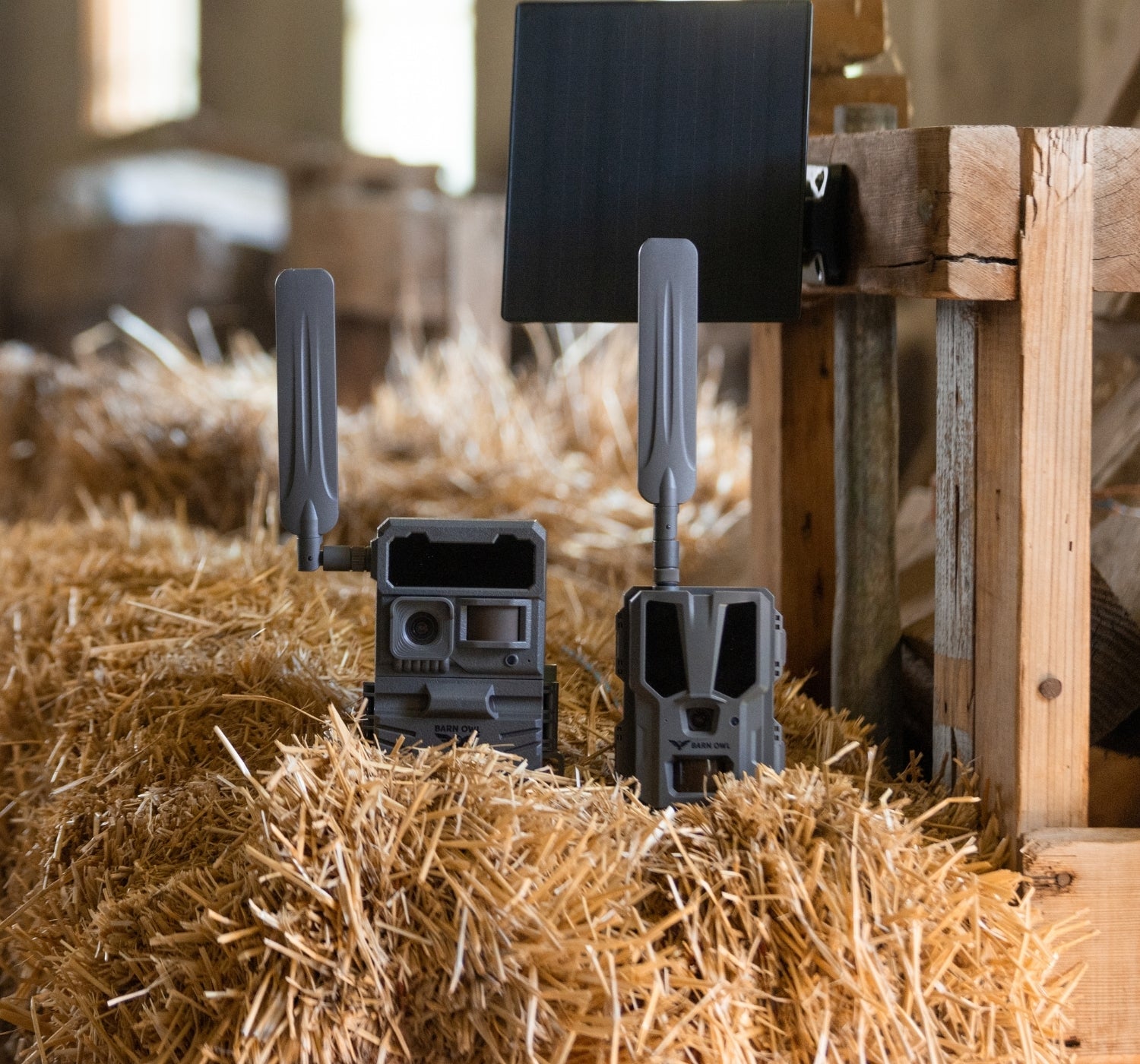
Spring marks a pivotal time for farmers, signaling the onset of the planting season. To ensure a successful harvest, it's essential to employ effective farming techniques tailored to your specific conditions. This guide explores a range of planting methods, from time-honored practices to cutting-edge innovations, providing insights to help you optimize your spring planting strategy. 1. Soil Preparation: Laying the Foundation Before planting, preparing the soil is crucial. Key steps include: Soil Testing: Assess nutrient levels and pH to determine necessary amendments. Tillage: Traditional plowing or modern no-till methods can be employed based on soil conditions and conservation goals. Moisture Management: Ensure the soil is neither too wet nor too dry to prevent compaction and promote healthy root development. 2. Traditional Planting Techniques These time-tested methods remain effective for many farming operations: Broadcast Seeding: Spreading seeds evenly across the field, suitable for certain grains and cover crops. Row Planting: Planting seeds in rows to facilitate cultivation and harvesting. Transplanting: Starting seedlings indoors and transplanting them outdoors, beneficial for crops like tomatoes and peppers. 3. Sustainable and Regenerative Practices Adopting eco-friendly methods can enhance soil health and biodiversity: Ley Farming: Rotating between arable crops and pasture to improve soil fertility and structure. Cover Cropping: Planting cover crops to suppress weeds, prevent erosion, and enrich the soil. Crop Rotation: Alternating crops to reduce pest and disease cycles and improve nutrient balance. Integrated Pest Management (IPM): Combining biological, cultural, and chemical practices to manage pests sustainably. 4. Modern and Innovative Techniques Advancements in technology have introduced new methods to increase efficiency and yields: Precision Agriculture: Utilizing GPS and data analytics to optimize planting patterns and input application. Vertical Farming: Growing crops in stacked layers, often indoors, to maximize space and control environmental factors. Hydroponics and Aeroponics: Soilless systems that deliver nutrients directly to plant roots, allowing for controlled and efficient growth. 5. Conservation Agriculture Focusing on long-term sustainability, these practices aim to preserve resources: No-Till Farming: Reducing soil disturbance to maintain structure and organic matter. Agroforestry: Integrating trees with crops or livestock to enhance biodiversity and ecosystem services. Organic Farming: Avoiding synthetic inputs to promote natural soil fertility and pest control. 6. Preparing for Planting Season Effective preparation involves several key steps: Equipment Maintenance: Ensure all machinery is in good working order to prevent delays. Seed Selection: Choose high-quality seeds suited to your region's climate and soil conditions. Field Planning: Develop a planting schedule that accounts for crop rotation and market demands. 7. Equipment Protection As planting season approaches, safeguarding your valuable farming equipment becomes paramount. Theft and vandalism can disrupt operations and lead to significant financial losses. Barn Owl Tech offers a reliable solution with our off-grid, cellular-enabled security cameras, designed specifically for agricultural settings. Key Features of Barn Owl Cameras: Off-Grid Capability: Operates without the need for Wi-Fi or traditional power sources, making them ideal for remote equipment yards.  High-Resolution Imaging: Provides clear photos and videos, ensuring you can monitor your equipment effectively. Motion Detection: Alerts you to any movement, allowing for prompt responses to potential threats. Solar Power Options: Equipped with solar panels for continuous operation, even in areas without electrical infrastructure. Benefits for Farmers: Remote Monitoring: Access photo feeds and receive alerts directly to your mobile device, keeping you informed from anywhere. Enhanced Security: Deter theft and unauthorized access to your equipment and facilities. Peace of Mind: Focus on your planting activities, knowing your assets are under constant surveillance. Investing in Barn Owl cameras ensures that your farming equipment remains protected throughout the planting season and beyond. With robust features and reliable performance, Barn Owl provides a comprehensive security solution tailored for the agricultural community. For more information on Barn Owl camera bundles, please visit www.barnowl.tech. Conclusion By combining traditional knowledge with modern innovations, farmers can enhance productivity and sustainability during the spring planting season. Assessing your specific needs and resources will guide you in selecting the most appropriate techniques for a successful harvest. Up next: Holistic Management: A Comprehensive Approach to Sustainable Agriculture

Electronic Microchipping for Calf Identification: A Modern Approach to Herd Management

Barn Owl Blog

Electronic Microchipping for Calf Identification: A Modern Approach to Herd Management

by on Apr 23 2025
In the evolving landscape of livestock management, electronic microchipping has emerged as a reliable and efficient method for calf identification. This technology offers a permanent solution that enhances traceability, health monitoring, and overall herd management. What Is Microchipping? Microchipping involves implanting a small electronic chip, approximately the size of a grain of rice, beneath the skin of a calf, typically in the neck area. Each microchip contains a unique identification number that can be read using a compatible scanner. This identifier is linked to a comprehensive database, allowing for easy access to the animal's history and health records. Benefits of Microchipping Calves Permanent Identification: Unlike ear tags or collars, microchips are tamper-proof and remain with the animal for life, reducing the risk of loss or removal. Enhanced Traceability: Microchips facilitate rapid tracking of animals, which is crucial during disease outbreaks or when animals are lost or stolen. Improved Health Monitoring: Advanced microchips can store health data, enabling farmers to monitor vital signs and medical history efficiently. Compliance with Regulations: In regions where electronic identification is mandated, microchipping ensures adherence to legal requirements. Considerations for Implementation Cost: Initial investment includes the price of microchips and scanners, which may be higher than traditional identification methods. Training: Proper training is necessary to ensure correct implantation and to maximize the benefits of the technology. Data Management: Maintaining accurate and up-to-date records in the associated database is essential for effective use. Conclusion Electronic microchipping presents a forward-thinking solution for calf identification, offering durability, reliability, and enhanced management capabilities. By adopting this technology, farmers can improve herd oversight, comply with regulatory standards, and ensure the well-being of their livestock. Up next: The Legal Landscape of Livestock Branding Across America
Tattooing Calves for Identification: A Permanent Solution for Herd Management

Barn Owl Blog

Tattooing Calves for Identification: A Permanent Solution for Herd Management

by on Apr 23 2025
Effective identification is crucial in livestock management, aiding in accurate record-keeping, health monitoring, and breeding decisions. Tattooing offers a permanent method to mark calves, ensuring lifelong identification that withstands the rigors of farm life. What Is Calf Tattooing? Tattooing involves imprinting a unique combination of letters and numbers inside a calf's ear using tattoo pliers and ink. This method creates a permanent mark that serves as a reliable identifier throughout the animal's life. Benefits of Tattooing Permanence: Unlike ear tags, which can fall off or be removed, tattoos remain for the animal's lifetime. Compliance: Many breed associations require tattoos for registration purposes. Cost-Effective: After the initial investment in equipment, tattooing incurs minimal ongoing costs. Tamper-Proof: Tattoos are less susceptible to tampering compared to external identification methods. Considerations and Limitations Visibility: Tattoos are not easily visible from a distance, requiring close inspection. Application: Proper restraint is essential to ensure legibility and minimize stress during the process. Fading: Over time, tattoos may fade, especially if not applied correctly. Record-Keeping: Accurate documentation is vital to correlate tattoo codes with individual animal records. Best Practices for Tattooing Calves Preparation: Gather necessary equipment, including tattoo pliers, ink, and cleaning supplies. Restraint: Secure the calf in a chute to prevent movement during application. Cleaning: Clean the inner ear with alcohol to remove dirt and wax. Application: Position the tattoo between the ear's first and second ribs, ensuring proper placement. Ink Application: Apply ink before and after using the pliers to ensure clarity. Aftercare: Monitor the tattoo site for signs of infection and ensure healing progresses normally. Integrating Tattooing with Other Identification Methods While tattoos provide permanent identification, combining them with visible methods like ear tags can enhance management efficiency. This dual approach allows for quick visual identification while maintaining a tamper-proof record. Incorporating tattooing into your calf identification strategy offers a reliable, permanent solution that supports effective herd management. By following best practices and maintaining accurate records, you can ensure each animal is properly identified throughout its life. Up next: Electronic Microchipping for Calf Identification: A Modern Approach
Neck Collars and Anklets for Calf Identification: Practical Solutions for Herd Management

Barn Owl Blog

Neck Collars and Anklets for Calf Identification: Practical Solutions for Herd Management

by on Apr 23 2025
In livestock management, robust identification techniques are essential for tracking animal movements, monitoring their health, and ensuring adherence to industry standards. Neck collars and anklets offer practical, cost-effective solutions for identifying calves, especially in large herds or communal grazing environments. Neck Collars Neck collars are durable straps worn around a calf's neck, often made from materials like nylon or canvas. They can be color-coded or numbered to provide immediate visual identification. Some advanced models are equipped with sensors to monitor activity levels, rumination, and eating habits, aiding in health assessments and behavioral studies.  Advantages: Durability: Designed to withstand various weather conditions and physical activities. Visibility: Easily noticeable from a distance, facilitating quick identification. Health Monitoring: Advanced collars can track vital signs and behaviors, providing insights into a calf's health. Considerations: Comfort: Must be properly fitted to avoid discomfort or injury. Cost: Advanced models with monitoring capabilities can be more expensive. Anklets Anklets are straps placed around a calf's lower leg, often used for temporary identification during specific periods like milking or breeding. They are typically made from flexible materials and can be color-coded or numbered. Advantages: Ease of Use: Simple to apply and remove, requiring minimal handling. Cost-Effective: Generally less expensive than other identification methods. Temporary Identification: Ideal for short-term needs without permanent alterations. Considerations: Durability: May wear out over time, especially in rugged environments. Limited Information: Provides only basic identification without detailed records. Choosing the Right Method The choice between neck collars and anklets depends on the specific needs of the farm. Neck collars are suitable for long-term identification and health monitoring, while anklets serve well for temporary identification during specific activities. In some operations, a combination of both methods may be employed to balance cost, visibility, and functionality. Incorporating these identification tools into your herd management practices can enhance operational efficiency, improve animal welfare, and ensure compliance with industry standards. Up next: Tattooing Calves for Identification: A Permanent Solution for Herd Management
Ear Notching for Calf Identification: A Practical Guide

Barn Owl Blog

Ear Notching for Calf Identification: A Practical Guide

by on Apr 23 2025
Ear notching is a traditional and cost-effective method of permanently identifying calves. By removing small, V-shaped notches from the edges of a calf's ear, ranchers can create unique patterns that serve as lifelong identifiers. This technique is particularly useful in operations where multiple owners share grazing land, as each owner can have a distinct notching pattern to identify their calves. What Is Ear Notching? Ear notching involves using specialized pliers to remove small sections of a calf's ear in a specific pattern. Each notch's position and number can represent different information, such as the animal's birth year, dam, or ownership. This method is commonly used in the pig industry but is also applicable to cattle, especially in communal grazing situations. For example, on the Barona Indian Reservation, different ear notching patterns were used to distinguish calves belonging to various owners sharing the same pasture. Advantages of Ear Notching Permanence: Unlike ear tags, which can fall off or be removed, ear notches are permanent and remain with the animal for life. Cost-Effective: Ear notching requires minimal equipment and no ongoing costs, making it an economical choice for many ranchers. Simplicity: The method is straightforward and can be performed quickly with proper training. Best Practices for Ear Notching Use Clean Equipment: Always disinfect the notching tool before and after each use to prevent infections. Proper Placement: Ensure notches are placed in the correct positions to convey the intended information. Record Keeping: Maintain detailed records correlating each notch pattern with the corresponding animal data. Animal Welfare: Perform notching quickly and efficiently to minimize stress and discomfort to the calf. Considerations and Limitations While ear notching offers several benefits, it's essential to consider its limitations: Visibility: Unlike ear tags, ear notches may be harder to see from a distance, potentially requiring closer inspection. Standardization: Without a standardized system, notch patterns can be misinterpreted, especially when animals are sold or moved to different operations. Regulatory Compliance: In some regions, ear notching may not meet official identification requirements for disease control or traceability programs. Conclusion Ear notching remains a valuable tool for calf identification, particularly in operations where cost and permanence are primary considerations. By adhering to best practices and maintaining accurate records, ranchers can effectively utilize ear notching to manage their herds. However, it's crucial to be aware of its limitations and consider integrating other identification methods, such as ear tags or electronic IDs, to meet regulatory requirements and enhance traceability. Up next: Neck Collars and Anklets for Calf Identification: Practical Solutions
The Legal Landscape of Livestock Branding Across America

Barn Owl Blog

The Legal Landscape of Livestock Branding Across America

by on Apr 22 2025
Livestock branding laws in the United States vary significantly across states, reflecting diverse agricultural practices and regulatory frameworks. Here's an overview of how different states approach livestock branding: States Requiring Brand Registration In several states, registering your livestock brand is mandatory to establish legal ownership and prevent disputes: Iowa: Livestock owners must register their brands with the Iowa Department of Agriculture and Land Stewardship. The brand must be recorded to be legally used and recognized in ownership disputes. Louisiana: Brand registration is required, and owners can opt for a lifetime registration. The process includes submitting an application and adhering to specific design and placement guidelines. Nevada: Branding is regulated under Chapter 564 of the Nevada Revised Statutes, requiring owners to register their brands to ensure legal recognition. States with Voluntary Brand Registration Some states do not mandate brand registration but offer it as a voluntary measure: Oklahoma: Branding is voluntary, and brand inspection is not required. However, registering a brand can provide legal advantages in ownership disputes. Maryland and Delaware: These states do not have branding laws, and livestock owners are not required to register brands. States with Unique Branding Practices Certain states have distinctive approaches to branding: Texas: Brand registration is managed at the county level. Owners must record their brands with the county clerk where the livestock resides. Recent legislative efforts aim to establish a centralized electronic registry for brands. South Carolina: Owners can register brands and earmarks with the Secretary of State. Upon registration, a certificate is issued, which must be recorded with the clerk of court in each county where the owner has livestock. Key Considerations for Livestock Owners Design Approval: Before branding, ensure your design is unique and approved by the appropriate state authority to avoid duplication and legal issues. Brand Placement: States may have regulations regarding where a brand can be placed on an animal. Adhering to these guidelines is essential for legal recognition. Renewal Requirements: Brand registrations may need periodic renewal. For instance, some states require renewal every five years, while others offer lifetime registrations. Legal Implications: Using an unregistered brand in states where registration is mandatory can result in legal penalties and complications in proving ownership. Understanding and complying with your state's branding laws is crucial for protecting your livestock and ensuring clear ownership. Always consult your state's Department of Agriculture or equivalent authority for the most current regulations and procedures.

Showing 180/224