Welcome to the Barn Owl Learning Center

Since our founding in 2017, Barn Owl has become a leader in providing security, real-time insight, operational efficiency and peace of mind across rural America. Our team of experts has build an in-depth knowledge base designed to answer your questions across industries and challenges. Browse our content below by key topic or by blog post date.

Key Topics Users Find Most Helpful

Barn Owl Blog

Barn Owl's team of experts have amassed decades of insights and knowledge into a series of helpful articles. Browse the latest news and posts below, including by topic tag.

Is Your Pasture Enough? How to Tell When Your Livestock Need Mineral Supplements

Barn Owl Blog

Is Your Pasture Enough? How to Tell When Your Livestock Need Mineral Supplements

by on Apr 29 2025
If you want healthy, productive livestock, nutrition is non-negotiable. Yet, even the best-looking pastures might not provide all the minerals your animals need. Mineral deficiencies often show up slowly — through poor growth, reproductive struggles, or dull coats — long before more serious health problems appear. So how do you know when it’s time to supplement minerals for your herd? The answer begins right under your feet: with your soil. Here’s a step-by-step guide to recognizing the need for mineral supplementation, starting with soil testing and moving all the way through animal observation. 1. Start with Soil Testing Your Pasture Healthy soil is the foundation of healthy livestock. Pastures draw their mineral content directly from the soil, and if your soil is deficient in key nutrients, your grass and forage will be too. A soil test provides a clear snapshot of your land’s nutrient profile — including essential minerals like calcium, phosphorus, potassium, magnesium, and more. Some tests even check for trace minerals like copper and zinc. Why soil testing matters: Identifies existing mineral deficiencies Helps you target fertilizer or soil amendment applications Reduces wasteful spending on unnecessary supplements Builds a long-term strategy for improving pasture quality How to test your soil: Collect multiple samples from different parts of your pasture. Send the samples to a reputable agricultural laboratory. Review the report carefully — pay special attention to pH, macronutrients, and micronutrients. Tip: Re-test your pastures every 2–3 years, or after major changes like reseeding or heavy grazing. 2. Evaluate Forage Quality Even if your soil is decent, different forage species absorb minerals differently. For example: Legumes (like clover and alfalfa) tend to have higher calcium and magnesium. Grasses can vary widely depending on species and soil health. Rapid spring growth can sometimes create lush but mineral-deficient grass. You can send pasture samples for forage analysis to measure the actual mineral content your livestock are consuming. This is particularly helpful before critical periods like breeding, calving, or winter. 3. Watch for Warning Signs in Your Animals Sometimes, despite your best pasture management, livestock still show signs that they’re lacking essential minerals. Here are some common red flags: General Mineral Deficiency Signs: Poor weight gain or body condition Rough, faded, or patchy coats Decreased milk production Reduced fertility or high rates of early embryonic loss Increased susceptibility to disease or parasites Specific Deficiency Clues: Copper deficiency: Light or grayish hair around the eyes and nose, poor immunity Selenium/Vitamin E deficiency: Weak newborns, white muscle disease Magnesium deficiency: Muscle tremors, staggering (especially in spring grazing — grass tetany) Phosphorus deficiency: Stiff joints, bone weakness, decreased appetite If you notice any of these signs, it’s time to dig deeper and potentially introduce or adjust your mineral program. 4. Know Regional Deficiency Patterns Certain areas of the country (and even specific counties) are notorious for particular mineral shortages. For example: The Southeast often has selenium-deficient soils. Parts of the Northwest struggle with copper availability. High-rainfall areas can suffer from leached potassium and magnesium. Checking local extension office reports or talking with neighboring producers can give you a heads-up about common deficiencies in your region. 5. Choose the Right Mineral Supplement Once you know your needs, you can choose a supplement designed to fill those gaps: Free-choice minerals: Allow cattle to consume what they need. Custom mineral mixes: Based on your specific soil and forage test results. Targeted supplements: Like extra magnesium in spring or additional selenium during breeding. Important: Always ensure minerals are properly balanced. For example, too much phosphorus without enough calcium can cause health issues — just as dangerous as a deficiency. Final Thoughts When it comes to livestock mineral nutrition, guessing isn’t good enough. Soil testing gives you the first, clearest signal of what your pastures can (and can’t) provide. From there, ongoing forage evaluation and careful observation of your animals will help you fine-tune your supplementation strategy. Investing the time to understand your soil and your herd’s true needs saves money, boosts animal performance, and builds a healthier, more resilient farm operation. Because healthy animals always start from the ground up. Up next: The Most Common Cattle Mineral Supplements — And Why They Matter
Precision Agriculture: Revolutionizing Modern Farming

Barn Owl Blog

Precision Agriculture: Revolutionizing Modern Farming

by on Apr 23 2025
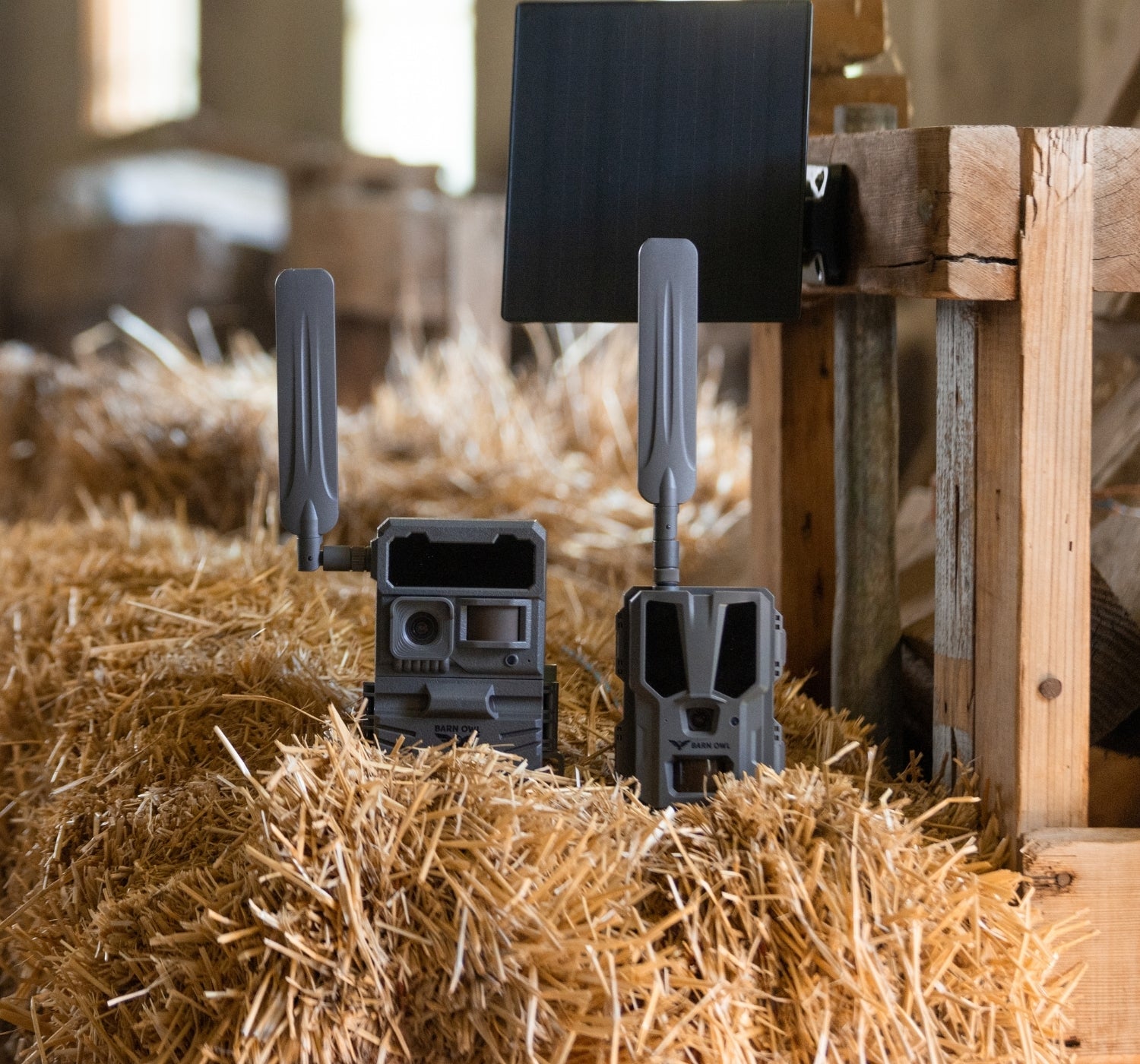
Precision agriculture, also known as precision farming, is transforming the agricultural landscape by leveraging technology to optimize crop yields, reduce waste, and promote sustainable practices. By integrating data-driven approaches, farmers can make informed decisions tailored to specific areas within their fields, leading to increased efficiency and productivity. What Is Precision Agriculture? Precision agriculture involves the use of advanced technologies to monitor and manage variability in agricultural fields. This approach enables farmers to apply inputs—such as water, fertilizers, and pesticides—precisely where and when they are needed, minimizing waste and environmental impact. Key Technologies in Precision Agriculture Global Positioning System (GPS)GPS technology allows for accurate field mapping and equipment guidance, ensuring precise application of inputs. Remote Sensing and DronesAerial imagery from drones and satellites provides real-time data on crop health, soil conditions, and pest infestations. Variable Rate Technology (VRT)VRT enables the application of inputs at varying rates across a field, based on specific needs identified through data analysis. Soil and Crop SensorsThese sensors collect data on soil moisture, nutrient levels, and crop growth, facilitating informed decision-making. Data Analytics and Farm Management Software Advanced software platforms analyze collected data to provide actionable insights for farm management. Enhancing Equipment Security with Barn Owl Cameras In addition to optimizing crop production, precision agriculture also encompasses the protection of valuable farming equipment. Barn Owl cameras offer a reliable solution for monitoring and securing agricultural assets, especially during the busy planting season. Key Features of Barn Owl Cameras: Remote Monitoring: Barn Owl cameras provide real-time surveillance of equipment and storage areas, accessible via smartphones or computers. Motion Detection Alerts: These cameras can send instant notifications when movement is detected, allowing for prompt response to potential security breaches. Weather Resistance: Designed to withstand harsh agricultural environments, Barn Owl cameras ensure continuous operation regardless of weather conditions. Easy Installation: With user-friendly setup procedures, these cameras can be quickly deployed across various farm locations without the need for extensive technical expertise. By integrating Barn Owl cameras into their operations, farmers can enhance the security of their equipment, reduce the risk of theft or vandalism, and maintain uninterrupted agricultural activities. For information on Barn Owl camera bundles, visit www.barnowl.tech. Benefits of Precision Agriculture Enhanced Productivity: By targeting inputs effectively, farmers can achieve higher yields and better crop quality. Resource Efficiency: Optimized use of water, fertilizers, and pesticides reduces costs and conserves resources. Environmental Sustainability: Minimizing input overuse decreases environmental pollution and promotes ecological balance. Risk Management: Real-time monitoring allows for early detection of issues, enabling prompt interventions. Challenges and Future Outlook While precision agriculture offers numerous advantages, challenges such as high initial investment costs, data management complexities, and the need for technical expertise can hinder adoption. However, ongoing advancements in technology and increased accessibility are expected to drive broader implementation. The future of precision agriculture lies in the integration of artificial intelligence, machine learning, and the Internet of Things (IoT), which will further enhance decision-making and operational efficiency. Up next: Integrated Pest Management: A Sustainable Approach to Pest Control Conclusion Precision agriculture represents a significant shift towards more sustainable and efficient farming practices. By embracing technological innovations, farmers can optimize resource use, increase productivity, and contribute to environmental conservation. As the agricultural sector continues to evolve, precision farming stands at the forefront of this transformation, paving the way for a more resilient and sustainable future.
Ley Farming: A Sustainable Approach to Crop and Livestock Integration

Barn Owl Blog

Ley Farming: A Sustainable Approach to Crop and Livestock Integration

by on Apr 23 2025
Ley farming is an agricultural practice that involves rotating arable crops with grass or legume pastures. This system not only enhances soil fertility but also supports livestock production, making it a holistic approach to sustainable farming. What is Ley Farming? At its core, ley farming is a rotational system where land is alternated between growing arable crops (like cereals) and sowing it with grasses or legumes for pasture. The term "ley" refers to the temporary pasture phase in this rotation. Typically, the pasture phase lasts from one to five years, depending on the farmer's objectives and soil conditions. Benefits of Ley Farming Soil Fertility Enhancement: Leguminous plants in the pasture phase fix atmospheric nitrogen, enriching the soil and reducing the need for synthetic fertilizers. Improved Soil Structure: The root systems of grasses and legumes enhance soil structure, promoting better water infiltration and reducing erosion. Weed and Pest Control: Rotating crops with pasture disrupts the life cycles of pests and weeds, minimizing their impact without relying heavily on chemical controls. Livestock Integration: The pasture phase provides grazing opportunities for livestock, integrating crop and animal farming systems efficiently. Carbon Sequestration: Incorporating leys into crop rotations can increase soil organic matter, aiding in carbon sequestration and contributing to climate change mitigation. Implementing Ley Farming Selection of Species: Choosing the right mix of grasses and legumes is crucial. Factors like climate, soil type, and intended livestock use influence this decision. Rotation Planning: A typical rotation might involve several years of arable cropping followed by a few years of pasture. The exact duration depends on specific farm goals. Management Practices: Proper grazing management during the pasture phase ensures optimal regrowth and soil benefits. Challenges and Considerations While ley farming offers numerous benefits, it requires careful planning and management. Transitioning between crop and pasture phases must be timed correctly to maximize benefits. Additionally, initial establishment of pastures can involve costs and labor. Up next: Cover Cropping: A Regenerative Practice for Soil Health and Sustainable Agriculture
Vertical Farming: Cultivating the Future of Urban Agriculture

Barn Owl Blog

Vertical Farming: Cultivating the Future of Urban Agriculture

by on Apr 23 2025
As urban populations grow and arable land becomes scarcer, vertical farming emerges as a promising solution to meet the world's food demands sustainably. By stacking crops in controlled indoor environments, this innovative approach maximizes space, reduces resource consumption, and brings food production closer to urban consumers. What Is Vertical Farming? Vertical farming involves cultivating plants in vertically stacked layers, often within repurposed urban structures like warehouses or shipping containers. Utilizing soilless techniques such as hydroponics, aeroponics, or aquaponics, these farms operate under controlled conditions, ensuring optimal growth regardless of external weather factors. Advanced technologies, including LED lighting and climate control systems, facilitate year-round production. Benefits of Vertical Farming Space Efficiency: By growing upwards, vertical farms make the most of limited urban spaces, allowing for higher crop yields per square foot compared to traditional farming. Resource Conservation: These systems can reduce water usage by up to 95% through recirculation methods and eliminate the need for pesticides, promoting a cleaner environment. Reduced Transportation: Locating farms near or within cities shortens the supply chain, delivering fresher produce to consumers and lowering carbon emissions associated with transportation. Consistent Production: Controlled environments mitigate the risks of weather-related crop failures, ensuring a stable food supply. Challenges Facing Vertical Farming High Initial Costs: Setting up vertical farms requires significant investment in technology and infrastructure, which can be a barrier for many entrepreneurs. Energy Consumption: Maintaining artificial lighting and climate control systems leads to substantial energy use, raising concerns about sustainability and operational costs. Crop Limitations: Currently, vertical farming is most effective for leafy greens and herbs; scaling up to staple crops like grains remains a challenge. Economic Viability: Some vertical farming ventures have struggled financially, highlighting the need for efficient models and market strategies. Global Developments and Innovations Cities worldwide are exploring vertical farming to enhance food security and sustainability. For instance, Singapore has embraced this model to overcome land constraints, while projects in the UK and the US aim to integrate vertical farms into urban planning. Innovations like energy-efficient LED lighting and automation are being developed to address current challenges and improve scalability. The Future of Vertical Farming As technology advances and urbanization continues, vertical farming holds the potential to revolutionize agriculture. By addressing current limitations and fostering supportive policies, this approach can contribute significantly to a resilient and sustainable food system, bringing fresh produce closer to where people live and reducing the environmental footprint of traditional farming. Up next: Ley Farming: A Sustainable Approach to Crop and Livestock Integration
Agroforestry: The Synergy of Trees and Crops for Resilient Farming

Barn Owl Blog

Agroforestry: The Synergy of Trees and Crops for Resilient Farming

by on Apr 23 2025
Agroforestry is an innovative land management approach that integrates trees and shrubs into agricultural systems, combining agriculture and forestry to create more diverse, productive, and sustainable land-use practices. This method offers numerous environmental, economic, and social benefits, making it a vital strategy in addressing global challenges such as climate change, food security, and biodiversity loss. Understanding Agroforestry At its core, agroforestry involves the intentional integration of woody perennials with crops and/or livestock on the same land. This synergy enhances biodiversity, improves soil health, and increases overall farm productivity. Agroforestry systems are designed to mimic natural ecosystems, promoting ecological balance and resilience. Key Agroforestry Practices Alley Cropping: Planting rows of trees or shrubs between rows of crops, providing benefits such as wind protection, improved soil fertility, and additional income from tree products. Silvopasture: Combining trees with pastureland where livestock graze, offering shade and shelter for animals, enhancing forage quality, and diversifying farm income. Forest Farming: Cultivating high-value specialty crops like mushrooms, medicinal herbs, or ornamental plants under a managed forest canopy. Riparian Buffers: Establishing vegetative areas along waterways to filter runoff, stabilize banks, and provide wildlife habitat. Windbreaks: Planting rows of trees or shrubs to reduce wind speed, protecting crops, livestock, and soil from erosion. Environmental and Economic Benefits Enhanced Biodiversity: Agroforestry systems support a wider range of plant and animal species compared to monoculture farms, creating habitats and ecological niches. Soil Conservation: Tree roots stabilize the soil, reducing erosion, while leaf litter adds organic matter, improving soil structure and fertility. Water Management: Trees improve water infiltration and reduce runoff, enhancing groundwater recharge and maintaining stream quality. Carbon Sequestration: Integrating trees into agricultural landscapes captures atmospheric carbon dioxide, mitigating climate change. Diversified Income: Farmers can harvest timber, fruits, nuts, and other tree products, reducing economic risk and increasing resilience. Agroforestry in Action Organizations like Trees for the Future have implemented the Forest Garden Approach, training farmers to plant diverse trees and crops together. This method has improved food security, restored degraded lands, and increased incomes for thousands of families across Sub-Saharan Africa. In the Amazon, agroforestry is being used to combat deforestation by integrating sustainable agriculture with reforestation efforts. Farmers cultivating crops like coffee and cacao under tree canopies are restoring ecosystems while maintaining livelihoods. In the United States, agroforestry is experiencing a renaissance, with increased funding and interest from policymakers recognizing its potential to enhance climate resilience and support sustainable agriculture. Conclusion Agroforestry presents a holistic approach to land management that balances productivity with environmental stewardship. By integrating trees into agricultural systems, we can create resilient landscapes that support biodiversity, sequester carbon, and provide economic opportunities for communities worldwide. Up next: Vertical Farming: Cultivating the Future of Urban Agriculture
Holistic Management: A Comprehensive Approach to Sustainable Agriculture

Barn Owl Blog

Holistic Management: A Comprehensive Approach to Sustainable Agriculture

by on Apr 23 2025
As the world faces challenges like drought, flooding, soil degradation, and biodiversity loss, farmers and land stewards are seeking integrated solutions that balance ecological health, economic viability, and social well-being. Holistic Management offers a framework that addresses these interconnected issues by promoting regenerative practices and informed decision-making. What Is Holistic Management? Developed by Allan Savory, Holistic Management is a decision-making framework that assists individuals and organizations in managing resources comprehensively. It emphasizes understanding the interconnectedness of all aspects of an ecosystem, acknowledging that every decision impacts the whole system. This approach integrates ecological, financial, and social considerations to achieve sustainable outcomes. Core Principles of Holistic Management Holistic Context: Define a clear vision that encompasses quality of life, future resource base, and forms of production. This context guides all decisions and actions. Ecosystem Processes: Understand and manage the four key ecosystem processes—energy flow, mineral cycle, water cycle, and community dynamics—to maintain ecological balance. Adaptive Management: Implement a flexible approach that allows for monitoring, evaluation, and adjustment of practices based on observed outcomes. Financial Planning: Develop financial strategies that ensure profitability while supporting ecological and social goals. Social Considerations: Incorporate community values and cultural factors into decision-making to enhance social cohesion and support. Benefits of Holistic Management Regenerative Land Use: Mimicking natural processes, such as planned grazing, can restore soil health, increase biodiversity, and improve water retention. Economic Resilience: By aligning financial planning with holistic goals, farmers can achieve sustainable profitability and reduce dependency on subsidies. Community Empowerment: Engaging communities in the management process fosters shared responsibility and strengthens social bonds. Implementing Holistic Management Adopting Holistic Management involves several steps: Define the Whole Under Management: Identify all components involved, including land, people, and resources. Develop a Holistic Context: Articulate a vision that reflects desired quality of life and future resource base. Create a Holistic Plan: Design strategies that integrate ecological, financial, and social objectives. Monitor and Adapt: Regularly assess outcomes and adjust practices to stay aligned with holistic goals. Conclusion Holistic Management offers a transformative approach to agriculture that goes beyond conventional practices. By considering the interconnectedness of ecological, financial, and social systems, it provides a pathway to sustainable and regenerative land stewardship. For those seeking to make informed, impactful decisions that benefit both people and the planet, Holistic Management presents a comprehensive and adaptable framework. Up next: Cultivating Success: The Power of Crop Rotation in Sustainable Agriculture

Showing 174/224