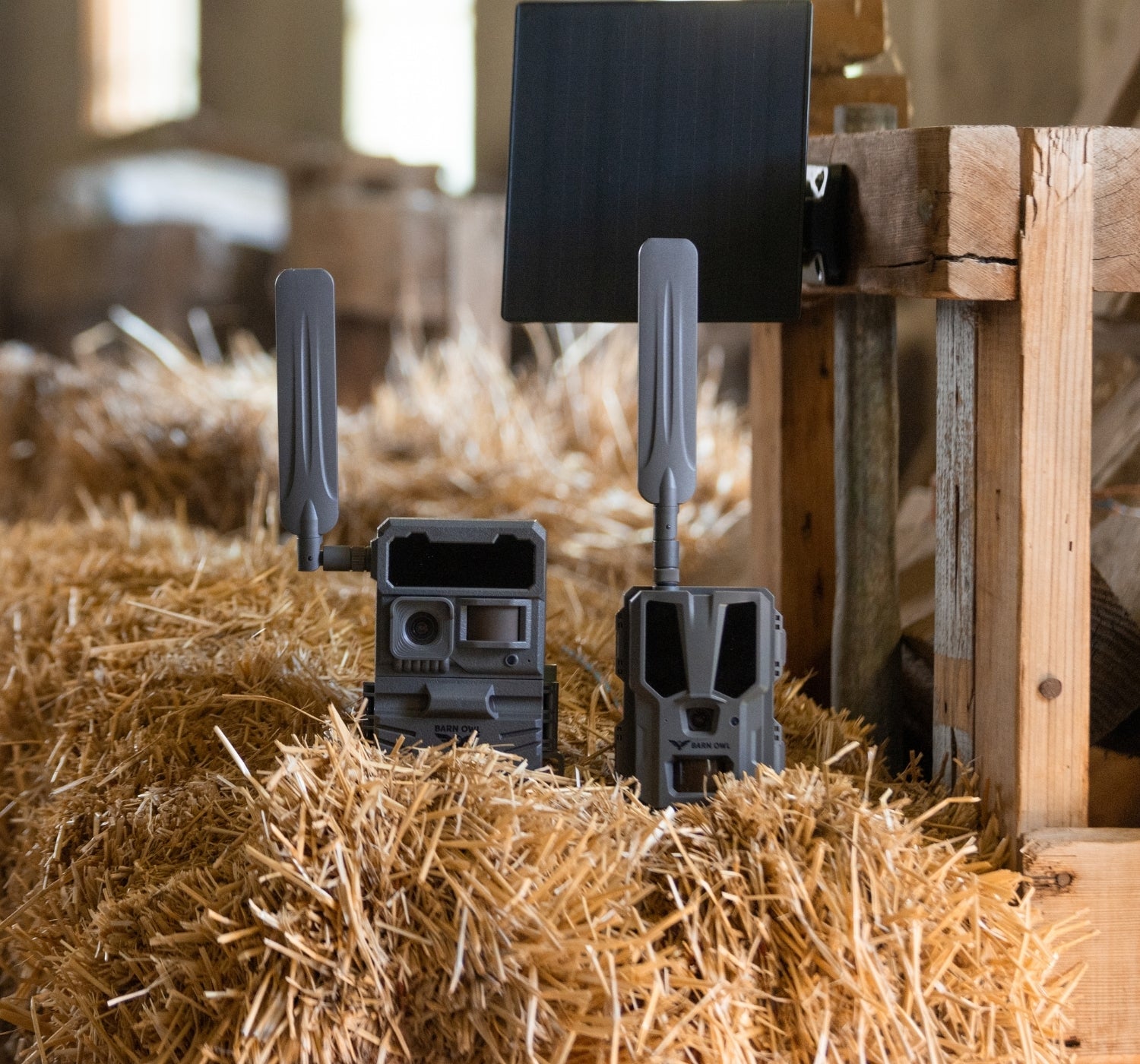
Welcome to the Barn Owl Learning Center

Since our founding in 2017, Barn Owl has become a leader in providing security, real-time insight, operational efficiency and peace of mind across rural America. Our team of experts has build an in-depth knowledge base designed to answer your questions across industries and challenges. Browse our content below by key topic or by blog post date.

Key Topics Users Find Most Helpful

Barn Owl Blog

Barn Owl's team of experts have amassed decades of insights and knowledge into a series of helpful articles. Browse the latest news and posts below, including by topic tag.

Exploring the Benefits of WiFi-Free Cameras

Barn Owl Blog

Exploring the Benefits of WiFi-Free Cameras

by on May 15 2025
In the realm of security, cameras play a pivotal role. They provide a watchful eye over our homes, businesses, and properties. But what if you don't have a reliable internet connection? Or perhaps you're concerned about the potential for hacking via WiFi? Enter the world of WiFi-free cameras. These devices operate without the need for an internet connection, offering a host of benefits. From enhanced security to cost savings, cameras that work without WiFi are gaining popularity. They're ideal for locations with limited or no internet access, and for those who value privacy and reliability. In this guide, we'll delve into the world of non-WiFi cameras. We'll explore their features, benefits, and the various types available on the market. Whether you're a homeowner, a business owner, or simply someone interested in security solutions, this guide is for you. Join us as we explore the benefits of WiFi-free cameras, and discover how they could be the perfect fit for your security needs. Understanding WiFi-Free Camera Technology WiFi-free cameras are marvels of modern technology. Unlike conventional cameras, they don’t depend on internet connections. These cameras employ alternative methods for data transmission and storage. This makes them indispensable where internet access is unreliable or undesired. There are various types of non-WiFi cameras. Some connect to local networks via cables, and others use Bluetooth for device pairing. Bluetooth-enabled cameras create secure, short-range connections to smartphones or tablets. This allows for easy access and management without internet dependency. Cellular cameras are another option. They utilize mobile networks to send alerts and footage directly to your phone. Another noteworthy feature is radio frequency (RF) communication. RF signals enable cameras to transmit data over considerable distances without using internet. Here are the key benefits of WiFi-free cameras: Increased security: Reduces hacking risks by eliminating internet dependency. Robust operation: Functions regardless of internet service disruptions. By understanding these technologies, you can choose the best non-WiFi camera system for your needs. Types of Non-WiFi Cameras WiFi-free cameras come in various forms, each tailored to specific applications. Their design caters to diverse environments and user preferences. CCTV cameras without WiFi use cables to connect to recording devices. These systems are common in commercial and industrial settings. Battery-powered cameras offer flexibility and easy installation. These cameras can be placed anywhere, ideal for locations without power outlets. Bluetooth security cameras provide local connectivity. This feature allows for direct control from mobile devices, eliminating the need for wireless networks. Cellular security cameras are advantageous for remote locations. They use mobile networks to provide real-time updates and footage streaming - perfect for properties without internet access. Barn Owl cellular cameras are a great example. Built for ranches, farms, and rural areas, they let you monitor gates, pastures, and roads in real time—no WiFi required. With long battery life and flexible mounting options, you can drop them anywhere coverage reaches and stay connected, even miles from the nearest router. Another interesting category is non-WiFi trail cameras. These are used for wildlife monitoring or outdoor surveillance. Here's a list of non-WiFi camera types: CCTV cameras Battery-powered cameras Bluetooth security cameras Cellular security cameras Non-WiFi trail cameras These options provide a range of solutions based on specific needs and environments. How Non-WiFi Cameras Store and Access Footage Non-WiFi cameras offer several methods to store and access footage. These methods ensure effective data management without internet reliance. Many non-WiFi cameras use SD cards for storage. This allows for ample video recording and easy data retrieval. Some systems connect directly to Digital Video Recorders (DVRs). This setup is common in CCTV installations, offering secure and dedicated storage. Cellular cameras transmit footage via mobile networks. This enables remote viewing and alerts, ideal for monitoring from afar. Bluetooth cameras offer local access to footage. Users can view and manage recordings directly from connected devices. Alternative communication methods, like RF signals, are also utilized. These allow data transmission over long distances without the need for WiFi. Here's a summary of storage and access methods: SD cards: For local storage and easy retrieval. DVRs: Used in CCTV setups for secure storage. Cellular networks: Enable remote monitoring and alerts. Bluetooth: Allow device-based footage access and management. RF signals: Provide long-distance data transmission alternatives. Understanding these methods aids in selecting the right solution for your surveillance needs. Advantages of Cameras Without WiFi Cameras without WiFi bring a host of benefits. They offer solutions where internet connectivity isn't available or ideal. They often come with features like motion detection and night vision. These capabilities are crucial for effective surveillance without relying on WiFi. Non-WiFi cameras can be easily integrated into existing security setups. This is done through local connections or API, enhancing overall safety measures. Moreover, their installation is often simpler. Users don't need to configure complex network settings, making the process more straightforward. Here's a quick list of their advantages: Features: Motion detection, night vision. Integration: Easy with local systems. Installation: User-friendly and quick. These advantages make non-WiFi cameras a popular choice among homeowners and businesses alike. Reliability in Various Environments Non-WiFi cameras thrive in environments where internet coverage is poor. They remain operational even when WiFi signals falter. Rural and remote areas benefit significantly from these cameras. Without reliance on WiFi, users experience continuous surveillance. Power outages and network disruptions don’t affect their functionality. Many have alternative power sources like batteries or solar, ensuring uninterrupted operation. Additionally, outdoor environments pose no challenge. These cameras withstand harsh weather, thanks to robust designs and enclosures. Consequently, they deliver steadfast performance. For users in extreme locations, this reliability is invaluable for consistent security. Popular Use Cases for WiFi-Free Cameras WiFi-free cameras serve a variety of security needs. They are especially favored in areas lacking stable internet connectivity. Homeowners find them reliable for securing their properties without the need for WiFi. Many appreciate their simplicity and effectiveness. Businesses rely on these cameras for consistent surveillance. They provide uninterrupted security, even during network outages. Rural and remote properties benefit greatly as well. Owners need not worry about inconsistent internet service affecting their security. Here are some common use cases: Home Security: Enhances safety without internet. Business Surveillance: Offers stable monitoring. Rural Areas: Works well despite weak signals. Their versatility makes non-WiFi cameras a smart investment for various security demands. Home Security Without Internet Homeowners often choose non-WiFi cameras for security. They provide peace of mind without needing complex setups or internet connections. These cameras excel in areas where internet is unstable or unavailable. They ensure continuous coverage with local storage options. Installation is relatively simple. Without the need for network configuration, homeowners can set up quickly and easily. Business and Commercial Surveillance Businesses utilize non-WiFi cameras for reliable monitoring. They maintain security without reliance on inconsistent internet services. In commercial settings, continuous surveillance is crucial. Non-WiFi cameras provide this stability, regardless of network disruptions. Additionally, these cameras function effectively with local security systems. They can easily connect to existing infrastructure for seamless integration through tools like API. Non-WiFi cameras help businesses maintain control over their security footage. Remote and Rural Properties Remote areas often face connectivity challenges. Non-WiFi cameras solve this by offering constant surveillance, independent of internet availability. Rural property owners leverage these cameras for stable monitoring. They are ideal for overseeing large areas or difficult-to-reach locations. These cameras can operate on battery or solar power. This flexibility allows placement in various outdoor environments, no matter how remote. Non-WiFi cameras are also resilient to harsh weather. Their durable construction ensures they withstand environmental conditions while providing consistent security. Choosing the Right WiFi-Free Camera for Your Needs Selecting the ideal WiFi-free camera involves understanding your security priorities. Different environments and needs require varied features. It’s crucial to evaluate your particular circumstances and demands first. Assess where the camera will be used. Some models are designed for indoor use, while others withstand outdoor conditions. Ensure compatibility with your property's specific requirements. Also, consider how you plan to access video footage. Some cameras store data on SD cards, while others link to DVR systems or use cloud storage. This decision might depend on how you prefer to manage recordings. Budget is another critical factor. Cameras vary in price, often reflecting their capabilities. Look for options that balance cost with essential features. Below are some key selection criteria: Environment: Indoor vs outdoor suitability. Storage Options: Local and external storage preferences. Budget: Balancing price and features. These considerations assist in matching available models with your needs effectively. Features to Consider When evaluating camera features, pay attention to image quality. High-definition video offers clear footage, which is essential for identification purposes. Night vision can also be beneficial if you need round-the-clock surveillance. Consider power options carefully. Battery-powered cameras offer flexibility in placement, while hardwired models provide continuous power. Solar-power capabilities add an eco-friendly dimension. You should also consider the camera’s field of view. Wider angles can cover more space, reducing the number of cameras needed. For large areas, this becomes particularly important. Motion detection is another valuable feature. Cameras with this ability alert you of activity, minimizing the need to review hours of footage. It enhances security by drawing attention only to relevant events. Installation and Maintenance Tips Installing a non-WiFi camera requires attention to details. Position cameras to cover entry points while minimizing blind spots. This strategic placement ensures comprehensive coverage. Ensure the camera is securely mounted. Whether using brackets or stands, stability is crucial. This prevents repositioning due to environmental factors, like wind. Regular maintenance keeps cameras functioning optimally. Check for obstructions such as dirt or debris on lenses. Regular cleaning ensures image clarity and performance. Furthermore, ensure power sources are stable and reliable. For battery-powered units, schedule regular checks and replacements. Solar-powered cameras should be free of obstructions to their panels. Lastly, stay updated on technological developments and firmware updates. Manufacturers often release updates that enhance performance or add features. This practice keeps your security system up-to-date and effective. Future Trends in Non-WiFi Security Cameras Non-WiFi security cameras are evolving with technology advancements. One exciting development is the integration of artificial intelligence. AI enhances features like motion detection, making cameras smarter and more effective without relying on the internet. Another trend is improved power solutions. Cameras are increasingly using solar and long-lasting battery technologies. This means more environmentally friendly options that can operate efficiently in areas without electricity or internet access. Lastly, expect better connectivity options. Direct pairing with mobile devices without internet reliance is growing. This allows real-time footage access, enhancing security monitoring flexibility while maintaining privacy and reliability in various settings. Conclusion and Final Thoughts WiFi-free security cameras offer a robust alternative for those seeking privacy and reliability. They address concerns about internet dependency and potential security breaches. These cameras are versatile, suitable for many environments, and cost-effective. As technology advances, their capabilities continue to improve. Choosing the right camera can greatly enhance security without the need for internet connections, providing peace of mind for users. Up next: How to Choose a Wireless Camera System
Top Benefits of Cellular Security Cameras

Barn Owl Blog

Top Benefits of Cellular Security Cameras

by on May 14 2025
In the realm of security, technology has made significant strides. One such advancement is the cellular security camera. These cameras operate on cellular networks. This means they don't rely on Wi-Fi, offering flexibility in placement. They're ideal for remote locations or areas with unreliable internet. This makes them a versatile tool for enhancing security in various settings. Cellular security cameras come with a host of features. From high-definition video quality to motion detection alerts, they offer comprehensive surveillance solutions. They can be powered by batteries or solar energy. This makes them truly wireless and eco-friendly. Their use extends beyond just home or business security. They can monitor wildlife, traffic, and even serve in public safety applications. In this guide, we'll explore the top benefits of cellular security cameras. We'll delve into their features, applications, and what to consider when choosing one. Whether you're a homeowner, business owner, or a tech enthusiast, this guide will help you understand why cellular security cameras are a smart choice. Unmatched Flexibility in Placement One of the greatest advantages of cellular security cameras is their unmatched flexibility in placement. Unlike traditional cameras, they don't need to be near a power outlet or Wi-Fi router. These cameras rely on cellular networks, enabling them to work effectively anywhere with cell coverage. This makes them perfect for rural or remote areas that lack reliable internet access. Cellular security cameras can be installed in hard-to-reach places. This includes construction sites, agricultural fields, and vacation homes, enhancing security where it's most needed. Being wireless, they also provide a clean setup. There are no tangles of wires, which enhances both aesthetics and safety by reducing trip hazards. Furthermore, they can be easily relocated as security needs change. This flexibility makes them an excellent choice for temporary situations and evolving security needs. Remote Monitoring Capabilities Cellular security cameras offer robust remote monitoring capabilities. They allow users to check live footage from anywhere using a smartphone or a computer. This feature is particularly beneficial for travelers and business owners. They can watch over their property or business operations while on the go, ensuring peace of mind. In addition to capturing photos and videos, these cameras can send alerts directly to your device. Motion detection alerts can be customized to notify you of any unusual activity instantly. Real-time updates make it easy to take action fast if needed. This responsiveness enhances the overall security of your premises. Eco-Friendly Power Options Cellular security cameras can utilize eco-friendly power options, making them sustainable and self-sufficient. A common choice is solar power, which harnesses the sun's energy to keep the camera operational. Solar-powered security cameras reduce dependence on traditional power sources. They are ideal for locations where connecting to a power grid might be challenging. Here are some benefits of eco-friendly power options: Reduced Carbon Footprint: Less reliance on fossil fuels. Cost Savings: Lower electricity bills over time. Low Maintenance: Generally requires less upkeep once installed. Independence: Not affected by power outages. These features not only make them efficient but also cost-effective in the long run. Additionally, solar panels can be paired with battery backups, ensuring continuous operation even in cloudy conditions. Eco-friendly power options reflect a commitment to sustainability, aligning security systems with environmentally conscious practices. This choice is perfect for those seeking a green alternative without compromising on security. High-Quality Video and Advanced Features Cellular security cameras offer high-quality video, providing clear and detailed surveillance. HD video ensures that every important detail gets captured, enhancing security and peace of mind. Many cameras come equipped with night vision capabilities. This feature is crucial for round-the-clock monitoring, ensuring clear footage regardless of lighting conditions. Motion detection is another advanced feature present in most cellular cameras. It allows the camera to alert users of any movement, reducing the need for constant monitoring and lets users view real-time footage directly from their smartphones or devices, no matter where they are. Advanced analytics like facial recognition or license plate reading are available in high-end models. These features add sophistication and reliability to security systems. Overall, the combination of high-quality video and advanced features makes cellular security cameras a powerful tool. They provide comprehensive monitoring capabilities, making them a top choice for both residential and commercial use. Resilience and Weather Resistance Cellular security cameras are built to withstand diverse environmental conditions. This makes them ideal for outdoor surveillance where weather can be unpredictable. Most cameras feature weather-resistant casings. These protect delicate internal components from rain, snow, and extreme temperatures. Durability extends beyond weather resistance. Cellular cameras often boast sturdy designs to resist impacts and potential vandalism. Their resilience allows for uninterrupted operation even in harsh climates. This ensures continuous security coverage throughout the year. Choosing a cellular security camera with high resilience can prolong its lifespan. It also ensures consistent performance, making it a dependable part of any security system. Simplified Installation and Setup The allure of cellular security cameras lies in their ease of installation. These cameras often don't require complex wiring. Without the need for extensive cables, setup time is significantly reduced. Most users find they can install these devices without professional help. The wireless nature of cellular cameras is a major advantage. This eliminates the hassle of drilling holes or threading wires. Additionally, many models come with intuitive instructions. This allows homeowners and business owners to get their systems up and running quickly. Cellular cameras offer plug-and-play solutions. This simplicity ensures that even those with limited technical know-how can confidently install and set up their cameras. Looking for a cellular camera that’s truly built for remote monitoring? Barn Owl cameras are designed for easy setup in rural, off-grid, and hard-to-reach locations. With no Wi-Fi required, solar and battery options, and a plug-and-play interface, Barn Owl helps you secure gates, pastures, and property in minutes—not hours. Whether you're monitoring livestock or guarding a mountain cabin, Barn Owl delivers peace of mind without the hassle. Enhanced Security with Real-Time Alerts Cellular security cameras excel in providing real-time alerts, enhancing your security system. These alerts can notify you of any unusual activity immediately. When motion is detected, alerts are sent directly to your smartphone or email. This instant notification ensures you never miss a critical event. You can customize the alert settings to suit your needs. Adjust sensitivity levels to manage when and how notifications are sent. The benefit of real-time alerts extends beyond simple notifications. They allow you to take immediate action if necessary. This quick response capability deters potential intruders and adds an additional layer of security. With cellular cameras, you're always informed and prepared. Cost-Effectiveness and Scalability Cellular security cameras offer a cost-effective alternative to wired systems. They eliminate the need for complex wiring and expensive infrastructure. The upfront savings can be significant, as you avoid extensive installation fees. Many models are designed for easy DIY setup, further reducing costs. Scalability is another key advantage of these cameras. Adding more units to your security system is straightforward and doesn't require technical expertise. Cellular cameras can easily adapt to growing security needs. Whether for a small home or expanding business, they provide flexible solutions. The lack of dependence on physical connections makes them ideal for dynamic environments. As security needs change, your camera system can evolve with minimal hassle. Considerations for Choosing the Right Cellular Security Camera Selecting the right cellular security camera involves considering several key factors. Each feature can impact the camera's performance and suitability for your needs. First, assess the power options available. Consider whether solar-powered or battery-operated models fit your environmental conditions. Next, review the camera's connectivity options. Ensure compatibility with your preferred cellular network provider for reliable performance. It's important to evaluate video quality and additional features. Options like HD resolution, night vision, and motion detection can enhance security. Key considerations include: Power source: solar, battery, or wired Network compatibility: 4G, LTE, or 5G Video quality: HD, 4K Additional features: night vision, motion alerts Finally, think about the camera's durability and weather resistance. Outdoor units require robust construction to withstand elements and ensure longevity. Cellular Security Camera Use Cases Cellular security cameras offer unmatched versatility in their applications. They are perfect for diverse environments, whether urban or rural. Their portability makes them ideal for temporary monitoring needs. Construction sites and event venues often benefit from these adaptable cameras. In residential settings, they provide security for vacation homes and rental properties. Homeowners can monitor their premises remotely with ease. Businesses find them advantageous for monitoring large outdoor areas. They ensure warehouse security or oversee parking lots effectively. Common use cases include: Wildlife monitoring and research Traffic flow observation in urban settings Security at cultural and historical sites Monitoring agricultural activities and livestock Surveillance for remote or isolated properties Law enforcement agencies use cellular cameras for covert operations. Their discreet design supports sensitive surveillance efforts. Cellular cameras offer reassurance for families caring for elderly relatives. Parents can also supervise their children or pets with these devices. Finally, cellular security cameras are excellent for smart city initiatives. They can be integrated with other systems to enhance public safety efficiently. FAQs on Cellular Security Cameras Cellular security cameras come with numerous features and capabilities, leading to a multitude of questions from potential users. Frequently Asked Questions: What networks do cellular cameras use? Most cameras operate on 4G LTE networks for reliable coverage. Do they require a SIM card? Yes, many models include a SIM card for seamless connectivity. How do they perform in harsh weather? These cameras are designed with weather-resistant features for outdoor use. Are they easy to install? Installation is generally simple, often not requiring professional assistance. What are the storage options available? They typically offer cloud and local storage solutions for video backup. Choosing the right camera involves understanding its features and requirements. With their ease of use and robust capabilities, cellular security cameras meet diverse surveillance needs effectively. Conclusion: Why Cellular Security Cameras Are a Smart Choice Cellular security cameras stand out in the market for several reasons. Their ability to operate independently of Wi-Fi offers unparalleled flexibility. This feature makes them ideal for diverse locations, from remote areas to urban settings. The eco-friendly power options, such as solar panels, further enhance their appeal. Users can enjoy maintenance-free operation alongside sustainable energy use, making these cameras an environmentally conscious choice. Additionally, cellular security cameras provide advanced features like real-time alerts and high-definition video. These capabilities ensure users receive clear footage and timely notifications, significantly enhancing security measures. Overall, cellular security cameras are not just a purchase but a strategic security investment. They offer cutting-edge solutions that cater to modern surveillance needs, blending efficiency with innovation. Up next: Advantages of Cellular Security Cameras Explained
Ultimate Guide to Offline Camera Options

Barn Owl Blog

Ultimate Guide to Offline Camera Options

by on May 14 2025
In the world of surveillance, the need for constant connectivity can be a hurdle. Not all locations have reliable Wi-Fi. Enter the solution: cameras that work without Wi-Fi. These offline camera options offer a unique blend of flexibility and security. They function without the need for constant internet access, making them ideal for a variety of settings. From remote rural properties to bustling city centers, these cameras provide reliable surveillance. They can be used in homes, businesses, or even outdoor environments. This guide will delve into the world of cameras that operate without Wi-Fi. We'll explore their features, benefits, and how they work. Whether you're a homeowner, business owner, or a tech enthusiast, this guide is for you. It aims to help you make an informed decision when choosing a security solution. So, let's dive into the ultimate guide to offline camera options. Discover the freedom and flexibility of surveillance without the constraints of Wi-Fi. Understanding Offline Cameras: What Are They and How Do They Work? Offline cameras are designed to function independently of internet connections. These systems do not rely on Wi-Fi signals to operate effectively. Instead, they use local technologies and storage solutions. This capability makes them highly versatile and functional. Key Features of Offline Cameras Local Storage: Use SD cards or external hard drives. Self-Powered: Often battery or solar powered. Wireless Transmission: Use cellular signal instead of internet. These features allow offline cameras to provide reliable security. They can record and store footage without needing the internet. Offline cameras often include various technologies to enhance their functionality. These might include local network setups or cellular options. Many offline cameras also incorporate power management features. This ensures consistent operation, even during power outages. Their ability to function independently makes them ideal for remote locations. They can be deployed in areas where internet access is unreliable or unavailable. Overall, offline cameras offer a robust solution for surveillance. They ensure that users have consistent monitoring without relying on complex network infrastructures. The Advantages of Cameras Without Wi-Fi Cameras without Wi-Fi offer numerous benefits. They provide a reliable security solution when connectivity is an issue. One of their key advantages is their independence from network services. They avoid network outages impacting security coverage. Offline cameras often feature simpler installation processes. Without needing Wi-Fi, they can be set up in areas without internet infrastructure. Advantages at a Glance Increased Privacy: Less exposure to cyber threats. Simplified Installation: No reliance on complex networks. Versatility: Usable in remote or off-grid locations. Additionally, offline cameras tend to have robust designs. They're often built to withstand harsh conditions, making them suitable for outdoor use. Their versatility makes them ideal for various applications. They can be used for home security, remote properties, or temporary setups. Their flexibility extends to power options as well. Many models include battery or solar power solutions for continuous operation. Finally, offline cameras' operation does not impact internet bandwidth. This ensures other home or business applications can run smoothly. Overall, cameras without Wi-Fi offer significant advantages. They provide security solutions with privacy, cost savings, and versatility. Types of Cameras That Operate Without Wi-Fi Cameras that work without Wi-Fi cover a range of types, each offering distinct features. These cameras are ideal for areas with unreliable internet. One common type is the CCTV camera without Wi-Fi. These cameras are typically hardwired systems that use cables to connect to monitoring and recording devices. Wireless security cameras without internet connectivity also exist. They often use local storage methods for data preservation, such as SD cards or NVRs. Cellular security cameras present another option. These cameras utilize mobile networks to function, offering remote access without a Wi-Fi connection. Bluetooth security cameras bring another layer of flexibility. They connect directly to devices like smartphones, offering live viewing without Wi-Fi. Common Non-Wi-Fi Camera Types CCTV Cameras: Hardwired, require no Wi-Fi. Wireless Security Cameras: Feature local storage for footage. Cellular Cameras: Operate through mobile networks. Bluetooth Cameras: Connect directly to phones. Non-Wi-Fi cameras are also suited for specific needs. For example, they are great for rural areas with limited internet access. These camera types often come with various features, like night vision and motion detection, enhancing security further. Another benefit is their adaptability in temporary settings, like events or remote job sites, where internet setup isn't feasible. CCTV Cameras Without Wi-Fi CCTV cameras are known for their reliability. They typically use coaxial cables to connect to DVRs, recording surveillance footage locally. These cameras are common in businesses and public spaces. Their design ensures constant monitoring without relying on the internet. Wireless Security Cameras Without Internet Wireless cameras function without internet by using local storage. They often store footage directly onto SD cards or use external storage devices. This type of camera is ideal for home and small business use. It offers flexibility in placement and installation since no extensive wiring is required. Cellular Security Cameras: No Wi-Fi Needed Cellular cameras use cellular networks to operate. This feature allows for real-time access and monitoring from remote locations. They're well-suited for remote areas or properties. Using a mobile network ensures they function without the constraints of a Wi-Fi setup. One top performer in this category is  Barn Owl. Designed for farms, ranches, and off-grid properties, Barn Owl uses cellular connectivity (not Wi-Fi) to send motion-triggered photos and updates right to your phone, app, or email. No complicated setup, no dependency on local internet—just smart, rugged surveillance made for real-world rural conditions. Whether you’re keeping tabs on a gate, checking on livestock, or watching over remote equipment, Barn Owl offers dependable, wireless peace of mind. Bluetooth Security Cameras Without Wi-Fi Bluetooth security cameras offer a direct connection to mobile devices. This feature enables live viewing without an internet link. They're perfect for short-range monitoring. Their reliance on Bluetooth allows them to connect quickly to nearby devices. Storing Footage Offline: How Do Non-Wi-Fi Cameras Save Data? Storing footage offline is a crucial feature for cameras that don't rely on Wi-Fi. These systems use several methods to ensure your data is secure and accessible. One common approach is using local storage. Many non-Wi-Fi cameras come equipped with SD card slots. This allows the camera to record video directly onto the card. Once full, older data is typically overwritten, ensuring continuous monitoring. Another popular method is connecting to a network video recorder (NVR) or digital video recorder (DVR). These devices store large amounts of video footage and offer easy retrieval when needed. Unlike relying on cloud storage, this method keeps data on-premises. Some systems even offer external hard drive connections. This option provides additional storage capacity, which is especially useful for high-resolution footage. It's a helpful solution for those needing longer retention periods. Key storage options for non-Wi-Fi cameras include: SD Card Slots: Direct recording and easy access. NVR/DVR Systems: High capacity and centralized storage. External Hard Drives: Expanded storage and high-resolution capability. Offline storage prevents concerns about internet interruptions affecting data. It also keeps sensitive footage out of the cloud, enhancing privacy. In addition to these storage methods, battery and solar-powered options can further enhance the flexibility of offline cameras. By ensuring cameras have reliable power sources, users can have consistent security coverage. This independence from traditional power grids improves overall reliability and effectiveness. Barn Owl cameras offer cloud storage in addition to localized SD card storage to ensure you have access to your pictures and videos from anywhere. Key Features to Look for in Offline Cameras When selecting a camera that doesn't rely on Wi-Fi, several features ensure effectiveness and convenience. Each feature plays a crucial role in security and ease of use. Firstly, resolution is a critical component. High-resolution cameras provide clear, detailed images, crucial for identifying faces or license plates. Look for a balance between resolution and storage capacity to maximize efficiency. Night vision is another vital feature for round-the-clock surveillance. Infrared LEDs in cameras allow for clear imaging in low-light conditions. This capability is essential for outdoor cameras or poorly lit indoor areas. Motion detection is a must-have for any security system. Cameras with this feature can alert you when movement is detected. Coupling this with instant alerts means you can respond in real-time to potential threats. Battery and solar power options offer flexibility and reliability. Battery-powered cameras are easy to install and ideal for areas without power outlets. Solar-powered systems provide a sustainable option, ensuring continuous operation without frequent battery replacement. Consider the camera's field of view to cover larger areas with fewer devices. A wide-angle lens helps capture more without sacrificing image quality. This feature reduces blind spots and maximizes monitoring efficiency. Key features to consider include: Resolution: Clarity and detail in images. Night Vision: Full-time surveillance capability. Motion Detection: Instant alerts and timely responses. Power Options: Battery and solar flexibility. Field of View: Efficient area coverage. Resolution and Night Vision High resolution in cameras ensures you capture clear images. This detail can be pivotal during post-incident investigations. A camera with 1080p or higher is usually recommended for most security needs. Incorporating night vision enhances the camera’s utility. Infrared technology allows cameras to see in darkness. This feature extends security operations beyond daylight hours, offering full-time protection for your property. Motion Detection and Alerts Motion detection is critical for minimizing storage use and prioritizing alerts. It allows the camera to record only when there is movement. This approach saves memory and makes reviewing footage easier. Linking motion detection with alert systems is advantageous. Alerts can notify you of unusual activity, enabling quick responses. Many cameras provide smartphone notifications, keeping you informed no matter where you are. Power Options: Battery and Solar Battery-powered cameras are excellent for flexibility and portability. They require no wiring and are easy to install. However, consider battery life and replacement costs for long-term use. Solar power is increasingly popular in security solutions. Solar panels ensure that cameras remain operational without manual intervention. By harnessing solar energy, cameras can function sustainably, reducing environmental impact and maintenance needs. Installation and Maintenance of Non-Wi-Fi Cameras Setting up non-Wi-Fi cameras is generally straightforward. Begin by selecting strategic locations for optimal coverage. Ensure the camera's field of view is unobstructed and covers all key areas. Mounting techniques vary, with some cameras offering magnetic or adhesive mounting for simplicity. For outdoor use, consider weatherproof enclosures. These protect the camera from environmental elements, prolonging the device's lifespan. Regular maintenance is essential to maintain peak performance. Periodically check the camera for any physical obstructions or damage. Test the motion detection and alert functions to confirm they operate as expected. Keep the lenses clean to ensure image clarity and check power sources, whether batteries or solar panels, to avoid unexpected downtimes. Legal and Privacy Considerations for Offline Surveillance When using offline cameras, it's crucial to understand the legal implications. Different regions have varying laws regarding video and audio recording. Ensure compliance by researching local regulations before installation. Privacy is another key concern. Installing cameras in private areas, like bedrooms or bathrooms, is generally illegal. Avoid pointing cameras towards your neighbor’s property to respect their privacy rights. Signage indicating video surveillance can be beneficial. It provides transparency and alerts visitors that their actions are monitored. This can deter potential wrongdoers while ensuring everyone is aware of the surveillance measures in place. Top Picks: Best Cameras That Work Without Wi-Fi Choosing the right camera can be overwhelming with so many options. We've narrowed down the choices to make it easier. Here are the top picks for various settings and needs. Each camera offers unique benefits. We've considered features like ease of installation, storage options, and durability. These selections cater to homeowners, business owners, and users in remote locations. Best Cameras That Work Without Wi-Fi: For Home Use: Simplified setup and clear resolution for peace of mind. For Business Owners: Reliable recording capabilities with advanced security features. For Remote Locations: Power efficiency and rugged design for challenging environments. The right camera depends on your specific requirements. Consider storage capacity, power sources, and desired features when making your decision. It's important to have a camera that fits seamlessly into its intended environment. The technology behind these cameras is impressive. They ensure your property stays monitored without needing internet connectivity. Remember, even offline, these cameras offer robust security features. Conclusion: Embracing the Freedom of Wi-Fi-Free Cameras The flexibility of non-Wi-Fi cameras offers users newfound independence. Without reliance on internet connectivity, these cameras bring robust security solutions wherever you need them. This is particularly valuable in areas with poor or inconsistent internet service. Investing in a Wi-Fi-free camera system enhances security and privacy. These systems offer versatile features tailored to various needs, from home to business settings. Whether you're securing a home or monitoring a remote site, offline cameras provide a reliable surveillance option without the need for internet access. Adopting these cameras empowers you to protect what's important—anywhere, anytime. FAQs About Cameras Without Wi-Fi When considering cameras without Wi-Fi, you might have several questions. These systems offer unique solutions but may require some adjustments to your expectations. Below, we address common questions to help you make informed decisions. Can I access my camera remotely without Wi-Fi? Yes, remote access is possible using cellular data. Cellular security cameras use mobile networks to transmit footage. This allows you to view camera feeds from your smartphone, ensuring you stay connected. How do I power a camera without Wi-Fi? Powering a non-Wi-Fi camera often involves using batteries or solar panels. These options offer flexibility in placement. Battery-powered cameras are portable, while solar panels provide a sustainable, long-term solution, especially for outdoor cameras. What are the best locations for installing non-Wi-Fi cameras? Ideal locations include areas with strong cellular signals or easy access to power sources. Entry points, such as doors and windows, benefit from camera coverage. Additionally, outdoor areas that need continuous monitoring are good choices for installation. Up next: Capture Moments: Cameras Without Internet Dependence
Passing the Torch: How Farm Link and Succession Planning Programs Keep Farmland Farming

Barn Owl Blog

Passing the Torch: How Farm Link and Succession Planning Programs Keep Farmland Farming

by on May 08 2025
America is on the verge of a massive generational transition in agriculture. According to the USDA, nearly two-thirds of U.S. farmland is expected to change hands in the next two decades. With aging farmers retiring and fewer young people stepping into their boots, the future of farming—and the land it depends on—is at a crossroads. That’s where Farm Link programs and succession planning initiatives come into play. These tools help ensure that when today’s farmers step back, a new generation is ready—and able—to carry the land forward. The Problem: Farmland in Transition As farmers age, many face a dilemma: “What will happen to my land when I’m gone?” Without a clear plan, farms may be: Sold to developers Split up among heirs Lost to non-farming uses Taken out of production altogether Simultaneously, beginning farmers struggle to access affordable farmland, especially near urban areas. They often lack capital, connections, and knowledge of available land. What Is a Farm Link Program? Farm Link programs act as a matchmaker between: Landowners (often retiring farmers) Land seekers (typically beginning or underserved farmers) These programs: Maintain databases of land for lease, sale, or transfer Help landowners and seekers create profiles to share their goals Facilitate communication and matchmaking Sometimes provide legal, financial, or mentorship support They aim to preserve farmland, keep it in production, and support viable transitions—not just land transactions. How Farm Link Works (Step-by-Step) A retiring farmer creates a listing with information about their land, operation, timeline, and what kind of successor they’re looking for. A land seeker (often a new farmer) registers their experience, interests, and location preferences. The program helps them connect, communicate, and explore possible arrangements: Lease-to-own agreements Partnerships or internships Outright sale or inheritance Some programs offer support services, such as: Sample lease templates Legal advice or referrals Business plan assistance What Is Succession Planning? Farm succession planning is the process of transferring farm ownership, management, and decision-making from one generation to the next. It’s not just about legal paperwork—it’s about: Clarifying goals Communicating with family members Planning for financial security Minimizing taxes and legal risks Preserving the operation’s long-term viability Succession planning takes time—often 3–10 years or more—and should involve legal, tax, and estate professionals. What Do Succession Planning Programs Offer? These programs, often hosted by: Land-grant universities Cooperative extensions Land trusts Nonprofits like American Farmland Trust ...typically provide: Workshops and webinars One-on-one consulting Tools and guides on wills, trusts, LLCs, buy-sell agreements Family meeting facilitation Retirement and legacy planning Some also offer transition coaching, helping families navigate the emotional and interpersonal aspects of letting go and taking over. Farm Link + Succession Planning = Farmland Retention These two tools complement each other perfectly: Succession Planning Farm Link Programs Helps farm families transfer land internally Connects unrelated landowners and land seekers Focused on long-term strategy and family legacy Focused on access and matchmaking Often includes estate, legal, and financial advice Often includes communication and mentorship support Best for farms with family successors Ideal when no successor is identified Together, they help solve both sides of the land transition equation—and keep land out of the hands of non-farm developers. Examples of Farm Link and Succession Programs California FarmLink Provides land linking, financing, and legal services for farmers in California. Maine Farmland Trust's FarmLink Program Connects landowners and seekers, with added support for conservation easements and affordable access. NY FarmNet Helps New York farm families with business, financial, and succession planning, plus counseling services. Land for Good (New England) A regional leader in land access and farm succession planning. Offers coaching, courses, and legal templates. Why These Programs Matter Farmland retention: Prevents land from being sold to developers or lost to fragmentation. Next-gen farmer support: Lowers barriers to entry for new and socially disadvantaged farmers. Rural economic vitality: Keeps farms operating and communities thriving. Equity and inclusion: Creates opportunities for those historically excluded from land ownership. What You Can Do If You’re a Landowner: Start your succession plan early—even if you’re not ready to retire. Explore Farm Link programs if you don’t have a family successor. Consider conservation easements to preserve your land’s legacy. If You’re a Land Seeker: Join a Farm Link database in your state. Build a strong resume and business plan. Look for mentorship and financing resources. If You’re a Policy Advocate or Supporter: Fund farmland transition and access programs. Support legal services and mediation for farm families. Promote policies that encourage intergenerational land transfer. Conclusion: Preparing for the Future, Today Farmland protection doesn’t just mean saving land from bulldozers—it also means helping the right people get onto it, and stay on it. Farm Link and succession planning programs play a crucial role in bridging the gap between retiring farmers and the next generation. These aren’t just technical solutions. They’re about relationships, trust, and legacy. By supporting them, we help ensure that farmland—and farming—remains a living tradition, not a relic of the past. Want to explore a Farm Link program in your area? Visit  National Farm Transition Network to find regional listings and resources.
Saving Farmland, One Acre at a Time: The Role of Land Trusts and Conservation Nonprofits

Barn Owl Blog

Saving Farmland, One Acre at a Time: The Role of Land Trusts and Conservation Nonprofits

by on May 08 2025
When you think of farmland protection, you might picture zoning ordinances or tax incentives. But some of the most effective—and passionate—advocates for saving agricultural land are nonprofit land trusts and conservation organizations working quietly in communities across the United States. These groups aren’t government agencies. They’re mission-driven, community-rooted nonprofits that work directly with landowners to keep farmland in production, forever. In this blog post, we’ll explore who these groups are, what they do, and why their work is essential to the future of farming. What Are Land Trusts? Land trusts are private, nonprofit organizations that protect land for conservation purposes, including agriculture. They work voluntarily with landowners to conserve land through tools like: Conservation easements Land acquisition Farmland access programs Stewardship and monitoring There are more than 1,700 land trusts in the U.S., and many focus specifically on preserving working lands like farms, ranches, and orchards. Notable examples include: American Farmland Trust (AFT) Equity Trust State and regional groups like the Vermont Land Trust, Marin Agricultural Land Trust (MALT), and Lancaster Farmland Trust How Land Trusts Protect Farmland 1. Conservation Easements Land trusts often work with farmers to place voluntary, permanent conservation easements on their land. These legal agreements: Restrict non-agricultural development Allow the land to remain privately owned and farmed Are recorded with the deed and passed on to future owners Land trusts draft, negotiate, fund, and steward these easements, often using public funds (from state or federal programs) or private donations. Example: A land trust buys the development rights on a 100-acre farm, ensuring it can never be turned into a housing development. 2. Buying and Leasing Farmland Some land trusts buy farmland directly, then lease or sell it to farmers at affordable rates with long-term restrictions. This helps: Keep land in the hands of farmers Prevent land from being sold to non-agricultural interests Increase access for beginning, underserved, or landless farmers Some land trusts also use the Buy-Protect-Sell model: Buy farmland on the open market Place a conservation easement on it Sell the protected land at a reduced price to a working farmer 3. Technical Assistance and Education Land trusts often provide: Guidance on estate planning and succession Help navigating tax incentives Workshops on conservation tools Mentorship programs for new farmers Their relationships with landowners are trust-based and long-term, built over years of listening and collaboration. 4. Partnership with Government and Communities Land trusts are often the bridge between private landowners and public funding sources like: USDA’s Agricultural Conservation Easement Program (ACEP) State farmland protection programs Local land conservation ballot measures They also play an advocacy role by: Educating the public on the importance of farmland Supporting farmland-friendly policies Raising funds from foundations and individual donors Why Land Trusts Matter for Farmland Farmland is lost every day—roughly 2,000 acres in the U.S. are converted to non-agricultural uses daily. This loss threatens: Local food systems Climate resilience Rural economies Cultural heritage Land trusts step in to permanently protect farms, often when no one else can. Their work is: Voluntary: Landowners choose to work with them. Community-centered: They understand local land use, farming practices, and values. Enduring: Easements are permanent and monitored forever. Land Trusts as Part of the Bigger Picture Land trusts often work hand-in-hand with other farmland protection tools: Agricultural zoning: Sets the policy foundation Purchase of development rights (PDR): Provides funding mechanisms Right-to-farm laws: Protect day-to-day operations Tax incentives: Sweeten the deal for landowners Together, these tools create layers of protection—with land trusts often serving as the connective tissue. How You Can Support Farmland-Focused Land Trusts Donate: Many land trusts rely on donations to fund easements and stewardship. Volunteer: Help with monitoring, outreach, or event planning. Advocate: Support policies that fund farmland conservation. Spread the word: Educate others about the importance of preserving farmland. Work with them: If you own land, talk to a local land trust about your conservation goals. Conclusion: Partners in Permanence Farmland doesn’t protect itself. It needs advocates, stewards, and community support. Land trusts and conservation nonprofits are on the front lines of this work—quietly and persistently protecting the lands that feed us, generation after generation. Whether you’re a landowner, policymaker, or concerned citizen, supporting the mission of these organizations is a powerful way to ensure that America’s farmland stays in farming—forever. Want to find a land trust near you? Visit Land Trust Alliance’s Find a Land Trust tool to get connected. Up next: Passing the Torch: How Farm Link and Succession Planning Programs Keep Farmland Farming
Funding the Future of Farming: State and Federal Preservation Programs

Barn Owl Blog

Funding the Future of Farming: State and Federal Preservation Programs

by on May 08 2025
Preserving farmland takes more than passion and planning—it takes funding. Fortunately, there are robust state and federal programs that provide the dollars needed to help farmers protect their land through conservation easements, development rights purchases, and other preservation tools. These programs offer landowners real financial support to keep farms viable and undeveloped for generations to come. What Are State and Federal Farmland Preservation Programs? These are public funding initiatives designed to incentivize the permanent protection of agricultural land. Most programs provide cost-share or full funding for the purchase of development rights (PDRs), usually through conservation easements. Some also support agricultural district enrollment, soil conservation practices, or land acquisition by land trusts. They exist at both the federal and state levels, with funding often coming from voter-approved bonds, agricultural departments, or conservation agencies. How It Works Federal Programs: Agricultural Conservation Easement Program (ACEP): Administered by: USDA's Natural Resources Conservation Service (NRCS). Components: Agricultural Land Easements (ALE): Helps protect working agricultural lands by limiting non-agricultural uses. Wetland Reserve Easements (WRE): Aims to restore and protect wetlands on private and tribal lands. Eligibility: Private and tribal landowners, land trusts, and other entities. Application: Entities apply through NRCS state offices. Environmental Quality Incentives Program (EQIP): Provides financial and technical assistance to agricultural producers to implement conservation practices. Conservation Stewardship Program (CSP): Supports producers in maintaining and improving existing conservation systems and adopting additional practices. State Programs: Many states have established their own programs to complement federal efforts: California – Sustainable Agricultural Lands Conservation (SALC) Program: Administered by: California Department of Conservation. Focus: Funds conservation easements and planning grants to protect agricultural lands under threat of development. New York – Farmland Protection Implementation Grants (FPIG): Administered by: New York State Department of Agriculture and Markets. Focus: Provides funding to purchase development rights to protect viable agricultural land. Maryland – Agricultural Land Preservation Foundation (MALPF): Administered by: Maryland Department of Agriculture. Focus: Purchases agricultural preservation easements from willing sellers to permanently protect farmland. Pennsylvania – Agricultural Conservation Easement Purchase Program (ACEPP): Administered by: Pennsylvania Department of Agriculture. Focus: Partners with counties to purchase conservation easements on productive farmland. Washington – Farmland Preservation Program: Administered by: Washington State Recreation and Conservation Office. Focus: Provides grants to buy development rights on farmlands to ensure they remain available for farming. Benefits: Financial Incentives: Offers landowners compensation for placing conservation easements on their property, making preservation economically viable. Tax Benefits: Landowners may receive property tax reductions and other tax incentives. Farm Viability: Ensures long-term access to affordable farmland for future generations. Environmental Protection: Preserves open space, protects wildlife habitats, and maintains ecosystem services. Community Engagement: Encourages collaboration between landowners, governments, and conservation organizations. For a comprehensive list of farmland protection programs by state, you can explore the  Farmland Protection Directory, which provides detailed information on various initiatives across the United States. Conclusion State and federal farmland preservation programs are the financial backbone of the conservation movement. They offer essential resources that help farmers do what they do best—grow food and steward the land—while making sure future generations can do the same. These programs don’t just protect acres; they protect livelihoods, traditions, and the future of rural America. If you’re a landowner interested in preserving your land, start by contacting your state department of agriculture or a local land trust. They can guide you through available funding opportunities and help you take the next step. Up next: Saving Farmland, One Acre at a Time: The Role of Land Trusts and Conservation Nonprofits

Showing 144/224