Welcome to the Barn Owl Learning Center

Since our founding in 2017, Barn Owl has become a leader in providing security, real-time insight, operational efficiency and peace of mind across rural America. Our team of experts has build an in-depth knowledge base designed to answer your questions across industries and challenges. Browse our content below by key topic or by blog post date.

Key Topics Users Find Most Helpful

Barn Owl Blog

Barn Owl's team of experts have amassed decades of insights and knowledge into a series of helpful articles. Browse the latest news and posts below, including by topic tag.

Stay Ahead of Fall Fence & Gate Issues with Remote Cameras

Barn Owl Blog

Stay Ahead of Fall Fence & Gate Issues with Remote Cameras

by on Sep 05 2025
Why Fall Fence & Gate Maintenance Matters Fall is a critical time for pasture management. As cattle are rotated into winter or late-fall pastures, fences and gates are put under more pressure. Weather, heavy livestock traffic, and natural wear can create weak spots or gaps that lead to escapes, injuries, or property damage. A broken gate or fence section might seem minor—but for farmers and ranchers, it can mean hours of chasing cattle, lost feed, or even liability if livestock wander onto a neighbor’s property. Proactive monitoring is key to keeping your operation running smoothly. Common Fall Pasture Challenges Increased Livestock Pressure – Cattle pushing through gates or rubbing on fences can weaken structures. Weather Damage – Wind, ice, and early storms can knock down posts or collapse panels. Remote Pastures – Checking every fence line in large operations is time-consuming. Shorter Daylight – Less daylight makes thorough inspections harder and riskier. How Barn Owl Cameras Help with Fence & Gate Management Barn Owl cameras make monitoring fences and gates simpler and more effective: Remote Oversight – Check gate and fence lines without leaving your vehicle or cabin. Early Detection of Problems – Motion-triggered alerts can notify you when livestock pressure a weak gate or a section of fence fails. Monitor Cattle Movements – See which pastures they are using most and identify patterns that might indicate stress or curiosity about weak spots. Nighttime Visibility – Infrared capabilities allow you to monitor after sunset, ensuring you catch issues that might happen in the dark. Barn Owl cameras’ flexibility makes it easy to adjust monitoring locations as livestock move between pastures throughout the season. Saving Time and Preventing Escapes Large farms and ranches often require multiple trips to check fence lines, especially in fall when livestock are rotated. Barn Owl cameras reduce these trips by letting you monitor remotely. Quickly spotting a damaged fence before animals push through prevents loss, reduces labor, and avoids stress for both you and your herd. With fewer emergencies, you can focus on other critical fall tasks, from feed preparation to winter pasture planning. Final Takeaway Fall pasture and fencing checks are essential for herd health, property protection, and farm efficiency. Barn Owl cameras provide a reliable, flexible way to monitor fences and gates remotely, ensuring you catch issues early and maintain control over your livestock. With remote monitoring, you gain more time, reduce labor, and protect your herd—making fall pasture management safer and more efficient than ever.
Protecting Farm Assets During Harvest with Barn Owl

Barn Owl Blog

Protecting Farm Assets During Harvest with Barn Owl

by on Sep 05 2025
Why Harvest Season Increases Security Risks Harvest is the busiest season of the year for many farmers and ranchers. Combines, grain carts, and semis move across fields nonstop. Equipment is left in multiple locations, fuel tanks are in high demand, and grain bins start filling with valuable crops. Unfortunately, harvest also increases the risk of theft and trespassing. Opportunists know farms are bustling, and equipment or storage areas may not always be closely watched. Fuel, grain, and tools can quickly become targets when workers are stretched thin and daylight hours are shorter. That’s why harvest season is the perfect time to take farm security seriously—and why Barn Owl cameras have become a trusted solution for protecting operations. Common Security Challenges During Harvest Equipment Spread Across Fields – Combines, tractors, and trucks often sit overnight in remote locations. Fuel Storage – Diesel and gasoline tanks are easy targets for theft. Grain & Hay Storage – Bins, piles, and bales are vulnerable to trespassers or even accidental damage. High Traffic – With workers, contractors, and delivery drivers coming and going, it’s hard to track who’s on your property. Reduced Oversight at Night – Shorter days mean more nighttime hours when activity is harder to monitor. How Barn Owl Cameras Strengthen Harvest Security Barn Owl cameras are built for rural environments and provide reliable, remote security monitoring during the hectic harvest season. Here’s how they help: Monitor Remote Equipment – Place a camera near combines, tractors, or parked trucks to keep eyes on them when you’re not around. Protect Fuel Tanks – Position cameras to watch bulk fuel storage and receive alerts if there’s activity at unusual times. Secure Grain & Hay Storage – Cameras near bins, barns, or stacks deter trespassers and capture evidence if needed. Track Farm Traffic – See who’s entering and leaving your property with motion-triggered updates. Nighttime Oversight – Infrared and low-light features let you keep watch even after sunset. Saving Time & Stress During Harvest With long days in the field, farmers and ranchers don’t have time to worry about what’s happening back at the yard or down the road. Barn Owl cameras act as your second set of eyes, sending updates directly to your phone while you keep working. Instead of leaving equipment or fuel storage unchecked overnight, you’ll know immediately if something unusual happens. That means less stress, fewer interruptions, and better peace of mind throughout the season. Final Takeaway Harvest season is a time of hard work and high value—but also a time of increased risk. By setting up Barn Owl cameras at strategic points around equipment, storage, and access lanes, farmers and ranchers can protect their investments and focus on bringing in the crop. With Barn Owl, you don’t just work harder during harvest—you work smarter, knowing your operation is secure.
Keeping Livestock Watered Through the Fall: Smarter Monitoring with Barn Owl

Barn Owl Blog

Keeping Livestock Watered Through the Fall: Smarter Monitoring with Barn Owl

by on Sep 05 2025
Why Fall Water Management Matters As the weather cools, it’s easy to think water becomes less of a concern for livestock. Cattle, horses, and other animals may drink less than they do in the summer heat, but they still require a steady supply of fresh water to stay healthy. A mature beef cow, for example, can consume 10–20 gallons of water per day even in cooler conditions. The challenge for farmers and ranchers is that fall brings unpredictable weather. Early freezes can lock up water systems overnight, and shorter days mean fewer daylight hours to make checks across wide pastures. A small issue—like a tank heater failing or a float valve sticking—can quickly become a big problem. That’s where smarter monitoring tools, like Barn Owl cameras, come in. Common Fall Watering Challenges for Farmers & Ranchers Early Freezes – Sudden cold snaps can freeze pipes, troughs, or float valves. Reduced Water Intake – Animals may drink less, but they still need consistent access to prevent dehydration. Remote Tanks & Troughs – Driving miles just to confirm tanks are full wastes time and fuel. Unpredictable Weather – Storms and wind can damage covers, pumps, or heaters. How Barn Owl Cameras Help with Fall Water Management Barn Owl cameras are designed to work in the rugged, remote environments where livestock live. Here’s how they make fall water management easier: Remote Tank Monitoring: Instead of multiple trips across pasture, you can check water levels from your phone. Early Problem Detection: See if a heater is failing or a tank is low before livestock are stressed. Day & Night Visibility: With infrared and low-light capabilities, you can confirm water access even after dark. Real-Time Alerts: Motion-triggered updates let you know when livestock are gathering at tanks or when wildlife is interfering. Equipment Needed for Fall Water Monitoring Reliable Tanks or Troughs – Sized appropriately for herd demand. Heaters or De-icers – Prevent ice formation in late fall and winter. Float Valves & Pumps – To maintain water levels automatically. Barn Owl Cameras – Mounted on posts or nearby structures to provide a clear view of tanks. Barn Owl’s flexibility means cameras can be powered by battery or solar, making them easy to install even in pastures far from electricity. Saving Time, Fuel, and Stress This Fall Monitoring water is one of the most time-consuming jobs on a ranch. In fall, when daylight is short and workloads are heavy, Barn Owl cameras save trips while still giving you confidence that livestock have what they need. Instead of driving miles to check tanks, you can pull out your phone, confirm everything is working, and focus on other pressing jobs. When temperatures drop or storms roll through, you’ll have peace of mind knowing you’ll catch problems early. Final Takeaway Water remains just as important in the fall as in summer—sometimes even more so, since freezes and equipment failures can sneak up quickly. With Barn Owl cameras, farmers and ranchers gain a reliable set of eyes on remote tanks, heaters, and pumps. The result: healthier livestock, fewer wasted trips, and greater peace of mind.
Post-Hunt Applications: Managing Game and Land Year-Round

Barn Owl Blog

Post-Hunt Applications: Managing Game and Land Year-Round

by on Aug 28 2025
Hunting season eventually ends, but smart hunters know the work doesn’t stop. Off-season management is critical for maintaining healthy wildlife populations, protecting property, and preparing for the next season. Remote cameras aren’t just for scouting—they’re a year-round tool for property and wildlife management. Beyond Hunting Season Predator control: Monitor for coyotes, foxes, or feral hogs that threaten your game or livestock. Food plot management: Track growth, usage, and pressure from wildlife. Fence and property monitoring: Keep an eye on gates, barriers, and outbuildings when you’re not on-site. Livestock monitoring: For hunters who also run agricultural operations, cameras can track barn temperatures, animal movement, and overall well-being. How Remote Cameras Make a Difference Continuous surveillance: Protect your investment and monitor wildlife even when you’re miles away. Data collection: Gather insights into herd health, predator patterns, and habitat usage for better planning next season. Peace of mind: Know that your property and resources are secure without frequent on-site checks. Why Barn Owl Cameras Excel Year-Round Barn Owl cameras are built to withstand harsh conditions, making them ideal for continuous monitoring: Durable and reliable: Designed for extreme weather, so they keep recording when you can’t. Off-grid operation: Solar-powered and cellular-enabled, perfect for remote fields, barns, and feeders. Versatile alerts: Motion detection keeps you informed about wildlife, intruders, or environmental changes. Prepare Today for a Better Season Tomorrow The end of hunting season is the perfect time to evaluate property, manage wildlife, and plan for the future. Barn Owl cameras provide the insight and security you need to make smarter decisions, reduce losses, and maximize your success next season. With year-round monitoring, you’re not just hunting—you’re managing your land and wildlife like a pro.
Navigating the Legal Landscape of Wolf Reintroduction: Diverse Perspectives

Barn Owl Blog

Navigating the Legal Landscape of Wolf Reintroduction: Diverse Perspectives

by on Aug 18 2025
The reintroduction of gray wolves into regions where they were previously eradicated has ignited complex debates involving conservationists, ranchers, policymakers, and local communities. Central to these discussions are the legal and policy frameworks that govern such initiatives, encompassing federal and state regulations, landowner rights, and broader policy debates. Understanding these frameworks is essential to appreciate the multifaceted perspectives surrounding wolf reintroduction. Federal Regulations and the Endangered Species Act (ESA) The Endangered Species Act of 1973 serves as the cornerstone of federal efforts to protect and recover imperiled species, including the gray wolf (Canis lupus). Under the ESA, species can be listed as endangered or threatened, affording them specific protections aimed at preventing extinction and promoting recovery. For proponents of wolf reintroduction, the ESA represents a vital legal instrument that underscores the nation's commitment to biodiversity and ecological restoration. However, the application of the ESA has been a point of contention. Opponents argue that the Act imposes stringent regulations that can infringe upon economic activities and land use. The process of listing and delisting species, particularly the gray wolf, has been marked by legal challenges and debates over scientific assessments and policy interpretations. Critics contend that the ESA's framework can lead to federal overreach, impacting industries such as agriculture and energy.  Nonessential Experimental Populations and Section 10(j) To facilitate species reintroduction while balancing conservation goals with economic and social considerations, Congress amended the ESA in 1982 to include Section 10(j). This provision allows for the designation of reintroduced populations as "nonessential experimental," granting management flexibility. For supporters, Section 10(j) is seen as a pragmatic approach that enables reintroduction efforts to proceed with tailored regulations that consider local contexts. Conversely, some landowners and industry representatives view the "experimental" designation with skepticism. They express concerns that, despite the intended flexibility, the presence of reintroduced wolves could lead to unforeseen regulatory burdens and potential restrictions on land use. The fear of increased predation on livestock and the adequacy of measures to mitigate such impacts remain central issues. State Regulations and Landowner Rights State governments play a pivotal role in wildlife management, often holding primary authority over species within their borders. The reintroduction of wolves necessitates coordination between federal and state agencies to align conservation objectives with state policies. Supporters of state-led management argue that local authorities are better positioned to understand and address the unique ecological and socio-economic contexts of their regions. However, this dynamic can lead to conflicts, especially when state policies diverge from federal mandates or when there is public opposition. Landowners, particularly those in rural areas, often express concerns about their rights and the potential for wolves to affect their livelihoods through livestock predation. The balance between upholding private property rights and achieving conservation goals remains a delicate and often contentious endeavor. As of April 2025, Colorado is the only U.S. state with legislation mandating the reintroduction of gray wolves. In November 2020, Colorado voters narrowly approved Proposition 114, now codified as state statute 33-2-105.8, directing Colorado Parks and Wildlife to develop and implement a plan to reintroduce and manage gray wolves west of the Continental Divide by December 31, 2023.  Other states have engaged in wolf reintroduction efforts, but these initiatives have typically been led by federal agencies or through collaborative agreements rather than state-mandated laws. For instance, the reintroduction of Mexican gray wolves into Arizona and New Mexico began in 1998 as part of a federal recovery program under the Endangered Species Act. Similarly, gray wolves were reintroduced into Yellowstone National Park and central Idaho in the mid-1990s through federal initiatives.  It's important to note that while some states have laws and regulations concerning wolf management, including protections or hunting regulations, Colorado remains unique in having a voter-approved mandate specifically for the reintroduction of gray wolves. Policy Debates and Societal Implications The discourse surrounding wolf reintroduction extends beyond legal statutes to encompass broader policy debates. Proponents highlight the ecological benefits of wolves, such as regulating prey populations and restoring natural balances within ecosystems. They argue that reintroduction efforts can lead to healthier environments and even bolster ecotourism opportunities. In contrast, opponents emphasize the economic and safety concerns associated with wolves, particularly regarding livestock losses and potential threats to pets and humans. They call for policies that prioritize human activities and economic interests, advocating for measures such as compensation for losses and more robust management strategies to control wolf populations. Conclusion The legal and policy frameworks governing wolf reintroduction are intricate and multifaceted, reflecting the diverse interests and values of stakeholders involved. While federal and state regulations provide the structural foundation for these initiatives, the practical implementation and societal acceptance hinge on addressing the concerns of both proponents and opponents. Achieving a balanced approach requires ongoing dialogue, adaptive management strategies, and a commitment to integrating ecological objectives with socio-economic realities.
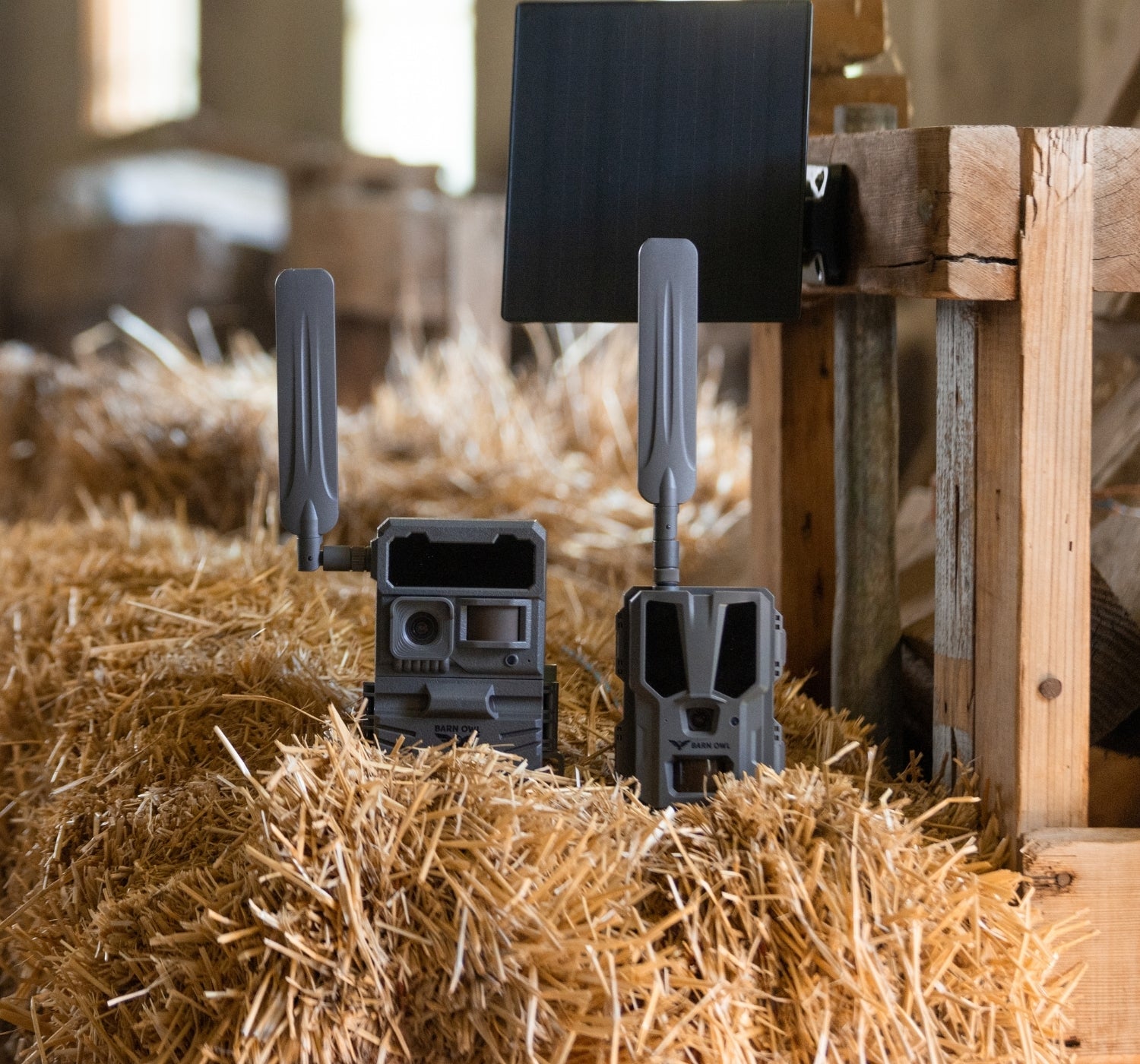
Tough-Built Cameras for the Wild and the Workday

Barn Owl Blog

Tough-Built Cameras for the Wild and the Workday

by on Aug 14 2025
In the world of agriculture, the right tools make all the difference. A rugged camera is one such tool, designed to withstand the demands of rural life. Barn Owl Cameras are built to endure harsh conditions, ensuring they perform when you need them most. For agriculture business owners, a durable camera is not just a convenience—it’s a necessity for monitoring vast properties and ensuring security. With features like weatherproofing, shockproofing, and dustproofing, Barn Owl Cameras are ready for any challenge. Choosing the right tough camera involves understanding your specific needs. Whether it’s documenting crop growth, monitoring livestock, or protecting assets, the right camera enhances productivity. It’s about balancing toughness with functionality. Rugged cameras are more than just durable—they also offer advanced capabilities like over-the-air upgrades and restarts, and cellular connectivity, essential for remote monitoring. This connectivity ensures you stay informed no matter where you are. Investing in a Barn Owl Camera is investing in peace of mind. It means knowing your property is secure, your livestock is monitored, and your operations are running smoothly. With the right camera, you can focus on growing your business with confidence. Why Tough Cameras Matter for Agriculture and Rural Businesses Agriculture and rural businesses face unpredictable conditions. Equipment must endure harsh weather, dirt, and heavy use. A tough camera like Barn Owl fits this requirement perfectly. Key benefits of Barn Owl Cameras include: Durability: Withstand extreme weather, dust, and impacts. Versatility: Suitable for livestock monitoring, crop observation, and security. Remote Monitoring: Keep an eye on your property from anywhere. Peace of Mind: Reliable alerts and clear images provide security for your operations. Whether faced with rain, dust, or extreme temperatures, Barn Owl Cameras continue to perform, providing high-resolution images and videos that help assess the health and progress of your agricultural assets. Key Features of a Tough Camera: What to Look For When selecting a rugged camera, several features are essential: Build Quality: Barn Owl Cameras are engineered with reinforced, weather-resistant casings that withstand drops, impacts, and environmental stress. Waterproofing: Ideal for rainy conditions or wet environments, these cameras maintain functionality even when exposed to water. Shock Resistance: Accidental drops or bumps won’t compromise performance, ensuring longevity. Dustproofing: Prevents debris from interfering with the camera’s sensors, keeping images clear in dusty or windy fields. Image Quality: High-resolution sensors capture sharp, detailed photos for accurate monitoring and documentation. Connectivity: Cellular support allows remote monitoring and instant notifications, crucial for managing large properties. Battery Life: Long-lasting solar panel batteries and energy-efficient designs ensure cameras remain operational for extended periods. Expandable Storage: Ensures continuous operation and access to pictures/videos taken. User-Friendly Interface: Easy-to-use controls make operation simple, even for those unfamiliar with advanced tech. Robust Mounting Options: Stable installation in various locations. Wide Dynamic Range: Maintain detail in varying light conditions. Barn Owl Cameras: Rugged, Reliable, Ready for the Outdoors Barn Owl Cameras are purpose-built for agriculture and rural life. Their weatherproof, shockproof, and dustproof design ensures continuous operation, even in harsh conditions. Key features include: High-Resolution Imaging: Clear, detailed photos and videos for monitoring livestock, crops, and property. Night Vision: Capture activity around the clock. Remote Monitoring: Cellular connectivity keeps you informed no matter where you are. Reliable Alerts: Instant notifications provide peace of mind. Easy Setup: Simple installation and intuitive controls save time and effort. Barn Owl Cameras combine toughness with advanced technology, delivering reliable monitoring and enhanced security for agricultural businesses. Understanding Ratings: Waterproof, Shockproof, Dustproof When evaluating rugged cameras, protection ratings are essential: Waterproof: Ensures operation in wet conditions; some models handle heavy rain or temporary submersion. Shockproof: Protects against accidental drops; ideal for farm and ranch environments. Dustproof: Keeps internal components safe in dusty or windy settings. These ratings guide you in choosing a camera capable of handling the daily challenges of rural life. Choosing the Best Rugged Camera for Your Needs Assess the Environment: Look at temperature extremes, water exposure, and dust levels. Determine Image Requirements: High-resolution images are vital for accurate monitoring. Evaluate Features: Night vision, AI, alerts, storage, and connectivity options. Consider Battery Life: Long-lasting power is crucial for remote areas. Balance Size and Portability: Choose based on where and how you’ll deploy the camera. Setting Up and Maintaining Your Barn Owl Camera Proper setup maximizes performance: Placement: Ensure a clear line of sight to key areas. Mount Securely: Use rugged mounts to protect against wind, animals, and movement. Maintain Charge: Check to make sure solar panels and backup batteries are charged. Maintenance Tips: Inspect for damage or lens obstruction. Clean the lens and camera body periodically. Test functionality periodically to catch issues early. Routine maintenance extends the camera’s life and ensures reliable monitoring. Frequently Asked Questions Are Barn Owl Cameras weather-resistant?Yes, they are built to withstand rain, snow, dust, and extreme temperatures. How does waterproofing work?Sealed enclosures prevent water from entering, allowing use in wet conditions. What does shockproof mean?Cameras can endure drops and impacts without performance loss. Do they support wireless connectivity?Yes— cellular connectivity allows remote monitoring and instant alerts. What maintenance is required?Regular inspection and cleaning keep the camera functional and extend its lifespan. Conclusion: Invest in Durability, Invest in Peace of Mind Selecting a Barn Owl Camera is more than a practical choice—it’s an investment in the security and efficiency of your operations. Durable, high-quality cameras withstand the challenges of agriculture, offering reliable monitoring, clear imaging, and advanced connectivity. By choosing Barn Owl, you equip your farm or ranch with technology that supports productivity, safety, and peace of mind. Rugged, reliable, and ready for anything, Barn Owl Cameras help you focus on what truly matters: growing your business with confidence.

Showing 60/224