Welcome to the Barn Owl Learning Center

Since our founding in 2017, Barn Owl has become a leader in providing security, real-time insight, operational efficiency and peace of mind across rural America. Our team of experts has build an in-depth knowledge base designed to answer your questions across industries and challenges. Browse our content below by key topic or by blog post date.

Key Topics Users Find Most Helpful

Barn Owl Blog

Barn Owl's team of experts have amassed decades of insights and knowledge into a series of helpful articles. Browse the latest news and posts below, including by topic tag.

Portable Security Cameras: Features to Consider

Barn Owl Blog

Portable Security Cameras: Features to Consider

by on May 23 2025
Security is a top priority for many. Whether you're a homeowner, a traveler, or a small business owner, you want to feel safe. Portable security cameras can provide that peace of mind. They offer flexibility, convenience, and easy installation. But with so many options on the market, how do you choose the right one? What features should you consider? This guide will help you navigate the world of portable security cameras. We'll explore key features, different types, and specific use cases. Whether you're looking for a mini camera for discreet monitoring or a robust outdoor model, we've got you covered. Let's dive in and find the best portable security camera for your needs. Understanding Portable Security Cameras A portable security camera provides surveillance that you can move easily from place to place. This flexibility is its main appeal. For many, this feature offers a great advantage over fixed systems. Portability means you can adjust your monitoring as needed. Whether it's for temporary events or frequent travel, it's a solid choice. These cameras typically come with easy-install options. This makes them accessible to non-tech-savvy users. There's often no need for professional installation. Portable security cameras can vary in size and design. Here's a quick overview of their benefits: Flexibility to move the camera as needed Ease of installation and setup Versatile features for diverse applications Ideal for temporary or travel use In addition to their flexibility, these cameras can enhance security by being less predictable. Thieves can't always anticipate where they'll be placed. This adds an extra layer of security to any environment. Key Features of Portable Security Cameras When selecting a portable security camera, understanding key features is crucial. These features impact camera performance and your overall security experience. Resolution is a primary consideration. High resolution ensures clearer images and better detail recognition. A wide field of view covers more area, reducing blind spots. Battery life is another significant factor. Long battery life allows continuous monitoring without frequent recharging. Some cameras offer renewable energy options, enhancing convenience. Connectivity is essential for real-time monitoring. Most portable cameras offer wireless options, eliminating the need for complex wiring. Check for cellular connectivity and reliable signal strength. Storage solutions vary between local and cloud options. Local storage relies on memory cards, while cloud services often require subscriptions. Each has its pros and cons, balancing cost and accessibility. Smart features add versatility. Motion detection alerts you to movement, while night vision ensures coverage in low light. Some cameras also integrate AI for advanced features. Consider the following list of key features: High resolution for clear footage Wide field of view to cover more area Long battery life or renewable energy options Wireless connectivity for easy setup Cloud and local storage options Motion detection and night vision AI-enhanced features for advanced detection User-friendly apps for easy control By evaluating these features, you can find a camera that fits your specific needs. Each feature contributes to overall convenience and security. Your choice should align with your security priorities and environment. Resolution and Field of View Resolution directly affects image clarity. Higher resolutions provide sharper images, essential for identifying faces and details. Most cameras range from 1080p to 4K resolution. Field of view dictates how much area the camera covers. A wider field of view reduces blind spots, offering greater coverage. Depending on your needs, you may prioritize a broader view. High resolution combined with a wide field ensures comprehensive surveillance. Together, they enhance your monitoring capabilities significantly. This combination is ideal for high-risk areas requiring vigilant surveillance. For indoor use, a standard resolution might suffice. However, outdoor and critical areas benefit from higher resolution and broader fields. Evaluate your specific requirements before choosing. Battery Life and Power Options Battery life determines how long your camera can operate without recharging. A camera with long battery life is essential for remote and high-security areas. This reduces maintenance, ensuring continuous operation. Some portable cameras offer replaceable batteries. This option allows for quick swaps, minimizing downtime. Meanwhile, fixed battery models may require recharging during operation. Solar-powered options can extend battery life significantly. These models harness renewable energy, ideal for outdoor use. They provide a constant power source without frequent manual recharging. Choosing the right power option depends on your needs. Consider the power availability and the camera’s intended location. Backup power options can help you avoid disruptions. In high-traffic areas, opt for models with robust battery life. These will support the camera’s operational demands efficiently. Choose power features that suit your environment and security needs. Connectivity and Storage Solutions Connectivity defines how your camera communicates with other devices. Most portable cameras connect wirelessly, offering installation flexibility. Secure cellular connections are pivotal for real-time video streaming. Storage solutions offer different benefits. Local storage uses memory cards or internal storage within the device. Conversely, cloud storage provides remote access but may incur monthly costs. Cloud storage boasts safety from physical damage or theft. However, local storage is free after the initial device purchase. Weigh these options based on ease of access and budget considerations. Select connectivity and storage that align with your monitoring goals. The right combination enhances surveillance efficiency and data management. Determine your storage needs and network availability for optimal setup. Smart Features and AI Technology Smart features transform ordinary cameras into proactive security tools. Motion detection is a standard feature in many portable cameras. This alerts you in real-time to unexpected movements. Night vision allows cameras to operate in low light conditions. It uses infrared light, capturing images even in complete darkness. This feature ensures round-the-clock protection. AI technology enhances detection, distinguishing between people and objects. This minimizes false alarms, streamlining alerts. Types of Portable Security Cameras Portable security cameras come in various forms to meet diverse needs. Each type has unique advantages, making them suitable for specific scenarios. Easy-install cameras are perfect for those who prefer simplicity. They require minimal setup, making them ideal for non-tech users. These cameras often come with plug-and-play functionality. Mini and discreet security cameras blend seamlessly into any environment. They are ideal for covert monitoring, ensuring spaces are securely watched without drawing attention. These compact designs are versatile for indoor use. For temporary events and construction sites, portable security camera trailers are invaluable. They provide a complete surveillance solution, easily movable to different locations. Their robust design ensures reliability in various outdoor settings. Wireless and mobile security cameras offer great flexibility and ease of relocation. They are great for those who change locations frequently, supporting a variety of setups. Their wireless nature simplifies installation and operation. Consider the following list of portable security camera types: Easy-install cameras for quick and simple setup Mini and discreet cameras for covert monitoring Portable security camera trailers for temporary locations Wireless and mobile cameras for flexible use Each camera type addresses specific needs, enhancing overall security. Choosing the right type depends on your surveillance goals and environmental conditions. Easy-Install Cameras Easy-install cameras are tailored for simplicity and efficiency. They don't require technical knowledge, making them accessible to everyone. These cameras often feature straightforward setup processes. With no complex wiring, they save installation time. Their design allows quick deployment, ideal for immediate security needs. This user-friendly nature ensures hassle-free operation. Often, they come with pre-configured settings, streamlining installation. Users can typically just mount and connect them without extra tools. This convenience is a major draw for renters and non-tech-savvy individuals. Many easy-install models also support mobile apps. These apps guide you through the setup step-by-step, further simplifying the process. This makes them highly popular among beginners. Mini and Discreet Security Cameras Mini cameras offer stealthy surveillance solutions. Their small size allows placement in less conspicuous spots, maintaining discretion. This makes them suitable for monitoring sensitive areas. They blend seamlessly into home or office decor. With a focus on discreetness, they can be hidden in plain sight. This ensures that security doesn't disturb the environment's aesthetics. Covert monitoring is a primary benefit. Discreet cameras don’t alert intruders, capturing genuine activity. They are often used where visible cameras might undermine trust. Despite their size, mini cameras can provide high-quality images. Their compact build does not compromise their technological capabilities. This balance of size and function is key to their effectiveness. Portable Security Camera Trailers Portable security camera trailers offer mobility and versatility. Ideal for temporary surveillance needs, they fit construction sites and events. They’re designed to cover large areas effectively. Their robust build withstands outdoor conditions, ensuring reliability. They are equipped with multiple cameras to cover expansive sites comprehensively. This provides an all-in-one solution for extensive monitoring. Trailers are easily transportable, adapting to changing security requirements. They can be relocated quickly as projects or events evolve. This flexibility makes them a preferred choice in dynamic environments. They often feature self-sufficient power systems. Some include solar panels, reducing dependency on external power sources. This ensures uninterrupted surveillance coverage, even in remote areas. Wireless and Mobile Security Cameras Wireless security cameras eliminate the need for complex wiring. This simplifies installation, making them a favorite among users preferring minimal setup. They support flexible placement in any location with cellular signal. Mobile security cameras serve on-the-go needs. They are ideal for travelers or for use in temporary living situations. Quick to install and remove, they adapt as your environment changes. With enhanced connectivity features, these cameras can provide instant pictures and video and/or stream live footage. This ensures you stay connected to your surveillance feed anytime, anywhere. Mobile apps enhance real-time access and management. Their versatility makes them suitable for various surveillance scenarios. Whether indoor or outdoor, they reliably maintain connection. This adaptability ensures comprehensive coverage across diverse environments. Best Portable Security Cameras for Specific Needs Choosing the best portable security camera involves understanding your specific needs. Whether you need them for travel or outdoor use, portability plays a critical role. Diverse features cater to varied environments and scenarios. For travelers, cameras need to be lightweight and compact. Consider those with rechargeable batteries, ensuring you aren’t tied to power outlets. Models offering easy installation are particularly beneficial for quick room setups. Outdoor enthusiasts require durable, weather-resistant options. These cameras should withstand harsh elements, providing reliable performance year-round. Solar or battery-powered models help maintain functionality without direct power access. A robust network connection is essential for remote access. Models supporting mobile data offer flexibility in different locations. Look for cameras with user-friendly apps for easy management on the go. Enhanced storage solutions ensure you don’t run out of space. Cameras with cloud support offer extensive storage without being cumbersome. High-resolution capabilities are also important for capturing clear images wherever you are. For Travel Travel-friendly cameras should be small and unassuming. Opt for mini and discreet models that won’t draw attention when packed. These cameras often double as indoor security when traveling or staying temporarily. Lightweight designs ensure they don’t add unnecessary weight to your luggage. Compact security cameras provide the needed protection without being burdensome. This portability allows them to fit easily into backpacks or suitcases. Quick setup is crucial for travelers frequently changing locations. Easy-install features ensure hassle-free deployment in hotel rooms or rentals. Such convenience is crucial for those moving from place to place. Security on-the-go is augmented by real-time alerts. Look for models capable of push notifications or instant messaging. This ensures immediate updates regardless of your current location. For Outdoor Use Outdoor cameras must be resilient against weather challenges. Opt for models with water and dust resistance ratings, ensuring longevity. These cameras offer consistent monitoring despite changing environmental conditions. Consider solar-powered options for areas lacking electricity. This sustainable power source ensures nonstop surveillance, saving you from frequent battery changes. Such models are eco-friendly and cost-effective in the long run. Opt for cameras with strong mounting systems. They should handle wind and other environmental pressures without shifting position. Proper mounting is essential for maintaining the desired field of view. Wireless connectivity is advantageous for vast outdoor spaces. Models with cellular capabilities ensure continuous coverage. This ensures you won’t miss important activity, even in remote areas. Installation and Setup Installing a portable security camera should be straightforward and quick. Look for models that highlight easy-install capabilities. Such features are helpful for those less familiar with tech setups. Preparation is key to a smooth installation process. Ensure you have all necessary tools within reach. Most portable cameras come with basic accessories that streamline the setup. Clear placement enhances camera effectiveness. Evaluate the area to maximize coverage while ensuring discreet positioning. Proper placement reduces blind spots and enhances security outcomes. Follow the manufacturer’s instructions closely for best results. These guides are designed to ensure optimal performance and longevity. A well-installed camera remains stable and operational for extended periods. Self-installation has advantages, especially for portable devices. The flexibility of doing it yourself allows for quick repositioning. This adaptability is ideal for frequent movers or those in temporary locations. Mounting Systems and Placement A secure mounting system is crucial for any camera. Evaluate the types of mounts included with your camera.  Consider both indoor and outdoor mounting capabilities. Outdoor cameras require weather-resistant mounts. These mounts protect cameras from environmental elements and ensure stable positioning. The placement of your camera affects its performance. Aim to cover entry points without obstructions. Ensure the camera is out of reach to prevent tampering or accidental damage. Evaluate field of view when deciding placement locations. Cameras should be positioned for optimal coverage. This ensures comprehensive monitoring without significant blind spots. Network and App Configuration Configuring your camera’s network connection is vital. Ensure a strong and stable cellular signal. A secure connection supports remote access and real-time alerts. Begin with the app provided by the camera manufacturer. Most cameras offer user-friendly applications for control. These apps simplify monitoring from any location with internet access. Network settings should align with your home’s security protocols. Use strong passwords - this prevents unauthorized access to your camera feeds. Regular app updates ensure functionality and security. Developers continually improve software, adding new features. Stay up-to-date to enjoy the latest enhancements and security patches. Maintenance and Support Proper maintenance extends the life of your portable security camera. Routine checks ensure optimal performance. Neglecting these can lead to costly malfunctions. Regular cleaning of lenses improves video clarity. Dirt and dust can obscure footage. Use recommended cleaning tools for best results. Check battery levels and replace or recharge as needed. Power interruptions can cause security blind spots. Reliable battery life is crucial for uninterrupted monitoring. Store your camera documentation for quick troubleshooting. Manufacturer manuals and guides are invaluable resources. They assist in resolving technical issues promptly. Firmware Updates and Customer Service Updating firmware improves camera functionality and security. Manufacturers release updates to fix bugs and enhance features. Timely updates ensure you have the latest capabilities. Good customer service enhances the ownership experience. Responsive support can address technical problems efficiently. Choose brands known for excellent customer care. Look for cameras with active online support communities. These forums can provide troubleshooting tips. Peer experiences often offer valuable insights. Keep a contact list for technical support handy. Quick access can reduce downtime during issues. Effective support is a critical component of camera ownership. Conclusion: Making the Right Choice Selecting a portable security camera involves several key decisions. First, consider your specific needs, like travel or outdoor use. Understanding these requirements helps narrow your options effectively. Next, evaluate the features that align with your preferences. Look for good resolution, reliable battery life, and robust connectivity. These elements ensure your camera performs as expected in various conditions. Finally, prioritize reputable brands with solid customer support and clear warranty policies. A reliable company will support you throughout your ownership journey. Consider exploring offerings from established brands like Barn Owl, known for their innovative and reliable portable security solutions. The right camera brings not only safety but also peace of mind. Up Next: Benefits of Using Portable Security Cameras
Benefits of Using Portable Security Cameras

Barn Owl Blog

Benefits of Using Portable Security Cameras

by on May 22 2025
Security is a top priority for many. Whether it's your home, business, or a temporary event, ensuring safety is crucial. Enter the portable security camera. These devices offer a flexible and efficient solution to your security needs. They can be moved and adjusted as required, providing comprehensive coverage wherever you need it. Battery-operated cameras, mini security cameras, and easy-install security cameras are just a few examples. Each type has unique features and advantages, catering to different needs and applications. For instance, a portable security camera trailer is ideal for temporary events or construction sites. On the other hand, a compact security camera can blend seamlessly into your home or office environment. This article will delve into the benefits of using portable security cameras. We'll explore their features, advantages, and how they can enhance your security strategy. Whether you're a homeowner, a small business owner, or a security professional, this guide will help you understand why portable security cameras are a worthy investment. Let's dive in. Understanding Portable Security Cameras Portable security cameras are versatile devices. Unlike traditional wired systems, they offer flexibility and ease of use. This characteristic makes them an attractive option for many. Their portability allows them to be installed in various locations. Whether indoors or outdoors, these cameras can adapt to different environments. This makes them perfect for both permanent and temporary setups. The technology behind portable security cameras has evolved significantly. Modern models are packed with advanced features like motion detection and high-definition video. These features enhance their functionality and provide comprehensive security solutions. Flexibility and Mobility: The Core Advantages One of the standout benefits of portable security cameras is their flexibility. Users can relocate them as needed, unlike traditional systems which are fixed. This adaptability makes these cameras highly useful in dynamic settings. For instance, if you are organizing an event, you can reposition the cameras easily. This ensures the coverage meets changing security requirements. It's a feature that is highly valued by both homeowners and businesses. Mobility is another key advantage. Portable security cameras are ideal for securing temporary locations. Construction sites, rodeo trailers, or outdoor gatherings can be monitored effectively thanks to their mobile nature. Additionally, these cameras often come with easy installation processes. Without the need for complex wiring, they save time and reduce setup costs. This simplicity attracts those who prefer user-friendly solutions. Here are some essential benefits of flexibility and mobility: Easy repositioning to suit evolving needs. Effective for temporary locations and events. Simple installation reduces time and cost. Offers adaptability for various environments. Enhances security coverage as situations change. Adaptability is at the heart of what makes these cameras invaluable. Whether for personal use or business purposes, their versatile nature is unmatched. Investing in portable security technology can be a game-changer for many. Battery-Operated Cameras: Power Without Cords Battery-operated cameras offer remarkable convenience by eliminating the need for electrical cords. This feature means they can function independently of power outlets. As a result, setup is often quicker and more versatile. A major benefit is their resilience during power outages. While wired systems may fail without electricity, battery-operated cameras continue to work efficiently. This ensures continuous surveillance even in unpredictable conditions. Moreover, the mobility provided by battery power allows placement in remote or hard-to-reach areas. This capability expands where and how these cameras can be used. Whether monitoring wildlife or securing vacant properties, their independence is invaluable. Their ability to operate without a constant power source opens up numerous possibilities for creative and functional surveillance solutions. Mini Security Cameras: Discreet Surveillance Solutions Mini security cameras are perfect for those needing discreet surveillance. Their compact design allows them to blend seamlessly into any environment. These cameras can be hidden in plain sight, making them difficult to detect. Despite their small size, mini security cameras pack advanced features. They often provide high-definition video and night vision capabilities. This ensures clear and reliable footage even in low-light conditions. Their installation is simple and versatile. You can place them on shelves, attach them to walls, or even use them in vehicles. Mini security cameras offer effective security solutions without drawing attention, making them ideal for both personal and professional use. Easy-Install Security Cameras: DIY Security Installing security systems doesn't have to be complicated. Easy-install security cameras allow you to set up your own surveillance quickly. There's no need for professional installation, saving time and money. These cameras come with intuitive instructions and often require no tools. You can mount them with adhesive strips, screws, or magnetic bases, depending on the model. This flexibility allows anyone to secure their property with minimal effort. The ease of installation doesn't compromise performance. Many easy-install cameras offer features like motion detection and smartphone notifications. This ensures you have a robust security system up and running in no time. For those who prefer do-it-yourself solutions, these cameras offer peace of mind without the hassle. Portable Wireless Security Cameras: Connectivity and Convenience Portable wireless security cameras offer unmatched flexibility and ease of use. You can place them anywhere with cellular service without worrying about cumbersome cables. This convenience makes them a popular choice for both indoor and outdoor security. The wireless nature allows for seamless integration with smart home systems. You can control and monitor your cameras through your smartphone or tablet. This remote access is invaluable for those who travel frequently or manage multiple properties. Key Features of Portable Wireless Security Cameras Remote Viewing: Live stream video footage from anywhere. Motion Alerts: Receive notifications on your device for movement detection. Cloud Storage: Save video clips remotely without local storage constraints. These cameras not only offer convenience but also peace of mind. They alert you to movement, allowing you to respond quickly to potential threats. With advanced features such as high-definition video and night vision, wireless portable security cameras meet the needs of modern security. Remote Monitoring with Portable Surveillance Cameras Remote monitoring empowers users to keep an eye on their property from afar. With portable surveillance cameras, you can access photo and/or video feeds through your phone, tablet, or computer. This technology enhances security by providing constant vigilance without being physically present. These cameras offer more than just visibility. Equipped with mobile applications, they send alerts straight to your phone, notifying you of any suspicious activity. This immediate feedback allows for quick responses, whether you're at home or on the move. Portability ensures you can re-locate your cameras as needed, adapting to changing security requirements. Thanks to remote monitoring, peace of mind becomes a reality, knowing you can check in anytime, anywhere. Compact Security Cameras: Small Size, Big Impact Compact security cameras bring power in a tiny package. These devices are designed to blend seamlessly into any environment. Their unobtrusive nature ensures they don't disrupt your space's aesthetics. Despite their small size, these cameras don't skimp on features. Many offer high-definition video, night vision, and motion detection capabilities. This combination ensures comprehensive monitoring without the need for large equipment. Easy to install and move, compact cameras offer flexibility and adaptability. Their discreet form is perfect for both residential and business settings, providing robust security solutions. These cameras prove that size does not compromise performance, delivering big security benefits in a small form factor. Outdoor Security Cameras: Weather-Resistant Vigilance Outdoor security cameras are built to withstand various weather conditions. Whether it's rain, snow, or heat, these cameras remain functional and reliable. Their weatherproof design ensures continuous surveillance without interruption. Equipped with features like night vision and motion detection, outdoor cameras provide day-and-night monitoring. Many models are also equipped with wide-angle lenses to cover more ground. This makes them ideal for expansive spaces like gardens or driveways. Robust materials ensure durability against tampering or damage. Outdoor security cameras offer a crucial deterrent against potential intruders. By maintaining a vigilant eye on your property's exterior, these cameras enhance security and peace of mind. Applications of Portable Security Cameras in Various Settings Portable security cameras excel in diverse applications. They fit perfectly in homes, businesses, and even outdoor events. Their versatility makes them a preferred choice for many users. Homeowners frequently use these cameras to secure their properties. They offer real-time monitoring of entry points and critical areas. Pet owners also use them to keep track of furry friends. Rodeo contestants use them to keep track of their equipment and animals while they are competing. In business environments, portable security cameras help monitor operations. They can oversee inventory, customer interactions, and employee activities. These cameras serve to deter theft and improve productivity. Regenerative farmers and ranchers also use them to keep an eye on various fields as they are moving equipment and animals. Such cameras prove invaluable at events and construction sites as well. They can be repositioned easily to adapt to changing security needs. This mobility ensures comprehensive coverage during temporary setups. Here are some key applications: Home security: Monitoring doors, windows, and driveways. Business surveillance: Overseeing customer service and stock levels. Event security: Ensuring safety at concerts or exhibitions. Construction site monitoring: Tracking progress and equipment safety. Ultimately, portable security cameras offer flexibility across various scenarios. Their ease of use and adaptability enhance security measures. This makes them an essential tool for anyone looking to improve safety and monitoring capabilities. Making the Right Choice: Factors to Consider When Buying Choosing the right portable security camera requires careful thought. Begin by evaluating the specific needs of your environment. Understand where and how you plan to use the camera. Consider the power source of the camera. Some users prefer battery-operated models for ease. Others opt for solar-powered options for continuous, eco-friendly operation. Connectivity plays a significant role as well. Decide if a wireless connection suits your needs. This feature allows for remote access and monitoring flexibility. Check the available features such as motion detection and night vision. Advanced capabilities like facial recognition might also be necessary. Ensure the camera’s features align with your security objectives. Think about the physical design and build quality. A weather-resistant model is crucial for outdoor use. Durability against tampering is also an essential factor. Price and warranty should influence your decision too. Balance cost-effectiveness with quality and support options. A well-considered choice will maximize security benefits. For those seeking reliable and advanced portable security camera solutions, Barn Owl offers camera bundles designed to meet diverse needs. With robust connectivity options, innovative features, and exceptional build quality, Barn Owl cameras are worth considering in your security evaluation. Conclusion: Enhancing Security with Portability Portable security cameras offer unmatched flexibility in safeguarding spaces. Their easy installation and mobility address various security challenges effectively. With portability, users can adapt to changing needs seamlessly. Choosing the right model ensures optimal performance. Whether it's for home, business, or special projects, portable security cameras provide peace of mind. Embrace the convenience and advanced features they offer to enhance your security strategy. With these tools at your disposal, maintaining safety has never been more accessible. Up next: How to Choose a Portable Security Camera For Your Farm or Ranch
Enhancing Home Security with Driveway Cameras

Barn Owl Blog

Enhancing Home Security with Driveway Cameras

by on May 22 2025
Home security is a top priority for many homeowners. A key component of this is driveway surveillance. Driveway cameras offer a first line of defense. They deter potential intruders and monitor activity around your property. But how do you choose the right driveway camera? There are many factors to consider. This guide will help you navigate the world of driveway cameras. We'll explore the benefits, features, and types of cameras available. We'll also delve into installation tips and costs. By the end of this guide, you'll be well-equipped to enhance your home security with a driveway camera. Let's get started. Understanding the Importance of Driveway Security Driveways are often overlooked when planning home security. Yet, they are a major entry point to your property. Securing this area can prevent unwanted access to your home. A driveway camera can act as a significant deterrent against burglars. When potential intruders see a camera, they're less likely to target your home. The mere presence of a camera can make a criminal think twice. These cameras also have other uses. They allow you to monitor deliveries, know who’s coming and going, and ensure the safety of visitors. Additionally, keeping an eye on your driveway helps in managing package deliveries more effectively. Consider these benefits of installing a driveway camera: Deters intruders and reduces crime Monitors deliveries and visitors Improves package safety Enhances overall property security Provides peace of mind Driveway cameras are an investment in your peace of mind. They offer real-time updates and footage that you can access remotely. This gives you control over the security of your property, even when you're not at home. Types of Driveway Cameras: Wired vs. Wireless When choosing a driveway camera, understanding the difference between wired and wireless systems is crucial. Each has its advantages and drawbacks, impacting installation, performance, and reliability. Wired driveway cameras are connected via cables. These systems generally offer stable connections and high-quality video feeds. They're less prone to interference, making them reliable for consistent surveillance. Wireless driveway cameras, on the other hand, use Wi-Fi or another wireless technology like cellular service for connectivity. They are easier to install because they don't require extensive wiring. You can place them in locations where running cables may be difficult. For many, wireless systems offer more flexibility. They can be moved and adjusted without much hassle, which is beneficial if your security needs change.  Consider the following when deciding between wired and wireless: Installation ease: Wireless is more flexible. Connection reliability: Wired offers stable connections. Placement flexibility: Wireless can be relocated easily. Video quality: Both can provide high-quality footage. Interference risks: Wired are less susceptible. While many home driveway cameras rely on standard Wi-Fi, for those with more expansive properties or areas where Wi-Fi signal is unreliable, cellular-enabled cameras offer a compelling alternative. Consider options like those from Barn Owl, which provide cellular connectivity, solar power options, and are designed for remote locations, ensuring you always have a reliable connection for your driveway surveillance, regardless of your home Wi-Fi range. Evaluate your needs and property layout when making a choice. In some cases, a hybrid system using both wired and wireless cameras might be the optimal solution. This approach allows you to enjoy the benefits of both systems, ensuring comprehensive coverage of your driveway. Key Features to Consider When Choosing a Driveway Camera Selecting the right driveway camera can enhance your home security significantly. The decision should be informed by a few key features that meet your specific needs. First, consider the camera's resolution. High-definition video provides clearer images, making it easier to identify faces and license plates. Clarity in footage is crucial for evidence collection. Next, evaluate the field of view. A wide-angle lens covers more area with fewer cameras, reducing blind spots. This feature is especially important for large driveways. Night vision is vital for 24-hour surveillance. Infrared LEDs enable cameras to capture clear footage in complete darkness. Ensure your camera can handle low-light conditions effectively. Motion detection technology is another important feature. It allows the camera to start recording when movement is detected. This saves storage space and ensures you capture relevant activity. Look into connectivity options. A smart outdoor camera can offer remote access via mobile apps. This functionality enhances the convenience of monitoring your property. Explore various storage options for the footage. Cameras can use local storage (SD cards) or cloud services. Each has its pros and cons in terms of access and security. Here's a quick checklist of features to look for: High-definition resolution for clear images. Wide-angle lens for better coverage. Night vision capability for low-light monitoring. Motion detection to trigger recording when needed. Reliable storage options like SD cards or cloud storage. By carefully analyzing these features, you can select a driveway camera that effectively meets your security requirements, ensuring peace of mind for you and your family. Installation Tips for Driveway Cameras Proper installation of your driveway camera is key to maximizing its effectiveness. Begin by selecting a strategic location. Place the camera high enough to avoid tampering, yet low enough to capture detailed video. Consider areas that cover the main entry points and pathways. Ensure the camera has a clear line of sight with no obstructions. This prevents blocking of footage and ensures full coverage of the intended surveillance area. Trim any nearby branches or foliage that might obscure the view. Secure the camera firmly to withstand weather conditions. Ensure the mounting hardware is sturdy and compatible with the camera model. This guarantees the camera remains stable, even during harsh weather. Finally, perform a test run after installation. Check the field of view and adjust if needed. Ensure that the camera's feed is clear and captures the intended area. Regular testing ensures your system remains reliable and effective in safeguarding your property. The Cost of Security: How Much Are Driveway Cameras? Investing in a driveway camera doesn't have to break the bank. Understanding the various price ranges can help you make informed choices. Entry-level models can be surprisingly affordable. Mid-range cameras often provide a balance between cost and features. They usually offer better resolution and more advanced capabilities. With these, you may gain motion detection and night vision options. For those looking for top-tier systems, expect advanced features. These might include AI integration, high definition, and seamless smart home connectivity. The upfront cost can be higher, yet the long-term benefits may justify the expense. When budgeting, consider any additional costs. This might include installation or cloud storage fees. Some cameras require monthly subscriptions for enhanced services. Understanding these costs ensures you choose a system that fits both your budget and security needs. Every dollar spent enhances the safety and peace of mind for your home. Night Vision and Motion Detection: Essential for Outdoor Surveillance Night vision plays a crucial role in driveway cameras. It ensures visibility even in the darkest hours. This capability is vital for areas with minimal lighting. Motion detection is another key feature. It alerts homeowners of any movement within the camera's field of view. This proactive feature can deter potential intruders by notifying you immediately. Combining night vision with motion detection creates a robust surveillance system. It offers peace of mind knowing your property is secure at all hours. The combination also reduces false alarms by filtering typical daytime movements. Key features of night vision include infrared technology. This technology allows the camera to see in complete darkness. There are two types of night vision: color and black and white. Here are some benefits of these features: Enhanced security at night Immediate alerts for suspicious movements Capability to identify details in poor lighting Minimization of false alarms with customizable detection zones Outdoor cameras equipped with these features provide comprehensive coverage. They capture details such as facial features and license plates. This evidence can be crucial for any investigations or reports. For effective outdoor surveillance, choose a camera with adjustable motion sensitivity. This reduces unnecessary alerts from small animals or falling leaves. Investing in technology that offers clear images, even during poor lighting conditions, is a wise choice. These features ensure you're always one step ahead. Night vision and motion detection add layers of security, creating a safer home environment. Selecting a camera with these features ensures your property remains vigilant against threats. Maintenance and Support: Keeping Your Driveway Camera Operational Regular maintenance is essential to keep your driveway camera functioning optimally. Check for any physical damage like broken mounts or loose wires. Routine inspections can prevent minor issues from escalating. Cleaning your camera lens should be a regular task. Dirt or debris can obstruct the view and degrade image quality. Use a soft, lint-free cloth for cleaning to avoid scratches. Software updates are crucial for optimal performance and security. Camera manufacturers often release updates to fix bugs and enhance features. Set your devices to update automatically if possible. Understand the support options provided by your camera manufacturer. Many brands offer customer support for troubleshooting issues. Ensure your device warranty is up to date for potential repairs or replacements. Future Trends and Emerging Technologies in Driveway Surveillance The landscape of driveway surveillance is rapidly evolving. New technologies are continually reshaping security capabilities. Staying updated is essential for optimal protection. Artificial intelligence is a key trend in surveillance. This minimizes false alerts and improves response times. Another significant development is cloud-based storage. It offers secure, remote access to footage. This convenience allows homeowners to monitor their property from anywhere. With technology continuously advancing, it's crucial to remain informed. Investing in future-proof security solutions ensures long-term peace of mind. Always adapt to new trends to maintain a secure home environment. Conclusion: The Road Ahead for Driveway Security Driveway cameras have become vital tools in home security. They provide more than just surveillance; they offer peace of mind. Protecting your home from intruders and monitoring daily activities are now streamlined processes. As technologies evolve, homeowners must adapt. Cameras with features like AI and night vision shape the security landscape. These advancements ensure comprehensive protection for properties. Ultimately, choosing a driveway camera system involves careful consideration. Stay informed about emerging trends to make educated decisions. A proactive approach to home security will safeguard your assets and enhance your peace of mind.
Comparing Cellular vs. Traditional Security Cameras

Barn Owl Blog

Comparing Cellular vs. Traditional Security Cameras

by on May 21 2025
Security is a top priority for homeowners and businesses alike. Traditional security cameras have long been a staple in surveillance systems. But what if there was a more flexible, versatile option? Enter the cellular security camera. Unlike traditional cameras, cellular security cameras operate using cellular networks. This means they don't rely on wired or Wi-Fi connections. This offers a host of benefits. For instance, remote monitoring without the need for internet access. In this article, we'll delve into the world of cellular security cameras. We'll compare them with traditional security cameras, highlighting the different usages of each. Our goal? To help you make an informed decision when choosing a security camera system. Whether you're a homeowner, a business owner, a security professional, or a tech enthusiast, this guide is for you. Understanding Cellular Security Cameras Cellular security cameras are an innovative twist on traditional surveillance technology. They stand out because they connect through cellular networks. This connectivity offers flexibility that wired or Wi-Fi cameras cannot match. You no longer need the hassle of internet connections to ensure security. What sets these cameras apart is their ability to operate in remote areas. Whether it's a construction site or a farm, cellular cameras have you covered. With more people opting for these cameras, it's essential to understand how they function. They offer solutions that address common security challenges. Below, we explore the ins and outs of these cameras, from their basic definition to their mode of operation: Connectivity: Utilizes 4G LTE networks. Power Source Options: Solar-powered or battery-powered. Flexibility: Ideal for off-grid locations. Features: Includes remote monitoring and real-time alerts. What is a Cellular Security Camera? A cellular security camera is a versatile surveillance device. It connects to cellular networks like 4G LTE for data transmission. Unlike traditional models, cellular cameras don’t depend on Wi-Fi. This makes them perfect for locations where internet service is spotty or absent. The technology in cellular cameras allows for greater freedom in placement. You can place them virtually anywhere with reliable cellular coverage. This flexibility is a game-changer for both residential and commercial security. These cameras can be solar-powered, adding another layer of convenience. Their wireless nature supports a hassle-free setup. Overall, cellular security cameras offer a smarter way to ensure safety without the typical limitations of wired systems. How Do Cellular Security Cameras Work? Cellular security cameras use SIM cards similar to those in smartphones. This allows them to access cellular networks. Once connected, they transmit data much like a mobile device. This includes video feeds and real-time alerts. These cameras excel in areas lacking traditional connectivity. They offer peace of mind in remote locations, thanks to cellular coverage. Power supply is another vital component. Many models come with solar panels, making them self-sustaining. Their operation doesn’t end with capturing images or videos. These cameras offer cloud storage options, ensuring you have access to footage anytime. Cellular security cameras combine ease of use with advanced technology. They provide a robust solution for modern security needs. Traditional Security Cameras Explained Traditional security cameras have long been a staple in surveillance systems. They offer a reliable means of monitoring homes and businesses. These cameras often require a more involved installation process. They are typically wired, meaning they need physical connections for power and data. Some traditional models use Wi-Fi, but still depend heavily on a stable internet connection. This limits their placement to areas with strong and consistent Wi-Fi signals. Despite their limitations, traditional security cameras provide various benefits. They often offer superior image quality and consistent recording capabilities. Here's what sets them apart: Installation: Requires more setup, often needing professional help. Image Quality: Offers reliable, high-resolution footage. Connectivity: Dependent on strong infrastructure. Application: Mostly used in urban settings and indoor environments. The Basics of Traditional Security Cameras Traditional security cameras have defined residential and commercial surveillance. They typically work by connecting to a centralized system. These cameras send recorded footage to a digital video recorder (DVR) or network video recorder (NVR). This allows for storage and review of video feeds. Their designs range from simple bullet cameras to sophisticated dome cameras. Many models offer features like night vision and wide-angle lenses. To operate, traditional cameras often rely on power cables. This necessitates strategic placement to access power outlets. While their setup is more complex, they offer robust and reliable security. This makes them a preferred choice for many urban and well-connected environments. Wired vs. Wi-Fi: Connectivity Options Traditional security cameras offer two primary connectivity options. Wired connections are the most common. Wired systems are generally stable, with fewer interruptions. However, they require cables to connect each camera to a central hub. On the other hand, Wi-Fi cameras have surged in popularity. They offer more flexibility with fewer wires, though they need a stable internet connection. Wi-Fi cameras are easy to install but are vulnerable to network issues. Location and signal strength are crucial for optimal performance. Choosing between wired and Wi-Fi options depends on specific needs. Factors like distance, infrastructure, and future scalability should guide the choice. Ultimately, both options provide excellent security solutions. The right choice depends on installation complexity and connectivity reliability. Key Benefits of Cellular Security Cameras Cellular security cameras bring several advantages over traditional systems. They offer unique features tailored to modern security needs. Remote Monitoring Without Internet One significant benefit is independent connectivity. Cellular cameras don't depend on local internet. They use cellular networks like 4G LTE for data transmission. This allows remote monitoring in areas without Wi-Fi. Even in remote areas, you can access live footage. This ensures constant surveillance without relying on fixed-line internet services. Solar and Battery Power Options Many cellular cameras come with solar power options. This eco-friendly feature reduces reliance on traditional energy sources. Solar-powered cameras are ideal for off-grid installations. They can function for extended periods without power infrastructure. Battery options add further flexibility. Rechargeable cells provide continuous operation, even during cloudy days or at night. Rechargeable cells provide continuous operation, even during cloudy days or at night. Barn Owl cameras prioritize efficient energy use and offer reliable battery and solar configurations to ensure uninterrupted surveillance, regardless of environmental conditions. Outdoor and Covert Surveillance Cellular cameras excel in outdoor and covert settings. Their wireless nature allows easy camouflage. They are perfect for remote sites like construction zones and farms. Weatherproof designs withstand harsh environmental conditions. For covert operations, cellular spy cameras are ideal. Their discreet size and wireless functionality are critical for subtlety and effectiveness. Comparing Installation and Flexibility Choosing the right security camera involves considering installation ease and flexibility. Both cellular and traditional security cameras have distinct characteristics in these areas. Cellular Camera Installation Ease Cellular security cameras excel in simplicity. They require no wired connections or network cabling. Most models offer easy plug-and-play setups. Their wireless nature allows you to place them virtually anywhere. Set up is fast, making them ideal for time-sensitive projects. Portability is another advantage, allowing for quick redeployment as needed. Traditional Camera Installation Challenges On the other hand, traditional security cameras present more installation challenges. Wired models demand time-consuming cabling and drilling. Installation costs can be higher due to professional setup needs. Finding the right location with power access is crucial. Wi-Fi cameras reduce some complexity but still require network connectivity. Ensuring strong Wi-Fi signals and secure mounting locations is necessary. Overall, installation considerations vary based on needs and constraints. Cellular options favor flexibility and quick setup, while wired options demand more planning and resources. Assessing these factors helps guide the best choice for your circumstances. Cost-Effectiveness and Long-Term Value When evaluating security cameras, it's vital to consider not only the immediate cost but also the long-term value. This analysis includes both cellular and traditional options. Upfront Costs vs. Ongoing Expenses Cellular security cameras often have higher upfront costs. This is due to advanced hardware and connectivity features. However, their installation costs can be lower due to less complexity. The ongoing expenses mainly include data plans, but these can be managed by choosing appropriate plans. Conversely, traditional cameras may appear cheaper initially. Yet, installation costs can add up due to professional services and equipment requirements. Maintenance and Upgrades Maintenance for cellular cameras is generally straightforward. Software updates can be done remotely, and hardware is usually low-maintenance. Upgrades in cellular cameras may involve battery improvements or software enhancements. These improvements often enhance performance without needing full replacements. Traditional systems may demand more frequent maintenance. Issues with wiring, network connectivity, or aging technology require attention. Overall, cellular cameras can offer significant long-term value. They leverage easier maintenance and upgrade paths, contributing to overall cost-effectiveness. Each option demands consideration of individual needs and future-proofing potential. Advanced Features and Technology Trends The evolution of security cameras introduces exciting advancements. Cellular cameras, in particular, benefit from cutting-edge technology. These innovations enhance security and user experience significantly. One notable trend is the integration of artificial intelligence (AI). AI enables cameras to analyze and interpret data more effectively. This results in smarter, more responsive security solutions. Emerging trends also include enhancements in connectivity. As cellular networks advance, cameras gain faster and more reliable data transmission. This boosts real-time monitoring capabilities. Here are some noteworthy technological advancements in cellular security: Integration of AI for intelligent alerts. Enhanced connectivity with 4G and LTE improvements. Secure cloud storage options. Improved solar-powered camera efficiency. AI and Machine Learning Enhancements AI and machine learning are transforming cellular cameras. These technologies enable intelligent motion detection. Users receive alerts only when necessary, reducing false alarms. Over time, these systems become more efficient and precise, enhancing overall security measures. Future Developments in Cellular Camera Tech The future of cellular camera technology looks promising. Innovations in 5G connectivity are set to revolutionize data transmission. This improvement will offer unprecedented speed and efficiency for security cameras. Battery technology is also advancing. Longer-lasting, more efficient batteries will reduce maintenance needs. These advancements will make off-grid and solar options more viable and reliable. Together, these developments ensure cellular security cameras remain at the forefront. They provide enhanced security solutions for diverse applications, from homes to businesses. Making the Right Choice for Your Needs Choosing the right security camera involves understanding your specific needs. Different setups cater to various environments and requirements. Therefore, identifying your priorities is crucial for informed decision-making. Evaluate the area you wish to monitor. Consider factors like lighting, accessibility, and network availability. These elements influence the type and features of the security camera you'll need. It's also vital to consider your technical skills. Some cameras offer simple installation, while others require professional setup. Align your choice with your comfort level to ensure smooth installation and operation. Finally, weigh the benefits against your budget. Advanced features might increase costs, but they also enhance security. Balancing these factors can help you make the best decision for your circumstances. Assessing Your Security Requirements Start by determining the coverage area. This dictates the camera's field of view and placement. Outdoor and indoor environments may require different specifications. Think about additional features that might be necessary. Night vision, motion detection, and remote access could be beneficial. Identify which of these align with your security goals and daily needs. Comparing Top Cellular Security Camera Models When comparing models, consider key specifications. Look for reliable connectivity, image quality, and battery life. These core features differentiate high-performing cameras. Research user reviews and expert opinions. This helps highlight models that meet expectations in real-world applications. Additionally, checking for warranty and support can guide you toward a reputable choice. Conclusion and Final Thoughts Choosing between cellular and traditional security cameras involves weighing their distinct benefits and limitations. Cellular security cameras offer remarkable flexibility and remote monitoring capabilities. They are especially useful in areas lacking reliable internet connections. Traditional security cameras, however, often provide consistent performance in well-networked environments. Ultimately, the best choice depends on your specific security requirements and budget. By understanding each type's advantages, you can select a system that best protects your property.
Advantages of Cellular Security Cameras Explained

Barn Owl Blog

Advantages of Cellular Security Cameras Explained

by on May 21 2025
Security is a top priority for homeowners and businesses alike. In an era of technological advancements, security solutions have evolved significantly. One such advancement is the cellular security camera. This device operates on cellular networks, offering flexibility and convenience. Unlike traditional security cameras, cellular cameras do not require a wired internet connection. This makes them ideal for remote locations or areas with limited Wi-Fi coverage. Moreover, many cellular security cameras are solar-powered. This eliminates the need for electrical wiring, making installation a breeze. These cameras often come with SIM cards for easy data transmission. Coupled with 4G LTE technology, they ensure fast and reliable video streaming. Cellular security cameras are not just for indoor use. Many are designed for outdoor surveillance, boasting weather-resistant features. In this article, we will delve into the advantages of cellular security cameras. We'll explore their features, benefits, and ideal use cases. Whether you're a homeowner, business owner, or a tech enthusiast, this guide will help you understand why cellular security cameras are a smart choice for your security needs. Understanding Cellular Security Cameras Cellular security cameras are a recent innovation in the surveillance industry. They provide a unique blend of flexibility and functionality. These devices rely on cellular networks, much like a mobile phone. This allows them to operate without a wired internet connection. Unlike traditional cameras, they don't need complex cabling. This greatly simplifies the installation process. Cellular cameras often include advanced features such as motion detection and night vision. This enhances their utility and performance. Moreover, they can operate independently with solar or battery power, ideal for off-grid locations. Their weather-resistant design makes them suitable for outdoor use, adding versatility to their list of benefits. What is a Cellular Security Camera? A cellular security camera is a type of surveillance device that uses a cellular network. This means it can function in places lacking wired internet. Such cameras can be powered in various ways, including batteries or solar panels. They often feature advanced technology for improved security monitoring. How Do Cellular Security Cameras Work? The camera connects to the cellular network via a SIM card. This enables it to transmit data without needing Wi-Fi. They utilize 4G LTE technology for fast and reliable data transmission. Video footage is sent to a cloud server or directly to a user's device. Key Features of Cellular Security Cameras Cellular security cameras come packed with useful features. Here's a quick rundown of what they typically offer: Network Connectivity: Uses 4G LTE for reliable service. Power Options: Solar and battery power for versatile installation. Outdoor Design: Weatherproof casings for durability. Advanced Technology: Includes motion detection and night vision. Remote Access: Monitor through dedicated apps from anywhere. These features make cellular security cameras a top choice for modern surveillance needs. Benefits of Using Cellular Security Cameras Cellular security cameras offer a range of compelling benefits that meet diverse security needs. Their ease of installation and placement flexibility are particularly advantageous. Additionally, they allow users to monitor their property from virtually anywhere, offering peace of mind. Many cellular cameras are built with robust network technology, ensuring uninterrupted service. This eliminates concerns about unreliable connections. Moreover, cellular cameras can be powered through eco-friendly options, further enhancing their appeal. They adapt to various power environments, making them suitable for many locations. These cameras are especially useful for those who need a reliable security solution without extensive infrastructure investments. Their scalability allows for easy expansion if more coverage is needed. Lastly, cellular security cameras offer several advanced features, enhancing security for both homeowners and businesses. This makes them a superior choice over traditional wired systems. Flexibility in Placement and Installation One of the standout benefits of cellular security cameras is their installation flexibility. They do not require wired internet, allowing placement in various locations. This flexibility means you can install them in remote sites without internet service. The absence of wires simplifies the installation process significantly. Without drilling holes or laying cables, you can place these cameras wherever coverage is most needed. This convenience saves both time and money, enhancing their overall value. Remote Access and Control Cellular security cameras offer robust remote access features. Users can monitor live feeds and control cameras remotely through mobile applications. This capability is highly convenient for those who travel often or manage multiple properties. Here are a few benefits of remote access: Real-Time Monitoring: Check live video feeds anytime, anywhere. Instant Alerts: Receive notifications for detected movements or unusual activity. App Integration: Use a dedicated app for seamless monitoring. These cameras make it effortless to stay informed about your property's security status, no matter where you are. Enhanced Reliability and Connectivity Connectivity is crucial for security cameras, and cellular models excel in this regard. They rely on 4G LTE networks for dependable service. This ensures video data is transmitted efficiently, even in areas without Wi-Fi. Cellular connectivity also provides a layer of redundancy in case other networks fail. Moreover, advanced network technology protects against connection drops. This results in consistent performance, offering greater peace of mind for users. Solar and Battery Power Options Many cellular security cameras support solar and battery power. This is a significant advantage in locations lacking electrical infrastructure. Users can opt for solar panels to power cameras sustainably. Alternatively, battery-powered models offer quick deployment in varied settings. Key benefits include: Eco-Friendly: Solar power reduces environmental impact. Autonomy: Independent from the grid, ideal for remote sites. Ease of Use: Batteries allow for wireless, quick setup. These power options make cellular cameras a versatile and sustainable security solution, suitable for a wide range of environments. Ideal Use Cases for Cellular Security Cameras Cellular security cameras excel in diverse applications thanks to their flexibility and reliable performance. From rugged environments to busy urban settings, these cameras provide robust security solutions. Their unique features suit them for various demanding use cases. Whether monitoring remote sites or keeping an eye on bustling urban properties, they adapt with ease. For homeowners, business operators, and environmentalists alike, they meet unique security needs. Cellular cameras redefine vigilance in spaces where traditional systems fail. These cameras excel in challenging environments and represent a powerful tool in enhancing modern security strategies. Let's explore some practical scenarios where they shine. Monitoring Remote or Off-Grid Locations Remote areas often pose significant challenges for surveillance. Cellular security cameras address this issue effectively by leveraging cellular networks. Without the need for wired connections, they can be easily installed in isolated regions. This capability ensures reliable monitoring in locations without electricity or internet infrastructure. The solar-powered options further enhance their utility, allowing independent operation even in the most secluded areas. This makes them ideal for securing construction sites, vacation cabins, or rural properties. Residential and Commercial Security For both homeowners and business operators, cellular security cameras offer a compelling security solution. They provide round-the-clock monitoring with minimal setup. In residential areas, these cameras deter intruders and offer peace of mind to families. They integrate well into smart home systems, enhancing convenience and security. In commercial settings, cellular cameras monitor entrances, parking lots, and stockrooms. Their installation flexibility suits dynamic environments where repositioning may be necessary over time. Wildlife and Agricultural Surveillance Cellular cameras serve a crucial role in wildlife monitoring and agricultural management. Their ability to operate remotely makes them vital tools for these purposes. For wildlife enthusiasts and researchers, they provide insights into animal behaviors and ecosystems without interference. Farmers use them to keep tabs on livestock and crops, preventing theft or damage. Key advantages for wildlife and agricultural surveillance include: Minimal Disturbance: Remote monitoring ensures minimal impact on natural settings. Data Collection: Gather data for research or productivity insights. Real-Time Alerts: Immediate notifications about intruders or wildlife activity. These use cases highlight cellular security cameras’ versatility, demonstrating their capacity to adapt to varied and challenging environments. Choosing the Right Cellular Security Camera Selecting the perfect cellular security camera for your needs involves careful consideration. Whether safeguarding a home, business, or remote site, the right choice enhances security. Each camera offers unique features, benefits, and limitations. Understanding what is essential for your specific situation makes all the difference. From technological capabilities to environmental adaptability, evaluating each aspect helps in making a wise decision. This section guides you through vital factors, top models, and optimization tips. Factors to Consider When Selecting a Cellular Camera When choosing a cellular camera, several elements merit consideration. Evaluate these factors to ensure the camera meets your security needs. Connectivity Options: Check for reliable 4G LTE or similar networks. Power Sources: Consider solar or battery options for energy independence. Camera Features: Look for night vision, motion detection, and weather resistance. These factors enable a tailored selection, perfectly suited to your unique environment and requirements. Thoughtful evaluation leads to enhanced security and user satisfaction. Installation and Maintenance Tips Successfully deploying a cellular security camera requires attention to detail. Both installation and upkeep are crucial for effective performance. With proper guidance, anyone can carry out these tasks smoothly. Start by understanding the equipment and following the manufacturer's instructions carefully. Many users appreciate the convenience of do-it-yourself setups. This approach not only saves money but also provides a firsthand understanding of the system. Once installed, consistent maintenance ensures longevity. Regular checks for physical damage and software updates keep the system running smoothly. These tips guide you through both processes seamlessly. Easy Setup and DIY Installation Installing a cellular security camera can often be a straightforward task. Most models are designed with user-friendly setups, making them accessible to non-professionals. Begin by selecting the optimal location for the camera. Ensure it covers critical areas and has a strong network signal. Follow the provided instructions to mount the camera securely. Testing the system confirms optimal functionality and offers reassurance. Installing a cellular security camera can often be a straightforward task. Most models are designed with user-friendly setups, making them accessible to non-professionals. At Barn Owl, we pride ourselves on providing cameras that are easy to install and operate, even for those with minimal technical experience. Maintaining Your Cellular Security Camera Maintenance plays a significant role in the longevity and reliability of your camera. By following simple steps, you maintain peak performance. Regular Cleaning: Dust off the lens and body to prevent obstructions. Check Connectivity: Ensure a stable network connection and operational SIM card. Update Software: Regularly update the firmware for enhanced security and features. These practices help extend the device’s lifespan, ensuring it functions optimally in protecting your property. Regular maintenance fosters dependable security and helps prevent unexpected issues. Conclusion: Why Cellular Security Cameras are a Smart Choice Cellular security cameras offer unmatched flexibility and reliability. They function without the need for traditional wired connections, making them perfect for hard-to-reach locations. This adaptability ensures they can be a part of any security solution. Moreover, their ease of installation and minimal maintenance requirements make them appealing for all users. Whether monitoring urban spaces or rural lands, cellular security cameras deliver peace of mind. They represent a modern, effective way to secure properties and maintain safety. By choosing cellular security cameras, users invest in a versatile and robust security system. Up next: Comparing Cellular vs. Traditional Security Cameras
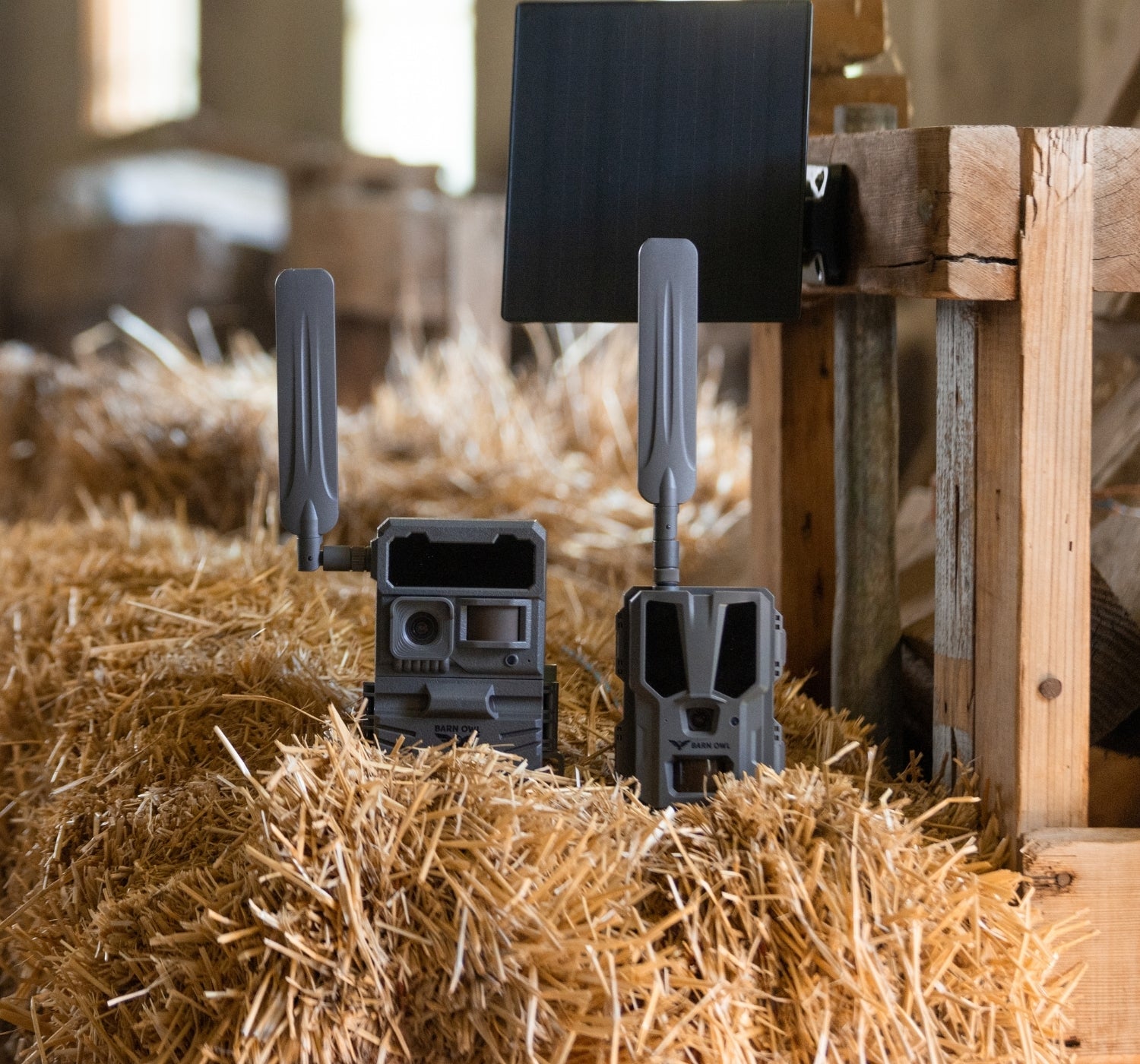
Remote Camera Monitoring for Wildlife Observation

Barn Owl Blog

Remote Camera Monitoring for Wildlife Observation

by on May 20 2025
Observing wildlife in their natural habitat is a fascinating endeavor. It provides insights into animal behavior, ecology, and conservation needs. However, traditional methods of wildlife observation can be intrusive. They may disrupt animal behavior or even endanger the observer. Enter remote camera monitoring. This technology offers a non-intrusive way to observe and study wildlife. It's a game-changer for researchers, conservationists, and nature enthusiasts alike. Remote cameras, also known as trail cameras or camera traps, can be placed in various environments. They capture images and videos without disturbing the natural habitat or the animals themselves. These cameras are often equipped with motion sensors and night vision capabilities. This allows for round-the-clock monitoring, capturing wildlife activity at all hours. The data collected from these cameras is invaluable. It aids in wildlife research, conservation efforts, and public education. It can even help detect and prevent illegal activities like poaching. In this article, we delve into the world of remote camera monitoring for wildlife observation. We'll explore how it works, its benefits, and how to effectively use this technology for wildlife observation. Join us as we uncover the potential of remote camera monitoring in transforming wildlife observation and conservation. Understanding Remote Camera Monitoring Remote camera monitoring is revolutionizing wildlife research and conservation. It combines technology and nature observation seamlessly. By using strategically placed cameras, researchers can monitor wildlife activity remotely. This approach minimizes human presence in delicate ecosystems, preserving natural behaviors. The data gathered offers a wealth of information. Researchers can study animal interactions, population dynamics, and habitat use without disturbing animals. Remote camera systems are versatile tools. They can be configured to suit a variety of environmental conditions and research goals. These cameras often operate autonomously, capturing images or videos based on movement or scheduled intervals. Data is then transmitted wirelessly for analysis. In this section, we will delve deeper into what remote camera monitoring is, how it works in the wild, and the benefits it offers for wildlife observation. What is Remote Camera Monitoring? Remote camera monitoring is a technology-driven method of observing wildlife. It uses cameras set up in natural habitats, often in remote locations. These cameras are designed to operate autonomously. They capture images or video footage without the need for a human presence. Remote camera monitoring allows researchers to gather data unobtrusively. This is key to studying wildlife in their natural state. How Remote Cameras Work in the Wild Remote cameras are equipped with motion sensors. These sensors trigger the camera when movement is detected, capturing images or videos. Many cameras also have night vision capabilities. This feature allows for continuous monitoring, documenting nocturnal species and night activities. The images and data collected are stored on memory cards. Some cameras also transmit data wirelessly, enabling remote analysis from anywhere. The Advantages of Using Remote Cameras for Wildlife Observation Remote cameras offer numerous benefits for wildlife observation. They are less invasive, allowing animals to act naturally. These cameras provide continuous monitoring, covering day and night activities. This expands data collection beyond the limitations of human observation. Cost-effectiveness is another major advantage. Remote monitoring reduces the need for extensive fieldwork, saving time and resources. With these benefits, remote cameras are becoming an essential tool for wildlife enthusiasts and professionals. Key Features of Remote Cameras for Wildlife Remote cameras for wildlife observation come with a variety of key features that enhance their effectiveness. These features are tailored to meet the demands of different environments and research needs. Motion Activation and Night Vision Motion activation is a crucial feature in remote cameras. It ensures that footage is only captured when activity is detected. This reduces unnecessary storage use and extends battery life. Night vision technology equips cameras to function in low-light conditions. This capability is vital for capturing nocturnal species and behaviors. Both features ensure comprehensive and efficient wildlife monitoring. Weatherproof and Sustainable Design Weatherproofing is essential for cameras exposed to the elements. It protects them from rain, snow, and dust, ensuring long-term operation in rugged environments. Sustainability is also a key focus. Many remote cameras are solar-powered, minimizing ecological footprints and reducing reliance on traditional power sources. These design aspects enhance the reliability and environmental compatibility of remote cameras. High-Resolution Imaging and Remote Control High-resolution imaging allows for detailed analysis of wildlife behavior and identification. Clear images help identify species and monitor subtle changes in animal conditions or environments. Remote control features enable users to adjust camera settings or perspectives from a distance through phone apps or websites. This flexibility allows researchers to capture optimal footage without disturbing the habitat. These technological advancements make remote cameras indispensable in wildlife research and conservation efforts. Setting Up Your Remote Camera System Setting up a remote camera system requires careful planning. Strategic placement and proper installation are key to capturing valuable wildlife data. By following best practices, you can maximize the effectiveness of your monitoring efforts. Choosing the Right Location The choice of location significantly impacts the quality and relevance of the data collected. It's crucial to set cameras in areas frequently visited by wildlife. Look for signs of animal activity like trails, water sources, or feeding grounds. These sites often offer the best opportunities for observing a wide range of species. Consider environmental conditions too. Choose locations where cameras can withstand weather extremes without obstruction. This ensures continuous monitoring and data collection in various conditions. Installation Tips for Maximum Coverage Proper installation is essential for effective wildlife observation. Position cameras at appropriate heights for the target species. This perspective provides better angles and minimizes detection by wildlife. Avoid directing cameras towards direct sunlight, which can cause glare in images. Securely mount the cameras to prevent tampering by animals or wind. These steps will help to capture clear and uninterrupted footage. Connectivity and Data Access Connectivity is crucial for accessing your camera data efficiently. Choose cameras with built-in WiFi or cellular capabilities for real-time data access. Remote access allows you to adjust camera settings without visiting the site. Ensure a reliable power source, such as solar panels or long-lasting batteries. This reduces the need for frequent maintenance trips, especially in remote areas. By focusing on connectivity and power, you can maintain a consistent stream of valuable wildlife data. Applications of Remote Camera Monitoring in Wildlife Conservation Remote camera monitoring offers diverse applications in wildlife conservation. The technology provides unparalleled insights into animal behaviors and environmental conditions. Its applications range from research to education, serving as vital tools in conservation efforts. Research and Data Collection Remote cameras offer non-intrusive methods for wildlife data collection. Researchers can gather extensive visual data on animal behaviors and interactions. This information forms the foundation of many scientific studies and publications. With continuous footage, researchers analyze patterns and detect changes over time. This capability is critical for long-term ecological studies and biodiversity assessments. Ultimately, it enhances understanding of ecosystems and aids in formulating effective conservation strategies. Anti-Poaching and Illegal Activity Detection Remote cameras are crucial in combating poaching and illegal activities. By strategically placing cameras in protected areas, authorities can monitor suspicious activities. These devices serve as vigilant sentinels, capturing evidence for enforcement actions. They can instantly alert park rangers to illegal activities such as poaching or logging. This rapid detection allows for timely interventions, helping preserve endangered species and habitats. Thus, remote surveillance cameras are a key element in wildlife protection. Public Engagement and Education Engaging the public in wildlife conservation can be challenging. Remote cameras make this easier by providing live feeds and captivating footage. These visuals create compelling narratives that draw public interest and support. Educational programs use these visuals to raise awareness about wildlife conservation. By making wildlife observation more accessible, remote cameras inspire a new generation of conservation advocates. Public involvement becomes more robust, strengthening community-based conservation efforts. Climate and Habitat Monitoring Remote cameras play a vital role in monitoring climate impacts. They provide insights into how species adapt to changing climates and shifting habitats. With time-lapse footage, researchers track changes in vegetation and land use. This data helps predict future impacts on wildlife, guiding mitigation strategies. Remote camera monitoring thus contributes significantly to climate change research and habitat conservation. Challenges and Considerations While remote camera monitoring has undeniable benefits, it is not without challenges. Users must be mindful of various ethical and technical considerations. These factors can influence both the effectiveness and the impact of monitoring efforts. Ethical Considerations in Wildlife Monitoring Ethical issues arise when monitoring wildlife, such as respecting animal privacy. Cameras must be positioned to minimize stress or disturbance to wildlife. It is essential to balance gaining insights with prioritizing animal welfare. Additionally, transparency with local communities is vital. Engaging indigenous and local people ensures informed consent and fosters trust. These ethical practices can lead to collaborative and more sustainable conservation efforts. Best Practices for Remote Camera Monitoring Implementing best practices in remote camera monitoring maximizes its potential for wildlife observation. Consistency in approach ensures the collection of reliable data. It is important to consider camera placement, maintenance, and data management. Camera Placement and Angle Positioning the camera correctly is crucial. Cameras should be set at an optimal height for capturing wildlife behavior. This minimizes obstructions and maximizes the field of view. Angles are equally important. Cameras should be angled to cover the area of interest comprehensively. Experimentation and adjustments may be necessary to achieve the best coverage. Regular Maintenance and Checks Routine maintenance is vital for ensuring camera longevity. Regular checks prevent dust or debris from obstructing the lens. Power sources should be monitored to maintain functionality. Hardware inspections are essential. They help in identifying potential technical malfunctions. Preventive measures reduce downtime and maximize data collection. Data Management and Analysis Effective data management is key to deriving insights from footage. Organizing data systematically aids in easier retrieval and analysis. Labeling and sorting files can streamline this process. Data analysis transforms raw footage into actionable information. Employing software tools can assist with identifying patterns and behaviors. This ensures that valuable insights are not overlooked, contributing to more effective wildlife conservation efforts. Conclusion: The Future of Wildlife Observation with Remote Monitoring Remote camera monitoring is transforming wildlife observation. It offers unparalleled access to animal behavior and habitats. This technology is a game-changer for conservationists and researchers. The future holds immense potential. As technology evolves, so will our understanding of wildlife. Integration with other technologies promises even greater insights. Ultimately, remote camera monitoring will play a crucial role in preserving biodiversity and supporting sustainable conservation efforts worldwide. To explore robust, high-resolution cameras built for continuous monitoring in any environment, check out Barn Owl's line of remote cameras designed for professionals and enthusiasts alike.

Showing 54/93