Welcome to the Barn Owl Learning Center

Since our founding in 2017, Barn Owl has become a leader in providing security, real-time insight, operational efficiency and peace of mind across rural America. Our team of experts has build an in-depth knowledge base designed to answer your questions across industries and challenges. Browse our content below by key topic or by blog post date.

Key Topics Users Find Most Helpful

Barn Owl Blog

Barn Owl's team of experts have amassed decades of insights and knowledge into a series of helpful articles. Browse the latest news and posts below, including by topic tag.

Exploring Infrared Technology in Modern Cameras

Barn Owl Blog

Exploring Infrared Technology in Modern Cameras

by on Jun 30 2025
Infrared technology is transforming the way we see the world. It allows cameras to capture images in the dark. This capability is crucial for security and monitoring. Infrared cameras, or IR cameras, detect heat signatures. They provide visibility where traditional cameras fail. This makes them invaluable for rural and commercial security. Understanding infrared in cameras can be complex. However, it is essential for business owners. It helps them make informed decisions about security investments. Infrared cameras are not just for security. They have applications in agriculture, wildlife monitoring, and industrial inspections. Their versatility is unmatched. The technology works by capturing infrared radiation. This radiation is emitted by objects and converted into images. It allows cameras to differentiate between living beings and inanimate objects. Infrared cameras enhance security without additional lighting. They are cost-effective and reliable. This makes them ideal for large properties. Modern IR cameras offer advanced features. These include motion detection and real-time alerts. They are integral to smart security systems. Infrared technology is evolving. It offers more sophisticated and user-friendly options. This evolution continues to enhance security and productivity. Understanding Infrared: What Does "IR Camera" Mean? Infrared cameras, commonly known as IR cameras, have distinct features that set them apart from conventional ones. They are specially designed to capture images based on heat. An IR camera detects infrared radiation, invisible to human eyes. It converts this radiation into visible images, allowing us to see thermal differences. This capability is crucial in low-light or no-light environments. The term "IR camera" encompasses various types of devices. These range from security systems to wildlife monitors. Each type serves different purposes but shares core infrared technology principles. Here are some key aspects that define an IR camera: Heat Detection: Identifies heat signatures from objects. Night Vision: Provides visibility in complete darkness. Versatility: Applicable across multiple industries. Infrared cameras are not limited to night use. They are also beneficial in detecting hidden heat emissions during the day. This functionality is particularly useful for security and monitoring large areas. Understanding the IR camera meaning helps business owners realize their potential. It informs better investment in security solutions tailored to specific needs. Familiarizing yourself with this technology is an empowering step toward enhancing property safety and efficiency. The Science Behind Infrared in Cameras: How Does an IR Camera Work? Infrared cameras operate by leveraging the unique properties of infrared radiation. This radiation is emitted by all objects, especially those that produce heat. An IR camera comprises sensitive infrared sensors. These sensors detect radiation patterns and convert them into electronic signals. This conversion is essential for visual representation. Once the radiation is captured, the camera processes the data. It translates the signals into a color or grayscale image. This image depicts temperature variations across the scene. Here's how an IR camera works, step by step: Detection: Captures infrared radiation emitted by objects. Conversion: Translates radiation into electronic signals. Processing: Converts signals into visual images. Display: Presents images on a screen, showing heat differences. This process allows IR cameras to function in complete darkness. They don't rely on visible light to form clear images. Instead, they use heat, making them invaluable for night-time monitoring. Moreover, IR cameras can differentiate between living beings and inanimate objects. This ability enhances security by detecting unauthorized activities. Their precision ensures only relevant data is captured and analyzed. Understanding how an IR camera works reveals its powerful applications. This knowledge empowers users to maximize the camera's potential in their security setups. By grasping these fundamentals, business owners can tailor infrared solutions to their unique requirements. Infrared Camera Definition and Key Features Infrared cameras, commonly referred to as IR cameras, are devices equipped with sensors that detect infrared radiation. This capability allows them to visualize and represent heat emitted from objects. The essential features of an infrared camera revolve around its ability to work in darkness. Unlike regular cameras, IR cameras do not require visible light. This makes them indispensable in security scenarios. Several key features characterize modern infrared cameras. These features enhance their effectiveness in monitoring and security applications: High Resolution: Provides clear, detailed thermal images. Motion Detection: Alerts users to unexpected movement. Real-Time Alerts: Sends notifications about unusual activity. Weather Resistance: Functions in various weather conditions. Easy Integration: Compatible with existing security systems. Due to these features, infrared cameras are pivotal in enhancing security systems. They ensure comprehensive monitoring without needing additional lighting. Furthermore, these cameras are designed for user-friendliness. Intuitive interfaces and simple installations are standard. This makes adopting IR camera technology accessible for many. In understanding the infrared camera definition, it's clear they offer unparalleled night-time visibility. They merge technology and practicality, providing valuable insight for property safety. Owners can rely on these cameras for consistent, reliable security coverage. Types of Infrared Cameras: From Security to Agriculture Infrared cameras come in various types, each tailored to specific applications. These types are designed to address diverse needs in fields such as security and agriculture. In security, fixed infrared cameras are prevalent. These cameras are ideal for monitoring specific areas like entrances or critical zones. They provide continuous surveillance and can be integrated with broader security systems. For more dynamic monitoring, pan-tilt-zoom (PTZ) infrared cameras are utilized. They allow operators to change the camera’s view remotely. This feature is useful for tracking moving subjects or covering large areas. Agriculture benefits from portable and drone-mounted infrared cameras. These cameras assist in crop assessment and livestock monitoring. They help detect issues like water stress or pests by visualizing temperature differences. Some common types of infrared cameras include: Fixed Infrared Cameras: For constant, focused monitoring. PTZ Infrared Cameras: For flexible, wide-area coverage. Portable Infrared Cameras: For versatile, handheld use. Drone-Mounted Infrared Cameras: For aerial assessments. Each type of infrared camera serves specific roles, enhancing efficiency in its intended use. Choosing the right type depends on the intended application and specific needs. Whether securing facilities or optimizing agriculture yields, there's an infrared camera suited for the task. Benefits of Infrared Cameras for Rural and Commercial Security Infrared cameras significantly bolster security in rural and commercial settings. They enable clear visibility in low-light conditions, providing 24/7 monitoring capabilities. This technology captures heat signatures, distinguishing between living entities and inanimate objects. As a result, it deters intruders by ensuring they can't hide under the cover of darkness. Another benefit is their ability to cover vast areas without additional lighting. This reduces energy costs and ensures reliable performance even in remote locations where lighting might be scarce. Moreover, infrared cameras integrate seamlessly with smart security systems. They offer advanced features such as motion detection and real-time alerts, enhancing overall security strategies. Infrared technology is invaluable for: Deterring Intruders: By spotting movements in the dark. Reducing Costs: Eliminating the need for constant lighting. Comprehensive Coverage: Capable of monitoring large regions. Real-Time Alerts: Keeping property managers informed instantly. In agricultural settings, these cameras are vital for safeguarding livestock and crops against theft or damage. They provide peace of mind, allowing business owners to focus on productivity rather than security concerns. With infrared cameras, rural and commercial properties maintain a strong, visible line of defense, enhancing both safety and operational efficiency. Barn Owl Cameras  use powerful fixed infrared technology to deliver clear, dependable night vision—so you can see what’s happening on your property, even in total darkness. Designed for remote and rural settings, our cameras provide sharp images without the need for external lighting. Whether you're keeping an eye on livestock, equipment, or entry points, Barn Owl’s infrared night vision helps you stay aware and in control, day or night. Real-World Applications: Infrared Cameras in Agriculture and Business Agriculture and businesses use infrared cameras for safeguarding assets, preventing theft, and ensuring safety. They offer unparalleled security, especially in low-light environments prone to unauthorized access or theft. The unique applications of infrared cameras include: Wildlife Monitoring: Observing nocturnal animal behavior without disturbance. Industrial Inspections: Detecting equipment malfunctions through heat anomalies. Environmental Monitoring: Tracking changes and trends in remote areas. In commercial warehousing, infrared technology enhances inventory management by monitoring temperature-sensitive goods. This ensures products remain within required conditions. Overall, infrared cameras provide data-driven insights, improve operational efficiency, and reduce risks. Their diverse applications across agriculture and business illustrate their versatility and effectiveness. By adopting this technology, sectors can achieve smarter operations and enhanced security protocols, staying ahead in evolving market environments. Comparing Infrared and Thermal Cameras: What’s the Difference? Infrared and thermal cameras are often thought to be the same but they have unique roles. Both detect heat, yet their applications differ. Infrared cameras, or IR cameras, sense infrared light to form images. They're beneficial in security, capturing images in low-light conditions without additional lighting. Thermal cameras specifically detect heat emitted by objects. They create a visual map of temperature variations, invaluable for identifying anomalies in industrial settings. Key differences include: Image Output: Infrared offers visible images; thermal shows heat maps. Functionality: Infrared is for visibility; thermal emphasizes temperature. Use Cases: Infrared suits surveillance; thermal aids inspections and diagnostics. Choosing between them depends on your needs. For general security in dark areas, infrared is ideal. If you require detailed temperature data, thermal cameras are preferable. Understanding these distinctions ensures you select the right tool for enhancing safety and efficiency. Choosing the Right Infrared Camera for Your Property Selecting the right infrared camera for your property involves understanding your specific security needs. Consider the size of your area and the typical lighting conditions. First, assess the resolution you require. A higher resolution offers clearer images, crucial for detailed surveillance. If your property covers large spaces, prioritize range capabilities. Identify the camera’s intended location. Indoor placements may not need weather resistance, unlike outdoor cameras. Durability against environmental factors is essential for external installations. Your camera should integrate with existing systems. Compatibility with mobile apps for remote access ensures you can monitor your property anytime, anywhere. Key considerations include: Resolution: High resolution for detailed images. Range: Extensive coverage for larger properties. Durability: Weatherproof features for outdoor use. Integration: Seamless connection with other systems. Weighing these factors helps you invest in a camera that bolsters your property's security while maximizing your monitoring capabilities. With the right infrared camera, you enhance protection and peace of mind. Installation and Integration: Making the Most of Infrared Technology Integrating infrared cameras into your security system requires careful planning and execution. Proper installation ensures maximum efficiency and performance. Positioning is key for optimal coverage. Choose strategic locations that allow the cameras to cover key areas without obstruction. Ensure their field of view encompasses entry points and vulnerable spots. Consider the following for effective integration: Positioning: Strategic placement for comprehensive coverage. Ease of Use: User-friendly interfaces for uncomplicated operation. By focusing on these aspects, you can leverage infrared technology effectively, boosting security and productivity on your property. Proper installation maximizes the advantages of infrared cameras, creating a robust surveillance environment. Overcoming Common Concerns and Misconceptions Infrared cameras often bring up questions about complexity and cost. Many believe they are difficult to understand. However, modern designs focus on user-friendliness, simplifying usage for all. Cost is another common concern. High initial expenses worry some buyers, but infrared cameras prove cost-effective over time. Their ability to prevent theft and vandalism offsets initial investment. Here are a few misunderstandings demystified: Ease of Use: Modern infrared cameras are simple to operate. Affordability: Long-term savings justify the initial cost. Visibility: Infrared cameras work effectively in complete darkness. By dispelling these misconceptions, business owners can confidently invest in infrared technology, improving their security frameworks significantly. Future Trends: The Evolution of Infrared in Camera Technology The future of infrared technology in cameras is bright. Advancements continue to enhance capabilities. Emerging trends focus on enhanced resolution and artificial intelligence integration. AI is particularly transformative. It allows for smarter detection and analytics. This can improve response time in security situations. Here are key future trends in infrared camera technology: Higher Resolution: Sharper images in all lighting conditions. AI Integration: Smarter, automated threat detection and alerting. Portable Designs: Increased flexibility in camera deployment. These trends promise to revolutionize security, offering more precise and intelligent monitoring solutions. As technology evolves, so do its potential applications in security and beyond. Conclusion: Enhancing Security and Productivity with Infrared Cameras Infrared cameras revolutionize security and productivity. They provide essential visibility when traditional options fall short. Their ability to detect heat in darkness makes them indispensable. For agriculture and commercial sectors, these cameras are critical. They offer peace of mind by ensuring property safety. As technology advances, infrared cameras will continue playing a pivotal role in safeguarding operations and assets. Embracing this technology now can yield long-term security benefits. As mentioned earlier, Barn Owl cameras are a prime example of how infrared technology is transforming remote monitoring. Designed for tough agricultural and commercial environments, they deliver reliable visibility and real-time alerts—ensuring that even in total darkness, your property and operations remain secure. Up next: Enhancing Security with Motion Detector Cameras
Wells for Irrigation: Tapping into Groundwater for Your Homestead

Barn Owl Blog

Wells for Irrigation: Tapping into Groundwater for Your Homestead

by on Jun 03 2025
If you don’t have a stream or canal running through your land, don’t worry—your water might be waiting underground. Wells are a popular and reliable way to supply water for irrigation, especially in areas where surface water is scarce. Whether you're homesteading on a few acres or scaling up to a small farm, a well can give you control over your water supply. How It Works A well accesses groundwater stored in aquifers beneath the earth’s surface. These can be shallow (just a few feet down) or deep (hundreds of feet). Water is drawn up using pumps—either electric, solar, or diesel-powered—and delivered to crops through hoses, pipes, or pressurized irrigation systems. There are three main types of wells: Dug wells – shallow, hand-dug, and lined Bored wells – medium-depth, created with boring machines Drilled wells – deep, narrow, and made with drilling rigs Your choice will depend on how deep the water table is in your area. Pros On-demand access: You control when and how much water you use. Independence from surface sources: Especially helpful during droughts or dry seasons. Can power efficient systems: Pairs well with drip or sprinkler irrigation. Cons High upfront cost: Drilling can be expensive.   Energy required: Pumps need fuel, power, or solar panels. Risk of overuse: Drawing too much water can deplete your aquifer over time. Best For Properties without nearby surface water Areas with reliable groundwater tables Homesteaders who want long-term water independence Equipment Needed & Water Rights Equipment Needed: Well (dug, bored, or drilled) Pump system (electric, solar, or diesel) Pressure tank (optional, but helpful for consistent flow) Water filtration or testing kits (especially for deep wells) Piping or irrigation system to distribute water to your crops Water Rights: Even groundwater is often regulated. Here’s what to do: Check state and local laws—some states require permits, especially for drilled wells used for irrigation File well completion reports with your local water agency if required Keep records—you may need to report usage depending on your areaContact your local extension office or water resources board to learn what’s required in your region before investing in drilling. Homesteader Tips Get a professional water test before using well water for irrigation—it could contain salts or minerals that affect your plants. Consider solar pumps if you’re off-grid or want to reduce power bills. Start small by irrigating a garden or orchard and scale up once you understand your well’s capacity. Use timers and valves to control water usage and avoid over-pumping. A well can be your secret weapon for irrigation self-sufficiency—especially when nature doesn’t cooperate. With good planning and responsible use, it’s a long-term investment that can keep your homestead green and growing year-round. Up next: Tube Wells: Going Deep for Dependable Water on Your Homestead
Maintenance Tips for Solar Trail Cameras

Barn Owl Blog

Maintenance Tips for Solar Trail Cameras

by on May 27 2025
In the world of remote monitoring, solar trail cameras have become indispensable tools. These devices are particularly useful for agriculture business owners who need to keep a watchful eye on expansive rural properties, providing a crucial edge in managing vast tracts of land. By leveraging the power of the sun, these cameras offer an eco-friendly, cost-effective solution to capturing images and videos, which in turn helps in better decision-making and resource management. However, to ensure they perform at their best, regular maintenance is essential. In this guide, we'll delve into some practical maintenance tips for solar trail cameras, helping you maximize their lifespan and efficiency. Understanding Solar Trail Cameras Before we dive into maintenance tips, it's important to understand what solar trail cameras are and how they function. These devices are equipped with solar panels that convert sunlight into electrical energy, which powers the camera and charges the built-in batteries. This sustainable energy source makes them ideal for remote areas where traditional power sources are unavailable, thus reducing the dependency on manual battery changes and the associated labor costs. The Benefits of Solar Trail Cameras Solar trail cameras offer numerous advantages: Cost-Effective: Save on electricity costs and reduce the need for frequent battery replacements. This cost-saving extends beyond just the hardware; it also includes operational savings as the cameras require less human intervention. Remote Monitoring: Keep track of large areas without the need for constant physical presence. This feature is particularly beneficial for monitoring wildlife, crop growth, or potential security threats in areas that are otherwise difficult to access regularly. Versatility: Suitable for various applications, from wildlife monitoring to security surveillance. Their adaptability allows for use in diverse environments, offering flexibility for users with differing needs. Essential Maintenance Tips To keep your solar trail camera functioning optimally, follow these maintenance tips: Regularly Clean the Solar Panels Solar panels are the heart of your trail camera's power system. Dirt, dust, and debris can accumulate on the panels, reducing their efficiency. Regularly clean the solar panels with a soft cloth or sponge and a mild cleaning solution. Avoid using abrasive materials that could scratch the surface, as scratches can lead to further dirt accumulation and decreased performance over time. Keeping the panels clean ensures that they capture the maximum amount of sunlight, thus improving energy conversion rates. It is advisable to establish a cleaning schedule based on the environmental conditions of the camera's location. Areas with high pollen counts or dust may require more frequent cleaning. Additionally, during winter months, make sure to remove any snow or ice that might obstruct the panels. Check Battery Health Batteries are crucial for storing the energy generated by the solar panels. Regularly check the battery status and ensure they are holding a charge. If you notice a decline in performance, consider replacing the batteries with high-quality, rechargeable ones to ensure longevity and reliable power storage. Moreover, assess the battery connections for any signs of corrosion or loose contacts, which can impede the charging process. Keeping the battery compartment dry and free from dust will also help maintain optimum battery health. Ensure that the replacement batteries are compatible with your camera model to avoid any operational issues. Inspect Camera Housing The camera's housing protects it from harsh weather conditions. Regularly inspect the housing for any cracks or damage. Ensure that the seals and gaskets are intact to prevent water ingress, which could damage the camera's internal components. A compromised housing could lead to moisture or dust entering the device, potentially causing irreversible damage. Consider using protective covers or enclosures if your camera is stationed in an area prone to extreme weather. Such additional protection can prolong the camera's lifespan and reduce maintenance needs. Check the housing after severe weather events as well, to catch and repair any damage early. Keep the Lens Clean A clean lens is vital for capturing clear images and videos. Use a soft, lint-free cloth to gently wipe the lens. Avoid using harsh chemicals or rough materials that could scratch the lens, as scratches can lead to permanent image quality degradation. For optimal results, consider using lens cleaning solutions specifically designed for camera equipment. Regular lens maintenance will ensure that your camera delivers high-quality images, essential for accurate monitoring and analysis. In dusty or high-pollen environments, increase the frequency of lens cleaning to maintain clarity. Update Firmware Manufacturers often release firmware updates to enhance camera performance and fix bugs. Regularly check for updates and install them to keep your camera running smoothly. This ensures you have the latest features and improvements, which can include enhanced image processing capabilities and improved energy efficiency. Staying up-to-date with firmware not only improves functionality but can also extend the camera's operational life by optimizing its performance. Make it a habit to check for updates regularly, or subscribe to manufacturer notifications if available. Position the Camera Correctly Proper positioning of your solar trail camera is crucial for maximizing its solar energy capture and monitoring efficiency. Place the camera in a location where it receives ample sunlight throughout the day. Avoid areas with excessive shade or obstructions, as these can significantly reduce the solar panels' effectiveness. Additionally, consider the angle and height at which the camera is mounted to ensure comprehensive coverage of the area you wish to monitor. Proper positioning will also help prevent false triggers from moving shadows or other natural interferences. Secure Mounting Ensure that the camera is securely mounted to prevent accidental falls or theft. Use sturdy brackets and fasteners to keep the camera in place. This is especially important in areas prone to strong winds or wildlife interference, which could dislodge poorly secured equipment. Consider using anti-theft devices or surveillance signs to deter potential theft. Regular checks on the mounting integrity can prevent damage to the camera and ensure continuous operation. Final Thoughts Solar trail cameras are invaluable tools for agriculture business owners seeking efficient and eco-friendly remote monitoring solutions. By following these maintenance tips, you can ensure that your camera remains in peak condition, providing reliable surveillance and peace of mind. These cameras not only save time and resources but also contribute to sustainable agricultural practices. Regular maintenance not only extends the lifespan of your solar trail camera but also enhances its performance, ensuring you capture the critical footage you need for effective property management. Consistent upkeep is a proactive measure that protects your investment and optimizes its functionality. In conclusion, investing time in the upkeep of your solar trail camera is a small price to pay for the significant benefits it offers. For agriculture business owners seeking reliable and high-performance solar trail cameras designed with durability and efficiency in mind, consider exploring Barn Owl’s range of solutions. Our cameras are built to withstand harsh conditions and provide seamless remote monitoring for your peace of mind. Visit our website at www.barnowl.tech to learn more.  Stay vigilant, and your camera will serve as a reliable guardian for your valuable assets. The peace of mind provided by a well-maintained camera is invaluable, allowing you to focus on other aspects of your business with confidence. Next up: Comparing Solar vs. Battery-Powered Trail Cameras
Capturing Nature with Mini Outdoor Cameras

Barn Owl Blog

Capturing Nature with Mini Outdoor Cameras

by on May 27 2025
In today's fast-paced world, security and surveillance have become more important than ever. Whether you're keeping an eye on your property or capturing the beauty of nature, mini outdoor cameras offer a discreet and efficient solution. These compact devices are designed to blend seamlessly into their surroundings, making them ideal for various applications. In this article, we'll explore the benefits of using mini outdoor cameras, their features, and how to choose the right one for your needs. With technological advancements, these small yet powerful devices are transforming the way we approach security and nature observation. Mini outdoor cameras are not just tools of surveillance; they are gateways to understanding and engaging with the world around us. From homeowners seeking peace of mind to nature enthusiasts documenting wildlife, the versatility of these cameras is unmatched. As technology continues to evolve, so does the capability of these devices, offering users even more ways to utilize them effectively. In this article, we delve deeper into why mini outdoor cameras are becoming indispensable, examining their unique features and offering guidance on selecting the perfect model tailored to your specific needs. Why Choose Mini Outdoor Cameras? Mini outdoor cameras are gaining popularity due to their size, versatility, and advanced features. Here's why you might consider investing in one: Compact and Discreet One of the main advantages of mini outdoor cameras is their compact size. These cameras can be easily installed in various locations without drawing attention. Their small footprint makes them perfect for discreet surveillance, allowing you to monitor your property without alerting intruders. Whether nestled amongst the branches of a tree or mounted subtly on a porch, their design ensures they remain unobtrusive. Beyond just security, their discreet nature allows for unobtrusive wildlife observation. Nature enthusiasts can capture candid moments of animals in their natural habitats without disturbing them. This stealthy approach not only aids in security but also enriches our appreciation of the natural world, providing insights into animal behavior and ecology that were previously difficult to obtain. Advanced Features Despite their size, mini outdoor cameras come packed with features typically found in larger security systems. Many models offer high-definition video, night vision, and motion detection. These features ensure that you can capture clear footage and communicate with anyone on your property, even in low-light conditions. The integration of such features in a compact device underscores the rapid advancements in camera technology. Additionally, these cameras often include intelligent analytics, enabling them to distinguish between different types of motion, such as differentiating between a passing car and a human intruder. Such advancements not only reduce false alarms but also enhance the overall efficiency of surveillance systems. As technology progresses, mini outdoor cameras are expected to incorporate even more sophisticated features, further expanding their utility. Easy Installation Mini outdoor cameras are designed for easy installation. Most models are wireless, meaning you won't have to worry about running cables through your property. Simply mount the camera in your desired location, connect it to a Wi-Fi or cellular network, and you're ready to go. This makes them an excellent choice for both homeowners and renters alike. Their plug-and-play nature is a significant advantage for those who may not be tech-savvy but still desire robust security solutions. Moreover, many mini outdoor cameras come with user-friendly apps. These apps often provide additional functionalities, such as setting up motion detection and customizing alert notifications. This ease of setup and operation ensures that even those with minimal technical expertise can effectively utilize the cameras, making security accessible to a broader audience. Types of Mini Outdoor Cameras There are several types of mini outdoor cameras available, each with its own set of features and benefits. Here are some of the most common options: Mini Wireless Cameras Mini wireless cameras are a popular choice due to their ease of installation and flexibility. These cameras connect to your Wi-Fi network, allowing you to access the footage remotely through your smartphone or computer. Many models also offer cloud storage options, ensuring that your recordings are safe and accessible at all times. This means you can keep an eye on your property from anywhere in the world, providing peace of mind for frequent travelers. Moreover, the lack of wires not only simplifies installation but also provides flexibility in camera placement. You can easily reposition the cameras as needed, adapting to changing security needs or environmental conditions. This adaptability makes wireless cameras an ideal choice for both temporary setups and long-term installations. Mini CCTV Cameras Mini CCTV cameras are ideal for those who prefer a more traditional approach to surveillance. These cameras are usually connected to a DVR or NVR system, allowing you to store footage locally. While they may require more setup than wireless models, they offer reliable performance and can be easily integrated into existing security systems. Their robust build often translates to greater durability, making them a lasting investment for property security. In addition, the local storage solutions provided by CCTV systems can be advantageous for those who prioritize data security and privacy. This can be particularly appealing for businesses or individuals with stringent privacy requirements. Key Features to Consider When choosing a mini outdoor camera, it's essential to consider the features that best suit your needs. Here are some key aspects to keep in mind: Video Quality High-definition video is crucial for capturing clear footage. Look for cameras that offer at least 1080p resolution, as this will ensure that you can easily identify people and objects in the recordings. Some models even offer 4K resolution for ultra-clear images. High-resolution cameras provide the detail necessary for effective surveillance and can be vital in identifying intruders or capturing intricate details in nature. It's also important to consider the camera's frame rate, as this affects the smoothness of the video. A higher frame rate can be particularly beneficial in fast-moving scenes, ensuring that you don't miss critical moments. As camera technology advances, we can expect even greater improvements in both resolution and frame rates, further enhancing the quality of surveillance footage. Night Vision Night vision is an essential feature for outdoor cameras, as it allows you to monitor your property even in complete darkness. Look for cameras with infrared LEDs, as these provide clear images without visible light. Some models also offer color night vision, which can be particularly useful for identifying specific details. The ability to capture clear images at night is crucial for 24/7 surveillance and can provide valuable evidence in the event of a security breach. Additionally, advances in sensor technology have led to improved low-light performance, enabling cameras to capture more detail even under challenging conditions. This ensures that you maintain a clear view of your property at all times, regardless of the lighting conditions. As night vision technology continues to evolve, we can anticipate even greater capabilities in future camera models. Motion Detection Motion detection is a valuable feature that can help conserve storage space and battery life. When motion is detected, the camera will begin recording, sending you an alert via your smartphone or email. This ensures that you're always aware of any activity on your property. Intelligent motion detection systems can differentiate between different types of movement, minimizing false alarms and ensuring that you only receive relevant notifications. With continuous advancements in artificial intelligence, motion detection technology is becoming more precise, further enhancing its effectiveness. Weather Resistance Since these cameras are designed for outdoor use, it's essential to choose a model that can withstand the elements. Look for cameras with an IP65 or higher rating, as this indicates that they are resistant to dust and water. This will ensure that your camera continues to function optimally in various weather conditions. A robust weather-resistant design is crucial for maintaining the longevity and reliability of your security system and provides added peace of mind, knowing that your camera will continue to operate effectively, regardless of environmental challenges. As climate patterns become increasingly unpredictable, the importance of weather-resistant technology cannot be overstated. Choosing the Best Mini Outdoor Camera for Your Needs With so many options available, it can be challenging to choose the right mini outdoor camera for your needs. Here are some tips to help you make an informed decision: Determine Your Budget: Mini outdoor cameras are available at various price points, so it's essential to establish a budget before you start shopping. Keep in mind that more expensive models often come with additional features and better performance. Balancing cost with the features you need ensures you get the best value for your investment. Assess Your Needs: Consider what features are most important to you, such as video quality, night vision, and motion detection. This will help you narrow down your options and find a camera that meets your specific requirements. Prioritizing these features ensures that you select a camera that aligns with your security goals and lifestyle. Read Reviews: Online reviews can provide valuable insight into the performance and reliability of different cameras. Look for reviews from other users who have similar needs to yours, as this can help you gauge how well a particular model will suit your requirements. User feedback often highlights real-world performance and potential issues, providing a comprehensive view of each product. Barn Owl RangeCam Mini The Barn Owl RangeCam 2 is a compact, durable, and feature-rich cellular trail camera designed for remote monitoring in a variety of environments, including agricultural fields, conservation areas, and wildlife habitats. Its small footprint and weather-resistant build make it an ideal choice for users who need reliable, discreet surveillance in the field. Equipped with 4G LTE connectivity, the RangeCam 2 can transmit high-resolution photos and videos directly to a cloud platform or mobile device, allowing for real-time monitoring and alerts. This is particularly useful for farmers, land managers, and researchers who need to keep an eye on remote locations without physically visiting the site. Key features include: Motion-activated photo and video capture with infrared night vision Cloud-based storage and mobile app integration for convenient access and management Flexible power options, including external solar panel compatibility User-friendly interface for easy setup and camera management Compact size for discreet deployment in the field With its blend of technology and practicality, the Barn Owl RangeCam Mini is an effective tool for monitoring wildlife activity, detecting trespassers, or tracking farm operations—making it a valuable addition to any land stewardship or conservation toolkit. Conclusion Mini outdoor cameras offer an excellent solution for discreet and effective security and surveillance. With their compact size, advanced features, and easy installation, these cameras are perfect for capturing nature and monitoring your property. By considering the factors discussed in this article, you can confidently choose the best mini outdoor camera for your needs and enjoy peace of mind knowing that your property is secure. As technology continues to evolve, these versatile devices will undoubtedly become even more integral to our security and observation needs. The growing popularity of mini outdoor cameras highlights a broader trend towards smarter, more efficient security solutions. As these devices become more sophisticated, they open up new possibilities for both personal and professional use. From enhancing home security to facilitating wildlife research, the potential applications are vast and varied. Investing in a mini outdoor camera not only enhances your property's security but also connects you to the world in innovative ways, ultimately enriching your experience and understanding of your surroundings. Up next: Best Uses for Wireless Mini Spy Cameras
Benefits of Security Cameras with SD Cards

Barn Owl Blog

Benefits of Security Cameras with SD Cards

by on May 27 2025
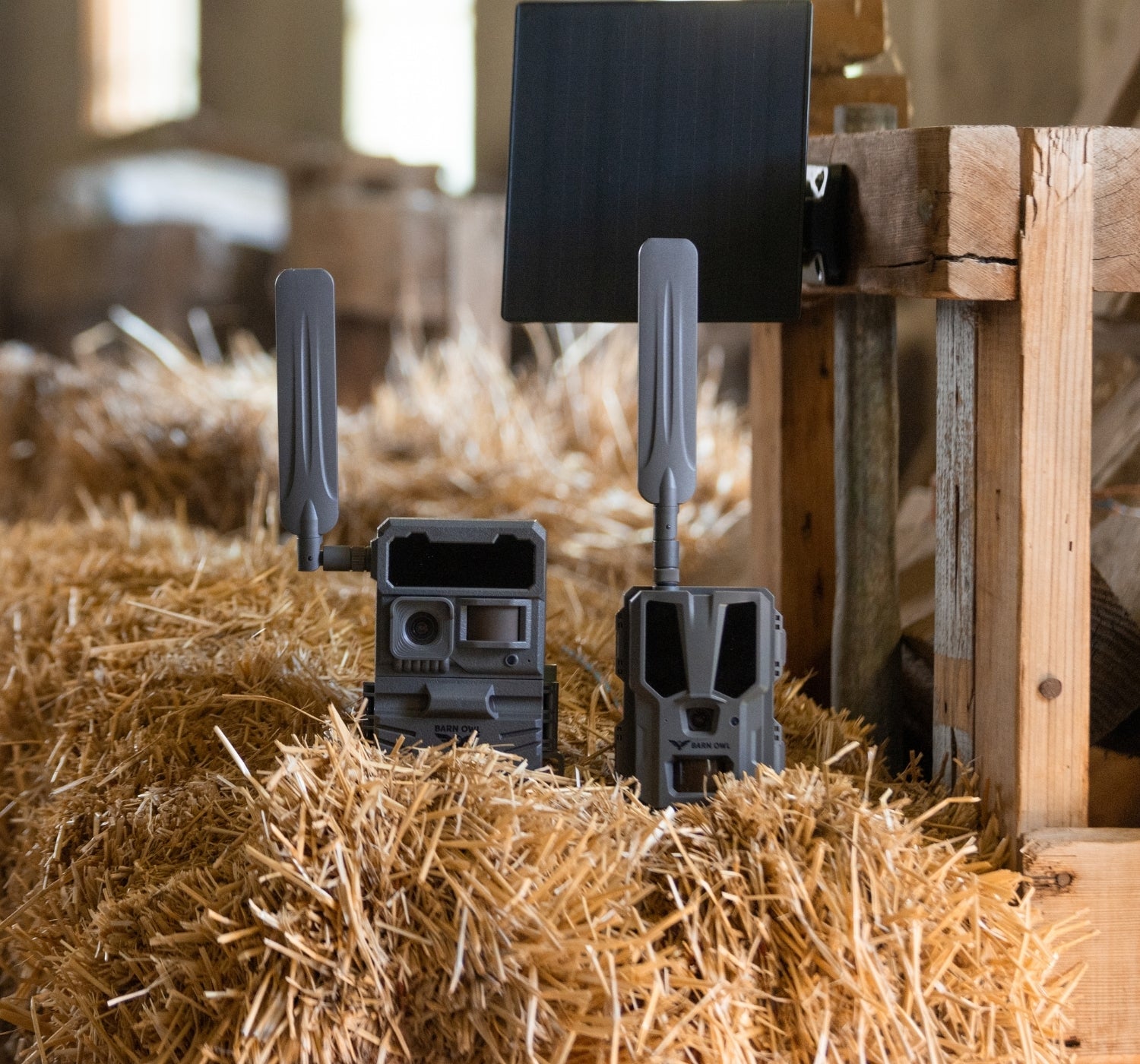
SD card security cameras are surveillance devices that utilize Secure Digital (SD) cards to store recorded footage. Unlike traditional CCTV systems that demand complex wiring and centralized storage systems, SD card cameras offer a more straightforward and flexible solution. Their compact and wireless nature means they can be placed virtually anywhere, making them ideal for both indoor and outdoor surveillance. This flexibility allows users to monitor specific areas of interest without the hassle of intricate installations. Types of SD Card Security Cameras There are several types of security cameras that utilize SD cards, each designed to meet specific surveillance needs: Outdoor wireless security camera with SD card: These are perfect for monitoring outdoor areas without the need for extensive wiring. Their wireless capabilities mean they can be installed in locations where traditional cameras might struggle to reach, offering comprehensive coverage for large properties or open spaces. Micro SD security camera: Compact and discreet, these cameras are often used for indoor surveillance. Their small size makes them easy to conceal, providing a subtle yet effective security measure for homes or offices where aesthetics are a consideration. Solar security camera with SD card: These innovative cameras use solar panels to power the device, making them an excellent choice for remote locations. They offer a sustainable solution for continuous surveillance without relying on the grid, ideal for areas with abundant sunlight but limited power infrastructure. Advantages of Using SD Card Security Cameras Easy Installation and Setup One of the most significant benefits of SD card security cameras is their ease of installation. Unlike traditional security systems that require professional installation, most SD card cameras are plug-and-play. This means you can set them up yourself without any specialized knowledge. The simplicity of the setup process not only saves time but also reduces the cost associated with hiring professionals, making it an appealing option for those on a budget. Portability and Flexibility SD card security cameras offer unparalleled portability. Since they don't rely on a central storage system, you can move them as needed, whether you're changing the camera's location or relocating to a new house. This flexibility is particularly beneficial for renters or temporary setups. The ability to easily reposition cameras allows for dynamic security strategies, adapting to changing surveillance needs without the constraints of fixed installations. Cost-Effective Solution These cameras provide a cost-effective alternative to traditional security systems. Without the need for expensive DVR systems, you only need to invest in the camera and an appropriate SD card. This initial investment is typically lower than that of conventional systems, making it an attractive choice for budget-conscious users. High-Quality Video Storage SD cards used in security cameras are capable of storing high-quality video footage. Many cameras support HD or even 4K resolution, ensuring you capture every detail. High-resolution footage is crucial for identifying intruders or understanding incidents, providing clear evidence if needed. It's essential to choose the best SD card for your security camera to guarantee optimal performance, ensuring that the high-definition capabilities of the camera are fully utilized. Independent Operation SD card cameras can operate independently of the internet, providing a reliable surveillance solution even in areas with poor connectivity. This makes them ideal for remote locations where internet access may be limited. The independence from a network not only enhances security by reducing vulnerability to hacking but also ensures continuous operation during internet outages, maintaining surveillance integrity under all conditions. Choosing the Best SD Card for Your Security Camera When selecting an SD card for your security camera, consider the following factors to ensure efficient and reliable performance: Storage Capacity The amount of footage your camera can store depends on the SD card's capacity. For continuous recording, a higher-capacity card (such as 128GB or 256GB) is recommended. Larger capacities allow for longer recording times, reducing the frequency of backups or data transfers. However, for motion-activated recording, smaller capacities (32GB or 64GB) may suffice, as these setups typically generate less data. Durability Security cameras are often exposed to harsh conditions, especially outdoor models. Choose an SD card that is water, temperature, and shock-resistant to ensure longevity. Durability is a critical factor, as exposure to elements like rain, extreme temperatures, or physical impact can damage less robust cards, potentially leading to data loss or camera malfunctions. Brand Reputation Opt for SD cards from reputable brands known for their reliability and performance. Brands like SanDisk, Samsung, and Kingston offer a range of cards suitable for security cameras. Trusted brands are more likely to provide products that meet high standards of quality and durability, offering peace of mind that your surveillance system will function reliably over time.  Integrating SD Card Cameras with Other Security Systems SD card security cameras can be seamlessly integrated with other security systems to enhance overall protection. Consider these integration options to maximize your surveillance capabilities: Hybrid Systems Combine SD card cameras with cloud-based systems for increased storage capacity and remote access. This hybrid approach ensures that footage is accessible even if the camera or SD card is compromised. By leveraging the strengths of both local and cloud storage, users can benefit from enhanced data redundancy and the convenience of accessing footage from anywhere. Remote Monitoring Several SD card cameras offer remote viewing capabilities via mobile apps. This feature allows you to monitor your property in real-time, providing peace of mind while you're away. Remote access enables users to check on their homes or businesses from anywhere in the world, ensuring they are always informed of their property's status and can respond promptly to any security concerns. Barn Owl cameras, for instance, come equipped with an intuitive mobile app that provides seamless remote viewing and smart home integration, making it easy to manage your security from anywhere. Maximizing the Lifespan of Your SD Card To ensure your SD card lasts as long as possible, follow these maintenance tips, which can help prevent data loss and extend the life of your card: Regularly Back Up Footage Periodically back up important footage to a separate storage device or cloud service. This not only frees up space on the SD card but also protects your data from loss due to card failure. Regular backups ensure that critical footage is preserved, providing a safeguard against unforeseen issues that may compromise the card's integrity. Format the Card Regularly format the SD card using the camera's built-in function. This helps maintain the card's performance and prevents data corruption. Formatting the card clears out unnecessary data and reorganizes the storage, which can improve write speeds and overall performance, ensuring the camera continues to function optimally. Conclusion Security cameras with SD cards offer a versatile and cost-effective solution for both residential and commercial surveillance needs. With easy installation, high-quality video storage, and the ability to operate independently, these cameras provide peace of mind and enhanced security. By choosing the right SD card and integrating your camera with other systems, you can maximize the benefits of this technology and ensure your property is well-protected. As technology advances, SD card cameras will continue to play a crucial role in modern security strategies, offering adaptable and reliable solutions for diverse environments.
How to Choose a Portable Security Camera For Your Farm or Ranch

Barn Owl Blog

How to Choose a Portable Security Camera For Your Farm or Ranch

by on May 23 2025
In the vast expanses of rural and commercial agriculture, security is paramount. Yet, traditional security systems often fall short, leaving property and assets vulnerable. Enter the portable security camera. This innovative solution offers a flexible, efficient way to monitor extensive properties. But with a myriad of options on the market, how do you choose the right one? This guide is here to help. We'll break down the technical jargon into understandable benefits. We'll highlight key features to look for and explain how they can enhance your operations. By the end of this guide, you'll be equipped to make an informed decision. One that not only boosts your property's security but also contributes to the productivity and success of your agricultural business. Let's dive in and explore the world of portable security cameras. Understanding the Value of Portable Security Cameras for Agriculture Agricultural properties face unique security challenges due to their size and remote locations. Monitoring such vast spaces can be daunting, and risks are ever-present. Portable security cameras offer a dynamic solution by overcoming the limitations of fixed systems. They provide flexibility in surveillance, allowing business owners to tailor monitoring according to need. This can be especially beneficial in areas where installing traditional systems is costly or impractical. Here are some key benefits of portable security cameras: Ease of Deployment: Quick setup without the need for extensive wiring. Mobility: Easily repositioned to monitor different areas as needs change. Scalability: Additional cameras can be integrated to expand coverage. With remote access features, these cameras allow real-time monitoring from anywhere, providing peace of mind no matter where you are. This aspect is crucial for rural settings, where owners might not always be on-site. Furthermore, these cameras can integrate with existing infrastructure, enhancing overall security architecture. They represent a sensible investment for those seeking to protect their agricultural ventures efficiently. Portable security cameras are not just about watching over assets; they are about embracing a smarter, more secure future. Key Features to Consider in a Portable Security Camera Selecting the right portable security camera involves understanding the features that fit your needs. Start with evaluating the core elements that contribute to performance and ease of use. First, consider the battery life and power options, especially for rural areas. Cameras with long-lasting batteries or solar power can provide continuous operation without frequent recharging. This ensures you won't miss any critical moments due to power interruptions. Next, prioritize installation ease and flexibility. Look for systems that offer simple, tool-free setups. Flexible mounting options can make a significant difference in how quickly you can deploy and reposition your cameras. The camera resolution and field of view are crucial for capturing clear images over wide areas. A higher resolution provides detailed footage, while a wide field of view maximizes coverage, reducing the number of cameras needed. Connectivity is another essential aspect. Ensure the camera offers remote access, allowing you to monitor your property from anywhere. This can be a game-changer for business owners who need to travel frequently. Lastly, durability and weather resistance are paramount for outdoor use. Cameras with robust housing and high weather ratings will withstand harsh conditions, maintaining performance under all weather scenarios. In summary, look for a portable security camera that encompasses these features: Long Battery Life or Solar Power Ease of Installation High Resolution and Wide Field of View Reliable Connectivity for Remote Access Durability Against Weather Conditions Investing in a camera that excels in these areas will enhance your ability to monitor and protect your agricultural property effectively. Battery Life and Power Options The power source of a portable security camera is a pivotal feature. Cameras with diverse power options, like battery and solar, offer flexibility. This is crucial for remote locations lacking consistent power supply. Extended battery life minimizes maintenance and ensures continuous monitoring, a must for agricultural settings. Cameras that operate with solar panels are a sustainable choice, leveraging natural resources for energy. Solar and battery-operated cameras provide autonomy, freeing you from constant checks. This autonomy is crucial in large farms where power sources may be unreliable. Selecting models with low power consumption technology further extends battery life. This becomes particularly advantageous during winter months or overcast days. Ultimately, investing in versatile power solutions ensures your security system remains active, safeguarding your operations around the clock. Installation Ease and Flexibility In the agricultural sector, installation ease can drastically affect operational downtime. An easy-install camera enhances productivity by allowing rapid deployment. Business owners can set these up swiftly, reallocating time towards more pressing farm duties. Choose cameras with user-friendly instructions and minimal setup tools. Cameras with flexible mounting options—such as clips, magnetic mounts, or adjustable brackets—offer adaptability to various farm structures. Portable security systems that don't require professional help save costs. This autonomy in setup allows immediate response to changing surveillance needs, crucial in dynamic farming environments. Also, cameras with expandable systems can grow with your business. This provides a scalable solution to increasing security needs without extra installation complexity. Opt for cameras that prioritize the user experience, making adjustments straightforward for any farmworker. Camera Resolution and Field of View Camera resolution directly impacts the quality of surveillance footage. Aim for models that offer HD and full resolution for detailed images. This clarity is essential for identifying individuals and activities from afar. A wide field of view is equally important, providing expansive coverage with fewer cameras. This helps in monitoring large fields or multiple sites simultaneously. High-resolution cameras ensure no detail is overlooked during playback, aiding in security investigations. Ensuring your camera has adjustable lens settings can cater to specific monitoring needs. Remember, better image quality leads to faster issue resolution. Investing in high-quality resolution ensures every dollar spent is returned in effective security management. Consider both current and future coverage needs, ensuring flexibility as operational areas change. Connectivity and Remote Access Reliable connectivity in a wireless security camera facilitates real-time monitoring. Opt for systems with stable Wi-Fi or cellular connections, enabling access from smart devices. Remote access allows business owners to manage properties from any location, an invaluable feature when traveling between farms. This capability supports prompt action against security threats. Check for cameras that offer mobile app support. A robust app provides live streaming, historical access, and easy camera management. Ensure the software is compatible with your current mobile devices. Comprehensive connectivity ensures your security infrastructure operates seamlessly, regardless of your physical location. Durability and Weather Resistance Durability stands as a top priority for outdoor security equipment in agriculture. Your cameras must endure varying weather conditions. Look for high IP ratings indicating strong protection against dust and water. Farms can face harsh environments—dust, rain, extreme temperatures. Cameras built with sturdy materials like metal casings provide added protection, increasing longevity. Anti-corrosive finishes are beneficial, particularly in humid environments. Weatherproof cameras maintain optimal performance and accuracy, reducing maintenance needs. Select cameras designed to function across a wide temperature range, ensuring year-round utility. Such durability in design leads to reduced downtime and optimal surveillance. Long-term investments in robust cameras lead to reliable, consistent security monitoring, safeguarding vital farm operations. The Advantages of Different Types of Portable Security Cameras Choosing the correct type of portable security camera is essential for optimal coverage. Each type offers unique benefits tailored to specific agricultural needs. Mini and discreet security cameras are small yet powerful. They provide unobtrusive monitoring and are ideal for areas where visual intrusion should be minimal. Wireless portable security cameras eliminate the need for complex wiring. They offer flexibility in placement, facilitating easier relocation as farming operations shift. Key advantages of portable security cameras include: Adaptability to different monitoring needs and environments Quick deployment for immediate surveillance setups Enhanced discretion and security against theft or vandalism Cost-effectiveness due to reduced installation costs The diverse options mean there’s a perfect solution to match every agricultural scenario. Mini and Discreet Security Cameras Mini and discreet security cameras offer a less intrusive way to monitor environments. Their small size and ability to blend into surroundings make them invaluable. Deploy them in sensitive areas where discretion is paramount. This helps deter theft without alerting potential intruders to their presence. Such cameras are ideal for indoor monitoring, like storage areas or office spaces. Despite their size, they provide high-resolution footage. Their portability allows easy repositioning, offering flexible monitoring configurations. Opt for models with wireless connectivity for even greater versatility. Wireless Portable Security Cameras Wireless portable security cameras excel in areas where fixed installation is impractical. They are easy to install, reducing setup time significantly. This type eliminates the need for cumbersome cables, making relocation stress-free. They are perfect for monitoring changing environments. Connectivity through Wi-Fi or cellular means real-time updates and alerts. They allow remote access, providing peace of mind when away from the farm. Their adaptability and simple setup make them a popular choice. Invest in models with long battery life for uninterrupted coverage. Smart Features That Enhance Security Smart features significantly elevate the functionality of portable security cameras. These advancements ensure efficient and effective surveillance. Motion detection and night vision are particularly vital. They allow for constant monitoring, regardless of time or light conditions. Secure and ample storage options are equally crucial. They ensure that all footage is recorded and readily accessible when needed. Consider portable security cameras with these smart features: Motion detection for real-time alerts and quick response Night vision for 24/7 visibility in low-light areas Password-protected storage to protect data from unauthorized access Selecting cameras with these capabilities enhances security and peace of mind. Motion Detection and Night Vision Motion detection is a game-changer in security technology. It ensures immediate notification of any suspicious activity. This feature minimizes false alarms and focuses on relevant movements. It provides alerts only for genuine threats. Night vision ensures clear images even in low-light conditions. It's invaluable for round-the-clock surveillance in poorly lit areas. High-quality night vision keeps security consistent after dark. This feature is indispensable for rural areas with limited lighting. Storage and Data Security Storage options are critical for maintaining an archive of footage. Whether local or cloud-based, secure storage is essential. Password protection safeguards video records from unauthorized access. It ensures that sensitive information remains protected. Consider cameras with expandable storage for extensive recording needs. This feature supports increased data retention. Compliance with privacy regulations is also crucial. Choose systems that uphold data security standards for peace of mind. Integrating Portable Security Cameras with Your Agricultural Operations Integrating portable security cameras into agricultural operations provides a new level of oversight and efficiency. These devices are not just about safety but can enhance everyday farming activities. Portable security cameras help monitor livestock movements and health. By keeping a constant watch, farmers can quickly respond to issues, preventing loss or harm. They are essential for overseeing mobile assets, such as vehicles and equipment. This oversight aids in reducing theft and misuse, protecting valuable resources. Portable cameras can significantly improve farm process efficiency. They can identify bottlenecks or inefficiencies in operations, allowing for timely adjustments. Key benefits of integrating these cameras include: Real-time monitoring of livestock to ensure health and prevent loss Surveillance of equipment and vehicles to reduce theft Insight into farm operations for improved efficiency Remote access to live feeds for timely decision-making Enhanced security and peace of mind for business owners By choosing portable security cameras, you ensure better operational control and asset management. Monitoring Livestock and Mobile Assets Monitoring livestock is vital for effective farm management. Cameras keep a steady eye on animals, identifying health issues early. They are also excellent for tracking mobile assets. Vehicles and equipment are vulnerable, especially in remote areas. Cameras ensure these assets are used correctly. They can help detect unauthorized usage or movements promptly. This vigilance minimizes theft and misuse, safeguarding your investments. Such monitoring can greatly improve operational reliability on the farm. Enhancing Farm Process Efficiency Efficiency in farm processes can be significantly enhanced with portable security cameras. These devices offer a bird’s-eye view of daily activities. Cameras can highlight slow areas in operations. Spotting inefficiencies allows for swift intervention and process tweaks. Real-time data from cameras aids in resource allocation. You can redirect manpower or equipment based on actual needs. Moreover, efficiency boosts productivity and reduces overhead costs. Utilizing technology in this way ensures you get the best results with minimal waste. Making the Right Investment: Cost-Benefit Analysis Investing in portable security cameras is more than a purchase; it’s a strategic decision. With careful analysis, you can maximize your returns while enhancing safety. Initially, calculate the upfront cost. This includes the price of the camera and potential installation fees. However, many cameras are designed for easy DIY setup, which can reduce expenses. Consider ongoing costs like maintenance and potential subscription fees for cloud storage. These recurring expenses should be weighed against the benefits provided. Think about the savings achieved through theft prevention and operational efficiency. Cameras can deter criminal activity, decreasing potential losses and safeguarding assets. Investing in quality equipment can yield significant long-term advantages. Enhanced security, increased productivity, and reduced risk can eventually outweigh initial and ongoing costs. Consequently, conducting a thorough cost-benefit analysis will ensure that your investment in portable security cameras is both smart and sustainable. Choosing a Camera That Grows with Your Business Selecting a portable security camera should not only meet your current needs but also adapt to future demands. As your agricultural operation expands, so should your security system. Look for systems with scalable options. This means choosing cameras that can easily integrate more units without requiring complete overhauls. This forward-thinking approach allows you to maintain a strong security posture as your business evolves, providing peace of mind and fostering continuous growth. Consider cameras with software that receives regular updates. This ensures you benefit from the latest features and security enhancements over time. Versatility is another key factor. Opt for cameras that are compatible with various power sources and smart farm technologies for seamless integration. Lastly, think about the expandability of storage solutions. Cameras with flexible storage options, such as expandable memory or support for larger cloud storage, can grow with your data needs. For tailored solutions that adapt to your specific agricultural needs, explore Barn Owl Cameras at www.barnowl.tech. We specialize in providing scalable and robust security systems for rural operations. Final Thoughts and Next Steps Choosing the right portable security camera is crucial for safeguarding your agricultural assets. It requires a keen understanding of your current and future security needs. Investing in a flexible and robust security system will strengthen your farm's safety and operational efficiency. Focus on cameras that offer durability, advanced features, and adaptability. Now is the time to assess your specific requirements. Match them with the optimal camera features to ensure your security system is both resilient and ready to evolve with your growing business. For personalized advice and cutting-edge security solutions, consider Barn Owl cameras for your farming and ranching needs. Call to Action: Securing Your Agricultural Legacy Take proactive steps to secure your farm today. Embrace technology that offers peace of mind and supports your operational success. Evaluate the best portable security cameras and invest wisely in your agricultural legacy.

Showing 48/93