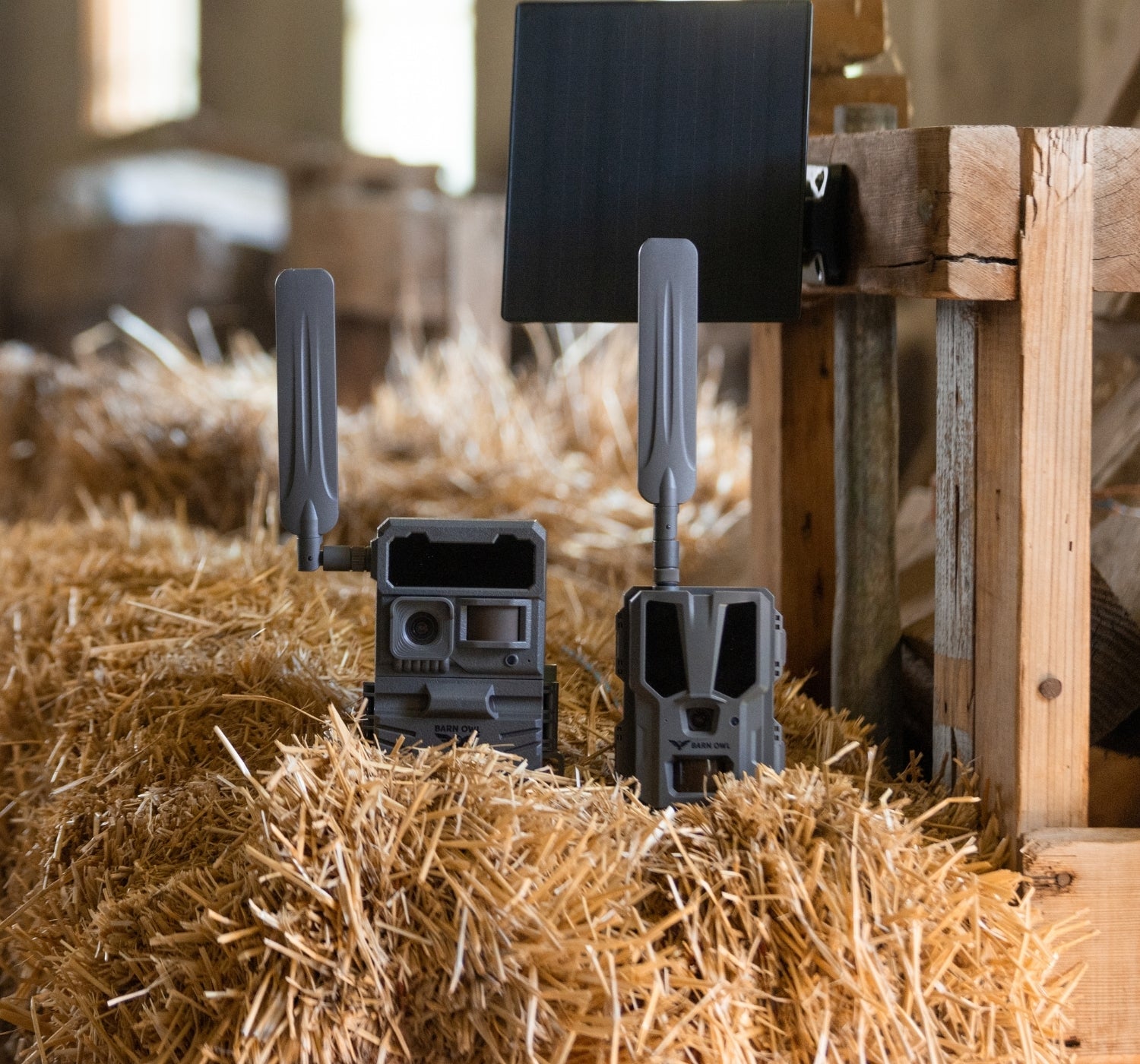
Welcome to the Barn Owl Learning Center

Since our founding in 2017, Barn Owl has become a leader in providing security, real-time insight, operational efficiency and peace of mind across rural America. Our team of experts has build an in-depth knowledge base designed to answer your questions across industries and challenges. Browse our content below by key topic or by blog post date.

Key Topics Users Find Most Helpful

Barn Owl Blog

Barn Owl's team of experts have amassed decades of insights and knowledge into a series of helpful articles. Browse the latest news and posts below, including by topic tag.

How to Choose a Wireless Camera System

Barn Owl Blog

How to Choose a Wireless Camera System

by on May 15 2025
Choosing the right wireless security camera system can be a daunting task. With a myriad of options available, it's easy to feel overwhelmed. But don't worry. This guide is designed to help you navigate through the process. We'll explore key features, discuss important considerations, and provide tips to make an informed decision. Whether you're a homeowner, a renter, or a small business owner, this guide has got you covered. By the end, you'll be well-equipped to select the best wireless security camera system that suits your specific needs. Let's get started. Understanding Wireless Security Camera Systems Wireless security camera systems have revolutionized how we think about home and business security. They offer unparalleled flexibility and ease of use. These systems connect to your network wirelessly, freeing you from the constraints of hardwiring and allowing for more dynamic camera placement. One major advantage is their portability. You can move cameras without the hassle of cables, making them ideal for renters and small businesses. Understanding how they operate gives you a clearer picture of what to expect. Key elements of wireless security systems include: Wi-Fi or cellular connectivity Video quality Cloud or local storage Remote access capabilities Power source options Wired vs. Wireless: Pros and Cons When considering security cameras, you face two options: wired or wireless. Both have their strengths and weaknesses. Wired systems often boast robust reliability. However, installation can be more complex and costly due to cabling needs. Wireless systems, on the other hand, offer simpler setup and installation. They allow for greater flexibility in camera placement. But, they require adequate Wi-Fi or cellular signal for optimal performance. Ultimately, your choice depends on your unique situation and priorities. Weighing these pros and cons can help you make an informed decision. Key Features of Wireless Security Cameras When selecting a wireless security camera system, several key features should guide your choice. These elements ensure the system meets your needs. First, consider video quality. High-resolution cameras capture clearer images and better details, crucial for effective surveillance. Next, evaluate the field of view. A wide-angle lens covers more area and reduces the number of cameras needed. Motion detection is vital. It alerts you to activity, saving time by recording only when something happens. Consider these and other features to ensure your system aligns with your security goals.  Here's a list of essential features to consider: Video quality and resolution Field of view Motion detection Night vision Remote access capabilities By focusing on these aspects, you ensure your chosen system provides comprehensive security coverage Evaluating Your Security Needs Determining your security needs is a crucial first step when choosing a wireless security camera system. Think about what you hope to achieve by installing surveillance. Consider whether you need cameras primarily for safety, monitoring, or both. This will inform the features you prioritize in a camera system. Also, evaluate the specific areas requiring surveillance. This includes entrances, driveways, or common areas. Understanding your needs helps ensure you invest in the right system. Indoor vs. Outdoor Systems Identifying whether you need indoor, outdoor, or both types of cameras is essential. Outdoor cameras should withstand weather conditions such as rain, wind, and extreme temperatures. Indoor cameras often come with a wider range of features focused on monitoring home interiors. If your needs include both areas, look for a system that offers these versatile options. Assessing Camera Placement and Field of View Effective camera placement is key to comprehensive coverage. Identify critical points to monitor, such as entryways or high-traffic areas within your property. Pay attention to the field of view provided by each camera. A broader field of view means fewer cameras needed, reducing cost and complexity. Thoughtful placement combined with optimal field coverage helps ensure security efficiency. Video Quality and Resolution Video quality is a significant factor when selecting a wireless security camera system. High resolution ensures clear and detailed footage, which is critical for identifying faces and details. Most modern cameras offer at least 1080p HD resolution. Remember, though, that higher resolution requires more bandwidth and storage capacity. Clear and sharp video quality can significantly enhance your security effectiveness. The Importance of Night Vision Night vision capabilities are vital for round-the-clock security. A camera with effective night vision ensures visibility in low-light conditions. Infrared (IR) technology is commonly used to provide clarity at night.  Consider cameras with excellent night vision range to cover necessary areas effectively. Having this feature ensures your security system is reliable day and night. Motion Detection and Smart Features Motion detection is a crucial feature in wireless security camera systems. It allows cameras to start recording when movement is detected. This saves storage space and ensures relevant events are captured. Advanced motion detection features can distinguish between different types of movement, reducing false alarms.  Moreover, some systems offer smart notifications. These provide real-time alerts on your smartphone, ensuring you are always informed of unusual activity. With these smart features, surveillance becomes efficient and proactive. Artificial Intelligence and Advanced Analytics Artificial intelligence (AI) significantly enhances the functionality of modern security cameras. AI can identify specific objects, like vehicles or people, making alerts more precise. With AI-powered analytics, your wireless security system becomes more intelligent and reliable. Connectivity and Storage Options For wireless camera systems, reliable connectivity is essential. Good Wi-Fi or cellular connectivity ensures your cameras function properly. It's important for taking pictures/video and accessing footage remotely. Equally important is deciding where your footage will be stored. You can choose between cloud storage and local storage. Each comes with its own set of benefits and limitations. Legal Implications of Surveillance Before installing cameras, understand the legal aspects of surveillance in your area. Laws vary, and non-compliance can result in serious consequences. It's important to inform guests and neighbors if surveillance overlaps into shared spaces. Respecting privacy while ensuring security can help avoid potential legal issues. Power Source and Battery Life When selecting a wireless security camera system, consider the power source. Most systems run on either batteries or are wired for electricity. Battery-operated cameras offer greater flexibility in placement. Battery life is crucial for maintaining uninterrupted surveillance. Choose cameras with long-lasting batteries to minimize maintenance and downtime. Some cameras feature energy-saving modes to prolong battery life. Additionally, consider how the power source affects installation. Battery-powered cameras can be installed in more places without needing electrical outlets nearby. Choosing the right power solution can enhance your system's efficiency and reliability. Solar-Powered Options Solar-powered security cameras offer a sustainable power solution. They utilize solar panels to charge the camera batteries during the day. This option is ideal for locations where running wires is challenging. Solar cameras are cost-effective and reduce the need for frequent battery replacements. They are a perfect choice for outdoor installations, especially in sunny regions. Ensure the solar panel receives adequate sunlight to maintain camera performance. Durability and Weatherproofing When choosing a wireless security camera system, durability is key, especially for outdoor use. Cameras exposed to the elements need robust construction. Look for cameras labeled weatherproof or waterproof. Weatherproof cameras withstand rain, snow, and heat. Check the camera's IP rating; the higher the number, the better it resists dust and water. A camera with these features ensures reliable performance in varied weather conditions, offering long-term value. Cost Considerations and Budgeting Budgeting for a wireless security camera system requires careful planning. With so many features available, costs can vary significantly. Start by defining your must-have features and remain flexible on extras. Understand that higher price does not always mean better quality. Some affordable options offer great performance without breaking the bank. Compare different models to find one that meets your needs and budget. Remember to include hidden costs in your calculations. Consider expenses like professional installation, additional storage plans, or accessory purchases. Proper budgeting ensures you get the best value from your investment. Finding Affordable and Reliable Options Finding an affordable yet reliable security camera requires research. Consider looking at user reviews and expert recommendations. These insights often reveal valuable information about performance and reliability. Focus on cameras with essential features rather than the most advanced options. Ensure the chosen system has a good warranty and customer support. Often, simplicity equals cost savings and fewer complications down the line. Looking for a camera system built for rural life? Barn Owl wireless cameras are designed specifically for remote areas, with flexible cellular plans and rugged construction that stands up to the elements. Whether you're monitoring a ranch gate, pasture, or a distant cabin, Barn Owl gives you the reliability of real-time visibility—without the hassle of wired connections or power outlets. Plus, their plug-and-play setup makes installation easy for anyone, no IT degree required. User Reviews and Brand Reputation When selecting a wireless security camera system, consider user reviews and brand reputation. Reviews can offer practical insights into a product's reliability and functionality. Check multiple sources to ensure a balanced perspective. Brand reputation reflects not only product quality but also customer service standards. Established brands often provide a greater sense of security and trust. Remember, however, that newer brands can offer innovation and competitive pricing. Engage with community forums or social media groups where users share their experiences. Real-world feedback can highlight strengths and weaknesses not covered in product descriptions. This research step is crucial for making an informed choice. Importance of Customer Support and Warranty Customer support is vital when technical issues arise. A responsive support team can save you time and frustration. Before purchasing, test the brand's support service through inquiries to gauge their responsiveness. A solid warranty can provide peace of mind, covering any potential defects or malfunctions. Review warranty terms carefully to understand what's included. A good warranty indicates the brand's confidence in their product's durability. Installation and Maintenance Installing a wireless security camera system can be straightforward or complex, depending on its features. Most systems come with a user manual to guide you through the installation process. Following these instructions ensures that your cameras are set up correctly and function optimally. Maintaining your system is essential for longevity. Regular checks for loose connections, power issues, or physical damage can prevent bigger problems down the line. By investing a little time in maintenance, you ensure the system operates efficiently for years. Choosing between DIY and professional installation depends on your comfort level with technology. DIY installation is often less costly and straightforward for tech-savvy users. Many systems are designed for easy setup, requiring no special tools or skills Regular Software Updates and Troubleshooting Keeping your security camera system updated is crucial for performance and security. Regular software updates provide new features and protect against vulnerabilities. Always check for updates from the manufacturer to maintain the highest security standards. Troubleshooting common issues, such as connectivity problems or software glitches, is an important skill. Having a basic understanding of troubleshooting steps can save you time and prevent frustration. Some systems offer automated troubleshooting guides, simplifying this process for the end user. Conclusion: Making the Right Choice Selecting the perfect wireless security camera system requires careful thought and understanding of your specific needs. Consider the camera features, connectivity, and your budget to narrow down the best options for you. The right system will balance security, ease of use, and affordability. By prioritizing key features such as video quality, motion detection, and smart integrations, you can make a well-informed decision that suits your home or business. Always research thoroughly and read user reviews to ensure you're choosing a reliable product. This approach leads to enhanced safety and peace of mind. Up next: Installation Tips for Wireless Security Cameras
Installation Tips for Wireless Security Cameras

Barn Owl Blog

Installation Tips for Wireless Security Cameras

by on May 15 2025
Wireless security camera systems are a popular choice for home and business owners. They offer flexibility, ease of installation, and can be a powerful deterrent against intruders. However, setting up a wireless security camera system can be a daunting task. There are many factors to consider, from choosing the right location to ensuring a strong Wi-Fi connection. This guide aims to simplify the process. It provides practical and actionable installation tips for wireless security camera systems. Whether you're a homeowner, renter, or small business owner, this guide is designed to help you enhance your property's security. We'll cover everything from camera range and field of view to the benefits of local storage and non-subscription cameras. We'll also delve into advanced features like artificial intelligence and sound detection. By the end of this guide, you'll have a clear understanding of how to install and optimize your wireless security camera system. Let's get started. Choosing the Right Location for Your Cameras Selecting the ideal location for your wireless security cameras is crucial. A well-chosen spot ensures maximum coverage and enhances security. Begin by identifying the most vulnerable areas of your property. Consider entry points like front and back doors, windows, and garages. These are often the first places intruders target. Also, assess any dark or hidden areas that need surveillance. Once you've identified these spots, think about the camera's range and field of view. Ensure your cameras can cover the desired area without obstructions. A wide-angle lens can help maximize coverage. For optimal placement, consider these tips: Avoid direct sunlight: Glare can affect image quality. Account for weather conditions: Ensure outdoor cameras are weatherproof. Avoid placing cameras too high: This can reduce image detail. Testing is an essential step before finalizing placement. Temporarily mount the camera and view the footage. Ensure it captures the area you want. Adjust as necessary to eliminate blind spots and confirm a clear view. By carefully considering these factors, you can ensure that your wireless security camera system is positioned effectively. This will enhance your property's security and provide peace of mind. Ensuring a Strong Connection A stable cellular connection is essential for the performance of your wireless security camera system. Without it, your cameras might not take or save footage properly. Therefore, ensuring a robust connection is a priority. Testing your cellular strength through taking test photos is crucial. Use a smartphone app or online tool to assess signal strength in various areas. Adjust placements or settings to address any weak spots and ensure consistent camera performance. Pro Tip: If you're setting up cameras in remote areas or properties without reliable Wi-Fi, consider a solution like Barn Owl Cameras. They run on cellular networks and are built for off-grid use—perfect for farms, ranches, cabins, and anywhere else your regular router can’t reach. Plus, setup is a breeze. Camera Range and Field of View Considerations Selecting the right camera involves understanding its range and field of view. These aspects determine how much area the camera can cover. A wider field of view lets the camera see more but can reduce detail if the resolution is not suitable. When choosing cameras, consider the area you want to monitor. Larger areas might need wide-angle lenses, while smaller, more specific viewing spaces may require cameras with narrower but longer ranges. Balancing field of view and resolution is key to capturing clear details. Here's what to consider when evaluating range and field of view: Type of space: Indoor or outdoor settings may require different ranges. Camera type: Different camera models offer varying field of views. Security needs: High-traffic areas may need broader coverage. Testing different settings is helpful before installing. Place the camera in a temporary position to assess its effectiveness. Make adjustments until the desired area is fully covered, ensuring no critical zones are left in the blind spot. Weatherproofing and Outdoor Installation Tips Installing wireless security cameras outside requires careful planning. Weatherproofing ensures your cameras withstand harsh environments. This increases their lifespan and reliability. Look for cameras with a high IP (Ingress Protection) rating. This indicates resistance to dust and water, crucial for outdoor use. Usually, an IP65 rating or higher is recommended for comprehensive protection. Placement is also key for outdoor installation. Avoid direct sunlight to prevent overheating and glare, which can obstruct the view. Select locations sheltered from rain to extend the camera’s life. Taking the following precautions can enhance weatherproofing: Seal all connections: Use waterproof tape or sealants on exposed areas. Select durable brackets: Ensure mounts can endure wind and weather. Consider protective housings or lock boxes: For added protection against extreme elements. By taking these steps, you ensure that your wireless surveillance camera system remains operational. This guards your home year-round, providing peace of mind. Night Vision and Motion Detection Features When choosing the best wireless security camera system, night vision is crucial. It allows cameras to capture clear footage in low-light conditions. This feature is vital for 24/7 surveillance and security. Motion detection is another key capability. It alerts you when movement is detected, preventing constant video recording. This saves storage space and focuses on significant events. Some systems offer advanced motion detection. These include human detection and customizable sensitivity settings. These options reduce false alarms from things like moving branches or pets. Consider the following when evaluating night vision and motion detection features: Infrared LEDs: Ensure adequate visibility at night. Integrated alerts: Receive instant notifications through a mobile app. By selecting cameras with these features, you enhance your wireless home monitoring camera system. This ensures efficient surveillance both day and night, offering security around the clock. Camera Positioning for Optimal Coverage Positioning your cameras strategically ensures comprehensive coverage. Start by surveying your property to identify entry points and vulnerable areas. These spots should be prioritized in your installation plan. Consider the height and angle of your camera placement. Mount cameras high enough to avoid tampering, yet low enough for clear identification. Ensure they are angled to minimize blind spots and maximize visibility. Testing different camera positions can optimize your coverage. Temporarily fix cameras and check the video feed for any missed areas. Adjust angles until each camera’s field of view covers what you need. Here are key points for optimal camera placement: Avoid facing directly into sunlight or bright lights. Cover access points such as doors and windows. Overlap fields of view between cameras for redundancy. Ensure a clear line of sight between the camera and target area. By following these tips, you can enhance your security system's efficiency. Secure Mounting and Theft Prevention Ensuring your cameras are securely mounted is vital for both functionality and security. Use sturdy brackets and screws that are appropriate for the mounting surface. This discourages tampering and withstands environmental elements. Consider installing cameras out of easy reach to deter theft. Concealed mounting or protective housings, like lock boxes, can also enhance security. These measures help keep your equipment safe from vandalism or removal. Mobile App Integration and Advanced Features Integrating your wireless security camera system with a mobile app enhances accessibility and control. A dedicated app allows you to monitor live feeds and receive alerts. This feature proves convenient for homeowners and renters alike. When choosing a system, ensure the app is user-friendly and intuitive. Check for features like push notifications. Modern wireless security camera systems come equipped with advanced features like artificial intelligence (AI) that enhance the system's capabilities, providing a more robust security solution for home or business settings. AI-powered cameras can distinguish between people, animals, and vehicles. This reduces false alarms and improves response efficiency. Knowing what triggered an alert can help users make informed security decisions. Legal Considerations and Privacy Implications When installing a wireless security camera system, it's essential to consider legal requirements and privacy concerns. Different regions have varying laws governing surveillance, so research the rules applicable in your area. Privacy is a significant concern for homeowners and neighbors. Position cameras to avoid invading others' privacy. Avoid pointing cameras directly into neighboring properties or private areas like bathrooms. Additionally, signage can help inform others that surveillance is active on your property. This can deter intruders while being transparent about your surveillance practices. Always stay informed about updates to privacy laws to ensure compliance and ethical use of your security cameras. Power Solutions: Battery, Solar, and Backup Options Selecting the right power solution is crucial for your wireless security camera system. Battery-powered cameras offer flexibility and ease of installation. They are ideal for locations without nearby power sources and can be easily repositioned. Solar-powered options are excellent for sustainable energy use. They provide continuous power in sunny locations, reducing the need for frequent battery replacements. These systems are perfect for remote areas where electricity access is limited. Here's a quick list of key considerations for power solutions: Battery life duration and charging ease Solar panel efficiency and placement Choosing the right power solution ensures your cameras remain functional. It gives you peace of mind, knowing your property is always secure. User Interface and Ease of Use A user-friendly interface is vital for any wireless security camera system. Simple controls make setup and daily use less frustrating. Look for systems with clear, intuitive menus and navigation. Mobile app integration is another crucial aspect. The app should be compatible with your smartphone and easy to navigate. Features like picture/video viewing and alert management should be quick to access. Ease of installation is equally important. Choose systems known for straightforward setup processes. This ensures that you spend less time on technical details and more on securing your home effectively. Planning for Storage and Footage Review Effective storage planning is crucial in a wireless security camera system. Consider the type of storage that best suits your needs. Local storage options such as SD cards can offer a cost-effective solution. Cloud storage is another viable option. It provides remote access to footage, but often requires a subscription. Weigh the benefits of local vs. cloud storage based on your budget and access needs. Reviewing footage is an integral part of maintaining your security setup. Set regular times to check and organize your stored clips. This practice ensures you don't miss any crucial incidents. When planning, think about the potential length and resolution of your recordings. Higher resolution will result in larger file sizes, impacting storage capacity. Here's a quick checklist to guide your storage choices: Local storage vs. Cloud storage: Assess based on accessibility and cost. Storage capacity: Consider future needs and possible expansions. Regular footage review: Ensure you have a consistent schedule. Final Thoughts: Cost-Effectiveness and System Expansion When investing in a wireless security camera system, consider cost-effectiveness. Balancing quality and affordability is key. Look for cameras offering maximum features at reasonable prices. Future expansion of your camera system is another important consideration. Choose a system that allows adding more cameras easily. This adaptability can enhance security coverage as your needs grow. Smart planning involves preparing for technological advances too. Opt for devices with regular firmware updates to maintain security standards. Here's a checklist to help with cost and expansion considerations: Initial costs vs. long-term expenses: Consider both purchase price and operational costs. Expandable system: Ensure you can add more cameras in the future. Feature-rich yet affordable: Strive for a balance in your choice. Technology updates: Opt for systems with consistent updates. Conclusion and Next Steps Installing a wireless security camera system can greatly improve your property's safety. It combines convenience with advanced features. With careful planning and installation, you can achieve optimal results. Each camera system is unique, so tailor your setup to match specific security needs. Consider both immediate and future requirements to choose the right system. Evaluate all elements from camera placement to network compatibility before finalizing installation. Now that you're equipped with installation knowledge, take the next steps. Review this guide and assess your property. Start creating a secure environment that offers peace of mind for you and your loved ones. Up next: Benefits of Wireless Security Camera Systems
Benefits of Wireless Security Camera Systems

Barn Owl Blog

Benefits of Wireless Security Camera Systems

by on May 15 2025
In today's world, security is a top priority. Whether it's your home or business, you want to ensure it's protected. Wireless security camera systems are a popular choice. They offer a range of benefits that make them an attractive option for many. These systems provide flexibility and ease of installation. They eliminate the need for complex wiring and can be set up by anyone with basic DIY skills. Moreover, they come with features like remote monitoring. This allows you to keep an eye on your property from anywhere, at any time. In this article, we'll delve into the benefits of wireless security camera systems. We'll also guide you on what to look for when choosing the best system for your needs. So, whether you're a homeowner, a renter, or a small business owner, read on to learn how a wireless security camera system can enhance your property's security. Understanding Wireless Security Camera Systems Wireless security camera systems are an innovative solution for modern surveillance needs. They operate without the extensive cabling required by traditional systems. This makes them ideal for those who need a hassle-free setup. At their core, these systems transmit data through Wi-Fi, cellular, or other wireless technologies. This enables them to send video feeds to your devices seamlessly. It's easy to monitor your property from anywhere you have internet access. A typical wireless security camera system consists of several key components. These include the cameras themselves, a recording device, server, or SD card, and a mobile app for live viewing and control. Each part plays a crucial role in the security ecosystem. The cameras are the eyes of the system, capturing footage at various locations around your property. They can be strategically placed to cover all important areas. This flexibility is one of the standout benefits of going wireless. Understanding how these components work together is essential. It helps ensure that you get the most out of your wireless surveillance setup. Here's a list of the primary components involved: Cameras with high-definition video and night vision A central hub, SD card, or recording device Mobile or web applications for remote access Wireless connectivity and power solutions Advantages of Going Wireless A wireless security camera system offers unparalleled flexibility in installation. You are not restricted by wires, allowing you to place cameras in the most optimal locations. Whether indoors or outdoors, the possibilities are endless. Installation is straightforward and ideal for DIY enthusiasts. With no complicated wiring needed, setup is significantly quicker and simpler. Many systems come with step-by-step guides to help even the least tech-savvy among us. This flexibility ensures comprehensive coverage of your property. You can easily move cameras to adapt to changing security needs. A camera placed here today can effortlessly be relocated there tomorrow. One of the standout features of wireless systems is remote monitoring. With user-friendly apps, you can view pictures and videos from anywhere. All you need is an internet connection and a mobile device. For example, Barn Owl wireless cameras are purpose-built for rural and remote properties. Whether you’re monitoring pasture gates, driveways, or water tanks, Barn Owl lets you install cameras in hard-to-reach areas and get real-time alerts—all without running power or internet cables. With flexible data plans and long battery life, it’s a smart solution for landowners who want security without the hassle. These applications empower you to control the system remotely. You can adjust camera settings, view video playback, and even communicate through the camera. It's as if your entire security setup fits right in your pocket. The benefits of wireless do not end there. Remote monitoring ensures you stay informed in real-time. If a security incident occurs, you will receive instant alerts on your device. Evolving technology has made managing these systems seamless. Here’s a quick look at the key benefits of wireless systems: Flexibility in camera placement Ease of installation for non-professionals Instant remote monitoring and alerts Seamless system adjustments via mobile apps User-friendly controls for hassle-free operation Moreover, wireless systems can expand as your needs grow. Adding cameras or upgrading features is simple and cost-effective. This makes them a future-proof investment for any household. Ultimately, the ease and adaptability of wireless setups enhance overall security. Their numerous advantages make them a preferred choice for modern home protection. They blend convenience with top-tier security solutions. Key Features to Look for in the Best Wireless Security Camera System Choosing the best wireless security camera system involves understanding several key features. High-definition video quality is essential for capturing clear and detailed footage. This ensures you can easily identify faces or read license plates if needed. Night vision is another vital feature. It allows cameras to record even in complete darkness. This ensures your property stays monitored 24/7 without missing crucial details after sundown. Motion detection technology further enhances security. These cameras send alerts the moment they detect movement. This feature minimizes false alarms and notifies you only when necessary. Storage options are also crucial for any security camera system. Most systems offer cloud storage, which allows remote access to your footage.  Weatherproof designs extend the durability of outdoor cameras. They can withstand harsh conditions and still perform optimally. Such features ensure your investment's longevity, regardless of the elements. Wide-angle lenses provide broader coverage with fewer cameras. This can be cost-effective as one camera can monitor extensive areas. It's perfect for anyone looking to maximize coverage efficiently. Battery life is another critical consideration. Cameras with long-lasting batteries reduce maintenance. Some systems also offer solar panels for continuous power without battery changes. A balanced combination of these features defines the best systems. Let's recap what to look for in a comprehensive system: High-definition video for clear images Reliable night vision for 24/7 security Effective motion detection with real-time alerts Flexible storage options, both cloud and local Weatherproofing for outdoor resilience Wide-angle lenses for extended coverage Long battery life or solar-powered options Understanding these features helps in selecting a system that meets specific needs. Whether for home or business, these elements ensure robust and reliable security coverage. Choose wisely, keeping in mind your unique circumstances and security goals. Installation and Setup: Simplifying Your Security Setting up a wireless security camera system can be straightforward and rewarding. Begin by selecting ideal locations for each camera, considering areas needing the most coverage. Choose high vantage points for a comprehensive view and minimize blind spots. Once locations are chosen, mount the cameras using the provided hardware. Most systems include brackets or adhesive pads for secure attachment. Ensure cameras are positioned to cover entry points like doors and windows effectively. Next, connect your cameras to your Wi-Fi or cellular network via their smartphone app. Follow the app's setup instructions to take test photos and get your camera integrated with the network. Take your time here; a solid connection is key to performance. Finally, adjust settings as needed. Verify motion detection and alerts to confirm they're working correctly. With everything configured, your security system is now ready to provide peace of mind. Maximizing Your Security with Advanced Features Advanced features in wireless security camera systems can significantly enhance home protection. Artificial intelligence (AI) plays a key role in this enhancement. AI enables person detection, reducing false alarms by distinguishing between humans, pets, and other movements. Also, look for cameras with low-light capabilities for better nighttime clarity. Cameras with infrared LEDs or ambient light sensors enhance image quality in dim conditions, ensuring no detail is missed. Energy efficiency is another vital aspect. Modern systems can include solar charging or extended battery life, making them more sustainable and cost-effective. These features contribute to both environmental consciousness and wallet-friendly operation. The user interface should not be overlooked. A well-designed interface makes it easier to manage complex features. It ensures that you can access and adjust settings without hassle. Enhancing Your Home's Safety with the Right System Choosing the right wireless security camera system is crucial for effective home safety. The ideal camera will balance resolution, field of view, and battery life to match your needs. High-resolution images ensure you can clearly identify faces and objects. Field of view determines how much of an area your camera covers. A wide-angle lens can reduce the number of cameras required, saving costs and simplifying your setup. This is an important feature to consider, especially for larger properties. Battery life plays a pivotal role in wireless camera performance. Opt for cameras that promise long-lasting power without frequent recharges. This choice ensures your security system remains functional without constant battery maintenance. A user-friendly interface is also essential for ease of use. Intuitive controls simplify setup, allowing you to deploy your system swiftly and efficiently. A well-designed app can make accessing and managing footage straightforward, even for those with minimal tech experience. Selecting a wireless security camera system with these factors in mind maximizes safety. It also enhances peace of mind, knowing your home is well-protected with minimal hassle. Choosing the Best Wireless Security Camera System for Your Needs Selecting the best wireless security camera system can feel overwhelming. Consider the size of your property first. Larger properties may require cameras with wider coverage or more units. The level of detail you need is another crucial factor. Higher resolution offers clearer images, which is vital for identifying faces or license plates. Determine your priority between wide coverage and image clarity. Customer reviews provide insights into real-world performance. Feedback from other users can highlight strengths and potential issues. Look for consistent positive reports about ease of use and reliability. Manufacturer reputation is also important. Established brands often deliver superior quality and better customer support. Investigate the company’s history and commitment to firmware updates for ongoing protection. When evaluating options, focus on the following: Property size and required coverage. Resolution for clear image capture. Positive customer reviews and testimonials. Manufacturer’s reputation and support services. By keeping these factors in mind, you can make a well-informed decision. This approach ensures your chosen system effectively safeguards your property. Maintenance and Support: Ensuring Long-Term Reliability The longevity of your wireless security camera system depends on several key factors. Durability is critical, especially for outdoor units that face harsh weather. Check the IP rating to ensure your cameras can withstand dust and moisture. A solid warranty provides peace of mind and signals the manufacturer's confidence in their product. Look for systems with comprehensive coverage to protect against defects and failures. A good warranty often reflects product reliability and quality. Customer support plays a crucial role in maintaining your system. Responsive support can quickly resolve technical issues, ensuring minimal downtime. Choose companies known for excellent customer service to enhance your overall experience. Conclusion: Securing Peace of Mind Wireless security camera systems offer numerous benefits for enhancing the safety of your home or business. From flexible installation to high-definition video and smart features, they provide both convenience and security. Remote monitoring expands your ability to protect your loved ones or property effectively. In choosing the right system, consider your specific needs and the size of the area you want to monitor. Evaluate essential features such as video quality, storage options, and compatibility with other smart devices. These factors will guide you in selecting a system that aligns with your security goals. Ultimately, a good wireless security camera system not only safeguards your premises but also brings peace of mind. By selecting a system that meets your requirements, you can enjoy the confidence that your home or business is well-protected. Make an informed choice and invest in a system that offers both security and reliability.
Exploring the Benefits of WiFi-Free Cameras

Barn Owl Blog

Exploring the Benefits of WiFi-Free Cameras

by on May 15 2025
In the realm of security, cameras play a pivotal role. They provide a watchful eye over our homes, businesses, and properties. But what if you don't have a reliable internet connection? Or perhaps you're concerned about the potential for hacking via WiFi? Enter the world of WiFi-free cameras. These devices operate without the need for an internet connection, offering a host of benefits. From enhanced security to cost savings, cameras that work without WiFi are gaining popularity. They're ideal for locations with limited or no internet access, and for those who value privacy and reliability. In this guide, we'll delve into the world of non-WiFi cameras. We'll explore their features, benefits, and the various types available on the market. Whether you're a homeowner, a business owner, or simply someone interested in security solutions, this guide is for you. Join us as we explore the benefits of WiFi-free cameras, and discover how they could be the perfect fit for your security needs. Understanding WiFi-Free Camera Technology WiFi-free cameras are marvels of modern technology. Unlike conventional cameras, they don’t depend on internet connections. These cameras employ alternative methods for data transmission and storage. This makes them indispensable where internet access is unreliable or undesired. There are various types of non-WiFi cameras. Some connect to local networks via cables, and others use Bluetooth for device pairing. Bluetooth-enabled cameras create secure, short-range connections to smartphones or tablets. This allows for easy access and management without internet dependency. Cellular cameras are another option. They utilize mobile networks to send alerts and footage directly to your phone. Another noteworthy feature is radio frequency (RF) communication. RF signals enable cameras to transmit data over considerable distances without using internet. Here are the key benefits of WiFi-free cameras: Increased security: Reduces hacking risks by eliminating internet dependency. Robust operation: Functions regardless of internet service disruptions. By understanding these technologies, you can choose the best non-WiFi camera system for your needs. Types of Non-WiFi Cameras WiFi-free cameras come in various forms, each tailored to specific applications. Their design caters to diverse environments and user preferences. CCTV cameras without WiFi use cables to connect to recording devices. These systems are common in commercial and industrial settings. Battery-powered cameras offer flexibility and easy installation. These cameras can be placed anywhere, ideal for locations without power outlets. Bluetooth security cameras provide local connectivity. This feature allows for direct control from mobile devices, eliminating the need for wireless networks. Cellular security cameras are advantageous for remote locations. They use mobile networks to provide real-time updates and footage streaming - perfect for properties without internet access. Barn Owl cellular cameras are a great example. Built for ranches, farms, and rural areas, they let you monitor gates, pastures, and roads in real time—no WiFi required. With long battery life and flexible mounting options, you can drop them anywhere coverage reaches and stay connected, even miles from the nearest router. Another interesting category is non-WiFi trail cameras. These are used for wildlife monitoring or outdoor surveillance. Here's a list of non-WiFi camera types: CCTV cameras Battery-powered cameras Bluetooth security cameras Cellular security cameras Non-WiFi trail cameras These options provide a range of solutions based on specific needs and environments. How Non-WiFi Cameras Store and Access Footage Non-WiFi cameras offer several methods to store and access footage. These methods ensure effective data management without internet reliance. Many non-WiFi cameras use SD cards for storage. This allows for ample video recording and easy data retrieval. Some systems connect directly to Digital Video Recorders (DVRs). This setup is common in CCTV installations, offering secure and dedicated storage. Cellular cameras transmit footage via mobile networks. This enables remote viewing and alerts, ideal for monitoring from afar. Bluetooth cameras offer local access to footage. Users can view and manage recordings directly from connected devices. Alternative communication methods, like RF signals, are also utilized. These allow data transmission over long distances without the need for WiFi. Here's a summary of storage and access methods: SD cards: For local storage and easy retrieval. DVRs: Used in CCTV setups for secure storage. Cellular networks: Enable remote monitoring and alerts. Bluetooth: Allow device-based footage access and management. RF signals: Provide long-distance data transmission alternatives. Understanding these methods aids in selecting the right solution for your surveillance needs. Advantages of Cameras Without WiFi Cameras without WiFi bring a host of benefits. They offer solutions where internet connectivity isn't available or ideal. They often come with features like motion detection and night vision. These capabilities are crucial for effective surveillance without relying on WiFi. Non-WiFi cameras can be easily integrated into existing security setups. This is done through local connections or API, enhancing overall safety measures. Moreover, their installation is often simpler. Users don't need to configure complex network settings, making the process more straightforward. Here's a quick list of their advantages: Features: Motion detection, night vision. Integration: Easy with local systems. Installation: User-friendly and quick. These advantages make non-WiFi cameras a popular choice among homeowners and businesses alike. Reliability in Various Environments Non-WiFi cameras thrive in environments where internet coverage is poor. They remain operational even when WiFi signals falter. Rural and remote areas benefit significantly from these cameras. Without reliance on WiFi, users experience continuous surveillance. Power outages and network disruptions don’t affect their functionality. Many have alternative power sources like batteries or solar, ensuring uninterrupted operation. Additionally, outdoor environments pose no challenge. These cameras withstand harsh weather, thanks to robust designs and enclosures. Consequently, they deliver steadfast performance. For users in extreme locations, this reliability is invaluable for consistent security. Popular Use Cases for WiFi-Free Cameras WiFi-free cameras serve a variety of security needs. They are especially favored in areas lacking stable internet connectivity. Homeowners find them reliable for securing their properties without the need for WiFi. Many appreciate their simplicity and effectiveness. Businesses rely on these cameras for consistent surveillance. They provide uninterrupted security, even during network outages. Rural and remote properties benefit greatly as well. Owners need not worry about inconsistent internet service affecting their security. Here are some common use cases: Home Security: Enhances safety without internet. Business Surveillance: Offers stable monitoring. Rural Areas: Works well despite weak signals. Their versatility makes non-WiFi cameras a smart investment for various security demands. Home Security Without Internet Homeowners often choose non-WiFi cameras for security. They provide peace of mind without needing complex setups or internet connections. These cameras excel in areas where internet is unstable or unavailable. They ensure continuous coverage with local storage options. Installation is relatively simple. Without the need for network configuration, homeowners can set up quickly and easily. Business and Commercial Surveillance Businesses utilize non-WiFi cameras for reliable monitoring. They maintain security without reliance on inconsistent internet services. In commercial settings, continuous surveillance is crucial. Non-WiFi cameras provide this stability, regardless of network disruptions. Additionally, these cameras function effectively with local security systems. They can easily connect to existing infrastructure for seamless integration through tools like API. Non-WiFi cameras help businesses maintain control over their security footage. Remote and Rural Properties Remote areas often face connectivity challenges. Non-WiFi cameras solve this by offering constant surveillance, independent of internet availability. Rural property owners leverage these cameras for stable monitoring. They are ideal for overseeing large areas or difficult-to-reach locations. These cameras can operate on battery or solar power. This flexibility allows placement in various outdoor environments, no matter how remote. Non-WiFi cameras are also resilient to harsh weather. Their durable construction ensures they withstand environmental conditions while providing consistent security. Choosing the Right WiFi-Free Camera for Your Needs Selecting the ideal WiFi-free camera involves understanding your security priorities. Different environments and needs require varied features. It’s crucial to evaluate your particular circumstances and demands first. Assess where the camera will be used. Some models are designed for indoor use, while others withstand outdoor conditions. Ensure compatibility with your property's specific requirements. Also, consider how you plan to access video footage. Some cameras store data on SD cards, while others link to DVR systems or use cloud storage. This decision might depend on how you prefer to manage recordings. Budget is another critical factor. Cameras vary in price, often reflecting their capabilities. Look for options that balance cost with essential features. Below are some key selection criteria: Environment: Indoor vs outdoor suitability. Storage Options: Local and external storage preferences. Budget: Balancing price and features. These considerations assist in matching available models with your needs effectively. Features to Consider When evaluating camera features, pay attention to image quality. High-definition video offers clear footage, which is essential for identification purposes. Night vision can also be beneficial if you need round-the-clock surveillance. Consider power options carefully. Battery-powered cameras offer flexibility in placement, while hardwired models provide continuous power. Solar-power capabilities add an eco-friendly dimension. You should also consider the camera’s field of view. Wider angles can cover more space, reducing the number of cameras needed. For large areas, this becomes particularly important. Motion detection is another valuable feature. Cameras with this ability alert you of activity, minimizing the need to review hours of footage. It enhances security by drawing attention only to relevant events. Installation and Maintenance Tips Installing a non-WiFi camera requires attention to details. Position cameras to cover entry points while minimizing blind spots. This strategic placement ensures comprehensive coverage. Ensure the camera is securely mounted. Whether using brackets or stands, stability is crucial. This prevents repositioning due to environmental factors, like wind. Regular maintenance keeps cameras functioning optimally. Check for obstructions such as dirt or debris on lenses. Regular cleaning ensures image clarity and performance. Furthermore, ensure power sources are stable and reliable. For battery-powered units, schedule regular checks and replacements. Solar-powered cameras should be free of obstructions to their panels. Lastly, stay updated on technological developments and firmware updates. Manufacturers often release updates that enhance performance or add features. This practice keeps your security system up-to-date and effective. Future Trends in Non-WiFi Security Cameras Non-WiFi security cameras are evolving with technology advancements. One exciting development is the integration of artificial intelligence. AI enhances features like motion detection, making cameras smarter and more effective without relying on the internet. Another trend is improved power solutions. Cameras are increasingly using solar and long-lasting battery technologies. This means more environmentally friendly options that can operate efficiently in areas without electricity or internet access. Lastly, expect better connectivity options. Direct pairing with mobile devices without internet reliance is growing. This allows real-time footage access, enhancing security monitoring flexibility while maintaining privacy and reliability in various settings. Conclusion and Final Thoughts WiFi-free security cameras offer a robust alternative for those seeking privacy and reliability. They address concerns about internet dependency and potential security breaches. These cameras are versatile, suitable for many environments, and cost-effective. As technology advances, their capabilities continue to improve. Choosing the right camera can greatly enhance security without the need for internet connections, providing peace of mind for users. Up next: How to Choose a Wireless Camera System
Capture Moments: Cameras Without Internet Dependence

Barn Owl Blog

Capture Moments: Cameras Without Internet Dependence

by on May 14 2025
In a world where almost everything is connected to the internet, it's easy to forget that some things can function perfectly well without it. One such example is cameras that work without Wi-Fi. These cameras offer a unique blend of convenience and security. They are designed to capture and store footage locally, eliminating the need for a constant internet connection. But why would someone need a camera that doesn't require Wi-Fi? There are several reasons. For one, not everyone has access to reliable internet. In such cases, a camera that works without Wi-Fi can be a lifesaver. It can provide security and surveillance in areas where internet connectivity is a challenge. Secondly, these cameras offer an added layer of privacy. Since they don't connect to the internet, they are less susceptible to hacking and unauthorized access. Moreover, they can be more reliable in certain situations. For instance, during power outages or network disruptions, these cameras continue to function, ensuring uninterrupted surveillance. In this guide, we will explore the world of cameras that work without Wi-Fi. We will delve into their features, benefits, and potential use cases, helping you make an informed decision. Whether you're a homeowner, a business owner, or simply someone interested in security and surveillance, this guide is for you. Let's dive in. Why Choose Cameras That Work Without WiFi? Cameras that work without Wi-Fi offer unique benefits. They solve several common problems that internet-dependent cameras face. One major advantage is enhanced privacy. Without internet connectivity, these cameras are less prone to hacking and data breaches. This added security makes them an ideal choice for sensitive areas. Another reason to consider non-Wi-Fi cameras is reliability. They don’t rely on network connections, which can be unpredictable. During outages, they continue recording, ensuring you don’t miss crucial moments. These cameras are also versatile in different environments. Areas lacking strong Wi-Fi signals benefit greatly from their independence. They function in remote locations where internet isn’t available. Moreover, there is a variety to choose from. Some popular types include: CCTV cameras without Wi-Fi. Outdoor cameras perfect for rural areas. Bluetooth security cameras that do not require internet. This variety ensures you can find a model that suits your specific needs. Non-Wi-Fi cameras also often have lower long-term costs.  Finally, they are generally easy to install and maintain. With no need for internet setup, these cameras are often plug-and-play. This simplicity appeals to users wanting quick installation without technical hassles. In summary, choosing a camera that doesn’t rely on Wi-Fi can be a smart decision. From privacy to reliability, the benefits are clear and compelling. Whether for home security, business surveillance, or outdoor monitoring, these cameras offer flexible solutions. Types of Cameras That Don't Need Internet Exploring different types of cameras that operate without Wi-Fi can be quite enlightening. These devices come in various forms, each serving specific needs and environments. Their ability to function independently is incredibly valuable, especially in remote settings. One popular category is CCTV cameras without Wi-Fi. These are often used in commercial settings where constant monitoring is required. They typically use wired connections or local storage, maintaining a continuous recording loop without internet reliance. For those needing outdoor solutions, non-Wi-Fi security cameras are ideal. These are built to withstand harsh weather, making them perfect for garden or backyard surveillance. Robust and weather-resistant, they continue operating even in challenging conditions. Another choice is the cellular security camera. These utilize mobile data networks instead of traditional internet connections. They can send footage directly to your phone, proving useful when setting up surveillance in areas lacking Wi-Fi. Here's a quick list of non-internet cameras: CCTV Cameras: Excellent for indoor and business use. Outdoor Cameras: Weather-resistant with wide coverage. Cellular Cameras: Ideal for remote monitoring via mobile data. Each camera type is tailored for its intended use, offering unique features. Whether it's local storage on an SD card or advanced motion detection, these cameras deliver excellent performance without Wi-Fi. Moreover, many of these cameras come with smart functionalities. Features like night vision and high-definition video capture are common. This enhances their usability in diverse scenarios. Choosing the right type for your specific need is crucial. Consider the environment, coverage area, and monitoring preferences when making a decision. Ultimately, the availability of these varied options simplifies finding a camera that fits your requirements. Explore the specifications and benefits of each type to make an informed choice. CCTV Cameras Without WiFi CCTV cameras without Wi-Fi are a staple in many commercial setups. These systems often rely on closed circuits, with video feeds available through direct connections. Their design focuses on providing round-the-clock surveillance without internet dependence. These cameras utilize local storage solutions like DVRs or NVRs. This ensures that footage is recorded and kept secure without the need for cloud services. Businesses often choose CCTV systems for their ability to maintain large archives of footage. Another benefit is their robustness in maintaining coverage. They continue to record during network outages, offering uninterrupted security. This is particularly useful in critical monitoring areas such as entrances and warehouses. Non-WiFi Security Cameras for Outdoor Use Outdoor non-WiFi security cameras offer excellent coverage for external environments. Designed to be durable, they withstand elements like rain, wind, and heat. Their rugged construction ensures longevity in various weather conditions. These cameras often come with advanced features. Wide-angle lenses and night vision enhance their ability to monitor large outdoor areas. They are ideal for gardens, patios, and other open spaces requiring consistent observation. Many models are battery-powered, allowing flexible placement. This eliminates the need for long cables or extensive electrical setups. Users can easily position them where surveillance is most needed, making them convenient for home security. Cellular Security Cameras with No WiFi Requirement Cellular security cameras rely on mobile network data instead of Wi-Fi. This makes them highly suitable for remote locations without internet access. Using a SIM card, these cameras transmit footage via cellular networks. They are perfect for monitoring isolated areas such as construction sites or rural properties. These cameras offer real-time alerts and live video feeds directly to your mobile device. This connectivity ensures you remain informed about site activities from anywhere. Cellular cameras usually come with solar panels and backup batteries, providing flexibility in placement. They represent an excellent choice for temporary surveillance needs. Additionally, their setup is straightforward, requiring no wiring or network configuration. Barn Owl cameras are a great example. Built for rural life, they work anywhere with cell coverage—no Wi-Fi required. Whether you're watching cattle gates or remote barns, Barn Owl gives you eyes where you can’t be, with solar-powered options and real-time alerts delivered straight to your phone. Key Features to Look for in Non-WiFi Cameras When choosing a non-WiFi camera, certain features stand out. Each feature can greatly influence the efficiency and reliability of the camera. Considering these features ensures you select a camera that fulfills your requirements. One crucial aspect is image quality. The camera should offer high resolution to capture clear, detailed images. This is vital for identifying faces and license plates. The field of view is another critical feature. A wider field of view allows the camera to cover more ground. This can reduce the number of cameras required for adequate surveillance. Motion detection capabilities also enhance security. They ensure the camera only records when activity is detected, saving storage space. This feature can also trigger alerts, keeping you informed about unexpected movements. Important features to consider include: Resolution: High-definition video for clarity. Field of View: Wide angles for better coverage. Motion Detection: Activates recording upon activity. Night Vision: Visibility in low light conditions. Durability: Weather-resistant for outdoor use. Night vision is essential for maintaining visibility in low light. Infrared LEDs in the camera can offer clear images even in the dark. This ensures round-the-clock coverage regardless of lighting. The camera's durability, particularly for outdoor models, matters. They should withstand harsh weather and environmental conditions. An IP66 or higher rating indicates good weather resistance. Battery Life and Power Options Battery life significantly impacts the camera's effectiveness. For wireless models, extended battery life is crucial to reducing maintenance.  Rechargeable batteries offer convenience. Some models also support solar panels for continuous power. This eco-friendly option minimizes intervention and ensures ongoing surveillance. Flexibility in power options is beneficial. Cameras that can be hardwired offer additional reliability. Consider models with multiple power sources for optimal adaptability. Storage Capabilities Without Internet Storage solutions define how much footage a camera can retain. Non-WiFi cameras often use local storage like SD cards or external hard drives.  SD cards are popular due to their ease of use and compatibility. They’re simple to replace or upgrade for more capacity. Opt for high-capacity cards to record extended footage. Hard drives offer larger storage but may require more space. For locations with frequent activity, they provide ample space for longer retention. Choosing the right storage depends on the camera's intended purpose and location. Benefits of Using Cameras Without WiFi Non-WiFi cameras provide notable advantages over their internet-dependent counterparts. Their independence from WiFi makes them appealing for those prioritizing security and privacy. These cameras ensure higher levels of data protection. Without internet connectivity, they minimize the risk of hacking attempts and unauthorized access. User footage remains private, stored safely on local devices. Another benefit is their versatility in diverse settings. Whether in remote areas, urban environments, or places with unreliable internet, they continue to function effectively. This adaptability makes them suitable for both home and business use. They also offer substantial cost savings. With no need for internet subscriptions, they provide a budget-friendly solution. This makes them an attractive choice for those looking to cut costs without sacrificing security. Key benefits include: Enhanced Privacy: Protects against internet-based threats. Cost-Effective: No recurring internet expenses. Versatility: Functions in varied environments. Data Security: Stores data locally. Non-WiFi cameras often employ battery-powered systems. This allows for more flexible installation options. Their wireless nature means they can be placed virtually anywhere with minimal hassle, providing comprehensive surveillance coverage. Finally, they are straightforward to install and maintain. Lacking the need for complex internet configurations, they simplify the setup process. This ease of use is ideal for individuals seeking quick, efficient solutions. Reliability in Various Conditions Non-WiFi cameras remain dependable under varying conditions. They do not rely on potentially unstable internet connections, ensuring consistent performance. This reliability makes them perfect for remote locations where internet is sparse or unreliable. These cameras often boast rugged construction. Designed to withstand harsh environments, they function effectively in extreme weather conditions. Rain, snow, or shine—they continue to safeguard your property without faltering. Battery-powered models further enhance their dependability. With the ability to function independent of power outages, they maintain operation during electrical failures. This makes non-WiFi cameras a reliable option for continuous surveillance in any setting. Installation and Maintenance of Non-WiFi Cameras Installing non-WiFi cameras can be simple with the right steps. Begin by choosing the ideal placement. Consider height and angle for optimum coverage. Accessibility for maintenance is also crucial. Non-WiFi cameras often come with user-friendly setup options. Many homeowners can manage installations themselves. Follow manufacturer instructions carefully to ensure the best results. This minimizes issues and improves performance. Wired cameras may require more effort due to cable management. Think about concealment and protection from weather or tampering. Wireless options are more flexible but still need a reliable power source nearby. Maintenance involves regular checks to keep systems running smoothly. Inspect components like cameras and connections. Clean lenses to prevent image clarity issues, especially in outdoor units. Address any signs of wear or damage promptly. Legal and Ethical Considerations for Surveillance Without Internet When using cameras that work without WiFi, it's important to understand local surveillance laws. Compliance can prevent legal issues. Laws vary by region, so research is crucial before installation. Ethical use of surveillance cameras involves respecting privacy. Avoid pointing cameras at neighbors' properties or public spaces without consent. Clearly communicate to visitors if an area is monitored. Transparency with camera use builds trust with family and visitors. It is essential to inform those within the monitored area about their presence. Ethical practices ensure that cameras offer security while respecting personal boundaries. Conclusion: Embracing the Freedom of WiFi-Free Cameras Choosing cameras that work without WiFi opens up a world of flexibility and control. These systems provide reliable surveillance without needing internet access, making them valuable for diverse needs. As technology continues to evolve, non-WiFi cameras offer an appealing blend of privacy and functionality. They empower users to secure spaces independently, giving peace of mind in a connected world. Up next: Exploring the Benefits of WiFi-Free Cameras
Top Benefits of Cellular Security Cameras

Barn Owl Blog

Top Benefits of Cellular Security Cameras

by on May 14 2025
In the realm of security, technology has made significant strides. One such advancement is the cellular security camera. These cameras operate on cellular networks. This means they don't rely on Wi-Fi, offering flexibility in placement. They're ideal for remote locations or areas with unreliable internet. This makes them a versatile tool for enhancing security in various settings. Cellular security cameras come with a host of features. From high-definition video quality to motion detection alerts, they offer comprehensive surveillance solutions. They can be powered by batteries or solar energy. This makes them truly wireless and eco-friendly. Their use extends beyond just home or business security. They can monitor wildlife, traffic, and even serve in public safety applications. In this guide, we'll explore the top benefits of cellular security cameras. We'll delve into their features, applications, and what to consider when choosing one. Whether you're a homeowner, business owner, or a tech enthusiast, this guide will help you understand why cellular security cameras are a smart choice. Unmatched Flexibility in Placement One of the greatest advantages of cellular security cameras is their unmatched flexibility in placement. Unlike traditional cameras, they don't need to be near a power outlet or Wi-Fi router. These cameras rely on cellular networks, enabling them to work effectively anywhere with cell coverage. This makes them perfect for rural or remote areas that lack reliable internet access. Cellular security cameras can be installed in hard-to-reach places. This includes construction sites, agricultural fields, and vacation homes, enhancing security where it's most needed. Being wireless, they also provide a clean setup. There are no tangles of wires, which enhances both aesthetics and safety by reducing trip hazards. Furthermore, they can be easily relocated as security needs change. This flexibility makes them an excellent choice for temporary situations and evolving security needs. Remote Monitoring Capabilities Cellular security cameras offer robust remote monitoring capabilities. They allow users to check live footage from anywhere using a smartphone or a computer. This feature is particularly beneficial for travelers and business owners. They can watch over their property or business operations while on the go, ensuring peace of mind. In addition to capturing photos and videos, these cameras can send alerts directly to your device. Motion detection alerts can be customized to notify you of any unusual activity instantly. Real-time updates make it easy to take action fast if needed. This responsiveness enhances the overall security of your premises. Eco-Friendly Power Options Cellular security cameras can utilize eco-friendly power options, making them sustainable and self-sufficient. A common choice is solar power, which harnesses the sun's energy to keep the camera operational. Solar-powered security cameras reduce dependence on traditional power sources. They are ideal for locations where connecting to a power grid might be challenging. Here are some benefits of eco-friendly power options: Reduced Carbon Footprint: Less reliance on fossil fuels. Cost Savings: Lower electricity bills over time. Low Maintenance: Generally requires less upkeep once installed. Independence: Not affected by power outages. These features not only make them efficient but also cost-effective in the long run. Additionally, solar panels can be paired with battery backups, ensuring continuous operation even in cloudy conditions. Eco-friendly power options reflect a commitment to sustainability, aligning security systems with environmentally conscious practices. This choice is perfect for those seeking a green alternative without compromising on security. High-Quality Video and Advanced Features Cellular security cameras offer high-quality video, providing clear and detailed surveillance. HD video ensures that every important detail gets captured, enhancing security and peace of mind. Many cameras come equipped with night vision capabilities. This feature is crucial for round-the-clock monitoring, ensuring clear footage regardless of lighting conditions. Motion detection is another advanced feature present in most cellular cameras. It allows the camera to alert users of any movement, reducing the need for constant monitoring and lets users view real-time footage directly from their smartphones or devices, no matter where they are. Advanced analytics like facial recognition or license plate reading are available in high-end models. These features add sophistication and reliability to security systems. Overall, the combination of high-quality video and advanced features makes cellular security cameras a powerful tool. They provide comprehensive monitoring capabilities, making them a top choice for both residential and commercial use. Resilience and Weather Resistance Cellular security cameras are built to withstand diverse environmental conditions. This makes them ideal for outdoor surveillance where weather can be unpredictable. Most cameras feature weather-resistant casings. These protect delicate internal components from rain, snow, and extreme temperatures. Durability extends beyond weather resistance. Cellular cameras often boast sturdy designs to resist impacts and potential vandalism. Their resilience allows for uninterrupted operation even in harsh climates. This ensures continuous security coverage throughout the year. Choosing a cellular security camera with high resilience can prolong its lifespan. It also ensures consistent performance, making it a dependable part of any security system. Simplified Installation and Setup The allure of cellular security cameras lies in their ease of installation. These cameras often don't require complex wiring. Without the need for extensive cables, setup time is significantly reduced. Most users find they can install these devices without professional help. The wireless nature of cellular cameras is a major advantage. This eliminates the hassle of drilling holes or threading wires. Additionally, many models come with intuitive instructions. This allows homeowners and business owners to get their systems up and running quickly. Cellular cameras offer plug-and-play solutions. This simplicity ensures that even those with limited technical know-how can confidently install and set up their cameras. Looking for a cellular camera that’s truly built for remote monitoring? Barn Owl cameras are designed for easy setup in rural, off-grid, and hard-to-reach locations. With no Wi-Fi required, solar and battery options, and a plug-and-play interface, Barn Owl helps you secure gates, pastures, and property in minutes—not hours. Whether you're monitoring livestock or guarding a mountain cabin, Barn Owl delivers peace of mind without the hassle. Enhanced Security with Real-Time Alerts Cellular security cameras excel in providing real-time alerts, enhancing your security system. These alerts can notify you of any unusual activity immediately. When motion is detected, alerts are sent directly to your smartphone or email. This instant notification ensures you never miss a critical event. You can customize the alert settings to suit your needs. Adjust sensitivity levels to manage when and how notifications are sent. The benefit of real-time alerts extends beyond simple notifications. They allow you to take immediate action if necessary. This quick response capability deters potential intruders and adds an additional layer of security. With cellular cameras, you're always informed and prepared. Cost-Effectiveness and Scalability Cellular security cameras offer a cost-effective alternative to wired systems. They eliminate the need for complex wiring and expensive infrastructure. The upfront savings can be significant, as you avoid extensive installation fees. Many models are designed for easy DIY setup, further reducing costs. Scalability is another key advantage of these cameras. Adding more units to your security system is straightforward and doesn't require technical expertise. Cellular cameras can easily adapt to growing security needs. Whether for a small home or expanding business, they provide flexible solutions. The lack of dependence on physical connections makes them ideal for dynamic environments. As security needs change, your camera system can evolve with minimal hassle. Considerations for Choosing the Right Cellular Security Camera Selecting the right cellular security camera involves considering several key factors. Each feature can impact the camera's performance and suitability for your needs. First, assess the power options available. Consider whether solar-powered or battery-operated models fit your environmental conditions. Next, review the camera's connectivity options. Ensure compatibility with your preferred cellular network provider for reliable performance. It's important to evaluate video quality and additional features. Options like HD resolution, night vision, and motion detection can enhance security. Key considerations include: Power source: solar, battery, or wired Network compatibility: 4G, LTE, or 5G Video quality: HD, 4K Additional features: night vision, motion alerts Finally, think about the camera's durability and weather resistance. Outdoor units require robust construction to withstand elements and ensure longevity. Cellular Security Camera Use Cases Cellular security cameras offer unmatched versatility in their applications. They are perfect for diverse environments, whether urban or rural. Their portability makes them ideal for temporary monitoring needs. Construction sites and event venues often benefit from these adaptable cameras. In residential settings, they provide security for vacation homes and rental properties. Homeowners can monitor their premises remotely with ease. Businesses find them advantageous for monitoring large outdoor areas. They ensure warehouse security or oversee parking lots effectively. Common use cases include: Wildlife monitoring and research Traffic flow observation in urban settings Security at cultural and historical sites Monitoring agricultural activities and livestock Surveillance for remote or isolated properties Law enforcement agencies use cellular cameras for covert operations. Their discreet design supports sensitive surveillance efforts. Cellular cameras offer reassurance for families caring for elderly relatives. Parents can also supervise their children or pets with these devices. Finally, cellular security cameras are excellent for smart city initiatives. They can be integrated with other systems to enhance public safety efficiently. FAQs on Cellular Security Cameras Cellular security cameras come with numerous features and capabilities, leading to a multitude of questions from potential users. Frequently Asked Questions: What networks do cellular cameras use? Most cameras operate on 4G LTE networks for reliable coverage. Do they require a SIM card? Yes, many models include a SIM card for seamless connectivity. How do they perform in harsh weather? These cameras are designed with weather-resistant features for outdoor use. Are they easy to install? Installation is generally simple, often not requiring professional assistance. What are the storage options available? They typically offer cloud and local storage solutions for video backup. Choosing the right camera involves understanding its features and requirements. With their ease of use and robust capabilities, cellular security cameras meet diverse surveillance needs effectively. Conclusion: Why Cellular Security Cameras Are a Smart Choice Cellular security cameras stand out in the market for several reasons. Their ability to operate independently of Wi-Fi offers unparalleled flexibility. This feature makes them ideal for diverse locations, from remote areas to urban settings. The eco-friendly power options, such as solar panels, further enhance their appeal. Users can enjoy maintenance-free operation alongside sustainable energy use, making these cameras an environmentally conscious choice. Additionally, cellular security cameras provide advanced features like real-time alerts and high-definition video. These capabilities ensure users receive clear footage and timely notifications, significantly enhancing security measures. Overall, cellular security cameras are not just a purchase but a strategic security investment. They offer cutting-edge solutions that cater to modern surveillance needs, blending efficiency with innovation. Up next: Advantages of Cellular Security Cameras Explained

Showing 192/301