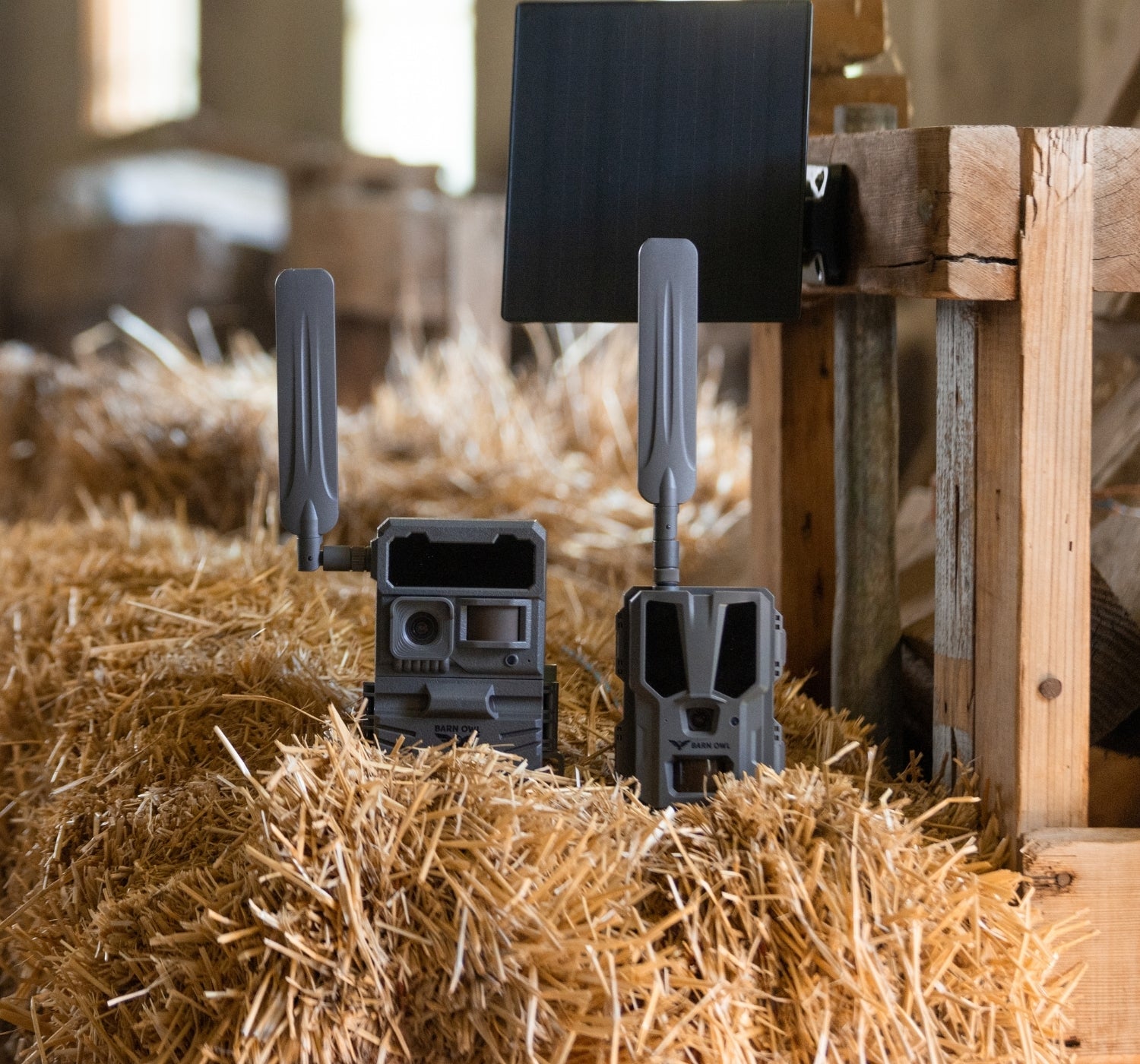
Welcome to the Barn Owl Learning Center

Since our founding in 2017, Barn Owl has become a leader in providing security, real-time insight, operational efficiency and peace of mind across rural America. Our team of experts has build an in-depth knowledge base designed to answer your questions across industries and challenges. Browse our content below by key topic or by blog post date.

Key Topics Users Find Most Helpful

Barn Owl Blog

Barn Owl's team of experts have amassed decades of insights and knowledge into a series of helpful articles. Browse the latest news and posts below, including by topic tag.

Comparing Cellular vs. Traditional Security Cameras

Barn Owl Blog

Comparing Cellular vs. Traditional Security Cameras

by on May 21 2025
Security is a top priority for homeowners and businesses alike. Traditional security cameras have long been a staple in surveillance systems. But what if there was a more flexible, versatile option? Enter the cellular security camera. Unlike traditional cameras, cellular security cameras operate using cellular networks. This means they don't rely on wired or Wi-Fi connections. This offers a host of benefits. For instance, remote monitoring without the need for internet access. In this article, we'll delve into the world of cellular security cameras. We'll compare them with traditional security cameras, highlighting the different usages of each. Our goal? To help you make an informed decision when choosing a security camera system. Whether you're a homeowner, a business owner, a security professional, or a tech enthusiast, this guide is for you. Understanding Cellular Security Cameras Cellular security cameras are an innovative twist on traditional surveillance technology. They stand out because they connect through cellular networks. This connectivity offers flexibility that wired or Wi-Fi cameras cannot match. You no longer need the hassle of internet connections to ensure security. What sets these cameras apart is their ability to operate in remote areas. Whether it's a construction site or a farm, cellular cameras have you covered. With more people opting for these cameras, it's essential to understand how they function. They offer solutions that address common security challenges. Below, we explore the ins and outs of these cameras, from their basic definition to their mode of operation: Connectivity: Utilizes 4G LTE networks. Power Source Options: Solar-powered or battery-powered. Flexibility: Ideal for off-grid locations. Features: Includes remote monitoring and real-time alerts. What is a Cellular Security Camera? A cellular security camera is a versatile surveillance device. It connects to cellular networks like 4G LTE for data transmission. Unlike traditional models, cellular cameras don’t depend on Wi-Fi. This makes them perfect for locations where internet service is spotty or absent. The technology in cellular cameras allows for greater freedom in placement. You can place them virtually anywhere with reliable cellular coverage. This flexibility is a game-changer for both residential and commercial security. These cameras can be solar-powered, adding another layer of convenience. Their wireless nature supports a hassle-free setup. Overall, cellular security cameras offer a smarter way to ensure safety without the typical limitations of wired systems. How Do Cellular Security Cameras Work? Cellular security cameras use SIM cards similar to those in smartphones. This allows them to access cellular networks. Once connected, they transmit data much like a mobile device. This includes video feeds and real-time alerts. These cameras excel in areas lacking traditional connectivity. They offer peace of mind in remote locations, thanks to cellular coverage. Power supply is another vital component. Many models come with solar panels, making them self-sustaining. Their operation doesn’t end with capturing images or videos. These cameras offer cloud storage options, ensuring you have access to footage anytime. Cellular security cameras combine ease of use with advanced technology. They provide a robust solution for modern security needs. Traditional Security Cameras Explained Traditional security cameras have long been a staple in surveillance systems. They offer a reliable means of monitoring homes and businesses. These cameras often require a more involved installation process. They are typically wired, meaning they need physical connections for power and data. Some traditional models use Wi-Fi, but still depend heavily on a stable internet connection. This limits their placement to areas with strong and consistent Wi-Fi signals. Despite their limitations, traditional security cameras provide various benefits. They often offer superior image quality and consistent recording capabilities. Here's what sets them apart: Installation: Requires more setup, often needing professional help. Image Quality: Offers reliable, high-resolution footage. Connectivity: Dependent on strong infrastructure. Application: Mostly used in urban settings and indoor environments. The Basics of Traditional Security Cameras Traditional security cameras have defined residential and commercial surveillance. They typically work by connecting to a centralized system. These cameras send recorded footage to a digital video recorder (DVR) or network video recorder (NVR). This allows for storage and review of video feeds. Their designs range from simple bullet cameras to sophisticated dome cameras. Many models offer features like night vision and wide-angle lenses. To operate, traditional cameras often rely on power cables. This necessitates strategic placement to access power outlets. While their setup is more complex, they offer robust and reliable security. This makes them a preferred choice for many urban and well-connected environments. Wired vs. Wi-Fi: Connectivity Options Traditional security cameras offer two primary connectivity options. Wired connections are the most common. Wired systems are generally stable, with fewer interruptions. However, they require cables to connect each camera to a central hub. On the other hand, Wi-Fi cameras have surged in popularity. They offer more flexibility with fewer wires, though they need a stable internet connection. Wi-Fi cameras are easy to install but are vulnerable to network issues. Location and signal strength are crucial for optimal performance. Choosing between wired and Wi-Fi options depends on specific needs. Factors like distance, infrastructure, and future scalability should guide the choice. Ultimately, both options provide excellent security solutions. The right choice depends on installation complexity and connectivity reliability. Key Benefits of Cellular Security Cameras Cellular security cameras bring several advantages over traditional systems. They offer unique features tailored to modern security needs. Remote Monitoring Without Internet One significant benefit is independent connectivity. Cellular cameras don't depend on local internet. They use cellular networks like 4G LTE for data transmission. This allows remote monitoring in areas without Wi-Fi. Even in remote areas, you can access live footage. This ensures constant surveillance without relying on fixed-line internet services. Solar and Battery Power Options Many cellular cameras come with solar power options. This eco-friendly feature reduces reliance on traditional energy sources. Solar-powered cameras are ideal for off-grid installations. They can function for extended periods without power infrastructure. Battery options add further flexibility. Rechargeable cells provide continuous operation, even during cloudy days or at night. Rechargeable cells provide continuous operation, even during cloudy days or at night. Barn Owl cameras prioritize efficient energy use and offer reliable battery and solar configurations to ensure uninterrupted surveillance, regardless of environmental conditions. Outdoor and Covert Surveillance Cellular cameras excel in outdoor and covert settings. Their wireless nature allows easy camouflage. They are perfect for remote sites like construction zones and farms. Weatherproof designs withstand harsh environmental conditions. For covert operations, cellular spy cameras are ideal. Their discreet size and wireless functionality are critical for subtlety and effectiveness. Comparing Installation and Flexibility Choosing the right security camera involves considering installation ease and flexibility. Both cellular and traditional security cameras have distinct characteristics in these areas. Cellular Camera Installation Ease Cellular security cameras excel in simplicity. They require no wired connections or network cabling. Most models offer easy plug-and-play setups. Their wireless nature allows you to place them virtually anywhere. Set up is fast, making them ideal for time-sensitive projects. Portability is another advantage, allowing for quick redeployment as needed. Traditional Camera Installation Challenges On the other hand, traditional security cameras present more installation challenges. Wired models demand time-consuming cabling and drilling. Installation costs can be higher due to professional setup needs. Finding the right location with power access is crucial. Wi-Fi cameras reduce some complexity but still require network connectivity. Ensuring strong Wi-Fi signals and secure mounting locations is necessary. Overall, installation considerations vary based on needs and constraints. Cellular options favor flexibility and quick setup, while wired options demand more planning and resources. Assessing these factors helps guide the best choice for your circumstances. Cost-Effectiveness and Long-Term Value When evaluating security cameras, it's vital to consider not only the immediate cost but also the long-term value. This analysis includes both cellular and traditional options. Upfront Costs vs. Ongoing Expenses Cellular security cameras often have higher upfront costs. This is due to advanced hardware and connectivity features. However, their installation costs can be lower due to less complexity. The ongoing expenses mainly include data plans, but these can be managed by choosing appropriate plans. Conversely, traditional cameras may appear cheaper initially. Yet, installation costs can add up due to professional services and equipment requirements. Maintenance and Upgrades Maintenance for cellular cameras is generally straightforward. Software updates can be done remotely, and hardware is usually low-maintenance. Upgrades in cellular cameras may involve battery improvements or software enhancements. These improvements often enhance performance without needing full replacements. Traditional systems may demand more frequent maintenance. Issues with wiring, network connectivity, or aging technology require attention. Overall, cellular cameras can offer significant long-term value. They leverage easier maintenance and upgrade paths, contributing to overall cost-effectiveness. Each option demands consideration of individual needs and future-proofing potential. Advanced Features and Technology Trends The evolution of security cameras introduces exciting advancements. Cellular cameras, in particular, benefit from cutting-edge technology. These innovations enhance security and user experience significantly. One notable trend is the integration of artificial intelligence (AI). AI enables cameras to analyze and interpret data more effectively. This results in smarter, more responsive security solutions. Emerging trends also include enhancements in connectivity. As cellular networks advance, cameras gain faster and more reliable data transmission. This boosts real-time monitoring capabilities. Here are some noteworthy technological advancements in cellular security: Integration of AI for intelligent alerts. Enhanced connectivity with 4G and LTE improvements. Secure cloud storage options. Improved solar-powered camera efficiency. AI and Machine Learning Enhancements AI and machine learning are transforming cellular cameras. These technologies enable intelligent motion detection. Users receive alerts only when necessary, reducing false alarms. Over time, these systems become more efficient and precise, enhancing overall security measures. Future Developments in Cellular Camera Tech The future of cellular camera technology looks promising. Innovations in 5G connectivity are set to revolutionize data transmission. This improvement will offer unprecedented speed and efficiency for security cameras. Battery technology is also advancing. Longer-lasting, more efficient batteries will reduce maintenance needs. These advancements will make off-grid and solar options more viable and reliable. Together, these developments ensure cellular security cameras remain at the forefront. They provide enhanced security solutions for diverse applications, from homes to businesses. Making the Right Choice for Your Needs Choosing the right security camera involves understanding your specific needs. Different setups cater to various environments and requirements. Therefore, identifying your priorities is crucial for informed decision-making. Evaluate the area you wish to monitor. Consider factors like lighting, accessibility, and network availability. These elements influence the type and features of the security camera you'll need. It's also vital to consider your technical skills. Some cameras offer simple installation, while others require professional setup. Align your choice with your comfort level to ensure smooth installation and operation. Finally, weigh the benefits against your budget. Advanced features might increase costs, but they also enhance security. Balancing these factors can help you make the best decision for your circumstances. Assessing Your Security Requirements Start by determining the coverage area. This dictates the camera's field of view and placement. Outdoor and indoor environments may require different specifications. Think about additional features that might be necessary. Night vision, motion detection, and remote access could be beneficial. Identify which of these align with your security goals and daily needs. Comparing Top Cellular Security Camera Models When comparing models, consider key specifications. Look for reliable connectivity, image quality, and battery life. These core features differentiate high-performing cameras. Research user reviews and expert opinions. This helps highlight models that meet expectations in real-world applications. Additionally, checking for warranty and support can guide you toward a reputable choice. Conclusion and Final Thoughts Choosing between cellular and traditional security cameras involves weighing their distinct benefits and limitations. Cellular security cameras offer remarkable flexibility and remote monitoring capabilities. They are especially useful in areas lacking reliable internet connections. Traditional security cameras, however, often provide consistent performance in well-networked environments. Ultimately, the best choice depends on your specific security requirements and budget. By understanding each type's advantages, you can select a system that best protects your property.
Advantages of Cellular Security Cameras Explained

Barn Owl Blog

Advantages of Cellular Security Cameras Explained

by on May 21 2025
Security is a top priority for homeowners and businesses alike. In an era of technological advancements, security solutions have evolved significantly. One such advancement is the cellular security camera. This device operates on cellular networks, offering flexibility and convenience. Unlike traditional security cameras, cellular cameras do not require a wired internet connection. This makes them ideal for remote locations or areas with limited Wi-Fi coverage. Moreover, many cellular security cameras are solar-powered. This eliminates the need for electrical wiring, making installation a breeze. These cameras often come with SIM cards for easy data transmission. Coupled with 4G LTE technology, they ensure fast and reliable video streaming. Cellular security cameras are not just for indoor use. Many are designed for outdoor surveillance, boasting weather-resistant features. In this article, we will delve into the advantages of cellular security cameras. We'll explore their features, benefits, and ideal use cases. Whether you're a homeowner, business owner, or a tech enthusiast, this guide will help you understand why cellular security cameras are a smart choice for your security needs. Understanding Cellular Security Cameras Cellular security cameras are a recent innovation in the surveillance industry. They provide a unique blend of flexibility and functionality. These devices rely on cellular networks, much like a mobile phone. This allows them to operate without a wired internet connection. Unlike traditional cameras, they don't need complex cabling. This greatly simplifies the installation process. Cellular cameras often include advanced features such as motion detection and night vision. This enhances their utility and performance. Moreover, they can operate independently with solar or battery power, ideal for off-grid locations. Their weather-resistant design makes them suitable for outdoor use, adding versatility to their list of benefits. What is a Cellular Security Camera? A cellular security camera is a type of surveillance device that uses a cellular network. This means it can function in places lacking wired internet. Such cameras can be powered in various ways, including batteries or solar panels. They often feature advanced technology for improved security monitoring. How Do Cellular Security Cameras Work? The camera connects to the cellular network via a SIM card. This enables it to transmit data without needing Wi-Fi. They utilize 4G LTE technology for fast and reliable data transmission. Video footage is sent to a cloud server or directly to a user's device. Key Features of Cellular Security Cameras Cellular security cameras come packed with useful features. Here's a quick rundown of what they typically offer: Network Connectivity: Uses 4G LTE for reliable service. Power Options: Solar and battery power for versatile installation. Outdoor Design: Weatherproof casings for durability. Advanced Technology: Includes motion detection and night vision. Remote Access: Monitor through dedicated apps from anywhere. These features make cellular security cameras a top choice for modern surveillance needs. Benefits of Using Cellular Security Cameras Cellular security cameras offer a range of compelling benefits that meet diverse security needs. Their ease of installation and placement flexibility are particularly advantageous. Additionally, they allow users to monitor their property from virtually anywhere, offering peace of mind. Many cellular cameras are built with robust network technology, ensuring uninterrupted service. This eliminates concerns about unreliable connections. Moreover, cellular cameras can be powered through eco-friendly options, further enhancing their appeal. They adapt to various power environments, making them suitable for many locations. These cameras are especially useful for those who need a reliable security solution without extensive infrastructure investments. Their scalability allows for easy expansion if more coverage is needed. Lastly, cellular security cameras offer several advanced features, enhancing security for both homeowners and businesses. This makes them a superior choice over traditional wired systems. Flexibility in Placement and Installation One of the standout benefits of cellular security cameras is their installation flexibility. They do not require wired internet, allowing placement in various locations. This flexibility means you can install them in remote sites without internet service. The absence of wires simplifies the installation process significantly. Without drilling holes or laying cables, you can place these cameras wherever coverage is most needed. This convenience saves both time and money, enhancing their overall value. Remote Access and Control Cellular security cameras offer robust remote access features. Users can monitor live feeds and control cameras remotely through mobile applications. This capability is highly convenient for those who travel often or manage multiple properties. Here are a few benefits of remote access: Real-Time Monitoring: Check live video feeds anytime, anywhere. Instant Alerts: Receive notifications for detected movements or unusual activity. App Integration: Use a dedicated app for seamless monitoring. These cameras make it effortless to stay informed about your property's security status, no matter where you are. Enhanced Reliability and Connectivity Connectivity is crucial for security cameras, and cellular models excel in this regard. They rely on 4G LTE networks for dependable service. This ensures video data is transmitted efficiently, even in areas without Wi-Fi. Cellular connectivity also provides a layer of redundancy in case other networks fail. Moreover, advanced network technology protects against connection drops. This results in consistent performance, offering greater peace of mind for users. Solar and Battery Power Options Many cellular security cameras support solar and battery power. This is a significant advantage in locations lacking electrical infrastructure. Users can opt for solar panels to power cameras sustainably. Alternatively, battery-powered models offer quick deployment in varied settings. Key benefits include: Eco-Friendly: Solar power reduces environmental impact. Autonomy: Independent from the grid, ideal for remote sites. Ease of Use: Batteries allow for wireless, quick setup. These power options make cellular cameras a versatile and sustainable security solution, suitable for a wide range of environments. Ideal Use Cases for Cellular Security Cameras Cellular security cameras excel in diverse applications thanks to their flexibility and reliable performance. From rugged environments to busy urban settings, these cameras provide robust security solutions. Their unique features suit them for various demanding use cases. Whether monitoring remote sites or keeping an eye on bustling urban properties, they adapt with ease. For homeowners, business operators, and environmentalists alike, they meet unique security needs. Cellular cameras redefine vigilance in spaces where traditional systems fail. These cameras excel in challenging environments and represent a powerful tool in enhancing modern security strategies. Let's explore some practical scenarios where they shine. Monitoring Remote or Off-Grid Locations Remote areas often pose significant challenges for surveillance. Cellular security cameras address this issue effectively by leveraging cellular networks. Without the need for wired connections, they can be easily installed in isolated regions. This capability ensures reliable monitoring in locations without electricity or internet infrastructure. The solar-powered options further enhance their utility, allowing independent operation even in the most secluded areas. This makes them ideal for securing construction sites, vacation cabins, or rural properties. Residential and Commercial Security For both homeowners and business operators, cellular security cameras offer a compelling security solution. They provide round-the-clock monitoring with minimal setup. In residential areas, these cameras deter intruders and offer peace of mind to families. They integrate well into smart home systems, enhancing convenience and security. In commercial settings, cellular cameras monitor entrances, parking lots, and stockrooms. Their installation flexibility suits dynamic environments where repositioning may be necessary over time. Wildlife and Agricultural Surveillance Cellular cameras serve a crucial role in wildlife monitoring and agricultural management. Their ability to operate remotely makes them vital tools for these purposes. For wildlife enthusiasts and researchers, they provide insights into animal behaviors and ecosystems without interference. Farmers use them to keep tabs on livestock and crops, preventing theft or damage. Key advantages for wildlife and agricultural surveillance include: Minimal Disturbance: Remote monitoring ensures minimal impact on natural settings. Data Collection: Gather data for research or productivity insights. Real-Time Alerts: Immediate notifications about intruders or wildlife activity. These use cases highlight cellular security cameras’ versatility, demonstrating their capacity to adapt to varied and challenging environments. Choosing the Right Cellular Security Camera Selecting the perfect cellular security camera for your needs involves careful consideration. Whether safeguarding a home, business, or remote site, the right choice enhances security. Each camera offers unique features, benefits, and limitations. Understanding what is essential for your specific situation makes all the difference. From technological capabilities to environmental adaptability, evaluating each aspect helps in making a wise decision. This section guides you through vital factors, top models, and optimization tips. Factors to Consider When Selecting a Cellular Camera When choosing a cellular camera, several elements merit consideration. Evaluate these factors to ensure the camera meets your security needs. Connectivity Options: Check for reliable 4G LTE or similar networks. Power Sources: Consider solar or battery options for energy independence. Camera Features: Look for night vision, motion detection, and weather resistance. These factors enable a tailored selection, perfectly suited to your unique environment and requirements. Thoughtful evaluation leads to enhanced security and user satisfaction. Installation and Maintenance Tips Successfully deploying a cellular security camera requires attention to detail. Both installation and upkeep are crucial for effective performance. With proper guidance, anyone can carry out these tasks smoothly. Start by understanding the equipment and following the manufacturer's instructions carefully. Many users appreciate the convenience of do-it-yourself setups. This approach not only saves money but also provides a firsthand understanding of the system. Once installed, consistent maintenance ensures longevity. Regular checks for physical damage and software updates keep the system running smoothly. These tips guide you through both processes seamlessly. Easy Setup and DIY Installation Installing a cellular security camera can often be a straightforward task. Most models are designed with user-friendly setups, making them accessible to non-professionals. Begin by selecting the optimal location for the camera. Ensure it covers critical areas and has a strong network signal. Follow the provided instructions to mount the camera securely. Testing the system confirms optimal functionality and offers reassurance. Installing a cellular security camera can often be a straightforward task. Most models are designed with user-friendly setups, making them accessible to non-professionals. At Barn Owl, we pride ourselves on providing cameras that are easy to install and operate, even for those with minimal technical experience. Maintaining Your Cellular Security Camera Maintenance plays a significant role in the longevity and reliability of your camera. By following simple steps, you maintain peak performance. Regular Cleaning: Dust off the lens and body to prevent obstructions. Check Connectivity: Ensure a stable network connection and operational SIM card. Update Software: Regularly update the firmware for enhanced security and features. These practices help extend the device’s lifespan, ensuring it functions optimally in protecting your property. Regular maintenance fosters dependable security and helps prevent unexpected issues. Conclusion: Why Cellular Security Cameras are a Smart Choice Cellular security cameras offer unmatched flexibility and reliability. They function without the need for traditional wired connections, making them perfect for hard-to-reach locations. This adaptability ensures they can be a part of any security solution. Moreover, their ease of installation and minimal maintenance requirements make them appealing for all users. Whether monitoring urban spaces or rural lands, cellular security cameras deliver peace of mind. They represent a modern, effective way to secure properties and maintain safety. By choosing cellular security cameras, users invest in a versatile and robust security system. Up next: Comparing Cellular vs. Traditional Security Cameras
Remote Camera Monitoring for Wildlife Observation

Barn Owl Blog

Remote Camera Monitoring for Wildlife Observation

by on May 20 2025
Observing wildlife in their natural habitat is a fascinating endeavor. It provides insights into animal behavior, ecology, and conservation needs. However, traditional methods of wildlife observation can be intrusive. They may disrupt animal behavior or even endanger the observer. Enter remote camera monitoring. This technology offers a non-intrusive way to observe and study wildlife. It's a game-changer for researchers, conservationists, and nature enthusiasts alike. Remote cameras, also known as trail cameras or camera traps, can be placed in various environments. They capture images and videos without disturbing the natural habitat or the animals themselves. These cameras are often equipped with motion sensors and night vision capabilities. This allows for round-the-clock monitoring, capturing wildlife activity at all hours. The data collected from these cameras is invaluable. It aids in wildlife research, conservation efforts, and public education. It can even help detect and prevent illegal activities like poaching. In this article, we delve into the world of remote camera monitoring for wildlife observation. We'll explore how it works, its benefits, and how to effectively use this technology for wildlife observation. Join us as we uncover the potential of remote camera monitoring in transforming wildlife observation and conservation. Understanding Remote Camera Monitoring Remote camera monitoring is revolutionizing wildlife research and conservation. It combines technology and nature observation seamlessly. By using strategically placed cameras, researchers can monitor wildlife activity remotely. This approach minimizes human presence in delicate ecosystems, preserving natural behaviors. The data gathered offers a wealth of information. Researchers can study animal interactions, population dynamics, and habitat use without disturbing animals. Remote camera systems are versatile tools. They can be configured to suit a variety of environmental conditions and research goals. These cameras often operate autonomously, capturing images or videos based on movement or scheduled intervals. Data is then transmitted wirelessly for analysis. In this section, we will delve deeper into what remote camera monitoring is, how it works in the wild, and the benefits it offers for wildlife observation. What is Remote Camera Monitoring? Remote camera monitoring is a technology-driven method of observing wildlife. It uses cameras set up in natural habitats, often in remote locations. These cameras are designed to operate autonomously. They capture images or video footage without the need for a human presence. Remote camera monitoring allows researchers to gather data unobtrusively. This is key to studying wildlife in their natural state. How Remote Cameras Work in the Wild Remote cameras are equipped with motion sensors. These sensors trigger the camera when movement is detected, capturing images or videos. Many cameras also have night vision capabilities. This feature allows for continuous monitoring, documenting nocturnal species and night activities. The images and data collected are stored on memory cards. Some cameras also transmit data wirelessly, enabling remote analysis from anywhere. The Advantages of Using Remote Cameras for Wildlife Observation Remote cameras offer numerous benefits for wildlife observation. They are less invasive, allowing animals to act naturally. These cameras provide continuous monitoring, covering day and night activities. This expands data collection beyond the limitations of human observation. Cost-effectiveness is another major advantage. Remote monitoring reduces the need for extensive fieldwork, saving time and resources. With these benefits, remote cameras are becoming an essential tool for wildlife enthusiasts and professionals. Key Features of Remote Cameras for Wildlife Remote cameras for wildlife observation come with a variety of key features that enhance their effectiveness. These features are tailored to meet the demands of different environments and research needs. Motion Activation and Night Vision Motion activation is a crucial feature in remote cameras. It ensures that footage is only captured when activity is detected. This reduces unnecessary storage use and extends battery life. Night vision technology equips cameras to function in low-light conditions. This capability is vital for capturing nocturnal species and behaviors. Both features ensure comprehensive and efficient wildlife monitoring. Weatherproof and Sustainable Design Weatherproofing is essential for cameras exposed to the elements. It protects them from rain, snow, and dust, ensuring long-term operation in rugged environments. Sustainability is also a key focus. Many remote cameras are solar-powered, minimizing ecological footprints and reducing reliance on traditional power sources. These design aspects enhance the reliability and environmental compatibility of remote cameras. High-Resolution Imaging and Remote Control High-resolution imaging allows for detailed analysis of wildlife behavior and identification. Clear images help identify species and monitor subtle changes in animal conditions or environments. Remote control features enable users to adjust camera settings or perspectives from a distance through phone apps or websites. This flexibility allows researchers to capture optimal footage without disturbing the habitat. These technological advancements make remote cameras indispensable in wildlife research and conservation efforts. Setting Up Your Remote Camera System Setting up a remote camera system requires careful planning. Strategic placement and proper installation are key to capturing valuable wildlife data. By following best practices, you can maximize the effectiveness of your monitoring efforts. Choosing the Right Location The choice of location significantly impacts the quality and relevance of the data collected. It's crucial to set cameras in areas frequently visited by wildlife. Look for signs of animal activity like trails, water sources, or feeding grounds. These sites often offer the best opportunities for observing a wide range of species. Consider environmental conditions too. Choose locations where cameras can withstand weather extremes without obstruction. This ensures continuous monitoring and data collection in various conditions. Installation Tips for Maximum Coverage Proper installation is essential for effective wildlife observation. Position cameras at appropriate heights for the target species. This perspective provides better angles and minimizes detection by wildlife. Avoid directing cameras towards direct sunlight, which can cause glare in images. Securely mount the cameras to prevent tampering by animals or wind. These steps will help to capture clear and uninterrupted footage. Connectivity and Data Access Connectivity is crucial for accessing your camera data efficiently. Choose cameras with built-in WiFi or cellular capabilities for real-time data access. Remote access allows you to adjust camera settings without visiting the site. Ensure a reliable power source, such as solar panels or long-lasting batteries. This reduces the need for frequent maintenance trips, especially in remote areas. By focusing on connectivity and power, you can maintain a consistent stream of valuable wildlife data. Applications of Remote Camera Monitoring in Wildlife Conservation Remote camera monitoring offers diverse applications in wildlife conservation. The technology provides unparalleled insights into animal behaviors and environmental conditions. Its applications range from research to education, serving as vital tools in conservation efforts. Research and Data Collection Remote cameras offer non-intrusive methods for wildlife data collection. Researchers can gather extensive visual data on animal behaviors and interactions. This information forms the foundation of many scientific studies and publications. With continuous footage, researchers analyze patterns and detect changes over time. This capability is critical for long-term ecological studies and biodiversity assessments. Ultimately, it enhances understanding of ecosystems and aids in formulating effective conservation strategies. Anti-Poaching and Illegal Activity Detection Remote cameras are crucial in combating poaching and illegal activities. By strategically placing cameras in protected areas, authorities can monitor suspicious activities. These devices serve as vigilant sentinels, capturing evidence for enforcement actions. They can instantly alert park rangers to illegal activities such as poaching or logging. This rapid detection allows for timely interventions, helping preserve endangered species and habitats. Thus, remote surveillance cameras are a key element in wildlife protection. Public Engagement and Education Engaging the public in wildlife conservation can be challenging. Remote cameras make this easier by providing live feeds and captivating footage. These visuals create compelling narratives that draw public interest and support. Educational programs use these visuals to raise awareness about wildlife conservation. By making wildlife observation more accessible, remote cameras inspire a new generation of conservation advocates. Public involvement becomes more robust, strengthening community-based conservation efforts. Climate and Habitat Monitoring Remote cameras play a vital role in monitoring climate impacts. They provide insights into how species adapt to changing climates and shifting habitats. With time-lapse footage, researchers track changes in vegetation and land use. This data helps predict future impacts on wildlife, guiding mitigation strategies. Remote camera monitoring thus contributes significantly to climate change research and habitat conservation. Challenges and Considerations While remote camera monitoring has undeniable benefits, it is not without challenges. Users must be mindful of various ethical and technical considerations. These factors can influence both the effectiveness and the impact of monitoring efforts. Ethical Considerations in Wildlife Monitoring Ethical issues arise when monitoring wildlife, such as respecting animal privacy. Cameras must be positioned to minimize stress or disturbance to wildlife. It is essential to balance gaining insights with prioritizing animal welfare. Additionally, transparency with local communities is vital. Engaging indigenous and local people ensures informed consent and fosters trust. These ethical practices can lead to collaborative and more sustainable conservation efforts. Best Practices for Remote Camera Monitoring Implementing best practices in remote camera monitoring maximizes its potential for wildlife observation. Consistency in approach ensures the collection of reliable data. It is important to consider camera placement, maintenance, and data management. Camera Placement and Angle Positioning the camera correctly is crucial. Cameras should be set at an optimal height for capturing wildlife behavior. This minimizes obstructions and maximizes the field of view. Angles are equally important. Cameras should be angled to cover the area of interest comprehensively. Experimentation and adjustments may be necessary to achieve the best coverage. Regular Maintenance and Checks Routine maintenance is vital for ensuring camera longevity. Regular checks prevent dust or debris from obstructing the lens. Power sources should be monitored to maintain functionality. Hardware inspections are essential. They help in identifying potential technical malfunctions. Preventive measures reduce downtime and maximize data collection. Data Management and Analysis Effective data management is key to deriving insights from footage. Organizing data systematically aids in easier retrieval and analysis. Labeling and sorting files can streamline this process. Data analysis transforms raw footage into actionable information. Employing software tools can assist with identifying patterns and behaviors. This ensures that valuable insights are not overlooked, contributing to more effective wildlife conservation efforts. Conclusion: The Future of Wildlife Observation with Remote Monitoring Remote camera monitoring is transforming wildlife observation. It offers unparalleled access to animal behavior and habitats. This technology is a game-changer for conservationists and researchers. The future holds immense potential. As technology evolves, so will our understanding of wildlife. Integration with other technologies promises even greater insights. Ultimately, remote camera monitoring will play a crucial role in preserving biodiversity and supporting sustainable conservation efforts worldwide. To explore robust, high-resolution cameras built for continuous monitoring in any environment, check out Barn Owl's line of remote cameras designed for professionals and enthusiasts alike.
Enhancing Security with Remote Camera Monitoring

Barn Owl Blog

Enhancing Security with Remote Camera Monitoring

by on May 20 2025
In today's world, security is a top priority. Whether it's for your home or business, you want to ensure safety. Remote camera monitoring is a powerful tool in this endeavor. It allows you to keep an eye on your property, even when you're not physically present. This technology has evolved significantly over the years. Today, it offers high-definition video, night vision capabilities, and smart features like motion detection. But how does it work? And how can it enhance your security measures? In this article, we'll delve into the world of remote camera monitoring. We'll explore its benefits, applications, and how to choose the right system for your needs. Join us as we uncover how this technology can provide peace of mind and enhance security in various settings. Understanding Remote Camera Monitoring Remote camera monitoring is a crucial element in modern security systems. It uses internet or cellular connectivity to transmit video footage. This allows users to view live or recorded footage remotely from virtually anywhere. This system typically comprises several components. The main elements include cameras, storage devices, and a user interface to manage and view footage. Users can access this interface via smartphones, tablets, or computers. One of the key benefits of remote camera monitoring is flexibility. Users aren't confined to one location and can check in on their property at any time. This is particularly valuable for frequent travelers or business owners managing multiple sites. For both residential and commercial use, remote camera monitoring provides an effective deterrent against crime. Its mere presence can ward off potential intruders, promoting peace of mind. The Evolution of Remote Camera Technology Remote camera technology has come a long way. Initially, these systems were complex and expensive. Early models required dedicated lines for video transmission. Over time, advancements in technology have simplified these systems. With the advent of IP and cellular cameras, transmitting footage over the internet and through cellular networks became possible. This advancement made remote surveillance more accessible and affordable. Today, the evolution continues with smart features. Modern remote cameras offer high-definition video, night vision, and motion detection. These features enhance surveillance, ensuring clearer images and better coverage, even in low-light conditions. How Remote Camera Monitoring Works The operation of remote camera monitoring is straightforward. Cameras capture picture or video footage and transmit it over the internet or cellular network. This transmission can be viewed in real-time or recorded for later access. Users can connect to this system through apps or web portals. These platforms offer control over camera angles, settings, and playback functions. They transform any device into a personal monitoring station. The system also includes storage for video recordings. This can be on-site, using physical hard drives and/or SD cards, or off-site using cloud storage. Cloud solutions are popular as they provide secure, scalable storage options. Thus, remote camera monitoring offers flexibility in accessing and managing surveillance footage. It provides robust security options by ensuring easy access to crucial visual information. Types of Remote Security Cameras There are various types of remote security cameras available today. They cater to different needs and environments. Understanding these types helps in selecting the right system for any setup. Indoor vs. Outdoor Cameras Indoor cameras are designed for inside use. They often have sleek designs to blend with home interiors. Outdoor cameras, however, are weather-resistant and robust to withstand environmental conditions. Wired vs. Wireless Options Wired cameras connect directly to a power source and a network. They offer stable connections but can be challenging to install. Wireless cameras, on the other hand, offer more flexibility and easier installation, relying on Wi-Fi/cellular service and battery power. Specialty Cameras Specialty cameras like pan-tilt-zoom (PTZ) models allow users to control camera movement remotely. There are also dome cameras, which provide a wide field of view and are harder to tamper with. Bullet cameras, typically wall-mounted, are known for their long-range capabilities. Choosing the Right Camera Before making a decision, consider these camera types along with specific features. Each type has advantages depending on the environment and security needs. Key Features to Look For When selecting a remote security camera, key features can make a significant difference. It's important to prioritize those that enhance functionality and efficiency. One vital feature is image quality. Opt for cameras with at least high-definition (HD) resolution for clear video footage. This clarity is crucial for recognizing faces and details in evidence collection. Another feature is night vision capability. Cameras equipped with infrared LEDs or other technologies provide visibility in low light. This feature ensures security doesn't get compromised during nighttime. Additionally, consider motion detection features. Cameras with this ability alert users to activity instantly. They can trigger recordings and notifications, allowing prompt responses to potential security threats. Barn Owl cameras  are designed with high-definition resolution as a standard, guaranteeing crisp and clear footage. Additionally, every Barn Owl model features advanced night vision technology, ensuring reliable surveillance even in the darkest conditions. Barn Owl also integrates AI-powered motion detection in their cameras, providing instant alerts and minimizing false positives. Benefits of Remote Surveillance Cameras Remote surveillance cameras offer numerous advantages. These benefits extend across personal, commercial, and public spaces, ensuring enhanced security and peace of mind. Firstly, they provide real-time monitoring. Users can access camera feeds from anywhere using smartphones or computers. This accessibility is crucial for timely interventions during suspicious activities. Secondly, remote cameras improve resource management. They reduce the need for constant human surveillance. This efficiency allows businesses to allocate resources better and focus on critical operations. Remote cameras also enhance operational transparency. By recording activities, they provide a clear timeline of events. This transparency boosts accountability and helps in administrative decision-making. Another key benefit is cost savings. Long-term, these systems are more economical than employing additional security personnel. Maintenance and operational costs are relatively low compared to the advantages they offer. Additionally, they enhance safety and community well-being. Visible cameras deter antisocial behavior and crime. They instill a sense of safety in communities, schools, and workplaces. A quick summary of their core benefits includes: Real-time monitoring access Better resource allocation Improved operational transparency Cost-effective long-term solution Enhanced safety and community well-being Deterrence of Criminal Activity Visible remote surveillance cameras can act as a strong deterrent against criminal activity. Their presence alone can discourage potential criminals from acting unlawfully. This deterrence is because criminals prefer unmonitored areas to avoid detection. Furthermore, cameras can reduce opportunistic crimes such as theft and vandalism. When individuals are aware they're being watched, they're less likely to engage in illegal activities. This proactive approach fosters a safer environment both in residential and commercial spaces. Evidence Collection and Legal Compliance Remote cameras play a crucial role in collecting evidence. High-quality footage can be instrumental in legal proceedings and insurance claims. It provides clear visuals of incidents, making it easier to verify facts. Moreover, these systems aid legal compliance. Many regulations require businesses to have surveillance for liability purposes. Remote cameras fulfill these requirements, ensuring businesses adhere to local laws and standards while maintaining security. Industry Applications of Remote Camera Monitoring Remote camera monitoring is transforming industries by providing versatile security solutions. In retail, businesses use cameras to monitor customer behavior and prevent theft. This approach enhances the shopping experience and reduces losses. In the manufacturing sector, remote cameras ensure safety and improve operational efficiency. By monitoring production lines, managers can spot issues quickly, reducing downtime and maintaining quality standards. Cameras also help ensure compliance with safety regulations. For logistics and transportation, cameras track the movement of goods in real-time. This tracking minimizes risks and improves the management of inventories. Remote monitoring can verify deliveries, enhancing accountability and customer satisfaction. In education, institutions deploy cameras to safeguard students and staff. They help monitor access, ensuring that the campus remains secure. Beyond security, cameras can also monitor classrooms for improving teaching effectiveness and facilities management. Overall, remote camera monitoring's adaptability makes it a vital tool across numerous sectors. Each application leverages the technology for specific benefits, ultimately promoting safety, efficiency, and innovation. Accessing Your Cameras Remotely Remote camera monitoring revolutionizes how we access security footage. With internet and cellular connectivity, users can view cameras from anywhere in the world. This accessibility is a game-changer for both individuals and businesses. Smartphones and computers act as remote control centers. Users can log into dedicated apps or platforms to manage their cameras. This functionality includes live streaming and reviewing recorded clips, ensuring constant surveillance. Moreover, this accessibility empowers users to respond swiftly to alerts. Whether checking in on a property while on vacation or ensuring a business is secure after hours, remote access provides peace of mind. This level of control makes remote camera systems indispensable in today's fast-paced world. Live and Recorded Footage on the Go Remote surveillance cameras offer both live and recorded footage access. Users can watch real-time events as they unfold or delve into past recordings. This dual capability enhances the comprehensiveness of security measures. Notifications augment this functionality by alerting to movements or anomalies. Users can immediately switch to live views or inspect recorded incidents. The result is a dynamic surveillance system that works wherever you are, whenever needed. Advanced Features and Technologies The modern era of remote camera monitoring is marked by significant technological advancements. Cameras today are equipped with features that were once considered futuristic. These enhancements have made systems more intelligent and efficient than ever before. One pivotal advancement is in picture and video resolution. High-definition and even ultra-high-definition cameras have become common. This improved clarity ensures that footage can be used more effectively for identification and analysis. In addition to resolution, low-light and night vision capabilities have greatly advanced. Cameras can now capture clear images even in challenging lighting conditions, enhancing security around the clock. This ensures constant vigilance, regardless of the time of day. Choosing the Right Remote Camera System Selecting the ideal remote camera system involves understanding various factors. A well-chosen system ensures comprehensive and reliable security. Delve into the specifics to make an informed decision. Consider your unique security needs first. Different environments require different camera types. Assess whether your situation demands indoor, outdoor, or a mix of both. Next, explore camera features. Here's a list of key features to evaluate: High-definition resolution for clear images Night vision for 24/7 monitoring Motion detection to alert on movement Wireless or wired options based on setup ease Budget considerations are also critical. Balance initial costs with long-term benefits. Remember, a higher upfront investment might lead to savings through effective deterrence. Finally, review customer support and warranties. A company providing robust after-sales service ensures long-term functionality. This support is vital for technical assistance and system maintenance. For those looking for a reliable and feature-rich system, Barn Owl cameras are an excellent choice. Barn Owl offers a variety of cameras equipped with HD resolution, night vision, and motion detection, ensuring comprehensive coverage. Barn Owl also provides excellent customer support and warranties, making them a dependable option for both residential and commercial needs. Explore Barn Owl’s range to find the system that best fits your requirements. Factors to Consider for Optimal Coverage Achieving optimal coverage requires strategic planning. Begin by analyzing your area's layout. Identify the most vulnerable spots that require surveillance. Camera placement is crucial for effective monitoring. Ensure that cameras are positioned to cover all key areas. Overlapping views between cameras can eliminate blind spots. Consider environmental factors as well. Outdoor cameras must withstand weather conditions. Choose models with appropriate IP ratings for durability against elements. Adjust field of view settings based on specific needs. Wide-angle lenses might be more suitable for open areas, while narrow lenses work for focused monitoring. Tailoring these aspects ensures comprehensive coverage. Scalability and Cost-Effectiveness Scalability is essential for growing security needs. Opt for systems that allow easy expansion as requirements change. Modular systems provide flexibility in adding components. Assess the cost-effectiveness of potential camera systems. Consider both short-term and long-term expenses.  A cost-effective system balances quality and affordability. Invest in quality cameras to minimize future replacements. Remember, cheaper options may lead to unexpected costs over time. Budget allocation should include maintenance and upgrades. Regular updates are vital for camera performance and security. Plan for these expenses to maintain cost-efficiency. Maintaining Your Remote Camera Monitoring System Proper maintenance of your remote camera monitoring system is crucial. It ensures your security setup remains dependable and effective over time. Regular upkeep can prevent technical issues and enhance performance. Begin by establishing a maintenance schedule. Routine checks help in identifying potential problems early. This proactive approach avoids costly repairs and ensures continuous operation. Regular Maintenance and Updates Regular maintenance is a foundational element of camera reliability. Clean camera lenses to preserve image clarity. Dust and debris can significantly impact video quality over time. Don't overlook software updates. They are necessary to fix bugs and introduce new features. Keep your system’s software current to maximize its capabilities and security. Conclusion: Enhancing Security with Remote Monitoring Remote camera monitoring provides a dynamic and effective way to safeguard properties. Its versatility makes it invaluable for both homes and businesses. With real-time access, you stay informed wherever you are. Embracing this technology improves safety and offers peace of mind. It serves as a proactive security measure, deterring potential threats and assisting in incident management. As advancements continue, remote monitoring will only become more integral to comprehensive security solutions. Up next: How to Set Up Remote Camera Monitoring
How to Set Up Remote Camera Monitoring

Barn Owl Blog

How to Set Up Remote Camera Monitoring

by on May 19 2025
In today's digital age, security has taken on a new dimension. Remote camera monitoring has emerged as a popular solution for maintaining safety and security. But what is remote camera monitoring? It's a system that allows you to monitor your property from anywhere. With a remote security camera, you can keep an eye on your home or business even when you're miles away. This guide will walk you through the process of setting up remote camera monitoring. It will cover everything from choosing the right remote surveillance camera to understanding the legal and ethical considerations. Whether you're a homeowner looking to enhance your property's security or a business owner wanting to monitor your premises, this guide is for you. It's designed to provide you with the knowledge and tools you need to set up a successful remote camera monitoring system. By the end of this guide, you'll have a clear understanding of how to install, use, and maintain your remote camera system. You'll also learn how to troubleshoot common issues and upgrade your system as needed. So, are you ready to take your security measures to the next level? Let's dive in and explore the world of remote camera monitoring. Understanding Remote Camera Monitoring Remote camera monitoring is an innovative way to oversee properties from a distance. It taps into internet technology to let users view live feeds from their cameras. This offers a new level of convenience and control in security management. What is Remote Camera Monitoring? At its core, remote camera monitoring involves the use of cameras connected over the internet or through cellular service. These cameras enable users to access video footage in real-time, regardless of their physical location. Such systems typically include cameras, network infrastructure or sim cards, and viewing software, websites, or apps. These components work together to provide seamless access to video streams. Users can keep an eye on things through their smartphones, tablets, or computers. The Importance of Remote Monitoring for Security Remote monitoring is crucial for effective security management. It allows property owners to detect threats quickly, even when they're not physically present. Immediate alerts from a remote surveillance camera can help prevent property damage or theft. This swift detection is especially valuable in high-risk areas or for businesses with significant assets. Remote camera systems also act as deterrents. Their presence can discourage potential intruders from targeting your property. Knowing they are being watched, trespassers may think twice before acting. Benefits of Remote Camera Monitoring Systems There are numerous advantages to using remote camera systems. Here are a few key benefits: 24/7 Surveillance: Monitor your property around the clock, without needing to be there in person. Real-time Alerts: Receive instant notifications of suspicious activity to your device. Peace of Mind: Enhance your sense of security, knowing your premises are under watch. Easy Access: View live footage conveniently from any internet-connected device. Scalability: Add more cameras or features to adapt to changing security needs. These benefits make remote camera monitoring a comprehensive security solution. It offers flexibility, adaptability, and increased control over one's security landscape. Choosing the Right Remote Security Camera Selecting the right remote security camera is essential for effective monitoring. With various options in the market, it's vital to know what suits your needs best. Consideration of specific features and types can guide you in making the right choice. Key Features to Consider When choosing a remote security camera, certain features stand out. These features determine the camera's effectiveness in different scenarios. Here are some essential features to look for: Resolution: Higher resolution offers clearer video quality. Field of View: A wider view covers more area. Night Vision: Allows monitoring in low light. Motion Detection: Triggers alerts when movement is detected. Weather Resistance: Important for outdoor cameras to withstand elements. These features enhance a camera's capability to provide reliable surveillance. When evaluating these crucial features, consider the reliability and performance offered by Barn Owl. Known for our high-resolution imaging and exceptional night vision capabilities, Barn Owl cameras ensure you capture clear details around the clock. All of our models also boast advanced motion detection with customizable sensitivity, helping you stay informed about what truly matters. Explore the range of Barn Owl cameras to find a solution that meets your specific security needs. Preparing for Installation Proper preparation ensures a successful remote camera monitoring setup. This involves strategic placement, secure mounting, and choosing the right power supply. By considering these factors, you can maximize the camera's efficiency and durability. Selecting the Optimal Location for Cameras Choosing the best locations for cameras enhances coverage and effectiveness. Start by assessing vulnerable areas where security might be compromised. Position cameras at entry points and high-traffic areas. Ensure they cover critical zones without significant obstructions. Avoid placing cameras too low, where vandalism is easier. Mounting and Securing Your Cameras Securely mounted cameras deter tampering and theft. Use sturdy brackets and anchors for outdoor installations. Indoor mounting might use adhesive mounts in some cases. Consider the use of tamper-proof screws to add a layer of security. This ensures that your cameras stay in place and function optimally. Power Supply Options for Remote Cameras Remote cameras require reliable power sources to function continuously. The options range from traditional AC power to advanced setups. AC Power: Most reliable, requires nearby outlets. Battery: Offers flexibility, needs regular charging. Solar Power: Suitable for remote areas without AC access. Choose based on location, camera type, and specific needs. Always ensure a consistent power supply to prevent surveillance downtime. This choice significantly influences system reliability and long-term performance. Camera Settings: Motion Detection and Activity Zones Optimize your camera's settings for better monitoring results. Motion detection helps reduce unnecessary recording and alerts. Adjust the sensitivity settings to prevent false alarms from common movement. These adjustments ensure your system operates efficiently and only alerts you when needed. Proper setup can provide peace of mind with a streamlined surveillance process. Accessing Camera Feeds Remotely Accessing camera feeds remotely allows you to stay informed from anywhere. This feature is crucial for effective remote camera monitoring. Most systems offer smartphone apps or web portals for easy access. Ensure your system supports secure remote access. Regularly update your apps and software to maintain security. By configuring these features, you can monitor your property efficiently and respond swiftly to incidents. Legal and Ethical Considerations When setting up a remote surveillance camera system, legal and ethical considerations are paramount. It's crucial to be aware of surveillance laws in your area to avoid any violations. Privacy concerns are also a significant issue, as cameras can potentially infringe on individuals' privacy rights. Balancing Security Needs with Privacy Rights While security is essential, respecting privacy is equally important. Strategically place cameras to minimize privacy invasions. Avoid pointing cameras towards neighbors' properties or areas where individuals expect privacy. Communication with neighbors about your security intentions can help maintain goodwill. Balancing these factors ensures you maintain security while being considerate of others' rights. Maintenance, Troubleshooting, and Upgrades Maintaining your remote camera monitoring system ensures it runs smoothly and efficiently. Regular upkeep is essential to prolong the life of your cameras and to keep recordings high-quality. Troubleshooting skills help you solve minor problems without professional help. Upgrading, meanwhile, ensures your system stays current with technological advancements. Regular Maintenance and Firmware Updates Regular camera maintenance involves cleaning lenses to prevent image distortion. Dust and dirt can accumulate, reducing video clarity. Check for physical damage regularly to prevent further issues. Firmware updates are crucial. Manufacturers often release updates to fix bugs or add features. Regularly check for these updates and install them promptly. This practice helps keep your system stable and secure from new threats. Troubleshooting Common Remote Camera Issues Troubleshooting common issues helps maintain system efficiency. Many problems are simple and need just basic know-how. Common problems include poor video quality, connectivity issues, or software glitches. Steps to troubleshoot include: Restarting cameras and checking cable connections. Ensuring your network is functioning correctly. Verifying camera settings for correct configurations. These simple checks can often resolve issues quickly and without expert assistance. Upgrading Your Remote Camera System Upgrading your system is vital as technology progresses. Newer cameras offer better features like enhanced resolution and AI integrations. These advancements improve monitoring capability. Consider upgrades if you notice performance lags or need more advanced features. Install smarter cameras with advanced analytics or improved night vision. Upgrading ensures your security measures remain effective and keeps your property safer over time. Conclusion and Next Steps Setting up remote camera monitoring is a valuable step toward enhancing your security. You now have the knowledge to choose, install, and maintain an effective system. This guide provides the comprehensive steps necessary for success. Remember that keeping up with technology, regular maintenance, and secure network practices are key. Approach each step methodically for the best results. Your proactive measures today can safeguard your property and offer peace of mind for years to come. Recap of Key Points You've learned how to select the right cameras and ensure secure installation. Maintaining and upgrading is crucial for ongoing security. Encouragement to Start Monitoring Don't wait to enhance your property's safety. Implement these steps today to begin enjoying the benefits of remote camera monitoring. Your security is just a setup away. Up next: Benefits of Remote Camera Monitoring Systems
Benefits of Remote Camera Monitoring Systems

Barn Owl Blog

Benefits of Remote Camera Monitoring Systems

by on May 19 2025
In an era of increasing security concerns, remote camera monitoring systems have emerged as a popular solution. They offer a blend of convenience, cost-effectiveness, and advanced technology. But what exactly is remote camera monitoring? It's a system that allows you to view live or recorded footage from your security cameras, no matter where you are. All you need is a cellular connection and a device like a smartphone or computer. This technology has revolutionized the way we approach security. It's not just about recording potential intruders anymore. With remote camera monitoring, you can check on your property at any time. You can also receive alerts for unusual activity, utilize AI and GPS mapping, and much more. In this article, we'll delve into the benefits of remote camera monitoring systems, how they work, and why they might be the perfect addition to your security measures. Understanding Remote Camera Monitoring Remote camera monitoring is about accessing and managing security cameras from anywhere. This convenience is possible thanks to internet or cellular connectivity. Unlike traditional CCTV systems, which require on-site monitoring, remote systems offer flexibility. Internet or cellular connectivity is at the core of this technology. It allows for real-time streaming and alerts. You can watch live footage or review past videos from your smartphone or computer. Moreover, many remote cameras utilize cloud storage. This feature ensures your data remains safe, even if the physical device is damaged or stolen. Cloud storage eliminates the need for bulky on-site servers. Here are key features of remote camera monitoring: Live streaming and playback access anytime, anywhere Cloud storage for secure and accessible data Integration with mobile devices for ease of use Motion detection is another vital component. Advanced cameras detect movement and send instant alerts. This enables quick responses to potential threats. Remote camera systems are not only for security. They can also assist in monitoring everyday activities, making them versatile tools for both home and business use. How Remote Camera Monitoring Works Remote camera monitoring operates through a network of cameras connected to the internet. This connection allows users to access live video feeds from anywhere in the world. All they need is a device with internet connectivity, such as a smartphone, tablet, or computer. The primary function of a remote security camera is to capture photo or video footage. This footage is then transmitted over the internet or cellular network to a secure server or cloud storage. Users can access and review this footage at any time, adding a layer of convenience and security. Motion detection technology plays a crucial role in these systems. When movement is detected, the camera sends an alert to the user’s device. This feature ensures immediate awareness of any unusual activity, enhancing overall security. Remote surveillance cameras also employ advanced technologies like night vision. This capability ensures that the camera can record clear footage in low-light conditions, maintaining 24/7 vigilance. The systems are typically easy to install. Many models offer plug-and-play functionality. This feature reduces the need for professional installation and makes it accessible to a broader range of users. The combination of ease of use, advanced features, and flexible accessibility makes remote camera monitoring systems an essential tool for modern security. Key Advantages of Remote Camera Monitoring Remote camera monitoring provides several important benefits. Its security advantages make it a preferred choice for many users. These systems serve as strong deterrents against potential criminal activity. One of the key benefits is the ability to monitor your property from anywhere. This helps ensure that users are always aware of what is happening at their locations. Whether at home, work, or on vacation, users can easily check their cameras. Remote systems offer improved storage solutions. Users can choose between local storage and cloud-based options. This flexibility allows footage to be stored securely and accessed whenever needed. The systems provide customizable alerts. Users can set notifications for specific times, ensuring they receive only relevant updates. This feature reduces unnecessary interruptions. Here are some key advantages of remote camera systems: Continuous monitoring capability High-quality video resolution Integration with mobile devices Real-time alerts and notifications Advanced motion detection technology Remote camera systems are also highly scalable. Adding more cameras can be done effortlessly. This adaptability allows for expanding the security network as requirements grow. Furthermore, these cameras often require minimal maintenance. Regular software updates enhance system efficiency. Low upkeep costs add to the value of these systems. User privacy and data security are prioritized in remote systems. Advanced encryption protocols safeguard stored footage. Ensuring data protection is critical in preventing unauthorized access. Ultimately, remote camera monitoring systems offer peace of mind. Knowing that your property is under constant surveillance provides reassurance. This confidence is invaluable for homeowners and businesses alike. Enhanced Security and Crime Deterrence Remote surveillance cameras significantly boost security. Their mere presence deters potential intruders. Criminals are less likely to target properties with visible cameras. The ability to monitor in real time increases security. Users receive alerts whenever motion is detected. This allows for prompt action to prevent criminal activity. These systems provide critical evidence in the event of a crime. High-definition footage can be crucial in investigations. This leads to faster resolution and higher conviction rates. Cost-Effectiveness and ROI Remote camera monitoring is cost-effective. It offers substantial savings compared to hiring full-time security staff. Fewer personnel means lower ongoing expenses. The initial investment in cameras often results in high ROI. Many insurance providers offer discounts for enhanced security measures. Over time, these savings can be significant. The systems are designed to last. They offer durability and require little maintenance. This longevity ensures that the financial outlay is justifiable. Moreover, technological advancements make these systems more affordable. Competitive pricing makes it easier for individuals and businesses to invest in. As technology improves, costs continue to decrease. Accessibility and Convenience One major advantage is accessibility. Remote cameras allow users to monitor their property from anywhere. All that is needed is an internet or cellular network connection. Users can access live and still feeds on their mobile devices. This convenience means constant awareness. There’s no need to worry about being away from home or the office. The setup process for most systems is simple. Many cameras offer easy installation without professional help. This ease of use is a key factor for many users. Additionally, remote systems come with user-friendly interfaces. Navigating the software and settings is straightforward. Most individuals can manage these systems without technical expertise. The Role of Motion Detection and Alerts Motion detection is a crucial feature of remote camera systems. It significantly enhances security by promptly identifying unusual activities. When motion is detected, the system can instantly alert the user. Alerts from motion detection ensure timely responses. They provide real-time notifications via email or mobile apps. This immediacy allows users to act swiftly in potential emergency situations. Different settings can be customized to reduce false alarms. Sensitivity levels can be adjusted according to the environment. This ensures that only relevant movement triggers an alert, minimizing unnecessary notifications. High-Quality Video and Night Vision Capabilities A key advantage of modern remote cameras is high-definition pictures and video. Clear, detailed imagery ensures accurate identification of individuals and events. This is essential for both live monitoring and reviewing recorded footage. High-definition video captures minute details that older systems might miss. Such clarity is especially important during critical security assessments. With better resolution, distinguishing subtle differences becomes much more feasible. Night vision is another vital feature of remote cameras. Low-light environments no longer impede surveillance efficiency. Infrared technology allows cameras to capture clear images even in total darkness. This capability extends security coverage to 24/7 monitoring. Home and business owners gain peace of mind knowing their properties are continually safeguarded. Night vision thus complements high-definition video for round-the-clock vigilance. Quality video combined with night vision protects various environments. Whether observing residential, commercial, or outdoor areas, visibility remains consistent. This ensures comprehensive protection regardless of lighting conditions. Remote Camera Monitoring for Various Applications Remote camera systems are versatile and used in many settings. Their flexibility suits a broad range of applications, each with unique needs and benefits. Whether for residential, commercial, or special environments, they enhance security and monitoring capabilities. Home Security In homes, remote cameras deter intruders and protect property. Homeowners can monitor activities from anywhere. This provides peace of mind, knowing their loved ones and belongings are safe. Pets and deliveries can also be checked conveniently. This adds an extra layer of security. Alerts for unusual activity ensure timely responses to potential threats. Business and Industrial Use Businesses benefit from remote monitoring by reducing theft and vandalism. Cameras surveil entrances, exits, and sensitive areas. This helps protect assets and maintain operations smoothly. Industrial settings often monitor equipment and workers for safety compliance. Cameras contribute to a secure work environment. They aid in identifying hazards and preventing accidents. Wildlife and Environmental Observation In environmental conservation, remote cameras track animal movements and behavior. Researchers gain insights without disturbing natural habitats. Cameras collect data crucial for studying ecosystems. For outdoor enthusiasts, observing wildlife enhances appreciation for nature. These applications go beyond security, contributing to science and education. Remote camera monitoring thus serves diverse purposes, adapting to various needs and environments. For nature enthusiasts and researchers looking to observe wildlife with minimal disturbance, consider the robust and discreet Barn Owl range of remote cameras. Known for their exceptional image quality, durability in various outdoor conditions, and long-lasting battery life, Barn Owl cameras are a reliable choice for capturing the secret lives of animals in their natural habitats. For more information on Barn Owl bundles, you can visit www.barnowl.tech  Legal and Privacy Considerations Implementing remote camera monitoring involves legal and privacy issues. It's crucial to understand local laws governing surveillance. Regulations vary by region, so staying informed is essential. Privacy concerns arise when monitoring spaces with multiple occupants. Clear policies on where and how cameras are used maintain trust. Posting signs indicating camera surveillance helps inform and protect privacy rights. Compliance with data protection laws is vital. This includes securing data against unauthorized access and ensuring proper handling of recorded footage. Legal guidance may be necessary to navigate complex regulations effectively. Respecting privacy while ensuring security requires careful planning. Transparent communication with stakeholders can alleviate concerns. By balancing security needs with privacy protections, remote camera systems can operate responsibly and lawfully, providing peace of mind to both users and those being monitored. Choosing the Right Remote Camera System Selecting the best remote camera system requires careful consideration. Start by assessing your specific needs, which vary from household to business. Each setup demands unique features and specifications. Key Features to Consider Resolution and Image Quality: Higher resolution provides clearer images for identification. Weatherproof Design: Essential for outdoor cameras to withstand elements. Motion Detection and Alerts: Notify users of unusual activity. Night Vision Capabilities: For monitoring in low-light conditions. Evaluating these features against your budget is crucial. Cost isn't the only factor, but balancing it with quality is vital for best value. Customer reviews offer insights into real-world performance and reliability, guiding you to make informed decisions. Lastly, consider the provider's reputation and support services. Good technical support ensures help is available when needed. Selecting a reputable brand with positive reviews promises reliability, safeguarding your investment in security technology. When it comes to ensuring clear, round-the-clock surveillance, the quality of your camera's video and night vision is paramount. Barn Owl cameras are engineered with high-resolution sensors and advanced infrared technology, delivering crisp, detailed imagery day and night. This commitment to superior visual clarity ensures you never miss a crucial detail, providing reliable monitoring in any lighting condition.  Camera Placement and Field of View Effective camera placement enhances coverage significantly. Begin by identifying potential threat areas on your property. Entry points and vulnerable spots are critical focus points. Strategically place cameras to maximize the field of view. Overlapping fields prevent blind spots and ensure thorough surveillance. Mount cameras at optimal heights to capture essential details without obstruction. Consider environmental factors such as lighting and weather conditions. Adequate lighting improves image quality, while weatherproofing protects outdoor cameras. Proper placement maximizes the effectiveness of your remote security camera system. Storage Options and Data Protection Storage is a vital component of remote camera systems. Options include local and cloud storage, each with unique benefits. Local storage offers immediate access, while cloud storage provides convenience and remote accessibility. Regularly updating system software keeps security measures strong. Compliance with data protection regulations helps maintain legality. Choosing storage solutions that prioritize security safeguards footage and user privacy. System Scalability and Maintenance Scalability is a key advantage of remote camera systems. As security needs evolve, easily add more cameras. Scalable systems offer flexibility and support future growth. Maintenance ensures long-term system performance. Regular checks verify that cameras function optimally and eliminate blind spots. Timely software updates keep system features current and enhance security. Choose a system with a user-friendly interface for ease of expansion and maintenance. Simplified operations reduce downtime and improve efficiency. With scalable and well-maintained systems, remote surveillance cameras protect investments and adapt to changing requirements. Future Trends in Remote Camera Monitoring The future of remote camera monitoring holds exciting advancements. As technology evolves, cameras are becoming more intelligent and versatile. Expect to see significant improvements in artificial intelligence and machine learning. AI-driven cameras will soon offer enhanced features. These include advanced motion detection and object recognition. Such capabilities reduce false alarms and improve security accuracy. 5G connectivity is another transformative trend. It promises faster data transmission and lower latency. This advancement will allow real-time monitoring with minimal delays, enhancing the user experience. Finally, increased resolution and imaging quality are on the horizon. Future systems might offer ultra-high-definition video, capturing even finer details. This progress not only enhances security but also opens up new application possibilities. Such trends will shape the future of surveillance, offering smarter, more efficient systems. Conclusion: The Impact of Remote Camera Monitoring on Security Remote camera monitoring has revolutionized security systems. It offers enhanced oversight, deterring crime effectively. Users can now monitor their surroundings with great ease. The accessibility and convenience provided by these systems are unparalleled. Whether at home or away, users can stay informed. This peace of mind is invaluable. Furthermore, the integration with smart technologies enhances security measures. This synergistic approach ensures comprehensive safety. As technology progresses, remote monitoring will continue to adapt, becoming even more integral to modern security strategies. Investing in such systems is more than a trend; it's a step towards a safer future. Up next: Remote Camera Monitoring for Wildlife Observation

Showing 186/301