Welcome to the Barn Owl Learning Center

Since our founding in 2017, Barn Owl has become a leader in providing security, real-time insight, operational efficiency and peace of mind across rural America. Our team of experts has build an in-depth knowledge base designed to answer your questions across industries and challenges. Browse our content below by key topic or by blog post date.

Key Topics Users Find Most Helpful

Barn Owl Blog

Barn Owl's team of experts have amassed decades of insights and knowledge into a series of helpful articles. Browse the latest news and posts below, including by topic tag.

Not Just Honey Bees: How Native Bees Keep Our Crops Thriving

Barn Owl Blog

Not Just Honey Bees: How Native Bees Keep Our Crops Thriving

by on May 28 2025
When people think about pollinators, honey bees often steal the spotlight. But there’s another powerful group quietly at work in our fields, orchards, and gardens—native bees. These unsung heroes are just as essential, if not more so, when it comes to supporting healthy crops and vibrant ecosystems. With over 4,000 species in North America alone, native bees are incredibly diverse, highly efficient, and deeply important to the way we grow food. What Are Native Bees? Native bees are species that evolved in North America long before honey bees were introduced by European settlers. Unlike honey bees, which live in large colonies and are managed by beekeepers, most native bees are solitary. They nest in the ground, in hollow stems, or in old wood. And they come in a stunning variety of sizes, colors, and behaviors. Some of the most common native bees include: Bumble bees (Bombus spp.) Mason bees (Osmia spp.) Leafcutter bees (Megachile spp.) Sweat bees (Halictidae family) Carpenter bees (Xylocopa spp.) Each type has unique strengths, and many are specialists that pollinate specific types of plants exceptionally well. Why Native Bees Are Crucial to Agriculture Native bees are powerful and often more efficient pollinators than honey bees for many crops. In fact, some native bees are better suited for certain tasks than honey bees ever could be. Here’s why: 1. Buzz Pollination Bumble bees and a few others use a technique called buzz pollination—vibrating their bodies to shake loose pollen from flowers. This method is essential for crops like: Tomatoes Peppers Blueberries Honey bees can’t do this, making native bees irreplaceable for these plants. 2. Early and Late Season Activity Some native bees are active earlier in the spring or later into fall, making them key pollinators when honey bees are less active. 3. Better for Small Farms and Wild Spaces Native bees often stay closer to where they nest, making them ideal for pollinating crops in gardens, small farms, orchards, and native plant landscapes. 4. Crop-Specific Experts Many native bees are plant specialists, meaning they’ve evolved alongside specific plants and are perfectly adapted to pollinate them. This helps increase yield and quality in crops that depend on targeted pollination. Crops That Benefit From Native Bees A wide range of U.S. crops depend heavily on native bee pollination, including: Apples Blueberries Cherries Squash and pumpkins Cranberries Tomatoes Peppers Watermelons Almonds (in combination with honey bees) Studies show that native bees can boost crop pollination even in the presence of honey bees, and in some cases, native bees alone can provide sufficient pollination. The Threats They Face Despite their importance, native bee populations are in trouble. Major threats include: Habitat loss due to urbanization and monoculture farming Pesticide use, especially systemic insecticides Climate change, which disrupts flower bloom times Competition from managed honey bees, which can crowd out native species Unlike honey bees, which can be raised and transported, most native bees rely on nearby natural habitats to survive. How to Support Native Bees The good news is that small changes can make a big difference for native bees—and healthy crops. Here’s how you can help: Plant native wildflowers and flowering herbs that bloom throughout the season. Avoid pesticides, especially neonicotinoids. Leave patches of bare ground, which many solitary bees need for nesting. Provide bee hotels or nesting blocks for mason and leafcutter bees. Support diversified farming and pollinator-friendly practices. Whether you’re a backyard gardener, a farmer, or just someone who enjoys fresh produce, helping native bees helps you too. In Conclusion Native bees are essential to the success of American agriculture. They’re tough, diverse, and incredibly efficient—yet often overlooked. By protecting their habitat and welcoming them into our growing spaces, we help ensure stronger harvests, richer biodiversity, and a more resilient food system. Next time you see a tiny, buzzing bee that’s not a honey bee, give it a moment of appreciation. It just might be one of nature’s most valuable farmhands. Up next: Butterflies in the Fields: How These Colorful Pollinators Help Keep Crops Thriving
Honey Bees: The Tiny Workers Behind Healthy Crops

Barn Owl Blog

Honey Bees: The Tiny Workers Behind Healthy Crops

by on May 28 2025
When you walk through a blooming orchard or admire a basket of fresh fruits and vegetables, there’s a good chance you have honey bees to thank. These small, buzzing insects may not look like much, but they’re some of the most important workers in agriculture—and our food system depends on them. Let’s take a closer look at honey bees and why they’re essential for growing healthy crops. What Are Honey Bees? Honey bees (Apis mellifera) are social insects originally native to Europe, Africa, and Asia. They've since been introduced all over the world, including the United States, where they’ve become one of the most widely used and studied pollinators in agriculture. Living in large colonies of up to 60,000 bees, honey bees work together with incredible coordination. Each colony includes a queen (who lays eggs), drones (males), and thousands of female worker bees who forage, make honey, and maintain the hive. Crops That Depend on Honey Bees Many of the foods we eat every day rely on honey bee pollination. These include: Fruits: Apples, cherries, blueberries, strawberries, peaches, melons Vegetables: Cucumbers, squash, pumpkins, broccoli Nuts: Almonds (100% dependent on honey bee pollination!) Oilseeds: Sunflowers, canola Legumes: Beans, peas Other crops: Coffee, cotton, and even hay crops like alfalfa (which feed livestock) In total, honey bees help pollinate more than 90 commercial crops in the U.S., contributing billions of dollars to the economy each year. Beyond Food: The Ripple Effect Healthy crops don’t just feed people—they support livestock, pollinator-friendly habitats, and entire ecosystems. Pollination also improves crop quality, leading to better-shaped fruits and higher yields. Without honey bees, the variety, abundance, and quality of our food would drop significantly. Some crops would become rare or prohibitively expensive. Others might disappear altogether from grocery shelves. The Challenges Honey Bees Face Unfortunately, honey bees are struggling. Over the past few decades, beekeepers have reported high annual colony losses due to: Pesticide exposure Habitat loss Parasites and disease, like the varroa mite Poor nutrition from monoculture farming These challenges put both wild and managed honey bee populations at risk, threatening not just honey production but the stability of our entire food system. How You Can Help The good news? You don’t have to be a beekeeper to support honey bees. Plant pollinator-friendly gardens with a variety of flowers that bloom from spring through fall. Avoid or limit pesticides, especially neonicotinoids. Buy local honey and support farms that use bee-friendly practices. Leave wild areas wild, giving bees access to forage and nesting sites. Even small actions can help build a more pollinator-friendly world. In Conclusion Honey bees may be tiny, but their impact is enormous. From the apples in your lunchbox to the almonds in your granola, these tireless workers are behind the scenes, making it all possible. By understanding their importance and taking steps to protect them, we can help ensure that both bees and our food supply continue to thrive. Up next: Not Just Honey Bees: How Native Bees Keep Our Crops Thriving 
The Most Common Pollinators That Help Your Garden Thrive

Barn Owl Blog

The Most Common Pollinators That Help Your Garden Thrive

by on May 28 2025
Pollinators play a vital role in garden health and productivity. Without them, many of the fruits, vegetables, and flowers we love wouldn't grow nearly as well—or at all. While honey bees get most of the credit, they’re just one part of a much bigger team. Across the United States, a variety of pollinators help keep gardens blooming and food growing. Here are some of the most common pollinators you’ll find helping out in American gardens: 1. Honey Bees (Apis mellifera) These superstars are probably the most well-known pollinators. Originally from Europe, honey bees have become essential in U.S. agriculture and gardening. They live in colonies and are managed by beekeepers, but wild populations also exist. They’re generalists, meaning they’ll visit a wide range of flowers, which makes them especially effective in diverse gardens. 2. Native Bees The U.S. is home to over 4,000 species of native bees, many of which are excellent pollinators. Here are a few key ones: Bumble bees: Fuzzy, strong, and able to "buzz pollinate" plants like tomatoes and blueberries. Mason bees: Solitary and super efficient, especially for fruit trees. Leafcutter bees: Known for their skill at pollinating alfalfa and other legumes. Native bees often outperform honey bees in certain tasks and are crucial for pollinating native plants. 3. Butterflies Butterflies like monarchs, swallowtails, and painted ladies are not only beautiful—they’re also effective pollinators, especially for brightly colored flowers with flat landing pads. While they’re not as efficient as bees, their long tongues let them reach deep into tubular flowers. 4. Moths Moths often pollinate at night, making them the unsung heroes of moonlit gardens. Species like the hawk moth are strong fliers and prefer pale, sweet-smelling flowers that bloom in the evening. 5. Beetles Beetles were among the first pollinators on Earth. They love big, open flowers with strong scents, like magnolias and spicebush. Though sometimes clumsy, their contribution to pollination—especially for certain native plants—is important. 6. Hummingbirds With their fast wings and brilliant colors, hummingbirds are a favorite among gardeners. These tiny birds are drawn to bright red, orange, and pink tubular flowers, such as bee balm, salvia, and columbine. As they sip nectar, their foreheads pick up pollen and transfer it between blooms. 7. Bats (in the Southwest) Though not common in most backyards, nectar-feeding bats play a vital pollination role in the desert Southwest. They visit cacti, agaves, and other night-blooming plants, transferring pollen as they feed under the stars. How to Attract Pollinators to Your Garden: Plant a variety of native flowers that bloom throughout the season. Avoid pesticides, or use pollinator-safe options. Provide water in shallow dishes or birdbaths. Leave some wild areas or bare soil for ground-nesting bees. Grow in layers—trees, shrubs, and flowers—to support a range of pollinator species. Pollinators are essential allies in the garden. By welcoming them, you’re not only boosting your harvest and blooms—you’re also supporting biodiversity and a healthier environment. Up next: Beyond Pollinators: Other Insects That Help Your Garden and Crops Thrive
What Are Pollinators? Why They Matter More Than You Think

Barn Owl Blog

What Are Pollinators? Why They Matter More Than You Think

by on May 28 2025
When you hear the word pollinator, your mind might jump straight to bees—and you're not wrong! But pollinators are a diverse and essential group of animals that quietly keep our ecosystems running and our gardens growing. Without them, many of the foods we eat and the flowers we enjoy simply wouldn't exist. So what is a pollinator, exactly? Let’s break it down. What Is Pollination? Pollination is the process of moving pollen from the male part of a flower (the anther) to the female part (the stigma). This transfer allows the plant to produce seeds and fruit. While some plants rely on wind or water to move pollen, the majority depend on animals—that’s where pollinators come in. What Are Pollinators? Pollinators are animals—mostly insects and birds—that visit flowers for food (usually nectar or pollen) and accidentally transfer pollen in the process. While feeding, they brush against the flower’s reproductive parts, and pollen sticks to their bodies. When they visit the next flower, some of that pollen rubs off, resulting in fertilization. Common pollinators in the United States include: Honeybees and native bees Butterflies and moths Beetles Flies (yes, even flies!) Hummingbirds Bats (in the Southwest) Each species has its own strengths and preferences, but together, they pollinate more than 75% of flowering plants and about 1 in every 3 bites of food we eat. Why Pollinators Matter Pollinators are essential to both wild ecosystems and agriculture. They help plants reproduce, which leads to the growth of fruits, vegetables, nuts, seeds, and flowers. This not only feeds people—it also feeds wildlife and supports healthy soil, clean air, and biodiversity. Without pollinators, many crops—including apples, almonds, squash, blueberries, and coffee—would see drastic declines in yield and quality. The Pollinator Problem Unfortunately, pollinator populations are declining due to habitat loss, pesticide use, disease, and climate change. Honey bee colonies have struggled with issues like colony collapse disorder, while many native bee species face habitat fragmentation and food shortages. How You Can Help The good news? You can make a big difference right in your own backyard: Plant native wildflowers and flowering plants that bloom throughout the growing season. Avoid or limit pesticides, especially those harmful to bees. Provide nesting spaces like bare soil patches or bee hotels. Leave some wild areas in your yard—pollinators love them! Support local farms that use pollinator-friendly practices. In Short… Pollinators are the unsung heroes of our gardens, farms, and forests. They may be small, but their impact is massive. Whether it’s a buzzing bee, a fluttering butterfly, or a zooming hummingbird, every visit to a flower helps keep our food systems and ecosystems thriving. So next time you see a pollinator at work, take a moment to appreciate the incredible job they’re doing—and consider how you can return the favor. Up next: Honey Bees: The Tiny Workers Behind Healthy Crops
Maintenance Tips for Solar Trail Cameras

Barn Owl Blog

Maintenance Tips for Solar Trail Cameras

by on May 27 2025
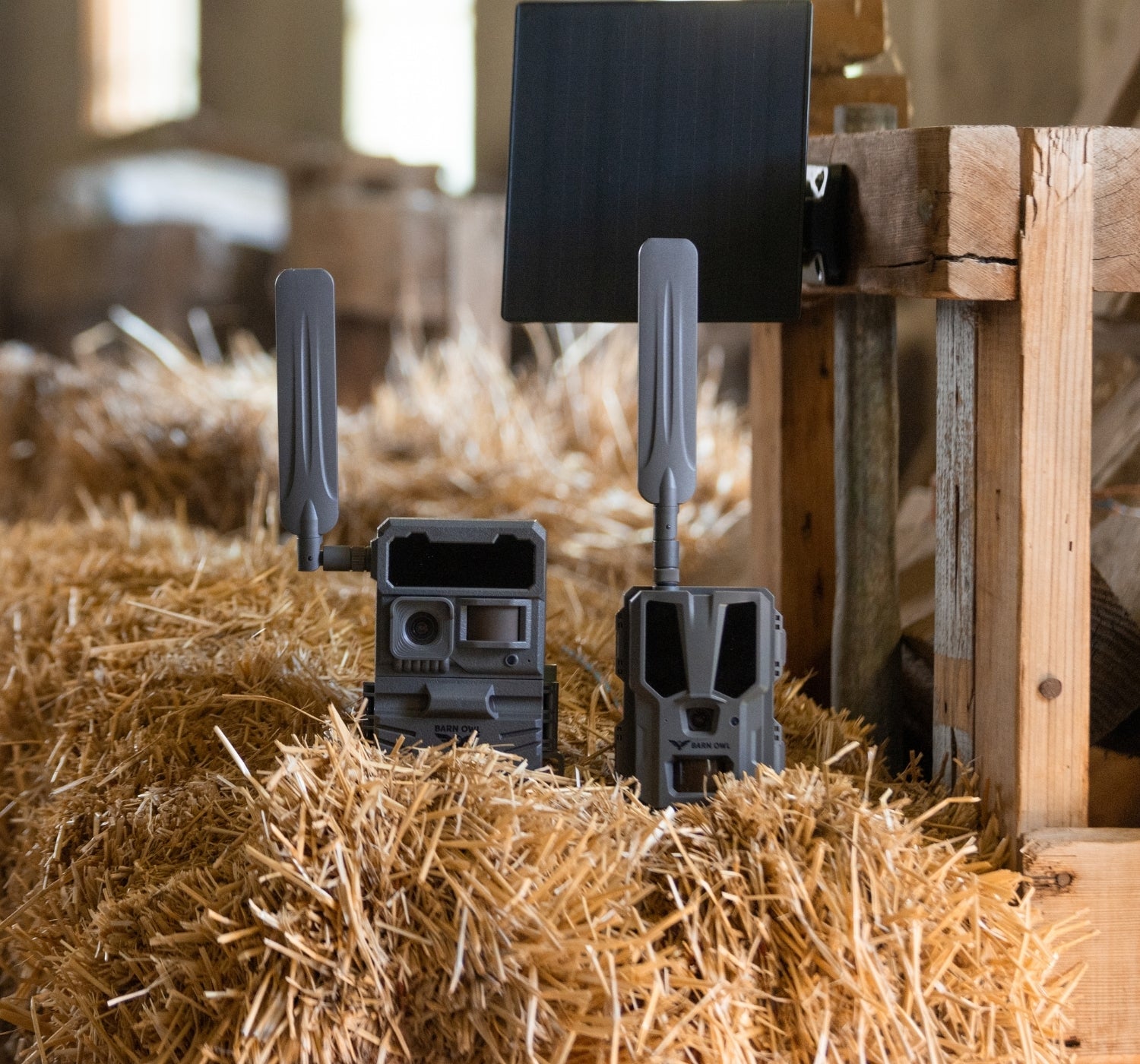
In the world of remote monitoring, solar trail cameras have become indispensable tools. These devices are particularly useful for agriculture business owners who need to keep a watchful eye on expansive rural properties, providing a crucial edge in managing vast tracts of land. By leveraging the power of the sun, these cameras offer an eco-friendly, cost-effective solution to capturing images and videos, which in turn helps in better decision-making and resource management. However, to ensure they perform at their best, regular maintenance is essential. In this guide, we'll delve into some practical maintenance tips for solar trail cameras, helping you maximize their lifespan and efficiency. Understanding Solar Trail Cameras Before we dive into maintenance tips, it's important to understand what solar trail cameras are and how they function. These devices are equipped with solar panels that convert sunlight into electrical energy, which powers the camera and charges the built-in batteries. This sustainable energy source makes them ideal for remote areas where traditional power sources are unavailable, thus reducing the dependency on manual battery changes and the associated labor costs. The Benefits of Solar Trail Cameras Solar trail cameras offer numerous advantages: Cost-Effective: Save on electricity costs and reduce the need for frequent battery replacements. This cost-saving extends beyond just the hardware; it also includes operational savings as the cameras require less human intervention. Remote Monitoring: Keep track of large areas without the need for constant physical presence. This feature is particularly beneficial for monitoring wildlife, crop growth, or potential security threats in areas that are otherwise difficult to access regularly. Versatility: Suitable for various applications, from wildlife monitoring to security surveillance. Their adaptability allows for use in diverse environments, offering flexibility for users with differing needs. Essential Maintenance Tips To keep your solar trail camera functioning optimally, follow these maintenance tips: Regularly Clean the Solar Panels Solar panels are the heart of your trail camera's power system. Dirt, dust, and debris can accumulate on the panels, reducing their efficiency. Regularly clean the solar panels with a soft cloth or sponge and a mild cleaning solution. Avoid using abrasive materials that could scratch the surface, as scratches can lead to further dirt accumulation and decreased performance over time. Keeping the panels clean ensures that they capture the maximum amount of sunlight, thus improving energy conversion rates. It is advisable to establish a cleaning schedule based on the environmental conditions of the camera's location. Areas with high pollen counts or dust may require more frequent cleaning. Additionally, during winter months, make sure to remove any snow or ice that might obstruct the panels. Check Battery Health Batteries are crucial for storing the energy generated by the solar panels. Regularly check the battery status and ensure they are holding a charge. If you notice a decline in performance, consider replacing the batteries with high-quality, rechargeable ones to ensure longevity and reliable power storage. Moreover, assess the battery connections for any signs of corrosion or loose contacts, which can impede the charging process. Keeping the battery compartment dry and free from dust will also help maintain optimum battery health. Ensure that the replacement batteries are compatible with your camera model to avoid any operational issues. Inspect Camera Housing The camera's housing protects it from harsh weather conditions. Regularly inspect the housing for any cracks or damage. Ensure that the seals and gaskets are intact to prevent water ingress, which could damage the camera's internal components. A compromised housing could lead to moisture or dust entering the device, potentially causing irreversible damage. Consider using protective covers or enclosures if your camera is stationed in an area prone to extreme weather. Such additional protection can prolong the camera's lifespan and reduce maintenance needs. Check the housing after severe weather events as well, to catch and repair any damage early. Keep the Lens Clean A clean lens is vital for capturing clear images and videos. Use a soft, lint-free cloth to gently wipe the lens. Avoid using harsh chemicals or rough materials that could scratch the lens, as scratches can lead to permanent image quality degradation. For optimal results, consider using lens cleaning solutions specifically designed for camera equipment. Regular lens maintenance will ensure that your camera delivers high-quality images, essential for accurate monitoring and analysis. In dusty or high-pollen environments, increase the frequency of lens cleaning to maintain clarity. Update Firmware Manufacturers often release firmware updates to enhance camera performance and fix bugs. Regularly check for updates and install them to keep your camera running smoothly. This ensures you have the latest features and improvements, which can include enhanced image processing capabilities and improved energy efficiency. Staying up-to-date with firmware not only improves functionality but can also extend the camera's operational life by optimizing its performance. Make it a habit to check for updates regularly, or subscribe to manufacturer notifications if available. Position the Camera Correctly Proper positioning of your solar trail camera is crucial for maximizing its solar energy capture and monitoring efficiency. Place the camera in a location where it receives ample sunlight throughout the day. Avoid areas with excessive shade or obstructions, as these can significantly reduce the solar panels' effectiveness. Additionally, consider the angle and height at which the camera is mounted to ensure comprehensive coverage of the area you wish to monitor. Proper positioning will also help prevent false triggers from moving shadows or other natural interferences. Secure Mounting Ensure that the camera is securely mounted to prevent accidental falls or theft. Use sturdy brackets and fasteners to keep the camera in place. This is especially important in areas prone to strong winds or wildlife interference, which could dislodge poorly secured equipment. Consider using anti-theft devices or surveillance signs to deter potential theft. Regular checks on the mounting integrity can prevent damage to the camera and ensure continuous operation. Final Thoughts Solar trail cameras are invaluable tools for agriculture business owners seeking efficient and eco-friendly remote monitoring solutions. By following these maintenance tips, you can ensure that your camera remains in peak condition, providing reliable surveillance and peace of mind. These cameras not only save time and resources but also contribute to sustainable agricultural practices. Regular maintenance not only extends the lifespan of your solar trail camera but also enhances its performance, ensuring you capture the critical footage you need for effective property management. Consistent upkeep is a proactive measure that protects your investment and optimizes its functionality. In conclusion, investing time in the upkeep of your solar trail camera is a small price to pay for the significant benefits it offers. For agriculture business owners seeking reliable and high-performance solar trail cameras designed with durability and efficiency in mind, consider exploring Barn Owl’s range of solutions. Our cameras are built to withstand harsh conditions and provide seamless remote monitoring for your peace of mind. Visit our website at www.barnowl.tech to learn more. Stay vigilant, and your camera will serve as a reliable guardian for your valuable assets. The peace of mind provided by a well-maintained camera is invaluable, allowing you to focus on other aspects of your business with confidence. Next up: Comparing Solar vs. Battery-Powered Trail Cameras
Capturing Nature with Mini Outdoor Cameras

Barn Owl Blog

Capturing Nature with Mini Outdoor Cameras

by on May 27 2025
In today's fast-paced world, security and surveillance have become more important than ever. Whether you're keeping an eye on your property or capturing the beauty of nature, mini outdoor cameras offer a discreet and efficient solution. These compact devices are designed to blend seamlessly into their surroundings, making them ideal for various applications. In this article, we'll explore the benefits of using mini outdoor cameras, their features, and how to choose the right one for your needs. With technological advancements, these small yet powerful devices are transforming the way we approach security and nature observation. Mini outdoor cameras are not just tools of surveillance; they are gateways to understanding and engaging with the world around us. From homeowners seeking peace of mind to nature enthusiasts documenting wildlife, the versatility of these cameras is unmatched. As technology continues to evolve, so does the capability of these devices, offering users even more ways to utilize them effectively. In this article, we delve deeper into why mini outdoor cameras are becoming indispensable, examining their unique features and offering guidance on selecting the perfect model tailored to your specific needs. Why Choose Mini Outdoor Cameras? Mini outdoor cameras are gaining popularity due to their size, versatility, and advanced features. Here's why you might consider investing in one: Compact and Discreet One of the main advantages of mini outdoor cameras is their compact size. These cameras can be easily installed in various locations without drawing attention. Their small footprint makes them perfect for discreet surveillance, allowing you to monitor your property without alerting intruders. Whether nestled amongst the branches of a tree or mounted subtly on a porch, their design ensures they remain unobtrusive. Beyond just security, their discreet nature allows for unobtrusive wildlife observation. Nature enthusiasts can capture candid moments of animals in their natural habitats without disturbing them. This stealthy approach not only aids in security but also enriches our appreciation of the natural world, providing insights into animal behavior and ecology that were previously difficult to obtain. Advanced Features Despite their size, mini outdoor cameras come packed with features typically found in larger security systems. Many models offer high-definition video, night vision, and motion detection. These features ensure that you can capture clear footage and communicate with anyone on your property, even in low-light conditions. The integration of such features in a compact device underscores the rapid advancements in camera technology. Additionally, these cameras often include intelligent analytics, enabling them to distinguish between different types of motion, such as differentiating between a passing car and a human intruder. Such advancements not only reduce false alarms but also enhance the overall efficiency of surveillance systems. As technology progresses, mini outdoor cameras are expected to incorporate even more sophisticated features, further expanding their utility. Easy Installation Mini outdoor cameras are designed for easy installation. Most models are wireless, meaning you won't have to worry about running cables through your property. Simply mount the camera in your desired location, connect it to a Wi-Fi or cellular network, and you're ready to go. This makes them an excellent choice for both homeowners and renters alike. Their plug-and-play nature is a significant advantage for those who may not be tech-savvy but still desire robust security solutions. Moreover, many mini outdoor cameras come with user-friendly apps. These apps often provide additional functionalities, such as setting up motion detection and customizing alert notifications. This ease of setup and operation ensures that even those with minimal technical expertise can effectively utilize the cameras, making security accessible to a broader audience. Types of Mini Outdoor Cameras There are several types of mini outdoor cameras available, each with its own set of features and benefits. Here are some of the most common options: Mini Wireless Cameras Mini wireless cameras are a popular choice due to their ease of installation and flexibility. These cameras connect to your Wi-Fi network, allowing you to access the footage remotely through your smartphone or computer. Many models also offer cloud storage options, ensuring that your recordings are safe and accessible at all times. This means you can keep an eye on your property from anywhere in the world, providing peace of mind for frequent travelers. Moreover, the lack of wires not only simplifies installation but also provides flexibility in camera placement. You can easily reposition the cameras as needed, adapting to changing security needs or environmental conditions. This adaptability makes wireless cameras an ideal choice for both temporary setups and long-term installations. Mini CCTV Cameras Mini CCTV cameras are ideal for those who prefer a more traditional approach to surveillance. These cameras are usually connected to a DVR or NVR system, allowing you to store footage locally. While they may require more setup than wireless models, they offer reliable performance and can be easily integrated into existing security systems. Their robust build often translates to greater durability, making them a lasting investment for property security. In addition, the local storage solutions provided by CCTV systems can be advantageous for those who prioritize data security and privacy. This can be particularly appealing for businesses or individuals with stringent privacy requirements. Key Features to Consider When choosing a mini outdoor camera, it's essential to consider the features that best suit your needs. Here are some key aspects to keep in mind: Video Quality High-definition video is crucial for capturing clear footage. Look for cameras that offer at least 1080p resolution, as this will ensure that you can easily identify people and objects in the recordings. Some models even offer 4K resolution for ultra-clear images. High-resolution cameras provide the detail necessary for effective surveillance and can be vital in identifying intruders or capturing intricate details in nature. It's also important to consider the camera's frame rate, as this affects the smoothness of the video. A higher frame rate can be particularly beneficial in fast-moving scenes, ensuring that you don't miss critical moments. As camera technology advances, we can expect even greater improvements in both resolution and frame rates, further enhancing the quality of surveillance footage. Night Vision Night vision is an essential feature for outdoor cameras, as it allows you to monitor your property even in complete darkness. Look for cameras with infrared LEDs, as these provide clear images without visible light. Some models also offer color night vision, which can be particularly useful for identifying specific details. The ability to capture clear images at night is crucial for 24/7 surveillance and can provide valuable evidence in the event of a security breach. Additionally, advances in sensor technology have led to improved low-light performance, enabling cameras to capture more detail even under challenging conditions. This ensures that you maintain a clear view of your property at all times, regardless of the lighting conditions. As night vision technology continues to evolve, we can anticipate even greater capabilities in future camera models. Motion Detection Motion detection is a valuable feature that can help conserve storage space and battery life. When motion is detected, the camera will begin recording, sending you an alert via your smartphone or email. This ensures that you're always aware of any activity on your property. Intelligent motion detection systems can differentiate between different types of movement, minimizing false alarms and ensuring that you only receive relevant notifications. With continuous advancements in artificial intelligence, motion detection technology is becoming more precise, further enhancing its effectiveness. Weather Resistance Since these cameras are designed for outdoor use, it's essential to choose a model that can withstand the elements. Look for cameras with an IP65 or higher rating, as this indicates that they are resistant to dust and water. This will ensure that your camera continues to function optimally in various weather conditions. A robust weather-resistant design is crucial for maintaining the longevity and reliability of your security system and provides added peace of mind, knowing that your camera will continue to operate effectively, regardless of environmental challenges. As climate patterns become increasingly unpredictable, the importance of weather-resistant technology cannot be overstated. Choosing the Best Mini Outdoor Camera for Your Needs With so many options available, it can be challenging to choose the right mini outdoor camera for your needs. Here are some tips to help you make an informed decision: Determine Your Budget: Mini outdoor cameras are available at various price points, so it's essential to establish a budget before you start shopping. Keep in mind that more expensive models often come with additional features and better performance. Balancing cost with the features you need ensures you get the best value for your investment. Assess Your Needs: Consider what features are most important to you, such as video quality, night vision, and motion detection. This will help you narrow down your options and find a camera that meets your specific requirements. Prioritizing these features ensures that you select a camera that aligns with your security goals and lifestyle. Read Reviews: Online reviews can provide valuable insight into the performance and reliability of different cameras. Look for reviews from other users who have similar needs to yours, as this can help you gauge how well a particular model will suit your requirements. User feedback often highlights real-world performance and potential issues, providing a comprehensive view of each product. Barn Owl RangeCam Mini The Barn Owl RangeCam 2 is a compact, durable, and feature-rich cellular trail camera designed for remote monitoring in a variety of environments, including agricultural fields, conservation areas, and wildlife habitats. Its small footprint and weather-resistant build make it an ideal choice for users who need reliable, discreet surveillance in the field. Equipped with 4G LTE connectivity, the RangeCam 2 can transmit high-resolution photos and videos directly to a cloud platform or mobile device, allowing for real-time monitoring and alerts. This is particularly useful for farmers, land managers, and researchers who need to keep an eye on remote locations without physically visiting the site. Key features include: Motion-activated photo and video capture with infrared night vision Cloud-based storage and mobile app integration for convenient access and management Flexible power options, including external solar panel compatibility User-friendly interface for easy setup and camera management Compact size for discreet deployment in the field With its blend of technology and practicality, the Barn Owl RangeCam Mini is an effective tool for monitoring wildlife activity, detecting trespassers, or tracking farm operations—making it a valuable addition to any land stewardship or conservation toolkit. Conclusion Mini outdoor cameras offer an excellent solution for discreet and effective security and surveillance. With their compact size, advanced features, and easy installation, these cameras are perfect for capturing nature and monitoring your property. By considering the factors discussed in this article, you can confidently choose the best mini outdoor camera for your needs and enjoy peace of mind knowing that your property is secure. As technology continues to evolve, these versatile devices will undoubtedly become even more integral to our security and observation needs. The growing popularity of mini outdoor cameras highlights a broader trend towards smarter, more efficient security solutions. As these devices become more sophisticated, they open up new possibilities for both personal and professional use. From enhancing home security to facilitating wildlife research, the potential applications are vast and varied. Investing in a mini outdoor camera not only enhances your property's security but also connects you to the world in innovative ways, ultimately enriching your experience and understanding of your surroundings. Up next: Best Uses for Wireless Mini Spy Cameras
Showing 180/306