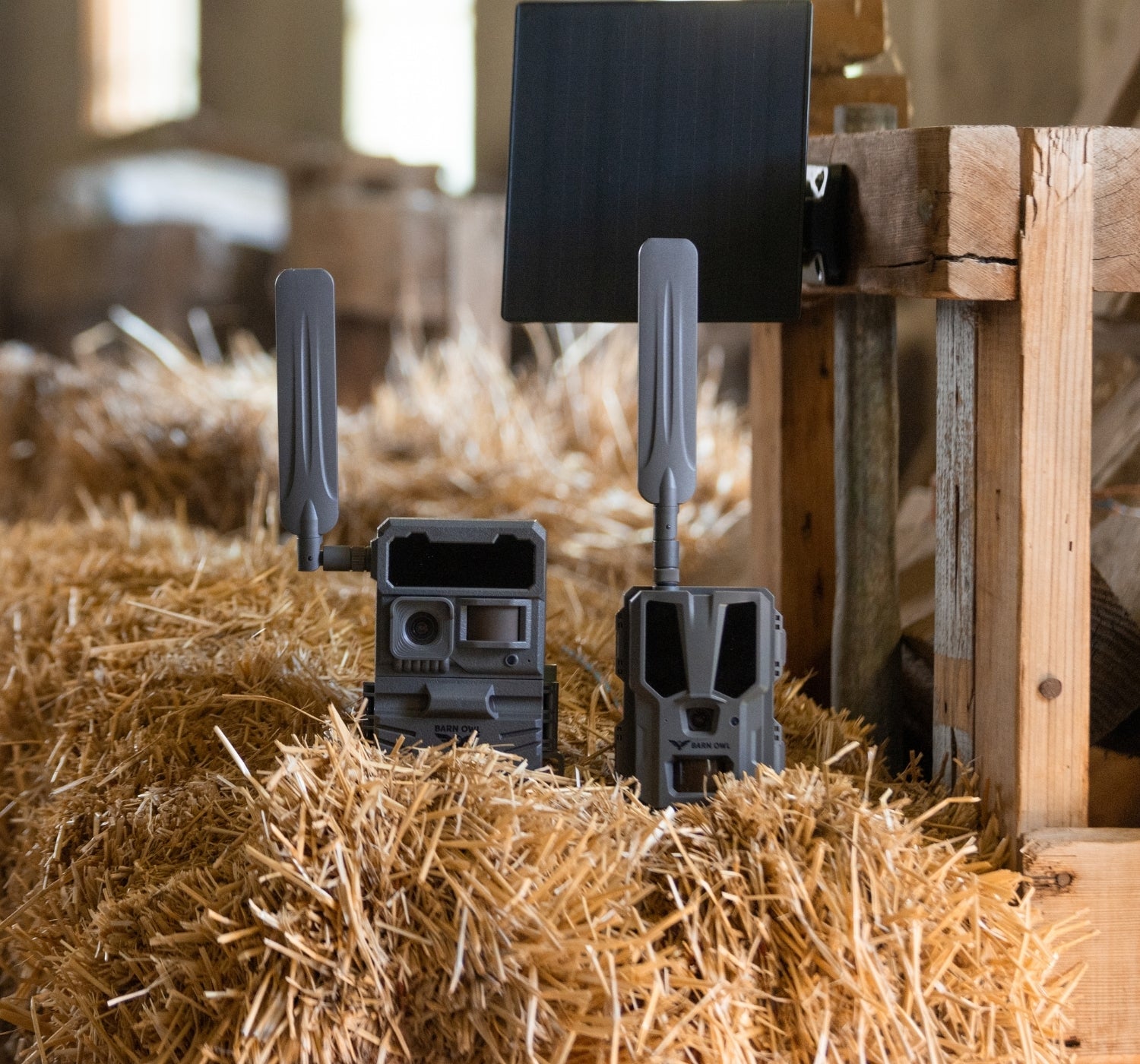
Welcome to the Barn Owl Learning Center

Since our founding in 2017, Barn Owl has become a leader in providing security, real-time insight, operational efficiency and peace of mind across rural America. Our team of experts has build an in-depth knowledge base designed to answer your questions across industries and challenges. Browse our content below by key topic or by blog post date.

Key Topics Users Find Most Helpful

Barn Owl Blog

Barn Owl's team of experts have amassed decades of insights and knowledge into a series of helpful articles. Browse the latest news and posts below, including by topic tag.

The Science Behind Infrared Camera Sensors

Barn Owl Blog

The Science Behind Infrared Camera Sensors

by on Jun 30 2025
The use of infrared in cameras is transforming security and monitoring systems. It offers a unique way to see the unseen. Cameras detect infrared radiation, which is invisible to the human eye. This radiation is emitted as heat by all objects. Cameras pick up the change in heat and know to trigger a picture or video to alert property owners of changes to the scene in which they are watching. In agriculture, this technology is invaluable. It helps monitor livestock and detect potential equipment theft. For commercial properties, infrared cameras enhance security. They provide visibility in complete darkness without additional lighting. Understanding how infrared sensor for remote cameras work can be complex. However, their benefits are clear and impactful. This article will explore the science behind infrared camera sensors. We'll explain their functionality and applications. By the end, you'll see how infrared cameras can boost safety and productivity. Understanding Infrared: What Is It and Why Does It Matter? Infrared light is part of the electromagnetic spectrum. It exists just beyond visible red light. This type of radiation is crucial because it represents heat. Every object above absolute zero emits infrared radiation. Infrared technology captures these emissions to provide valuable insights. Here's why it matters: Thermal Imaging: Identifies heat patterns invisible to the naked eye. Night Vision: Enhances visibility in low-light environments. Non-Contact Temperature Measurement: Measures heat without touching objects. Commercial and personal property owners leverage infrared for security. It ensures efficient surveillance during nighttime or in unlit areas. Understanding the significance of infrared is essential. It aids in making informed decisions about implementing technology in varied environments. IR Camera Sensor Meaning and Definition: Breaking Down the Basics Cameras that utilize infrared technology capture images using infrared radiation rather than visible light. This capability is crucial for various applications in both everyday and specialized settings. These cameras are indispensable in environments where heat visibility is more informative than visible light. By understanding these basic definitions, users can effectively navigate the diverse applications of infrared technology. This knowledge empowers agricultural business owners and property managers to adopt advanced surveillance systems confidently. How Does IR Work? The Science Explained Infrared functions based on detecting thermal radiation. All objects emit some level of infrared energy. The amount of this energy is often proportional to their temperature. IR sensors capture infrared radiation emitted by objects in its field of view. It then converts this radiation into an electronic signal. The IR camera then processes the signal.  IR sensors are effective in low-light conditions. They do not require additional lighting to function. This characteristic makes them ideal for nighttime monitoring. Understanding how an IR sensor works helps with its application. This knowledge is particularly useful when selecting a system for specific needs. Whether for agricultural or security purposes, the infrared technology advances surveillance effectiveness by converting heat energy into useful visual data. Infrared in Camera: Key Features and Technical Specifications Infrared-utilizing cameras boast several crucial features that make them indispensable for monitoring. They capture heat variations invisible to the naked eye. This ability is vital for detecting temperature anomalies over vast areas. A primary feature is the sensitivity to infrared wavelengths, typically between 8 and 14 micrometers. This range allows them to sense subtle heat differences. Infrared-utilizing cameras also come equipped with field of view (FOV) specifications. A broader FOV covers larger areas, ideal for expansive property surveillance. Many cameras offer real-time imaging. This feature enables immediate analysis, which is essential for swift responses to potential security breaches. Infrared Applications in Agriculture and Commercial Security Cameras that utilize infrared are revolutionizing agriculture and commercial security. They provide a technological edge by enhancing visibility where traditional cameras fall short. In agriculture, these cameras serve numerous purposes. They provide motion detection capability to watch changes in an environment without having a constant stream of data use. In commercial security, these cameras are indispensable. They allow for around-the-clock surveillance, even in complete darkness. This feature is vital for securing large commercial properties, reducing the risk of theft and unauthorized access. A primary advantage of infrared technology is enhanced security. Infrared cameras can detect and record intruders regardless of lighting conditions. This is crucial in rural settings, where lighting can be limited or nonexistent. Additionally, they offer cost savings. By reducing the need for constant lighting and physical patrols, businesses can lower energy and personnel costs. This makes them an economical choice for large properties. By integrating cameras that utilize infrared into agricultural and commercial settings, business owners can improve productivity and safety. This technology not only supports everyday operations but also provides peace of mind through enhanced security measures. Integrating Infrared-Utilizing Cameras with Smart Security Systems Integrating infrared-utilizing cameras into smart security systems is transformative. These cameras enhance traditional systems by adding layers of detection and analysis. Imagine a setup where infrared technology and artificial intelligence work in tandem, identifying potential threats with precision. Smart systems benefit significantly from infrared due to their exceptional night vision capabilities. They deliver real-time alerts, offering business owners prompt responses to security breaches. The integration process might seem complex, but many solutions are designed for seamless connection with existing infrastructures. This minimizes disruption while maximizing surveillance effectiveness. Key integration benefits include: Enhanced detection capabilities: Infrared cameras identify heat signatures invisible to the naked eye. Real-time monitoring and alerts: Immediate notifications improve response times. Seamless compatibility with existing systems: Many models are designed for easy integration. Utilizing infrared in smart setups offers robust security solutions, ensuring properties remain protected around the clock. Choosing the Right Camera: What to Look For Selecting the best camera involves careful consideration of several factors. The right choice hinges on specific needs and operational environments. Understanding these elements can significantly enhance the security and efficiency of your property. Firstly, assess the area that needs monitoring. Larger spaces may benefit from cameras with a longer range. This ensures comprehensive coverage and reduces blind spots. It's also crucial to examine the camera's resolution and sensitivity. Higher resolution cameras provide clearer images. Additionally, sensitivity to heat variations improves the detection of subtle temperature changes. Some key features to look for include: Range and coverage: Appropriate for the size of the monitored area. Resolution and sensitivity: Determines image clarity and detection ability. Compatibility: Ease of integration with existing systems through tools such as API or application programming interface. Ultimately, choosing the correct camera supports effective monitoring, enhancing both security and operational efficiency. This foresight protects your investments and empowers your business operations. The Future of Infrared Technology in Remote Cameras Infrared camera technology continues to evolve rapidly. Advancements are making devices more powerful and versatile. Future developments promise even greater improvements in functionality and application. Upcoming trends point toward enhanced resolution and image processing. These advancements will allow for more precise and detailed thermal imaging. As resolution improves, so too will the capacity to detect minor anomalies swiftly. Another exciting trend is the integration of artificial intelligence. AI will enable cameras to learn and recognize patterns, providing automated alerts and responses. This evolution fosters real-time decision-making and proactive security measures. Key trends to anticipate: Higher resolutions for detailed imaging. AI integration for intelligent monitoring. Compact and portable designs for diverse applications. These innovations will redefine security standards, offering robust solutions for evolving needs and challenges. Barn Owl Cameras  harness the power of advanced infrared sensors to deliver exceptional night vision and motion detection, making them a trusted choice for rural and commercial security. Designed specifically for remote environments, Barn Owl cameras detect heat signatures and utilize high resolution photos to provide clear pictures, even in total darkness and without external lighting. Whether you're monitoring livestock, equipment, or perimeters, our cameras offer real-time alerts, solar-powered options, and cellular connectivity, so you stay informed and in control no matter where you are. With Barn Owl, you get dependable infrared technology tailored to the real-world demands of landowners and agricultural operations. Conclusion: Empowering Your Business with Infrared Camera Solutions Infrared camera solutions hold transformative potential for businesses, particularly in agriculture and security. By adopting these technologies, you can achieve enhanced safety and efficiency. Investing in cameras that utilize infrared enables proactive management of risks and resources. With improved monitoring, you safeguard your assets and optimize operations. Infrared technology offers a strategic advantage, ensuring that your business remains at the forefront of innovation and security. Up next: Exploring Infrared Technology in Modern Cameras
Exploring Infrared Technology in Modern Cameras

Barn Owl Blog

Exploring Infrared Technology in Modern Cameras

by on Jun 30 2025
Infrared technology is transforming the way we see the world. It allows cameras to capture images in the dark. This capability is crucial for security and monitoring. Infrared cameras, or IR cameras, detect heat signatures. They provide visibility where traditional cameras fail. This makes them invaluable for rural and commercial security. Understanding infrared in cameras can be complex. However, it is essential for business owners. It helps them make informed decisions about security investments. Infrared cameras are not just for security. They have applications in agriculture, wildlife monitoring, and industrial inspections. Their versatility is unmatched. The technology works by capturing infrared radiation. This radiation is emitted by objects and converted into images. It allows cameras to differentiate between living beings and inanimate objects. Infrared cameras enhance security without additional lighting. They are cost-effective and reliable. This makes them ideal for large properties. Modern IR cameras offer advanced features. These include motion detection and real-time alerts. They are integral to smart security systems. Infrared technology is evolving. It offers more sophisticated and user-friendly options. This evolution continues to enhance security and productivity. Understanding Infrared: What Does "IR Camera" Mean? Infrared cameras, commonly known as IR cameras, have distinct features that set them apart from conventional ones. They are specially designed to capture images based on heat. An IR camera detects infrared radiation, invisible to human eyes. It converts this radiation into visible images, allowing us to see thermal differences. This capability is crucial in low-light or no-light environments. The term "IR camera" encompasses various types of devices. These range from security systems to wildlife monitors. Each type serves different purposes but shares core infrared technology principles. Here are some key aspects that define an IR camera: Heat Detection: Identifies heat signatures from objects. Night Vision: Provides visibility in complete darkness. Versatility: Applicable across multiple industries. Infrared cameras are not limited to night use. They are also beneficial in detecting hidden heat emissions during the day. This functionality is particularly useful for security and monitoring large areas. Understanding the IR camera meaning helps business owners realize their potential. It informs better investment in security solutions tailored to specific needs. Familiarizing yourself with this technology is an empowering step toward enhancing property safety and efficiency. The Science Behind Infrared in Cameras: How Does an IR Camera Work? Infrared cameras operate by leveraging the unique properties of infrared radiation. This radiation is emitted by all objects, especially those that produce heat. An IR camera comprises sensitive infrared sensors. These sensors detect radiation patterns and convert them into electronic signals. This conversion is essential for visual representation. Once the radiation is captured, the camera processes the data. It translates the signals into a color or grayscale image. This image depicts temperature variations across the scene. Here's how an IR camera works, step by step: Detection: Captures infrared radiation emitted by objects. Conversion: Translates radiation into electronic signals. Processing: Converts signals into visual images. Display: Presents images on a screen, showing heat differences. This process allows IR cameras to function in complete darkness. They don't rely on visible light to form clear images. Instead, they use heat, making them invaluable for night-time monitoring. Moreover, IR cameras can differentiate between living beings and inanimate objects. This ability enhances security by detecting unauthorized activities. Their precision ensures only relevant data is captured and analyzed. Understanding how an IR camera works reveals its powerful applications. This knowledge empowers users to maximize the camera's potential in their security setups. By grasping these fundamentals, business owners can tailor infrared solutions to their unique requirements. Infrared Camera Definition and Key Features Infrared cameras, commonly referred to as IR cameras, are devices equipped with sensors that detect infrared radiation. This capability allows them to visualize and represent heat emitted from objects. The essential features of an infrared camera revolve around its ability to work in darkness. Unlike regular cameras, IR cameras do not require visible light. This makes them indispensable in security scenarios. Several key features characterize modern infrared cameras. These features enhance their effectiveness in monitoring and security applications: High Resolution: Provides clear, detailed thermal images. Motion Detection: Alerts users to unexpected movement. Real-Time Alerts: Sends notifications about unusual activity. Weather Resistance: Functions in various weather conditions. Easy Integration: Compatible with existing security systems. Due to these features, infrared cameras are pivotal in enhancing security systems. They ensure comprehensive monitoring without needing additional lighting. Furthermore, these cameras are designed for user-friendliness. Intuitive interfaces and simple installations are standard. This makes adopting IR camera technology accessible for many. In understanding the infrared camera definition, it's clear they offer unparalleled night-time visibility. They merge technology and practicality, providing valuable insight for property safety. Owners can rely on these cameras for consistent, reliable security coverage. Types of Infrared Cameras: From Security to Agriculture Infrared cameras come in various types, each tailored to specific applications. These types are designed to address diverse needs in fields such as security and agriculture. In security, fixed infrared cameras are prevalent. These cameras are ideal for monitoring specific areas like entrances or critical zones. They provide continuous surveillance and can be integrated with broader security systems. For more dynamic monitoring, pan-tilt-zoom (PTZ) infrared cameras are utilized. They allow operators to change the camera’s view remotely. This feature is useful for tracking moving subjects or covering large areas. Agriculture benefits from portable and drone-mounted infrared cameras. These cameras assist in crop assessment and livestock monitoring. They help detect issues like water stress or pests by visualizing temperature differences. Some common types of infrared cameras include: Fixed Infrared Cameras: For constant, focused monitoring. PTZ Infrared Cameras: For flexible, wide-area coverage. Portable Infrared Cameras: For versatile, handheld use. Drone-Mounted Infrared Cameras: For aerial assessments. Each type of infrared camera serves specific roles, enhancing efficiency in its intended use. Choosing the right type depends on the intended application and specific needs. Whether securing facilities or optimizing agriculture yields, there's an infrared camera suited for the task. Benefits of Infrared Cameras for Rural and Commercial Security Infrared cameras significantly bolster security in rural and commercial settings. They enable clear visibility in low-light conditions, providing 24/7 monitoring capabilities. This technology captures heat signatures, distinguishing between living entities and inanimate objects. As a result, it deters intruders by ensuring they can't hide under the cover of darkness. Another benefit is their ability to cover vast areas without additional lighting. This reduces energy costs and ensures reliable performance even in remote locations where lighting might be scarce. Moreover, infrared cameras integrate seamlessly with smart security systems. They offer advanced features such as motion detection and real-time alerts, enhancing overall security strategies. Infrared technology is invaluable for: Deterring Intruders: By spotting movements in the dark. Reducing Costs: Eliminating the need for constant lighting. Comprehensive Coverage: Capable of monitoring large regions. Real-Time Alerts: Keeping property managers informed instantly. In agricultural settings, these cameras are vital for safeguarding livestock and crops against theft or damage. They provide peace of mind, allowing business owners to focus on productivity rather than security concerns. With infrared cameras, rural and commercial properties maintain a strong, visible line of defense, enhancing both safety and operational efficiency. Barn Owl Cameras  use powerful fixed infrared technology to deliver clear, dependable night vision—so you can see what’s happening on your property, even in total darkness. Designed for remote and rural settings, our cameras provide sharp images without the need for external lighting. Whether you're keeping an eye on livestock, equipment, or entry points, Barn Owl’s infrared night vision helps you stay aware and in control, day or night. Real-World Applications: Infrared Cameras in Agriculture and Business Agriculture and businesses use infrared cameras for safeguarding assets, preventing theft, and ensuring safety. They offer unparalleled security, especially in low-light environments prone to unauthorized access or theft. The unique applications of infrared cameras include: Wildlife Monitoring: Observing nocturnal animal behavior without disturbance. Industrial Inspections: Detecting equipment malfunctions through heat anomalies. Environmental Monitoring: Tracking changes and trends in remote areas. In commercial warehousing, infrared technology enhances inventory management by monitoring temperature-sensitive goods. This ensures products remain within required conditions. Overall, infrared cameras provide data-driven insights, improve operational efficiency, and reduce risks. Their diverse applications across agriculture and business illustrate their versatility and effectiveness. By adopting this technology, sectors can achieve smarter operations and enhanced security protocols, staying ahead in evolving market environments. Comparing Infrared and Thermal Cameras: What’s the Difference? Infrared and thermal cameras are often thought to be the same but they have unique roles. Both detect heat, yet their applications differ. Infrared cameras, or IR cameras, sense infrared light to form images. They're beneficial in security, capturing images in low-light conditions without additional lighting. Thermal cameras specifically detect heat emitted by objects. They create a visual map of temperature variations, invaluable for identifying anomalies in industrial settings. Key differences include: Image Output: Infrared offers visible images; thermal shows heat maps. Functionality: Infrared is for visibility; thermal emphasizes temperature. Use Cases: Infrared suits surveillance; thermal aids inspections and diagnostics. Choosing between them depends on your needs. For general security in dark areas, infrared is ideal. If you require detailed temperature data, thermal cameras are preferable. Understanding these distinctions ensures you select the right tool for enhancing safety and efficiency. Choosing the Right Infrared Camera for Your Property Selecting the right infrared camera for your property involves understanding your specific security needs. Consider the size of your area and the typical lighting conditions. First, assess the resolution you require. A higher resolution offers clearer images, crucial for detailed surveillance. If your property covers large spaces, prioritize range capabilities. Identify the camera’s intended location. Indoor placements may not need weather resistance, unlike outdoor cameras. Durability against environmental factors is essential for external installations. Your camera should integrate with existing systems. Compatibility with mobile apps for remote access ensures you can monitor your property anytime, anywhere. Key considerations include: Resolution: High resolution for detailed images. Range: Extensive coverage for larger properties. Durability: Weatherproof features for outdoor use. Integration: Seamless connection with other systems. Weighing these factors helps you invest in a camera that bolsters your property's security while maximizing your monitoring capabilities. With the right infrared camera, you enhance protection and peace of mind. Installation and Integration: Making the Most of Infrared Technology Integrating infrared cameras into your security system requires careful planning and execution. Proper installation ensures maximum efficiency and performance. Positioning is key for optimal coverage. Choose strategic locations that allow the cameras to cover key areas without obstruction. Ensure their field of view encompasses entry points and vulnerable spots. Consider the following for effective integration: Positioning: Strategic placement for comprehensive coverage. Ease of Use: User-friendly interfaces for uncomplicated operation. By focusing on these aspects, you can leverage infrared technology effectively, boosting security and productivity on your property. Proper installation maximizes the advantages of infrared cameras, creating a robust surveillance environment. Overcoming Common Concerns and Misconceptions Infrared cameras often bring up questions about complexity and cost. Many believe they are difficult to understand. However, modern designs focus on user-friendliness, simplifying usage for all. Cost is another common concern. High initial expenses worry some buyers, but infrared cameras prove cost-effective over time. Their ability to prevent theft and vandalism offsets initial investment. Here are a few misunderstandings demystified: Ease of Use: Modern infrared cameras are simple to operate. Affordability: Long-term savings justify the initial cost. Visibility: Infrared cameras work effectively in complete darkness. By dispelling these misconceptions, business owners can confidently invest in infrared technology, improving their security frameworks significantly. Future Trends: The Evolution of Infrared in Camera Technology The future of infrared technology in cameras is bright. Advancements continue to enhance capabilities. Emerging trends focus on enhanced resolution and artificial intelligence integration. AI is particularly transformative. It allows for smarter detection and analytics. This can improve response time in security situations. Here are key future trends in infrared camera technology: Higher Resolution: Sharper images in all lighting conditions. AI Integration: Smarter, automated threat detection and alerting. Portable Designs: Increased flexibility in camera deployment. These trends promise to revolutionize security, offering more precise and intelligent monitoring solutions. As technology evolves, so do its potential applications in security and beyond. Conclusion: Enhancing Security and Productivity with Infrared Cameras Infrared cameras revolutionize security and productivity. They provide essential visibility when traditional options fall short. Their ability to detect heat in darkness makes them indispensable. For agriculture and commercial sectors, these cameras are critical. They offer peace of mind by ensuring property safety. As technology advances, infrared cameras will continue playing a pivotal role in safeguarding operations and assets. Embracing this technology now can yield long-term security benefits. As mentioned earlier, Barn Owl cameras are a prime example of how infrared technology is transforming remote monitoring. Designed for tough agricultural and commercial environments, they deliver reliable visibility and real-time alerts—ensuring that even in total darkness, your property and operations remain secure. Up next: Enhancing Security with Motion Detector Cameras
Understanding Crop Insurance Disaster Coverage: A Vital Safety Net for Farmers

Barn Owl Blog

Understanding Crop Insurance Disaster Coverage: A Vital Safety Net for Farmers

by on Jun 11 2025
Crop insurance disaster coverage is a federally supported safety net that protects farmers from significant financial losses due to natural disasters like drought, flooding, hail, hurricanes, frost, and other weather-related events. Managed by the USDA’s Risk Management Agency (RMA), crop insurance allows producers to manage risk by providing compensation when disasters reduce yields, damage crops, or make planting impossible. Unlike emergency relief programs activated after a disaster, crop insurance must be purchased in advance. It offers predictable protection that helps producers plan for the future, maintain cash flow, and recover from losses quickly. How It Works Farmers choose from various crop insurance policies tailored to their operation. These policies include coverage for yield loss, revenue shortfalls, prevented planting, and replanting costs. Coverage levels and premiums vary by crop and location, with the government subsidizing a portion of the premiums to make insurance affordable. When a disaster occurs, insured producers report the damage to their approved insurance provider. Adjusters then assess the extent of loss and calculate the indemnity payment. This payout helps offset the financial loss and can be used to cover operating costs, pay debts, or prepare for the next season. Types of Crop Insurance with Disaster Protection Several types of crop insurance provide disaster coverage, including: Yield Protection (YP): Covers production losses due to natural disasters. Revenue Protection (RP): Protects against both low yields and price declines. Whole-Farm Revenue Protection (WFRP): Covers revenue for the entire farm rather than a single crop. Area Risk Protection Insurance (ARPI): Pays based on average losses in a defined area. Catastrophic Coverage (CAT): A low-cost option providing minimal protection for extreme losses. Real-World Example: Corn Grower in Iowa During a Derecho In August 2020, a devastating derecho storm swept through Iowa, flattening hundreds of thousands of acres of corn. One farmer in central Iowa had purchased Revenue Protection (RP) coverage at the 75% level for his corn crop. After the storm, he immediately notified his insurance provider. An adjuster inspected the damage and determined that more than 60% of the field was a total loss. Because the farmer had RP, his insurance payout reflected not only the lost yield but also a drop in market price that occurred later in the season. The indemnity payment helped cover input costs, equipment repairs, and provided working capital to stay on track for the next planting year. Key Benefits of Crop Insurance Disaster Coverage Provides financial stability after a disaster Supports recovery by covering lost income or crop inputs Offers flexible protection tailored to individual operations Encourages long-term planning and resilience Reduces reliance on ad-hoc disaster relief payments How to Enroll and Use Crop Insurance Farmers must apply for crop insurance through a licensed private insurance agent. The application must be submitted before planting season begins, with specific deadlines set by crop and region. Producers choose the type and level of coverage that fits their risk tolerance and operation size. Once enrolled, producers must follow good farming practices, keep accurate records, and report any potential losses in a timely manner. After a loss is verified, payments are processed based on the policy terms. Conclusion Crop insurance disaster coverage is a powerful tool for protecting agricultural operations from the unpredictable effects of natural disasters. As seen in the Iowa derecho example, it provides timely financial support that allows producers to bounce back quickly and continue feeding their communities. For any grower looking to manage risk and maintain stability in the face of climate uncertainty, crop insurance remains an essential part of the farm management strategy.
Understanding the Emergency Conservation Program (ECP): Restoring Farmland After Disaster

Barn Owl Blog

Understanding the Emergency Conservation Program (ECP): Restoring Farmland After Disaster

by on Jun 11 2025
The Emergency Conservation Program (ECP) is a federal initiative managed by the USDA’s Farm Service Agency (FSA) that helps farmers and ranchers repair and restore farmland damaged by natural disasters. ECP provides cost-share assistance to address conservation issues that threaten the productive capacity of the land or endanger the environment. Disasters such as floods, hurricanes, wildfires, droughts, or tornadoes can severely damage fences, water systems, fields, and soil structures. ECP is designed to help producers recover by sharing the cost of emergency repairs and conservation work. How ECP Works ECP provides financial assistance to cover a portion of the cost of rehabilitation efforts. Eligible practices include removing debris, restoring fences, grading and shaping land, and installing water conservation measures during drought. The program typically covers up to 75% of the cost of approved restoration activities. In some limited-resource or socially disadvantaged cases, the program may cover up to 90%. The goal is not only to help producers get back to normal operations but also to prevent further degradation of farmland or environmental harm. Eligibility and Covered Practices Eligible applicants must own or lease farmland that has been damaged by a natural disaster. The land must be physically located in a county that has received a disaster designation, or the damage must meet FSA's threshold for natural disaster impact. Common eligible ECP activities include: Removing flood debris from fields Restoring conservation structures like terraces or waterways Repairing or replacing damaged fencing Installing emergency water sources or systems for livestock during drought Reseeding pastureland destroyed by fire or erosion Real-World Example: Ranch in Oklahoma After Wildfire Damage In 2022, a large wildfire swept through parts of Oklahoma, destroying hundreds of acres of grazing land and miles of fencing on a family-owned cattle ranch. Without fencing or available forage, the ranchers faced immediate operational and safety concerns. They applied for ECP through their local FSA office. After assessing the damage, the FSA approved cost-share assistance to replace perimeter fencing and reseed the burned pasture. The funding covered 75% of the cost, allowing the ranchers to quickly restore grazing access and protect their remaining herd without exhausting their financial reserves. Key Benefits of ECP Provides cost-effective relief to repair disaster-damaged farmland Restores the productivity and conservation value of agricultural land Encourages rapid recovery and prevents long-term soil or infrastructure damage Supports both crop and livestock operations affected by disaster events How to Apply for ECP Farmers and ranchers should contact their local USDA FSA office as soon as possible after discovering disaster-related damage. An FSA representative will assess the damage and help producers complete an application. It's important not to begin repair work until the land is inspected and eligibility is confirmed, unless emergency repairs are necessary to prevent further loss. Applicants must provide cost estimates, maps, and documentation of the damage. If approved, work must be completed within program guidelines, and payments are issued once the work is verified. Conclusion The Emergency Conservation Program is a valuable recovery tool for agricultural producers dealing with the aftermath of natural disasters. The Oklahoma wildfire example illustrates how ECP can help cover substantial restoration costs, allowing producers to recover quickly and sustainably. For those managing farmland vulnerable to weather and environmental risks, ECP offers critical support in protecting long-term land productivity and viability. Up next: Understanding Crop Insurance Disaster Coverage: A Vital Safety Net for Farmers
Understanding the Tree Assistance Program (TAP): Helping Producers Recover from Orchard and Nursery Losses

Barn Owl Blog

Understanding the Tree Assistance Program (TAP): Helping Producers Recover from Orchard and Nursery Losses

by on Jun 11 2025
The Tree Assistance Program (TAP) is a federal disaster recovery program administered by the USDA’s Farm Service Agency (FSA). It provides financial support to orchardists and nursery growers who suffer the death or damage of trees, bushes, or vines used to produce commercially grown crops due to natural disasters. Unlike general crop insurance, TAP focuses specifically on the replacement and rehabilitation of the actual perennial plants, not just the fruit or nuts they produce. How TAP Works TAP provides cost-share payments to cover the cost of replanting or rehabilitating eligible trees, bushes, and vines. It is intended for permanent crops that will take years to return to full productivity after a disaster. To qualify for assistance, the loss must be due to an eligible natural disaster event such as a drought, flood, hurricane, wildfire, or extreme freeze. The program typically covers up to 65% of the cost of replanting and 50% of the cost of pruning, removing, or rehabilitating affected trees or vines. If the loss exceeds 15% of the total eligible plants (after normal mortality), the producer may be eligible for TAP assistance. Eligibility and Covered Plants Eligible producers must own the affected trees, bushes, or vines and use them to produce commercially marketed crops. The land where the loss occurred must be located in a county where a natural disaster has been declared or otherwise qualify based on weather data. Covered plants include those used to produce fruits, nuts, berries, olives, and other perennial crops. Ornamental trees and bushes not used for commercial fruit or nut production are not eligible. Real-World Example: Apple Orchard in Michigan After a Hard Freeze In spring 2023, a late-season hard freeze in northern Michigan severely damaged a large apple orchard, killing hundreds of young trees that had just been planted the previous year. The freeze event was unexpected and occurred after the trees had begun budding, making them especially vulnerable. The orchard owner contacted the local USDA FSA office to report the loss and applied for TAP. After verifying the extent of the damage and confirming that the freeze met eligibility criteria, the program approved assistance. The orchard received cost-share funding to replant the dead trees, helping the producer recover sooner without bearing the full financial burden. Key Benefits of TAP Helps orchardists and vineyard operators recover from long-term plant losses Offers financial relief for replanting and rehabilitation Encourages continued production of perennial crops after disasters Complements crop insurance by covering the permanent plants themselves How to Apply for TAP Producers must report tree, bush, or vine losses within 90 days of the disaster event or when the damage becomes apparent. Applications are submitted through the local USDA FSA office and require documentation such as planting records, cost estimates, and evidence of the disaster-related damage. It’s important to act promptly and maintain detailed records of all affected plants and costs incurred. Conclusion The Tree Assistance Program plays a vital role in helping producers recover from the loss of perennial crops after natural disasters. As the Michigan apple orchard example shows, TAP provides much-needed financial assistance for replanting and restoring orchards and vineyards, helping producers protect long-term investments and maintain future production. For anyone growing fruit, nuts, or other commercial crops on permanent plants, TAP is an essential disaster recovery tool worth understanding and utilizing. Up next: Understanding the Emergency Conservation Program (ECP): Restoring Farmland After Disaster
Understanding the Livestock Indemnity Program (LIP): Financial Relief for Livestock Losses

Barn Owl Blog

Understanding the Livestock Indemnity Program (LIP): Financial Relief for Livestock Losses

by on Jun 11 2025
The Livestock Indemnity Program (LIP) is a federal disaster assistance program administered by the USDA that provides financial compensation to livestock producers who suffer death losses due to eligible natural disasters. LIP helps ranchers and farmers recover some of the financial loss when their animals perish from events such as severe weather, disease outbreaks, or other qualifying disasters. How LIP Works LIP offers payments based on the fair market value of the livestock that died as a direct result of a natural disaster. Eligible producers submit claims documenting the number and type of livestock lost, along with evidence linking those losses to a qualifying disaster event. The program covers various types of livestock including cattle, sheep, goats, horses, poultry, and other farm-raised animals. Payments help producers offset the financial impact of losing valuable animals essential to their operations. Eligibility and Covered Livestock Producers are eligible for LIP if they own or lease livestock that die during a federally declared disaster period caused by eligible natural disasters such as hurricanes, floods, wildfires, tornadoes, extreme weather, or disease outbreaks recognized by the USDA. Eligible livestock include beef and dairy cattle, sheep, goats, swine, poultry, horses, and farm-raised fish. Producers must provide documentation such as veterinary records, mortality records, or other proof that the losses occurred during the disaster and were caused by it. Real-World Example: Rancher in Colorado After Wildfire Losses In 2021, a wildfire in Colorado caused significant losses to a cattle rancher’s herd. Several animals died due to smoke inhalation, burns, and related complications. After the wildfire was federally declared a disaster, the rancher applied for LIP assistance. The rancher documented the losses with photos, veterinary reports, and inventory records, and submitted a claim through the local USDA Farm Service Agency office. Upon approval, the rancher received payments based on the fair market value of the cattle lost, helping to offset the financial blow and support herd recovery efforts. Key Benefits of LIP Provides direct financial compensation for livestock deaths caused by natural disasters Covers a broad range of livestock species Helps producers manage unexpected losses and maintain operational viability Complements other livestock and forage disaster assistance programs How to Apply for LIP Producers must report livestock losses to their local USDA Farm Service Agency office within 30 days of discovering the loss. Claims require documentation verifying the number and cause of death. Timely reporting and accurate records are essential for successful claims. Conclusion The Livestock Indemnity Program is a crucial resource for livestock producers facing unexpected death losses from natural disasters. The Colorado rancher’s example demonstrates how LIP payments can provide meaningful financial relief, enabling producers to rebuild and continue their operations. For ranchers and farmers seeking to protect their herds from disaster-related losses, LIP is an important part of a comprehensive risk management strategy. Up next: Understanding the Tree Assistance Program (TAP): Helping Producers Recover from Orchard and Nursery Losses

Showing 132/301