Welcome to the Barn Owl Learning Center

Since our founding in 2017, Barn Owl has become a leader in providing security, real-time insight, operational efficiency and peace of mind across rural America. Our team of experts has build an in-depth knowledge base designed to answer your questions across industries and challenges. Browse our content below by key topic or by blog post date.

Key Topics Users Find Most Helpful

Barn Owl Blog

Barn Owl's team of experts have amassed decades of insights and knowledge into a series of helpful articles. Browse the latest news and posts below, including by topic tag.

Best Livestock Cameras for Remote Areas

Barn Owl Blog

Best Livestock Cameras for Remote Areas

by on Jul 08 2025
In the vast expanse of rural landscapes, ensuring the safety of livestock is a top priority. However, many farms face the challenge of limited internet connectivity. This makes traditional Wi-Fi-based security systems impractical. Enter livestock cameras that operate without Wi-Fi. These innovative solutions are designed to meet the unique needs of remote areas. They offer reliable monitoring without relying on internet access. From solar-powered options to cellular network connectivity, these cameras provide flexibility and peace of mind. They help farmers keep a watchful eye on their valuable assets. In this guide, we explore the best livestock cameras for remote areas. Discover how these systems can enhance security and efficiency on your farm. Why Livestock Cameras Without Wi-Fi Matter for Remote Farms Livestock cameras without Wi-Fi are essential for farms in isolated regions. These areas often lack the infrastructure for traditional Wi-Fi setups. Consequently, security solutions need to adapt to these constraints. These cameras provide a crucial link in monitoring animal welfare and farm security. They eliminate the need for Wi-Fi, ensuring consistent operation in spots where internet services are unreliable. This ensures that livestock and property are continually protected. Moreover, investing in these systems offers farmers a suite of benefits: Uninterrupted surveillance in areas without internet Reduced dependency on external power sources Flexibility in installation and placement Lastly, these cameras enhance operational efficiency. Farmers can remotely access their security feeds using cellular technology or local storage solutions. Such features facilitate timely decision-making, keeping livestock safe and farm operations smooth. With the right setup, remote farms gain peace of mind, knowing their assets are vigilantly monitored. Key Features to Look for in Barn and Farm Cameras Without Wi-Fi Selecting barn and farm cameras for areas without Wi-Fi requires careful consideration of specific features. These features ensure that the system functions effectively in remote settings. One crucial feature is the camera's power source. Solar-powered options allow for continuous operation even in off-grid environments, reducing dependency on electrical infrastructure. Video quality is another vital factor. High-resolution cameras ensure you get clear images and videos, which are essential for monitoring livestock health and behavior. Consider the camera's connectivity method. Many of these cameras use cellular networks or local storage to transmit and store data. This ensures reliable access to footage without relying on Wi-Fi. Durability is also key. Cameras should withstand harsh weather conditions, from heavy rain to extreme temperatures, ensuring they remain operational throughout the year. Here are some key features to look for: Solar-powered or battery-operated High-resolution video quality Cellular and/or local storage connectivity Weather-resistant design Night vision capabilities Investing in a camera system with these features means enhanced security and better management of your farm. These systems provide peace of mind knowing that your livestock and property are under constant surveillance. Top Types of Livestock Cameras for Remote Areas When it comes to livestock cameras no Wi-Fi, various types cater to different needs. Each offers unique advantages for rural applications. 4G cellular farm cameras are ideal for areas with limited infrastructure. They use cellular data for real-time transmission, ensuring you stay connected. Solar-powered security cameras are a popular choice as well. They offer sustainable energy solutions that ensure continuous operation without the need for a power grid. Local storage and SD card cameras provide reliable recording. These cameras store footage directly, making them useful in areas with inconsistent connectivity. Consider these types for your livestock monitoring needs: 4G Cellular Farm Cameras Solar-Powered Security Cameras Local Storage and SD Card Cameras Selecting the right camera type depends on your farm’s specific requirements and environmental conditions. 4G Cellular Farm Cameras 4G cellular farm cameras are perfect for real-time farm monitoring without relying on Wi-Fi. They transmit live footage via cellular data, ensuring seamless connectivity. These cameras are typically easy to install, offering flexibility in placement across vast areas. This makes them suited for monitoring expansive farms or remote pastures. With mobile apps, they allow remote access and control, enhancing convenience for property owners. This capability ensures that monitoring is uninterrupted, even from afar. Key benefits include: Real-time data transmission Flexible installation options Remote access via mobile apps 4G cellular cameras provide robust security and monitoring solutions, keeping you updated on your farm's activities at all times. Solar-Powered Security Cameras for Farms Solar-powered security cameras harness the sun’s energy to operate sustainably. This feature makes them ideal for remote areas without reliable electricity. These cameras are equipped with panels that convert sunlight into power, ensuring continuous monitoring. They are especially useful in regions with high solar exposure. In addition to sustainable energy use, solar cameras often include battery backups. This ensures operation even during cloudy days or nighttime. Consider these advantages: Sustainable, off-grid power supply Continuous operation with battery backups Environmentally friendly energy usage Solar-powered cameras offer a renewable energy solution for uninterrupted farm security, reducing energy costs and increasing reliability. Local Storage and SD Card Cameras Local storage and SD card cameras provide reliable video recording without internet dependency. They save footage directly onto SD cards or built-in storage, securing your data. These cameras are ideal for locations with spotty internet. They allow you to review footage at your convenience by accessing the storage directly. Many models offer loop recording, which replaces old video files with new ones when storage is full. This ensures you always have the most recent footage available. Notable features include: Dependable offline data storage Convenient footage access Loop recording for continuous monitoring Local storage cameras offer a straightforward solution for reliable on-site recording, crucial for monitoring in remote locations. How to Choose the Right Farm Camera System for Your Needs Selecting the right farm camera system is crucial for effective surveillance. Start by identifying your farm's unique requirements and challenges. Consider the size of the area you need to monitor. Large properties may benefit from wireless options that can cover wider areas without the need for cumbersome wiring. Assess the power sources available on your property. Solar-powered cameras are ideal if electrical infrastructure is scarce or if you're aiming for sustainable solutions. Evaluate connectivity options. In areas with limited internet, look into models that support 4G networks or have extensive local storage capabilities. When choosing a camera system, focus on: Coverage area Power source (solar, battery) Connectivity (4G, local storage) Durability and weather resistance By tailoring the camera system to your specific needs, you can optimize security for both livestock and property, while simplifying management tasks. Barn Owl cellular cameras  are purpose-built for the demands of remote agriculture. With no need for Wi-Fi, they operate on 4G LTE networks and offer flexible installation on gates, fence posts, and T-posts using a universal mount. Each camera comes equipped with fast motion-triggering, no-glow infrared night vision, and both local SD card and secure cloud storage. Whether you're monitoring herd movement, checking water tanks, or watching over remote pastures, Barn Owl gives you dependable visibility—right from your phone. Built rugged, these cameras keep up with your operation no matter the terrain or season. Installation Tips for Barn Cameras Without Wi-Fi Installing barn cameras without Wi-Fi requires a thoughtful approach. Focus on positioning cameras strategically for optimal coverage and minimal blind spots. Ensure your camera placement considers line of sight. Avoid obstructions like tall structures or thick foliage that might obscure the view. Use sturdy mounts to withstand outdoor conditions. Weatherproof and durable mounts ensure your cameras stay securely in place regardless of weather challenges. Key installation tips include: Position cameras for wide angle coverage Avoid obstructions Use weather-resistant mounting Ensure visibility and accessibility for maintenance By following these tips, your non-Wi-Fi barn cameras can offer robust surveillance, ensuring peace of mind and enhanced farm security. Conclusion: Secure Your Livestock and Property with the Right Camera Solution Securing livestock in remote areas demands reliable camera solutions. Choosing the right system enhances both safety and productivity significantly. By investing in the best livestock cameras without Wi-Fi, you ensure peace of mind. Embrace technology that suits your specific needs, tailored for rural challenges. With the right setup, your farm operations are sure to thrive while providing comprehensive security coverage.
Monitoring Livestock: Cameras Without WiFi Solutions

Barn Owl Blog

Monitoring Livestock: Cameras Without WiFi Solutions

by on Jul 08 2025
Monitoring livestock in rural areas presents unique challenges. Connectivity issues often hinder the use of traditional security systems. Enter livestock cameras that operate without WiFi. These innovative solutions are designed for remote locations. They offer reliable surveillance without the need for internet access. Such cameras are perfect for vast properties. They ensure constant monitoring of livestock and assets. This technology is a game-changer for agriculture business owners. With these cameras, you can safeguard your property effectively. They provide peace of mind and enhance operational efficiency. In this guide, we explore the benefits and features of no-WiFi livestock cameras. Discover how they can transform your farm's security. Why Choose Livestock Cameras Without WiFi? Choosing livestock cameras without WiFi is crucial for rural areas. These areas often suffer from poor internet connectivity. This limitation makes traditional camera systems ineffective. No-WiFi cameras work in isolated locations, providing reliable security. They ensure that you don’t miss out on monitoring due to network failures. This enhances overall safety for your farm. There are several compelling reasons to opt for no-WiFi solutions: Reliable in areas with weak or no internet. Minimize disruptions in surveillance. Cost-effective as they reduce the need for complex network setups. These cameras are especially useful for expansive rural properties. They enable monitoring over wide areas, crucial for large farms and ranches. By leveraging technology that doesn’t rely on WiFi, you ensure continuous operation. Additionally, these systems are typically more durable. They are designed to withstand the demands of outdoor environments, offering long-term reliability. Key Benefits of No-WiFi Farm and Barn Cameras No-WiFi farm and barn cameras bring numerous advantages. They offer flexibility and reliability in surveillance. This is a perfect fit for rural farms with limited internet access. These cameras typically come with solar or battery power options. This ensures they remain operational even during power outages. It's a cost-effective solution, reducing reliance on electricity grids. Key benefits of no-WiFi farm and barn cameras include: Reliable Monitoring: Consistent performance in remote locations without internet. Cost-Effective: No extensive wiring or internet setup needed. Independent Power Source: Operate using solar or battery power. Secure Data Storage: Recordings are stored locally and/or in password protected accounts, preventing data breaches. Another significant benefit is ease of installation. Without needing WiFi setups, these cameras can be placed wherever surveillance is needed most. This adaptability is vital for monitoring large, sprawling properties. Furthermore, no-WiFi cameras often come equipped with motion sensors. This feature enhances security by providing real-time alerts. This proactive approach deters potential intruders and safeguards farm assets effectively. Ultimately, these cameras improve overall farm security. By ensuring seamless surveillance, they protect valuable livestock and equipment, offering peace of mind. Types of Livestock Cameras for Rural Properties When it comes to livestock cameras for rural properties, there's a variety of options. Each type is designed to meet specific needs of farm security. Understanding these types can help in choosing the right solution. Firstly, there are solar-powered cameras. These are ideal for remote areas where electricity access is limited. Solar panels ensure these cameras remain functional by converting sunlight into power. Another option is battery-operated cameras. They are easy to install and highly portable. This flexibility allows moving them as surveillance needs change. Consider the following types: Wired Cameras: Though they need power lines, they're great for stable, constant monitoring. Motion Detection Cameras: These are equipped with sensors to capture unusual activities. Night Vision Cameras: Essential for 24/7 surveillance, especially in poorly lit areas. Finally, there are trail cameras. These cameras are often used for wildlife observation. They are also useful in monitoring livestock, making them versatile for various rural uses. Evaluating each type based on your farm's needs and layout will enhance security measures. Reliable monitoring solutions contribute significantly to managing farm operations smoothly and efficiently. Powering Your Cameras: Solar, Battery, and Wired Options Choosing the right power source for livestock cameras is crucial. Each option has distinct advantages. Knowing your power choices helps in making informed decisions. Solar-powered cameras top the list for their eco-friendliness. They harness sunlight to function, reducing electricity costs. Plus, they remain operational during power outages, ensuring constant surveillance. Battery-operated cameras offer unmatched flexibility. They are easy to install and relocate. This mobility is particularly beneficial for changing surveillance spots swiftly. For areas with stable power supply, wired cameras are a solid option. They provide consistent monitoring without battery life worries. However, installation may involve additional wiring. Key power options for cameras include: Solar Panels Rechargeable Batteries Direct AC Power Selecting the right power method ensures reliable and effective security coverage. Adapt your choice to the infrastructure of your property for optimal performance. Storage and Access: How No-WiFi Cameras Keep Your Data Safe Proper data storage is vital for farm security. No-WiFi cameras ensure your footage remains safe. They use various methods for reliable data access. These cameras typically store footage locally. Common storage options include SD cards or external hard drives. This local storage minimizes data breaches, keeping records secure on-site. Accessing the data is straightforward. Options include removing the storage device or using a connected viewing station. This simplicity makes data retrieval convenient for operators. Another way these cameras store footage is through encrypted, password-protected cloud accounts that you can access through a phone app or on your home computer. When selecting a storage method, consider: The storage capacity needed The accessibility for data viewing The security of the storage medium Ensuring your data is both secure and accessible is paramount. Choosing the right storage safeguards your critical surveillance footage and offers peace of mind. Essential Features to Look For in Barn and Farm Cameras Choosing the right barn and farm cameras is crucial. Understanding essential features ensures your farm's security. Let's explore what to consider when selecting these cameras. Look for cameras with high-resolution capabilities. They provide clear footage, identifying intruders and animal behaviors. Resolution is key for detailed surveillance. Weather resistance is another important feature. Cameras should withstand harsh rural conditions. Dust, rain, and extreme temperatures challenge durability. Night vision is critical for 24/7 monitoring. Ensure cameras capture clear images at night. Infrared LEDs or advanced sensors enhance nighttime visibility. Consider the following features when selecting cameras: Motion detection for alerts Wide field of view for extensive coverage Flexibility in installation for adaptability By focusing on these features, your security system will meet your farm's needs. Ensure your investment in farm and barn cameras is effective and reliable. Top Use Cases: How Livestock Cameras Improve Farm Operations Livestock cameras provide significant benefits for farm operations. They offer real-time insights into daily activities. With clear visual data, you make informed decisions quickly. Monitoring animal health becomes easier with these cameras. Early detection of illness or distress is possible. This timely intervention can prevent losses in livestock. Security cameras also deter potential theft and vandalism. Protecting valuable assets like livestock and equipment is crucial. This security measure adds peace of mind. Here are some practical uses for livestock cameras: Track animal movements and manage herds efficiently Monitor feed and water levels to ensure animal well-being Record weather conditions for operational planning Enhance safety for isolated properties Utilizing livestock cameras enhances overall farm productivity. These tools streamline operations and safeguard your investment, proving invaluable for any farm owner. Installation and Maintenance Tips for Rural Security Cameras Setting up livestock cameras without WiFi is straightforward. Position cameras where they cover the entire property. Ensure they face key areas like entrances and animal enclosures. Regular maintenance ensures optimal performance. Clean lens surfaces to prevent debris accumulation. Periodically check power sources and storage devices. To further enhance camera efficiency, consider these tips: Test coverage to ensure no blind spots Secure mounts to withstand harsh weather Regular firmware updates for improved features Battery checks to prevent power loss Implementing these tips will enhance your camera system's longevity. By doing so, you ensure reliable surveillance and protection of valuable assets on your farm. Frequently Asked Questions About Livestock Cameras No WiFi Many farmers have common questions about using cameras without WiFi. Understanding these can help in making informed decisions. How do these cameras send alerts? Can they function during power outages? How often should maintenance be performed? These livestock cameras often rely on cellular networks for remote alerts. Solar power ensures they continue functioning even in power outages. Regular maintenance, such as cleaning and battery checks, should be performed quarterly for optimum operation. Choosing the Best Livestock Camera System for Your Farm Selecting the right livestock camera system involves assessing several key factors. Each farm's needs can vary, so understanding these variables is critical. Consider the following when evaluating options: Coverage Area: Ensure the cameras cover all critical points. Power Source: Choose between solar, battery, or wired options. Weather Resistance: Opt for cameras suited to local climate conditions. Ease of use is another essential consideration. Systems with user-friendly interfaces simplify management. Additionally, look for scalability in camera systems, allowing for future expansion if needed. Finally, cost-effectiveness cannot be overlooked. Balancing features and price will help ensure you invest in a camera system that delivers value for your farm. Barn Owl cameras  are built specifically for rural operations where WiFi isn’t an option. With cellular connectivity, solar power, and local + cloud storage, they offer dependable, no-fuss monitoring for barns, water tanks, gates, and pastures. Their rugged design and flexible mounting system make setup simple—no matter where your livestock roam. Whether you're monitoring herd movement or securing remote infrastructure, Barn Owl gives you real-time visibility from anywhere. Conclusion: Secure Your Livestock and Property with No-WiFi Cameras Investing in livestock cameras without WiFi offers a strategic advantage. These systems enhance security while ensuring reliable monitoring of rural properties. Opt for a solution that fits the unique needs of your farm. This investment promises peace of mind, knowing your livestock and assets are well-protected. With the right setup, you can streamline operations and safeguard your livelihood effortlessly. Next up: Enhancing Farm Security with No WiFi Cameras
Benefits of Self-Monitoring Home Security Systems

Barn Owl Blog

Benefits of Self-Monitoring Home Security Systems

by on Jul 02 2025
In today's fast-paced world, security is a top priority for agriculture business owners and remote property owners. Protecting vast rural properties can be challenging. Traditional security systems often fall short in these settings. Self-monitoring home security systems offer a modern solution. They provide real-time alerts and remote access. This is crucial for managing large areas effectively. These systems are not just for homes. They are ideal for commercial and rural applications. They offer flexibility and control, allowing you to respond to alerts instantly. DIY alarm systems are gaining popularity. They are cost-effective and customizable. This makes them perfect for unique rural and off-grid needs. Choosing the right system can be daunting. Understanding your specific requirements is key. This guide will help you navigate the options. We'll explore the benefits of self-monitoring systems. You'll learn how they can enhance safety and productivity. Discover how to select the best system for your business. Stay ahead with modern security solutions. Secure your business operations and home monitoring with confidence. Understanding Self-Monitoring Home Security Systems Self-monitoring home security systems empower users with control. These systems allow you to monitor your property in real-time. They use smart technology to notify you of any issues immediately. Unlike traditional systems, self-monitoring doesn't rely on third-party services. You receive alerts directly to your device. This ensures quick responses, vital for vast rural properties. Key components of these systems include cameras, sensors, and alarms. These tools work together seamlessly. They detect motion, break-ins, or environmental changes. Features like mobile app integration enhance flexibility. You can access your security system from anywhere. This is especially useful for managing distant or multiple sites. Here's what most self-monitoring systems offer: Real-time alerts sent to your smartphone Remote access to cameras and alarms Integration with smart devices and systems This level of accessibility is invaluable. It allows for proactive management of security. You can address issues before they escalate. Another advantage is cost savings. Traditional systems often involve costly monthly fees. Self-monitoring systems eliminate high costs so that you only pay for the data you need, making them budget friendly. Understanding your property's needs is crucial when selecting a system. Each system offers different features and capabilities. Tailoring it to your specific situation ensures maximum effectiveness. In conclusion, self-monitoring systems offer numerous benefits. They provide control, flexibility, and cost efficiency. They are an ideal choice for agriculture business owners seeking reliable security solutions. Why Agriculture Businesses Need Modern Security Solutions Agriculture businesses face unique security challenges. Vast properties are difficult to monitor manually. This makes them vulnerable to theft and intrusions. Traditional security methods may not suffice. They lack the technology to cover extensive areas. Modern solutions provide enhanced coverage and efficiency. Advanced security systems can monitor multiple locations seamlessly. This is crucial for farms with separate facilities. It improves overall oversight and asset protection. Key reasons for adopting modern security systems include: Enhanced protection of livestock and crops Ability to monitor environmental changes Comprehensive surveillance of large, dispersed properties Implementing these solutions boosts productivity. Owners can focus on operations. They spend less time worrying about security issues. Moreover, integrating these systems with existing infrastructure is often straightforward. This minimizes disruption to daily activities. It ensures a smooth transition to improved security measures. Ultimately, adapting modern technology provides a significant return on investment. It preserves valuable resources and enhances operational efficiency. For agricultural businesses, these benefits are indispensable. Key Features of Self-Monitoring Security Systems Self-monitoring security systems offer distinct advantages. They provide real-time alerts, which are crucial for quick response. This feature allows business owners to address issues promptly. Remote access is another major benefit. It enables users to monitor their property from anywhere. This is particularly helpful for expansive rural areas. Advanced security systems often come with motion detection. This feature helps in identifying unauthorized movement. It significantly reduces the chances of theft. Video surveillance is a cornerstone of self-monitoring systems. It allows you to capture and review footage. This documentation is invaluable for investigations. Smart locks add another layer of security. They provide controlled access to different parts of the property. This makes management of large areas more streamlined. Notable features of these systems often include: Mobile app integration: This provides control and alerts on the go. Scalability: Systems can expand as your needs grow. Furthermore, environmental monitoring can be integrated. Systems may include sensors for temperature. This is critical for the protection of crops and equipment. Most self-monitoring security systems come with user-friendly interfaces. These are designed for easy navigation. This ensures that even those with minimal tech knowledge can operate them effectively. Consider systems that offer comprehensive support resources. Setup and troubleshooting guides are essential. They help ensure an efficient start and ongoing management of your system. Overall, the combination of these features offers robust protection. They ensure that security concerns do not hinder farm productivity. Embracing these technologies provides peace of mind. It enables business owners to focus on what truly matters: growing their business. DIY Alarm Systems: Flexibility and Cost Savings DIY alarm systems present an attractive option for agriculture business owners. They are both flexible and cost-effective, making them popular among those seeking dependable security solutions. These systems eliminate the need for professional installation services. One of the key advantages of DIY systems is customization. Owners can tailor the setup to meet their specific needs. This is particularly useful for unique properties with diverse security requirements. Affordability is another significant benefit. DIY alarm systems typically come with no monthly fees. This considerably lowers the overall cost of maintaining a secure property. The installation process of DIY systems is straightforward. With clear instructions, setup becomes an easy task. Many systems are designed for users with minimal technical expertise. When evaluating DIY options, consider the following benefits: Customizability: Tailor security features to match your property's layout. Ease of installation: Quick and simple setup processes. It's important to assess compatibility with existing systems. Many DIY systems can be integrated seamlessly. This makes expanding or upgrading more feasible without overhauling existing security frameworks. In summary, DIY alarm systems provide an ideal mix of flexibility and cost savings. They empower business owners to protect their assets efficiently. This freedom allows for a tailored security solution that evolves with your property's needs. Comparing Self-Monitoring vs. Professional Monitoring Choosing between self-monitoring and professional monitoring requires an understanding of both options. Each offers distinct advantages tailored to different user needs. Self-monitoring systems put control directly into the owner’s hands. Users receive real-time alerts and can respond immediately. This is invaluable for large rural properties with unique security challenges. Professional monitoring provides 24/7 oversight from trained experts. This service can offer peace of mind, as professionals manage alarms and incidents. However, it often comes with expensive recurring fees. Consider the following when comparing these systems: Cost: Self-monitoring generally has low monthly data fees, whereas professional services may entail costly regular payments. Control: Self-monitoring offers direct, personal control, while professional services provide expert oversight. Response time: Self-monitoring relies on owner response, whereas professionals may notify authorities quickly. Opting for self-monitoring allows for significant flexibility. Owners can decide how to handle alerts, customize their systems, and avoid costly ongoing costs. This freedom can be crucial for those who favor autonomy and cost efficiency. In contrast, professional monitoring can appeal to those who prefer leaving security management to experts. It suits individuals seeking convenience and assured response times. Ultimately, the choice between these two depends on your specific needs and preferences. Both have their merits, and understanding them can guide you to the best solution. How to Select the Best Home Security System for Rural and Commercial Properties Choosing the best home security system requires careful consideration. For rural and commercial properties, the stakes can be high. Here's how to make an informed decision. First, assess your property's unique needs. Consider the size of your land, types of buildings, and potential vulnerabilities. A comprehensive evaluation can help tailor your security system effectively. Next, evaluate available features that suit these specific requirements. Look for systems offering: Scalability: Ensures the system can grow with your needs. Durability: Essential for outdoor sensors and cameras. Compatibility with smart devices enhances control. Systems integrated with mobile apps offer remote access. This feature is vital for agriculture business owners often on the move. Research different providers for reliability. Companies with a solid reputation for quality and support should top your list. Reliable systems mitigate false alarms and ensure efficient operation. Consider the total cost of ownership, not just initial expenses. Evaluate any ongoing costs for software updates, maintenance, or additional components. Understanding these factors prevents unexpected expenses later. Additionally, explore user reviews and customer testimonials. These insights provide practical, real-world experiences and potential system quirks. Such information aids in making a more informed choice. Finally, test the system's user interface. A straightforward, user-friendly interface is crucial. It ensures quick responses in emergencies and smooth day-to-day operations. By following these guidelines, you can secure your rural or commercial property effectively. A well-selected system not only boosts security but also enhances productivity, allowing you to focus on core business operations. Barn Owl Cameras  are an excellent example of a high-performance, self-monitoring solution built for agricultural and rural operations. Designed for harsh environments and remote locations, Barn Owl cameras combine long-range wireless connectivity with durable, weather-resistant construction. Their user-friendly mobile platform provides real-time alerts, video and picture viewing, and custom settings—all without requiring a professional installer. With flexible data plans and the ability to suspend service when cameras aren't in use, Barn Owl offers a cost-effective, scalable solution for safeguarding your property year-round. Installation and Setup: What to Expect Installing a self-monitoring home security system can seem daunting at first. However, with proper guidance, it becomes manageable. Most systems come with easy-to-follow instructions. They are designed for do-it-yourself installation to save costs on professional setup. A basic toolkit is typically all you need. The goal is to ensure optimal placement for all components like cameras and solar panels. Key installation steps often include: Placing cameras strategically, making sure it’s on a sturdy surface and the motion detection field isn’t hindered with tall grasses and branches that can set off false alarms Facing solar panels toward adequate sunlight Configuring settings via a mobile app Many systems provide online resources and videos to assist you further. This support makes a significant difference, especially for first-time users. Testing the system after installation ensures everything functions correctly. It also helps you familiarize yourself with features like live alerts. A successful setup empowers you to monitor your property actively, enhancing security from the start. Integrating Security with Smart Devices and Farm Operations Integrating self-monitoring security systems with smart devices can elevate your farm's security. The synergy between technology and farm operations enhances efficiency. A smart security system can connect seamlessly with devices like smartphones and tablets. This connectivity allows you to monitor activities and receive alerts. Integration with smart locks and lighting can automate responses to security breaches. Tailoring your system to specific farm operations is crucial. For instance, the system could monitor animal areas, storage facilities, and perimeter boundaries. Tracking environmental conditions can protect against equipment failure and crop loss. Key integration benefits include: Real-time alerts and notifications Night vision capabilities Camera trigger options such as point-in-time trigger, timed trigger, and motion trigger Strategically integrating these systems ensures that critical areas are covered.  Continuous monitoring helps streamline farm operations by reducing manual oversight. Timely alerts enable quick reactions to security threats or operational failures. By effectively integrating your security systems with smart technology, you can ensure your farm operates smoothly and safely. This synergy between technology and agriculture provides peace of mind and a productive environment. Cost Considerations: Upfront, Ongoing, and Hidden Fees Understanding the cost structure of self-monitoring security systems is essential. Investing wisely involves more than just the initial purchase. The upfront cost encompasses equipment and installation. DIY systems often minimize these costs, as they eliminate professional installation fees. Nevertheless, the quality of components can influence the price. Consider any ongoing costs associated with maintenance and system updates. Choose a system that will allow you to toggle cellular data use as needed each month. Carefully assess your budget and potential long-term expenditures. Understanding total ownership costs will aid in making informed decisions. Balancing affordability with functionality ensures your investment is both prudent and effective. By accounting for these factors, you can avoid financial pitfalls. Ultimately, this thoughtful approach will allow your security system to deliver optimal value and peace of mind. Addressing Common Concerns and Misconceptions Self-monitoring security systems are becoming more popular, yet misconceptions persist. Some believe these systems lack reliability compared to professionally monitored ones. However, many self-monitoring systems offer real-time alerts and robust features that ensure dependable protection. Another concern is the complexity of setup and operation. Many assume that these systems require technical expertise. In truth, most DIY alarm systems are designed for user-friendliness, with straightforward installation processes and intuitive interfaces. Some users worry about being solely responsible for monitoring. While self-monitoring involves personal oversight, modern systems provide alerts that enable quick response, often as effective as professional services. Key misconceptions include: Lack of reliability Complex setup requirements Overwhelming monitoring responsibility These concerns are understandable but often unfounded. By choosing the right system and leveraging its features, users can address these issues effectively. With proper guidance, self-monitoring systems can provide security and peace of mind, matching or exceeding professional solutions. Maximizing the Value of Your Security Investment Investing in a self-monitoring security system offers significant advantages over traditional setups. To extract maximum value, choose a system that aligns with your unique needs. Identify essential features that address your specific security concerns, such as motion detection and video surveillance. Ensuring scalability is key for growing operations. Select systems that offer easy integration with additional sensors or devices, accommodating future expansions without excessive costs. This approach not only saves money but also provides flexibility as your business evolves. Regularly update and maintain your system. This practice enhances performance and prolongs the lifespan of your equipment. Keeping software and apps current ensures you're benefiting from the latest security enhancements and features. Maximize your security investment by: Choosing tailored features Ensuring system scalability Regular updates and maintenance By following these steps, you can make the most of your investment, securing your assets effectively while maintaining cost efficiency. Frequently Asked Questions About Self-Monitoring Security Systems Confusion about self-monitoring security systems is common. Let's address some frequently asked questions to clarify these powerful solutions. What Is a Self-Monitoring System?A self-monitoring system allows you to oversee security alerts yourself. No third-party intervention is needed. Can I Set It Up Myself?Yes, these systems are designed for DIY installation. Detailed guides and resources support your setup process. Are Self-Monitoring Systems Reliable?Absolutely. Advances in technology ensure that modern systems provide dependable protection and real-time updates. Do I Need to Pay Monthly Fees?Typically, yes. However, these systems eliminate costly monitoring fees by allowing users to choose the amount of cellular data they need, offering a cost-effective security solution. Can I Use It for Large Properties?Yes, they are well-suited for expansive rural areas, providing real-time alerts across multiple locations. What Features Are Essential?Look for crucial features like mobile app access, motion sensors, and video surveillance to ensure comprehensive security. Conclusion: Secure Your Agricultural Business with Confidence Securing your agricultural business is essential. Self-monitoring home security systems provide the tools to protect your assets with ease. Embracing modern security solutions enhances your property’s safety. Additionally, it boosts operational productivity by allowing you to focus on business rather than security concerns. Barn Owl cameras are built specifically for the demands of rural life, making them the ideal self-monitoring solution for farms, ranches, and remote properties. With durable design, real-time alerts, and easy setup, Barn Owl gives you reliable security that works as hard as you do. Investing in these systems is a commitment to peace of mind. You can confidently monitor your property, ensuring that your business thrives in a safe and secure environment. Up next: Enhancing Safety with Self-Monitoring Technology
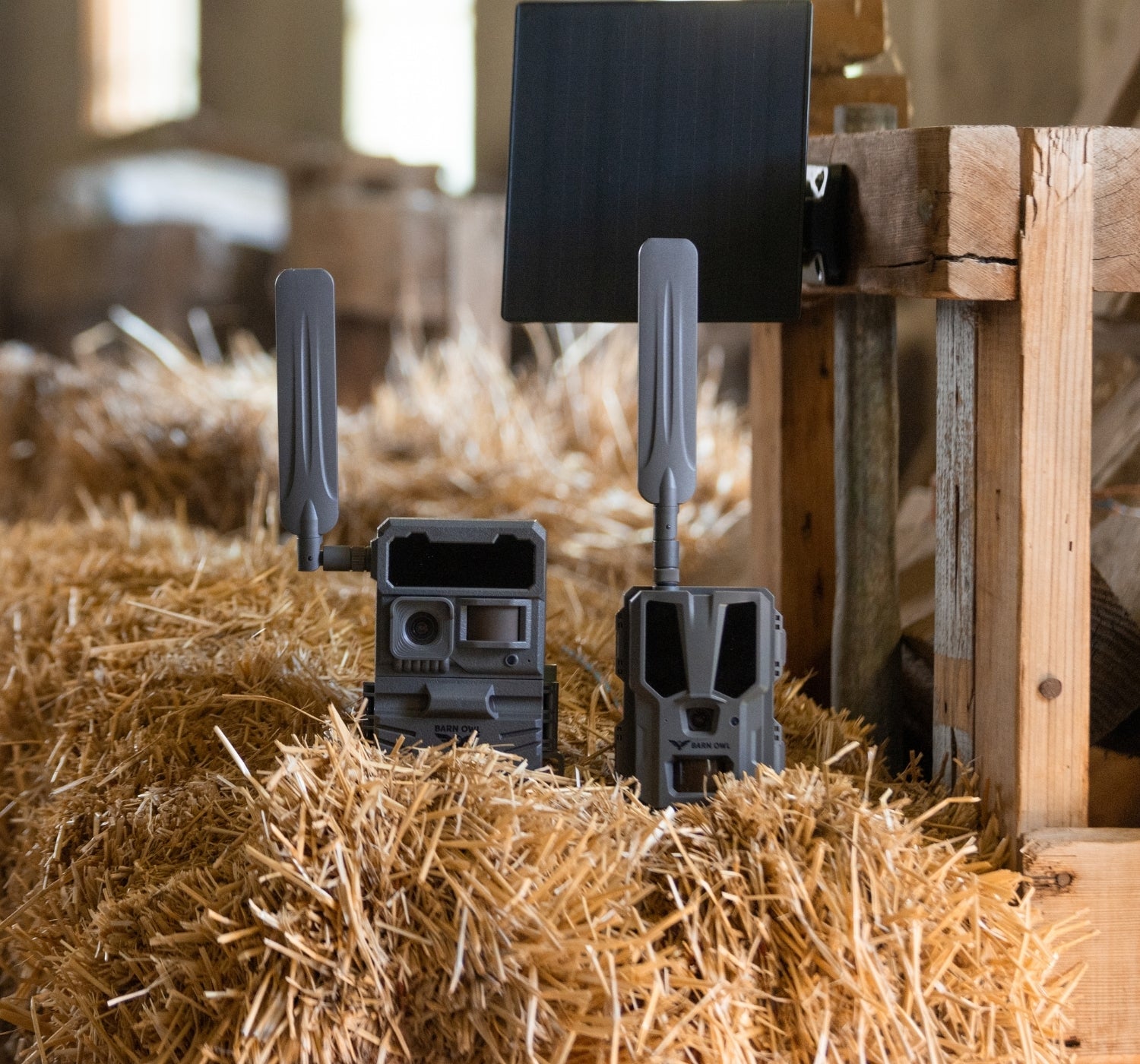
Enhancing Safety with Self-Monitoring Technology

Barn Owl Blog

Enhancing Safety with Self-Monitoring Technology

by on Jul 02 2025
In today's fast-paced world, security is a top priority for agriculture business owners. Protecting vast rural properties can be challenging. Traditional security systems often fall short in these expansive settings. Enter self-monitoring home security systems. These innovative solutions offer a new level of control and peace of mind. They allow you to monitor your property remotely, without relying on third-party services. Self-monitoring systems are cost-effective and eliminate monthly fees. They provide real-time alerts and video surveillance, keeping you informed at all times. This technology is not just for homes; it's perfect for commercial and rural applications. DIY alarm systems are customizable, fitting the unique needs of your property. They are easy to install, often requiring no professional help. This empowers you to take charge of your security. Modern security systems integrate with smart home devices, creating a cohesive network. This enhances both safety and productivity. With self-monitoring technology, you can focus on your business, knowing your property is secure. Understanding Self-Monitoring Home Security Systems Self-monitoring home security systems represent a transformative shift in property protection. Unlike traditional systems, they place control squarely in your hands. This shift empowers you to monitor and manage security from anywhere. These systems do not rely on third-party services, offering a cost-effective solution. Eliminate expensive monthly fees without sacrificing security. This is crucial for budget-conscious agriculture business owners. At the heart of self-monitoring systems are their advanced capabilities. Real-time alerts and notifications keep you informed about every activity on your property. Whether at home or miles away, you have immediate access to vital information. The user interface of these systems is designed for simplicity. Even those with limited technical knowledge find them easy to navigate. This is a significant advantage for busy property owners. Most self-monitoring systems include key features that enhance security: Real-time video surveillance: Monitor live feeds for immediate updates. Smart integration: Connect with other smart home devices for seamless functionality. Custom alerts: Receive notifications based on specific triggers by enabling AI. Self-monitoring systems also adapt to the unique needs of both residential and commercial properties. This adaptability allows for tailored security solutions that address specific concerns. In addition to these benefits, scalability is a defining trait. As your business grows, so can your security system. Easily add more devices without overhauling the existing setup. This ensures that your system remains relevant and efficient over time. By choosing self-monitoring, you're choosing a proactive approach to property safety. This approach not only deters potential threats but also provides invaluable peace of mind. Embrace this technology today and safeguard your business with confidence. Why Agriculture Businesses Need Modern Security Solutions Agriculture businesses face unique challenges that necessitate robust security measures. Vast properties are often hard to monitor comprehensively, increasing their vulnerability. Modern security solutions address this gap with innovative technology. One primary advantage is the ability to monitor extensive areas efficiently. Cover large fields, barns, and storage facilities without the need for multiple costly systems. With modern security, a single system can oversee varied locations simultaneously. Technology also plays a crucial role in deterring potential threats. Visibly placed cameras and alarms can discourage intruders before an incident occurs. This preventative approach is vital for safeguarding valuable assets. Modern security solutions offer tailored features for agriculture businesses: 24/7 Surveillance: Continuous monitoring minimizes security gaps. Remote Access: Manage security from any location, anytime. Customizable Alerts: Stay informed with alerts specific to your needs. Additionally, integrating security systems with smart technology aids operational efficiency. Use data insights to adjust procedures and optimize your security strategy. This integration enhances decision-making, providing a dual benefit of security and productivity. In conclusion, adopting modern security solutions is a strategic move. It not only protects your assets but also supports the smooth operation of your business. Embracing these solutions is crucial for thriving in today's competitive landscape. Key Features of Self-Monitoring Security Systems Self-monitoring security systems come packed with advanced features. They offer unparalleled flexibility and control over property security. Understanding these features helps in maximizing their benefits. 1. Real-Time Alerts: Receive immediate notifications via email, SMS, or app alerts. Be informed instantly of any suspicious activities. 2. Video Surveillance: Access video and photo feeds from cameras installed around your property. Monitor different areas without being physically present. 3. Mobile Accessibility: Control your entire security system through a mobile app. Check the status, receive alerts, and even update settings in the system remotely. This adaptability is particularly useful for agriculture business owners. You can manage security from anywhere, empowering you to focus on other business areas. 4. Customizable Notifications: Tailor alerts to suit specific needs. Choose alert types and frequency based on your property's vulnerabilities. For example, if you know you’ll want a view of a distant water tank at a certain time of day, set the camera to take a picture at that time each day automatically. 5. Enhanced Data Privacy: Modern systems have strong encryption methods. Protect your data and privacy against potential breaches. Each of these features addresses critical security elements. They work in tandem to provide a comprehensive security solution. By capitalizing on these features, agriculture business owners can safeguard their properties effectively. When selecting a system, consider which features align best with your business needs. A tailored system ensures better protection and operational efficiency. In an ever-evolving security landscape, these features provide a strong defense line. DIY Alarm Systems: Empowering Property Owners DIY alarm systems have transformed the security landscape. They offer property owners autonomy and customization. For agricultural businesses, this is particularly empowering. Firstly, DIY systems are cost-effective. They eliminate installation fees associated with professional services. This makes advanced security more accessible and affordable for rural properties. Flexibility is another key advantage. Property owners can design a system tailored to their specific needs. This is crucial for vast agricultural lands with varied security demands. Benefits of DIY Alarm Systems: Customizable Setup: Choose components that best fit your property's layout and vulnerabilities. Scalable: Easily add or remove devices as your security needs change. User-Friendly Installation: Set up the system without professional help, using simple instructions. Continuous Upgrades: Integrate new technologies as they emerge or choose a company that provides automatic software and firmware updates as they are released. Moreover, these systems provide peace of mind. Knowing that you've personally configured the security setup instills confidence. This proactive approach minimizes potential threats and enhances overall safety. DIY systems are also a learning experience. They provide insights into how security technologies work. This knowledge can be invaluable in managing both security and operational aspects of a business. Ultimately, DIY alarm systems empower business owners to take control. They enable tailored solutions that meet the unique challenges of protecting agricultural properties. Embracing DIY security systems is a strategic move towards safeguarding your assets independently. Barn Owl Cameras are the ultimate DIY, self-monitoring solution for agriculture and rural business owners seeking high-performance, self-monitoring security. Built to withstand extreme weather and remote conditions, Barn Owl’s cellular-connected cameras offer crystal-clear video, motion-triggered alerts, and flexible data plans—all accessible through an intuitive mobile app. With no need for Wi-Fi or professional installation, these cameras empower you to deploy rugged surveillance exactly where it’s needed most. Whether monitoring gates, livestock pens, equipment yards, or backcountry roads, Barn Owl gives you the confidence and control to protect what matters most—on your terms. Comparing Self-Monitoring vs. Professional Monitoring Self-monitoring and professional monitoring both offer unique advantages. Understanding these can help you choose the best fit for your needs. Here's how they compare. With self-monitoring, you control your security alerts. You receive notifications directly and decide on actions. This approach offers flexibility and minimizes professional monitoring costs. Professional monitoring includes around-the-clock support. Trained personnel respond to alerts for you. This is particularly beneficial if you're unable to monitor alerts yourself. Key Differences: Cost: Self-monitoring typically incurs less ongoing fees, whereas professional services charge higher monthly costs. Control: You are the primary responder in self-monitoring, giving you full control. Immediate Response: Professional monitoring can quickly dispatch authorities, providing immediate assistance. For agriculture businesses, the choice depends on your priorities. If you value control and cost savings, self-monitoring excels. Alternatively, if guaranteed security response is essential, professional monitoring may suit your needs. Ultimately, both options enhance security. Consider your property's specific requirements and your capacity to monitor. This will guide your decision on the best security approach. How to Select the Best Home Security System for Rural and Commercial Properties Choosing the right home security system for rural and commercial properties involves a thoughtful assessment. These systems need to cater to expansive areas and diverse security needs. Begin by evaluating your property's size and layout. Larger properties may require more extensive camera coverage and multiple entry cameras to ensure all areas are monitored. Consider the specific risks and challenges of your location. Remote areas might need systems with robust communication options, such as cellular or satellite connections. When selecting features, prioritize those that offer real-time alerts and remote access. These functionalities ensure you're always connected to your property, even if you're far away. Essential Features to Look For: Real-time picture and video surveillance Smart device integration Weatherproof equipment for outdoor use Budget is also a key factor. While DIY options are generally more affordable, ensure the system you choose doesn't compromise on quality and reliability. Look into systems that offer scalability. This means you can add devices as your security needs evolve, providing a future-proof solution. Review the ease of installation and operation. Systems with simple setup and user-friendly interfaces can save time and reduce frustration. Must-Consider Security Aspects: Reputation and reviews of the manufacturer Customer support availability and quality Warranty terms and conditions Ultimately, your choice should balance effectiveness and cost. An ideal security system covers all vulnerable areas while fitting within your budget constraints. By carefully assessing these elements, you can make an informed decision that enhances the safety of your rural or commercial property. Integrating Smart Technology for Enhanced Protection Smart technology is revolutionizing the way we secure our properties. Today's security systems integrate seamlessly with smart devices, elevating your defense strategy. Such integration allows for greater control over your security environment.  Benefits of Smart Integration: Enhanced Automation: Automate schedules for camera triggers to assess the condition of assets. Remote Access: Monitor your property from anywhere in the world. Immediate Alerts: Receive notifications directly to your device for instant awareness. By connecting various devices, you create a cohesive security network. This system not only ensures safety but also maximizes efficiency. Integration with AI and machine learning further enhances threat detection. These technologies analyze patterns and detect anomalies, offering proactive security measures. Smart technology empowers property owners with data-driven insights. With this information, you can continually optimize your security setup. Embracing smart integration is crucial for adapting to evolving security needs. This approach provides both practicality and peace of mind, ensuring a safer environment for your agricultural business. Addressing Common Concerns and Questions Security system users often have a variety of questions. Addressing these queries is crucial for peace of mind and effective use. A frequent concern is about the complexity of operation. Many fear they might not fully understand how to utilize features properly. However, modern systems are designed with user-friendly interfaces. They include comprehensive guides to ease the learning curve. Common Questions Include: Can I install it myself? Is remote monitoring reliable? How secure is my data? Users also worry about data security. Fortunately, robust encryption standards protect personal information on these systems. Cost and commitment concerns are equally common. Self-monitoring systems eliminate expensive fees, making them a cost-effective choice as you choose the level of data you want to purchase for your security needs. For those questioning reliability, self-monitoring systems offer immediate alerts. These provide reassurance without depending on third-party services. Scalability is another topic of interest for property owners. As needs evolve, these systems can expand with additional features. Addressing each of these concerns highlights self-monitoring systems' adaptability and modern advantages. Understanding these aspects helps potential users make informed decisions to optimize security and convenience. Real-World Success Stories: Security in Action Security systems are transforming agriculture businesses, providing real-world benefits and peace of mind. Consider a cattle farm in Kansas, where theft was a constant threat. By implementing a self-monitoring system, the owner drastically reduced incidents, saving thousands in losses annually. Another example comes from a vineyard in California. The farm faced issues with unauthorized access and crop damage. With strategic placement of cameras and alarms, trespassing dropped significantly. This proactive security approach boosted the farm’s productivity and reduced insurance premiums. A ranch in Texas used self-monitoring cameras to remotely monitor water tanks spread across their property. By reviewing footage and setting up timed alerts, they quickly identified a slow leak in one of the tanks that would have otherwise gone unnoticed for days. Catching the issue early prevented water waste, saved money on repairs, and ensured livestock had a consistent water supply—proving that monitoring isn’t just about security, but also about maintaining efficient daily operations. These stories highlight how modern security systems empower agriculture businesses. By addressing specific challenges, these systems not only safeguard property but also promote operational efficiency and financial savings. Conclusion: Take Control of Your Property’s Safety Today In today's rapidly evolving world, securing your agricultural business is crucial. Self-monitoring home security systems provide a robust solution to meet this need. With their cost-effectiveness and advanced features, these systems offer unparalleled peace of mind. Managing security independently allows for tailored solutions. You gain flexibility to adjust settings as your property demands change. This level of control ensures immediate, informed responses to potential threats, enhancing overall safety. Investing in a self-monitoring security system is not just about protection. It's about empowering you to focus more on your core business operations. By alleviating security concerns, you can devote more time to improving productivity and profitability. Barn Owl cameras stand out as the leading choice for self-monitoring security in rural and agricultural settings. Designed with rugged reliability, fast motion-triggering, and built-in cloud and local storage, they offer the features you need without the complexity you don’t. Whether you're securing livestock, equipment, or remote infrastructure, Barn Owl gives you real-time awareness and dependable coverage—no matter where you are. When it comes to protecting what matters most, trust the cameras built for the land. Now is the time to take proactive steps. Equip your property with a self-monitoring system and secure your peace of mind. Embrace the technology that puts you in charge, safeguarding your assets and future.
Long Range Wireless Cameras for Outdoor Use

Barn Owl Blog

Long Range Wireless Cameras for Outdoor Use

by on Jul 01 2025
In the vast expanse of rural properties, security is a top concern. Long range wireless cameras offer a solution. They provide a watchful eye over large areas, ensuring safety and peace of mind. These cameras are not just about security. They enhance productivity by allowing remote monitoring of operations. This means you can keep an eye on your property from anywhere. Long range wireless cameras eliminate the need for extensive wiring. This reduces installation costs and makes them ideal for rural settings. They are designed to withstand harsh outdoor conditions, ensuring durability. With high-resolution video quality, these cameras capture clear and detailed footage. Many models also offer night vision capabilities, crucial for 24/7 monitoring. This ensures you never miss a thing, day or night. Wireless connectivity allows for remote access via smartphones or computers. This means you can monitor your property in real-time, no matter where you are. It’s a game-changer for busy agriculture business owners. These cameras can integrate with existing security systems through application programming interfacing (API). This provides comprehensive coverage and enhances overall security. They are scalable, allowing for expansion as your business grows. Investing in long range wireless cameras is a smart move. They offer a cost-effective solution for large-scale surveillance needs. Secure your property and boost productivity with this advanced technology. Why Long Range Wireless Cameras Matter for Agriculture and Rural Businesses For agricultural and rural businesses, security challenges are unique. Vast landscapes require a different approach. Long range wireless cameras fit perfectly into this scenario. These cameras help protect your investments. By watching over livestock, equipment, and crops, they reduce risks. This proactive surveillance prevents potential losses from theft or damage. Security isn't the only benefit. Monitoring operations remotely can streamline decision-making. Long range cameras offer real-time data, enabling immediate action when necessary. Cost-effectiveness is another advantage. Traditional wired systems can be expensive to install over large areas. Long range wireless solutions cut costs by eliminating the need for extensive cabling. Key Advantages of Long Range Wireless Cameras: Cover large distances with minimal infrastructure. Provide high-quality images and video, even at night. Allow remote access to footage from any internet-connected device. Weather resilience is also crucial. These cameras are robust, built to withstand outdoor conditions like wind, rain, and dust. Their durability assures you of continued surveillance, regardless of the elements. Integrating these cameras into existing systems can enhance overall security. They work well with other technologies to provide a complete security solution. This integration ensures all areas are monitored efficiently. Overall, long range wireless cameras provide peace of mind. They enable business owners to focus on growth and productivity, knowing their assets are protected. For rural businesses, this means not just security, but a boost in operational efficiency. Key Features of Long Range Wireless Cameras Long range wireless cameras offer robust features tailored for rural and agricultural settings. These features optimize both security and productivity in challenging environments. One standout feature is their incredible range. Some models can transmit signals over several miles. This capability makes them ideal for monitoring expansive agricultural properties. High-resolution video quality is another crucial aspect. Clear and detailed images ensure nothing goes unnoticed. Advanced models even provide crystal-clear footage in low-light conditions. Essential Features Include: Night Vision: Vital for 24/7 monitoring, allowing visibility in complete darkness. Remote Access: View live footage from smartphones or PCs anywhere, anytime. Durability in harsh conditions is also key. These cameras are designed to withstand rain, wind, and extreme temperatures. Such resilience ensures long-term performance without frequent maintenance. Integration capabilities set these cameras apart. They seamlessly connect with existing systems. This feature supports a comprehensive and unified security solution. Additional Features Often Found: Motion detection alerts you to unexpected movements or intrusions. In addition, varying power options enhance camera versatility. Some models support solar power, making them ideal for remote areas without electricity. This independence from grid power is essential for off-grid farms. Data security is a paramount feature. Long range wireless cameras often include encrypted data transmission. This feature prevents unauthorized access to your video feeds. Lastly, ease of installation is worth mentioning. These cameras do not require extensive cabling. Their wireless nature reduces installation time and costs, simplifying the setup process. In summary, the key features of long range wireless cameras cater specifically to the needs of rural and agricultural environments. They ensure robust, dependable, and versatile security monitoring, catering to diverse operational needs. How Long Range Wireless Cameras Work: Technology Explained Simply Understanding the technology behind long range wireless cameras can simplify your decision-making. These cameras utilize advanced wireless communication to transmit video footage over vast distances, without the need for extensive wiring. At the heart of these systems is cellular connection. It sends video data from the camera to a receiver. This transmission happens over cellular networks, allowing signals to travel long distances effectively. Key Technology Features: Wi-Fi/Cellular Connectivity: Connects cameras to local networks for seamless integration. Radio Frequency Transmission: Facilitates long-range data communication. Data Compression: Optimizes video quality while minimizing bandwidth usage. Another vital component is the receiver. It processes the incoming data, converting it into viewable video on a monitoring device. This real-time processing ensures you can respond swiftly to any situation. Many cameras incorporate data encryption. This feature secures the video feed, preventing unauthorized access. The encrypted data is only accessible to you, ensuring privacy and security. The technology also supports remote access. Using internet connectivity, you can monitor your cameras from anywhere. This capability lets you keep an eye on your property from afar. Lastly, these cameras often include built-in software for managing footage. This software makes it easy to review and store video, providing you with a comprehensive surveillance solution. Top Benefits for Agricultural and Commercial Properties Long range wireless cameras offer a multitude of benefits for agricultural and commercial operations. They provide a practical solution to enhance security and efficiency, especially for large properties. Firstly, these cameras cover expansive areas. This capability makes them ideal for monitoring vast rural properties or large commercial spaces. They ensure comprehensive surveillance with fewer units required. These cameras also feature night vision technology. This feature is crucial for 24/7 security, allowing you to see clearly in the dark. It's an essential aspect for safeguarding assets around the clock. Key Benefits Include: Scalability: Easily expand your surveillance as your needs grow. Remote Monitoring: Stay connected to your property from anywhere. Another advantage is cost-effectiveness. By eliminating the need for extensive cabling, these cameras reduce installation and maintenance costs significantly. This aspect is advantageous for budget-conscious operations. They are also built to withstand harsh outdoor environments. Designed with weather-resistant materials, these cameras operate reliably in varying conditions, ensuring longevity and durability. Moreover, their real-time alert systems enhance security measures. You receive immediate notifications of unusual activities, enabling rapid responses to potential threats. Additional Benefits: Data Security: Encrypted transmission protects your video feeds. Versatility: Use them for various applications, from livestock monitoring to perimeter security. Finally, integration with existing security infrastructures is straightforward. This flexibility allows you to enhance your current systems without overhauling the entire setup. Investing in long range wireless cameras translates to peace of mind and operational success. Choosing the Best Long Range Wireless Camera: What to Look For Selecting the right long range wireless camera involves considering multiple factors. Begin by assessing the coverage area needed for your property. Ensure the camera's range matches your surveillance requirements. Next, focus on video quality. High-resolution cameras provide clearer images, which are essential for identifying details and tracking movements effectively. Aim for cameras that offer at least 1080p resolution for optimal clarity. Important Features to Consider: Night Vision: Offers visibility in low-light conditions. Weather Resistance: Ensures durability in outdoor environments. In addition, evaluate the connectivity options. Many cameras support Wi-Fi, but cellular connected cameras provide extended range features that are available for vast properties. Strong connectivity guarantees consistent and reliable video feeds. Another crucial factor is power supply options. Look for cameras that support diverse power sources such as solar power or long-lasting batteries. This flexibility is particularly beneficial for remote areas with limited access to electricity. It's also wise to consider the camera's installation process. Opt for models that are easy to install and maintain, reducing the downtime and complexity involved. Many systems offer plug-and-play features for seamless setup. Consider These Additional Aspects: Storage Solutions: Cloud vs. local storage for video recordings. Integration Capabilities: Compatibility with existing security systems. Finally, ensure the camera offers remote access and control via mobile apps or computers. This capability allows you to monitor your property from anywhere, enhancing the overall security strategy. By focusing on these factors, you can make an informed choice that suits your unique needs and offers reliable performance. Popular Use Cases: Real-World Applications in Agriculture Long range wireless cameras have transformed agricultural operations, providing critical oversight and management capabilities. Their applications are vast and diverse, tailoring to various needs across the sector. One notable application is monitoring livestock. Cameras help track movement and health, ensuring timely intervention when issues arise - especially during calving season. This remote monitoring can prevent potential problems and improve animal welfare. Another significant use is field surveillance. Cameras are strategically placed to monitor crop health, alerting you to changes that indicate disease or damage. This proactive approach aids in maximizing yield and ensuring crop quality. Real-World Applications Include: Equipment Monitoring: Protects valuable machinery from theft or misuse. Water Resource Management: Observes irrigation systems and stock tanks to avoid water wastage and alert low water levels. Perimeter Security: Deters intruders and safeguards premises. Long range cameras also play a role in monitoring weather conditions. By offering visual data on the horizon, they help predict adverse weather, allowing time for protective measures. Beyond security, these cameras contribute to improving productivity. They enable remote oversight, allowing management teams to make informed decisions without being physically present. This efficiency streamlines operations, reduces costs, and promotes effective management. In sum, long range wireless cameras provide versatile solutions that cater to various agricultural needs, thereby enhancing both security and operational outcomes. Installation and Maintenance Tips for Rural Environments Installing long range wireless cameras in rural settings requires strategic planning. These installations must withstand harsh conditions while maintaining optimal functionality. Ensuring a successful setup starts with choosing robust equipment designed for outdoor use. Prioritize positioning. Place cameras at heights and angles that maximize field of view, yet remain unobstructed by foliage or buildings. This strategic placement ensures comprehensive coverage of your property. Key Tips for Setup and Maintenance: Choose Solar Power Options: Ideal for remote locations without reliable electricity access. Regularly Clean Lenses: Dust and debris can obscure the view. Check Signal Strength: Ensure robust Wi-Fi or cellular connectivity to avoid interruptions. Routine maintenance is equally important. Regular inspections of the mounts and enclosures prevent weather-related wear and tear. This proactive approach extends the life of your equipment. Integrating a maintenance schedule can prevent unexpected failures. Simple tasks like updating firmware and testing signals ensure the system remains up-to-date and functional. Following these tips can safeguard your investment, providing continuous security and monitoring in rural environments. Making the Right Choice: Steps to Secure Your Property Making an informed decision about security cameras is crucial. Begin by assessing your property’s unique needs. Consider the layout and size of the area. Larger properties may require longer-range cameras. Smaller areas can make do with shorter ranges. Evaluate the environment where cameras will be placed. Opt for weather-resistant models in areas prone to harsh conditions. Look for features that align with your security objectives. Consider options like night vision, motion detection, and remote access. Steps to Choosing the Right Camera: Determine range requirements based on property size. Assess environmental factors, such as weather conditions. Identify key features needed for your specific situation. Evaluate connectivity options, including Wi-Fi/cellular signal and solar power. Consider integration with existing security systems. Finally, consult with security specialists if needed. Their insights can help tailor solutions to fit your requirements precisely. This approach ensures your property is both secure and efficient. Barn Owl Cameras  are purpose-built for the demands of rural and agricultural life. Our long-range, wireless, and solar-capable cameras deliver crystal-clear images, reliable night vision, and real-time alerts—all without the hassle of extensive wiring. With Barn Owl, you can monitor livestock, equipment, and property remotely through our easy-to-use app, no matter how far off the grid you are. Plus, our cameras integrate seamlessly into existing systems with the use of API and are rugged enough to endure the toughest outdoor conditions. Whether you're watching over one pasture or hundreds of acres, Barn Owl gives you the visibility and peace of mind to focus on running your operation. Conclusion: Invest in Peace of Mind and Productivity Long range wireless cameras are a smart investment for agricultural and rural businesses. They provide both security and operational insights. By adopting these advanced systems, you ensure constant monitoring and responsiveness. Protect your assets while enhancing your farm's productivity. The right choice in surveillance guarantees peace of mind and boosts efficiency. Make the move today and secure your property's future. Up next: Enhancing Farm Security with Surveillance Technology
Capturing Wildlife: Best Outdoor Animal Cameras

Barn Owl Blog

Capturing Wildlife: Best Outdoor Animal Cameras

by on Jul 01 2025
Capturing wildlife in its natural habitat is a thrilling experience. Outdoor animal cameras make this possible. They offer a window into the secret lives of animals. These cameras are not just for professionals. Anyone can use them. From backyard bird watchers to nature photographers, they are a valuable tool. Night vision capabilities are a game-changer. They allow you to observe nocturnal creatures without disturbing them. This feature is essential for capturing nighttime wildlife activity. Motion-activated cameras conserve battery life. They only record when movement is detected. This ensures you capture the most interesting moments. Wireless connectivity adds convenience. It allows for easy setup and remote monitoring. You can view footage from anywhere. Durability is key for outdoor use. Weatherproof designs ensure cameras withstand the elements. This makes them reliable in any environment. Whether for research or recreation, outdoor animal cameras offer endless possibilities. They bring the wonders of wildlife closer to home. Why Use an Outdoor Animal Camera? Outdoor animal cameras are invaluable tools for observing wildlife. They let you see animals in their natural setting without intrusion. This helps in understanding animal behavior. These cameras offer unique perspectives. They capture moments that are hard to witness in person. Whether it's a fox prowling or a deer grazing, these cameras don't miss a beat. For nature enthusiasts, this equipment enhances the wildlife viewing experience. They allow you to document rare sightings. The thrill of capturing a rare animal on camera is unmatched. Researchers benefit greatly from these devices. They provide crucial data for studies. Observations can lead to new insights into animal habits and ecosystems. Homeowners find these cameras useful for safety and curiosity. They can monitor wildlife activity in their backyards. This helps in managing unwanted animal visitors. Overall, the advantages of using an outdoor animal camera include: Observing wildlife without disturbance Capturing rare and unique animal behavior Enhancing security and monitoring in residential areas These benefits make outdoor animal cameras a must-have for enthusiasts and professionals alike. Key Features to Look for in Outdoor Wildlife Cameras When selecting an outdoor wildlife camera, several features stand out as crucial. Understanding these can help you make an informed purchase. Night Vision Capabilities: Most wildlife activity occurs after dark. Cameras with night vision or infrared technology excel in capturing nocturnal animals. Look for devices with low-glow or no-glow LEDs to avoid startling wildlife. Motion Activation: This feature saves power and space. Cameras that only record when motion is detected ensure you capture essential moments. This also makes it easier to sift through recordings later. Resolution Quality: High-resolution images and videos provide clearer and more detailed views of wildlife. A camera with at least 12 megapixels is often sufficient for quality footage. Durability and Weather Resistance: Cameras built for the outdoors must withstand various weather conditions. Look for waterproof and dustproof models to ensure longevity. Wireless Connectivity: Many modern cameras offer wireless capabilities. This allows for remote monitoring via smartphones or computers. Convenience is critical in managing outdoor equipment. Wide-Angle Lens: A wide-angle lens captures more of the scene. This is crucial for getting a comprehensive view of wildlife activity without repositioning your camera constantly. Here's a quick checklist of features: Night vision or infrared Motion-activated recording High-resolution capabilities Durable and weather-resistant design Wireless connectivity Wide-angle lens Battery Life: Consider cameras with long battery life or solar charging options. This reduces the frequency of battery replacements and ensures consistent operation. User-Friendly Interface: Finally, a user-friendly interface simplifies setup and use. Look for cameras with easy installation processes and intuitive controls. By focusing on these features, you can choose a camera that meets your needs and enhances your wildlife observation experience. Types of Outdoor Animal Cameras Outdoor animal cameras come in various types, each designed to suit different needs. Understanding these types can help you select the best option for your wildlife observation. One popular type is the trail camera. Designed for outdoor expeditions and wildlife research, trail cameras are robust and equipped with motion sensors. Another option is IP cameras and outdoor webcams, which offer internet connectivity. They are perfect for those who want to view their recordings remotely. Lastly, critter cams are great for casual wildlife enthusiasts who want to observe animals in their backyard. Trail Cameras Trail cameras are perfect for long-term, remote monitoring. They are often used by hunters and researchers. These cameras feature rugged designs and are built to endure tough environments. They are equipped with motion sensors and night vision, crucial for capturing wildlife activities. Considerations for buying a trail camera include: Trigger speed for capturing fast-moving animals Long battery life or solar charging options Small design to blend with surroundings IP Cameras and Outdoor Webcams IP cameras and outdoor webcams offer advanced features for tech-savvy users. They connect to the internet, enabling remote access to live feeds and recordings. These cameras are ideal for areas with Wi-Fi. They are easy to set up and offer features like cloud storage and live streaming. When choosing an IP camera or webcam, consider: Internet connectivity requirements Resolution and frame rate Ease of use and software compatibility Critter Cams for Backyards Critter cams are user-friendly and designed for home use. These cameras allow homeowners to observe and learn from the wildlife in their own backyard. They are often compact and easy to install, catering to beginners and seasoned watchers alike. Many come with night vision to ensure you don't miss nocturnal visitors. Key features to look for in critter cams include: Motion detection to capture only essential footage Night vision for after-dark observations Simple setup and operation, often with mobile app support Each type of camera offers unique advantages, allowing you to tailor your choice to your specific wildlife observation goals. Night Vision and Infrared: Capturing Wildlife After Dark Observing wildlife after dark requires special camera features. Night vision and infrared technology are vital for these tasks. They enable capturing clear images in low light, offering insights into nocturnal animal behavior. Night vision cameras use sensors that work in dim light. They amplify existing light to produce visible images. This technology is perfect for observing wildlife during dusk or dawn. Infrared cameras, on the other hand, use infrared LEDs. They emit light beyond the visible spectrum, invisible to animals but seen by the camera. This allows for discreet nighttime photography. When choosing a night camera for animals, key features to consider include: Low-glow or no-glow LEDs to avoid disturbing wildlife Adjustable sensitivity settings for different light conditions Long detection range to capture distant movements Many wildlife cameras include both night vision and infrared capabilities. This combination ensures you're prepared for various viewing conditions. Additionally, motion activation saves power by recording only when necessary. Benefits of infrared wildlife cameras include: They avoid startling animals with sudden flashes. Offer superior image clarity in total darkness. Work silently, preserving the natural setting. Investing in a quality night vision animal camera or infrared wildlife camera can enrich your wildlife observation experiences. With the right equipment, you can capture the mysterious beauty of nighttime wildlife with ease. How to Set Up and Place Your Outdoor Animal Camera Proper setup and placement of your outdoor animal camera can significantly enhance the quality of the footage. Begin by choosing a location frequented by wildlife. Look for animal trails, watering holes, or feeding areas. Position the camera at the right height and angle. Typically, 3 to 5 feet off the ground works well. Ensure the camera faces north to avoid sunlight glare in the lens. Checklist for Setup: Select a strategic location with good wildlife activity Ensure stable mounting to prevent shaking Position out of direct sunlight for clear images After mounting, test the camera's field of view. Adjust the angle as needed to maximize coverage. Make sure no objects obstruct the detection zone. Ensure the camera is secure and hidden. Use natural foliage or camouflage to prevent detection by animals or humans. Verify that the camera is weatherproof and adequately protected from rain or snow. Setup Tips: Test night vision settings in low light Check battery levels and memory capacity before leaving the location Regularly monitor and maintain the camera for optimal performance Remember to follow local regulations and respect wildlife habitats. Ethical wildlife observation promotes conservation and enjoyment for all. With careful setup and placement, you can capture amazing wildlife moments. Tips for Getting the Best Wildlife Footage Capturing stellar wildlife footage is a blend of patience and technique. Understanding animal behavior is key. Animals are creatures of habit; learn their routines for better timing. Nature is unpredictable, so prepare for various conditions. Morning and dusk are usually best for wildlife activity. Early setups often yield exciting results, capturing creatures when they are most active. Keep the camera running for extended periods. Short durations might miss interesting actions or rare appearances. Continuous monitoring increases the chances of capturing those special moments. Essential Tips for Wildlife Footage: Study animal behavior and patterns Utilize early and late hours for setup Be patient and persistent in your efforts Lastly, ensure your equipment is in top condition. Regular maintenance prevents missing vital moments due to technical issues. With these tips, your footage will showcase wildlife in its natural splendor, bringing nature’s wonders to your screen. Using Outdoor Animal Cameras for Home Security Outdoor animal cameras serve a dual purpose, offering wildlife observation and enhanced home security. These cameras are a great addition to home surveillance systems. Their unobtrusive design makes them perfect for capturing both wildlife and unexpected human visitors. Integrating a wildlife camera into your security setup is cost-effective and provides peace of mind. These cameras can monitor property perimeters, providing alerts of any movement. With motion-activated features, they only record when necessary, saving battery and storage. Many wildlife cameras offer night vision, making them ideal for around-the-clock security. Clear images at night ensure you miss nothing vital, whether it’s nocturnal animals or intruders. Advantages of Using Animal Cameras for Security: Cost-effective and versatile Motion-activated to save resources Night vision for 24/7 monitoring Installing these cameras not only captures wildlife but safeguards your home efficiently. They blend into the environment, maintaining aesthetics while boosting security. For a reliable and user-friendly option trusted by landowners and wildlife enthusiasts alike, Barn Owl Cameras  offer outstanding performance in even the most remote outdoor settings. With built-in cellular connectivity, they don’t rely on Wi-Fi—making them ideal for monitoring wildlife activity or securing rural properties. Barn Owl Cameras feature infrared night vision, motion activation, solar power, and weatherproof construction, allowing you to capture clear footage of wildlife day or night. Their intuitive mobile app provides real-time alerts and footage access, helping you stay connected to your property and the animals that roam it—no matter where you are. Conclusion: Choosing the Right Animal Camera for Your Needs Selecting the right animal camera depends on your specific purposes and environment. Each wildlife camera offers unique features that cater to different needs. Consider whether you need capabilities like night vision or wireless connectivity. These features can significantly enhance your wildlife observation experience. Think about your location and the climate it presents. A weatherproof model ensures durability and sustained performance in tough conditions. Finally, factor in budget and desired features to find a good balance. A well-chosen camera not only captures wildlife beauty but also provides security insights if needed. Up next: Top Features to Look for in Animal Cameras

Showing 48/84