Welcome to the Barn Owl Learning Center

Since our founding in 2017, Barn Owl has become a leader in providing security, real-time insight, operational efficiency and peace of mind across rural America. Our team of experts has build an in-depth knowledge base designed to answer your questions across industries and challenges. Browse our content below by key topic or by blog post date.

Key Topics Users Find Most Helpful

Barn Owl Blog

Barn Owl's team of experts have amassed decades of insights and knowledge into a series of helpful articles. Browse the latest news and posts below, including by topic tag.

Beyond Pollinators: Other Insects That Help Your Garden and Crops Thrive

Barn Owl Blog

Beyond Pollinators: Other Insects That Help Your Garden and Crops Thrive

by on May 28 2025
When we talk about good bugs in the garden, pollinators like bees and butterflies tend to steal the spotlight. But they’re not the only insects working hard to support your crops. A wide variety of other insects quietly play essential roles in pest control, soil health, and overall ecosystem balance—making them just as important to your garden’s success. Here’s a closer look at some of the non-pollinating insects that are truly worth inviting into your growing space. 1. Ladybugs (Lady Beetles) Superpower: Pest control What they eat: Aphids, whiteflies, mealybugs, and other soft-bodied pests Ladybugs are one of the most popular beneficial insects for a reason: both adults and larvae are voracious pest-eaters. A single ladybug can eat up to 5,000 aphids in its lifetime. Their presence can help prevent infestations that damage vegetables, flowers, and fruit trees. Tip: Plant dill, fennel, or yarrow to attract ladybugs to your garden. 2. Ground Beetles Superpower: Nighttime pest patrol What they eat: Caterpillars, slugs, root maggots, and other soil-dwelling pests These shiny black or metallic beetles live under mulch or leaf litter and come out at night to hunt. They don’t harm plants—instead, they help control insects that attack roots or seedlings. Their larvae are just as helpful underground. Tip: Avoid frequent tilling to protect ground beetle habitat. 3. Parasitic Wasps Superpower: Biological control What they do: Lay their eggs inside pest insects like aphids, tomato hornworms, or caterpillars Don’t let the name scare you—these wasps are tiny, harmless to humans, and incredibly helpful. Their larvae grow inside destructive pests, effectively wiping out garden threats without the need for sprays. They’re nature’s built-in pest management system. Tip: Grow plants with small flowers like cilantro, parsley, and sweet alyssum to attract them. 4. Rove Beetles Superpower: Versatile pest eliminator What they eat: Aphids, mites, fly larvae, and springtails These sleek, fast-moving beetles often go unnoticed, but they’re fierce predators in compost bins, garden beds, and greenhouses. Rove beetles help keep pest populations in check, especially in moist, organic-rich environments. Tip: Keep compost piles and mulched areas to encourage their activity. 5. Predatory Ants Superpower: Insect clean-up crew What they eat: Caterpillars, fly larvae, and other small insects Not all ants are garden pests. Some species are efficient hunters that reduce populations of destructive insects. While they may not be as targeted as other beneficials, they contribute to a balanced insect population in many ecosystems. Tip: Ants can be helpful—but watch for signs of them “farming” aphids, which is a sign of imbalance. 6. Hoverflies (Syrphid Flies) Superpower: Dual-purpose helpers What they do: Adults pollinate; larvae eat aphids and thrips These bee lookalikes serve two roles in the garden: the adults help pollinate, while their larvae quietly consume pests on leaves and stems. They're especially helpful in vegetable gardens under aphid attack. Tip: Like parasitic wasps, they love tiny flowers like dill, buckwheat, and Queen Anne’s lace. 7. Soldier Beetles Superpower: Natural pest patrol What they eat: Aphids, caterpillars, grasshopper eggs, and soft-bodied insects Often mistaken for fireflies, soldier beetles are harmless to plants and helpful in controlling common garden pests. They also occasionally sip nectar, helping with light pollination as a bonus. Tip: Attract them with goldenrod, zinnias, and milkweed. Why These Insects Matter Beneficial insects help reduce or eliminate the need for chemical pesticides, making your garden healthier and more sustainable. They also contribute to a balanced ecosystem, which means fewer pest outbreaks and better long-term plant productivity. By recognizing their value and providing the right habitat, you're not just growing vegetables or flowers—you’re cultivating a thriving, resilient ecosystem. How to Attract and Keep Beneficial Insects Plant a variety of flowering plants, especially natives and herbs Provide habitat: mulch, rock piles, compost, and low-disturbance zones Minimize pesticide use, especially broad-spectrum insecticides Let some wild plants grow, such as clover or dandelions, to support early-season insects Provide water: shallow dishes or damp sponges help thirsty bugs In Conclusion Pollinators may get most of the credit, but beneficial insects of all kinds are behind the scenes, working tirelessly to keep your crops healthy and your garden balanced. From tiny wasps to hardworking beetles, these unsung heroes deserve a place in your growing plan. So next time you spot a strange bug in your garden, pause before squashing it—it just might be one of nature’s best workers. Up next: Garden Villains: The Most Common Bugs That Destroy Crops and Gardens in the U.S.
Maintenance Tips for Solar Trail Cameras

Barn Owl Blog

Maintenance Tips for Solar Trail Cameras

by on May 27 2025
In the world of remote monitoring, solar trail cameras have become indispensable tools. These devices are particularly useful for agriculture business owners who need to keep a watchful eye on expansive rural properties, providing a crucial edge in managing vast tracts of land. By leveraging the power of the sun, these cameras offer an eco-friendly, cost-effective solution to capturing images and videos, which in turn helps in better decision-making and resource management. However, to ensure they perform at their best, regular maintenance is essential. In this guide, we'll delve into some practical maintenance tips for solar trail cameras, helping you maximize their lifespan and efficiency. Understanding Solar Trail Cameras Before we dive into maintenance tips, it's important to understand what solar trail cameras are and how they function. These devices are equipped with solar panels that convert sunlight into electrical energy, which powers the camera and charges the built-in batteries. This sustainable energy source makes them ideal for remote areas where traditional power sources are unavailable, thus reducing the dependency on manual battery changes and the associated labor costs. The Benefits of Solar Trail Cameras Solar trail cameras offer numerous advantages: Cost-Effective: Save on electricity costs and reduce the need for frequent battery replacements. This cost-saving extends beyond just the hardware; it also includes operational savings as the cameras require less human intervention. Remote Monitoring: Keep track of large areas without the need for constant physical presence. This feature is particularly beneficial for monitoring wildlife, crop growth, or potential security threats in areas that are otherwise difficult to access regularly. Versatility: Suitable for various applications, from wildlife monitoring to security surveillance. Their adaptability allows for use in diverse environments, offering flexibility for users with differing needs. Essential Maintenance Tips To keep your solar trail camera functioning optimally, follow these maintenance tips: Regularly Clean the Solar Panels Solar panels are the heart of your trail camera's power system. Dirt, dust, and debris can accumulate on the panels, reducing their efficiency. Regularly clean the solar panels with a soft cloth or sponge and a mild cleaning solution. Avoid using abrasive materials that could scratch the surface, as scratches can lead to further dirt accumulation and decreased performance over time. Keeping the panels clean ensures that they capture the maximum amount of sunlight, thus improving energy conversion rates. It is advisable to establish a cleaning schedule based on the environmental conditions of the camera's location. Areas with high pollen counts or dust may require more frequent cleaning. Additionally, during winter months, make sure to remove any snow or ice that might obstruct the panels. Check Battery Health Batteries are crucial for storing the energy generated by the solar panels. Regularly check the battery status and ensure they are holding a charge. If you notice a decline in performance, consider replacing the batteries with high-quality, rechargeable ones to ensure longevity and reliable power storage. Moreover, assess the battery connections for any signs of corrosion or loose contacts, which can impede the charging process. Keeping the battery compartment dry and free from dust will also help maintain optimum battery health. Ensure that the replacement batteries are compatible with your camera model to avoid any operational issues. Inspect Camera Housing The camera's housing protects it from harsh weather conditions. Regularly inspect the housing for any cracks or damage. Ensure that the seals and gaskets are intact to prevent water ingress, which could damage the camera's internal components. A compromised housing could lead to moisture or dust entering the device, potentially causing irreversible damage. Consider using protective covers or enclosures if your camera is stationed in an area prone to extreme weather. Such additional protection can prolong the camera's lifespan and reduce maintenance needs. Check the housing after severe weather events as well, to catch and repair any damage early. Keep the Lens Clean A clean lens is vital for capturing clear images and videos. Use a soft, lint-free cloth to gently wipe the lens. Avoid using harsh chemicals or rough materials that could scratch the lens, as scratches can lead to permanent image quality degradation. For optimal results, consider using lens cleaning solutions specifically designed for camera equipment. Regular lens maintenance will ensure that your camera delivers high-quality images, essential for accurate monitoring and analysis. In dusty or high-pollen environments, increase the frequency of lens cleaning to maintain clarity. Update Firmware Manufacturers often release firmware updates to enhance camera performance and fix bugs. Regularly check for updates and install them to keep your camera running smoothly. This ensures you have the latest features and improvements, which can include enhanced image processing capabilities and improved energy efficiency. Staying up-to-date with firmware not only improves functionality but can also extend the camera's operational life by optimizing its performance. Make it a habit to check for updates regularly, or subscribe to manufacturer notifications if available. Position the Camera Correctly Proper positioning of your solar trail camera is crucial for maximizing its solar energy capture and monitoring efficiency. Place the camera in a location where it receives ample sunlight throughout the day. Avoid areas with excessive shade or obstructions, as these can significantly reduce the solar panels' effectiveness. Additionally, consider the angle and height at which the camera is mounted to ensure comprehensive coverage of the area you wish to monitor. Proper positioning will also help prevent false triggers from moving shadows or other natural interferences. Secure Mounting Ensure that the camera is securely mounted to prevent accidental falls or theft. Use sturdy brackets and fasteners to keep the camera in place. This is especially important in areas prone to strong winds or wildlife interference, which could dislodge poorly secured equipment. Consider using anti-theft devices or surveillance signs to deter potential theft. Regular checks on the mounting integrity can prevent damage to the camera and ensure continuous operation. Final Thoughts Solar trail cameras are invaluable tools for agriculture business owners seeking efficient and eco-friendly remote monitoring solutions. By following these maintenance tips, you can ensure that your camera remains in peak condition, providing reliable surveillance and peace of mind. These cameras not only save time and resources but also contribute to sustainable agricultural practices. Regular maintenance not only extends the lifespan of your solar trail camera but also enhances its performance, ensuring you capture the critical footage you need for effective property management. Consistent upkeep is a proactive measure that protects your investment and optimizes its functionality. In conclusion, investing time in the upkeep of your solar trail camera is a small price to pay for the significant benefits it offers. For agriculture business owners seeking reliable and high-performance solar trail cameras designed with durability and efficiency in mind, consider exploring Barn Owl’s range of solutions. Our cameras are built to withstand harsh conditions and provide seamless remote monitoring for your peace of mind. Visit our website at www.barnowl.tech to learn more. Stay vigilant, and your camera will serve as a reliable guardian for your valuable assets. The peace of mind provided by a well-maintained camera is invaluable, allowing you to focus on other aspects of your business with confidence. Next up: Comparing Solar vs. Battery-Powered Trail Cameras
Capturing Nature with Mini Outdoor Cameras

Barn Owl Blog

Capturing Nature with Mini Outdoor Cameras

by on May 27 2025
In today's fast-paced world, security and surveillance have become more important than ever. Whether you're keeping an eye on your property or capturing the beauty of nature, mini outdoor cameras offer a discreet and efficient solution. These compact devices are designed to blend seamlessly into their surroundings, making them ideal for various applications. In this article, we'll explore the benefits of using mini outdoor cameras, their features, and how to choose the right one for your needs. With technological advancements, these small yet powerful devices are transforming the way we approach security and nature observation. Mini outdoor cameras are not just tools of surveillance; they are gateways to understanding and engaging with the world around us. From homeowners seeking peace of mind to nature enthusiasts documenting wildlife, the versatility of these cameras is unmatched. As technology continues to evolve, so does the capability of these devices, offering users even more ways to utilize them effectively. In this article, we delve deeper into why mini outdoor cameras are becoming indispensable, examining their unique features and offering guidance on selecting the perfect model tailored to your specific needs. Why Choose Mini Outdoor Cameras? Mini outdoor cameras are gaining popularity due to their size, versatility, and advanced features. Here's why you might consider investing in one: Compact and Discreet One of the main advantages of mini outdoor cameras is their compact size. These cameras can be easily installed in various locations without drawing attention. Their small footprint makes them perfect for discreet surveillance, allowing you to monitor your property without alerting intruders. Whether nestled amongst the branches of a tree or mounted subtly on a porch, their design ensures they remain unobtrusive. Beyond just security, their discreet nature allows for unobtrusive wildlife observation. Nature enthusiasts can capture candid moments of animals in their natural habitats without disturbing them. This stealthy approach not only aids in security but also enriches our appreciation of the natural world, providing insights into animal behavior and ecology that were previously difficult to obtain. Advanced Features Despite their size, mini outdoor cameras come packed with features typically found in larger security systems. Many models offer high-definition video, night vision, and motion detection. These features ensure that you can capture clear footage and communicate with anyone on your property, even in low-light conditions. The integration of such features in a compact device underscores the rapid advancements in camera technology. Additionally, these cameras often include intelligent analytics, enabling them to distinguish between different types of motion, such as differentiating between a passing car and a human intruder. Such advancements not only reduce false alarms but also enhance the overall efficiency of surveillance systems. As technology progresses, mini outdoor cameras are expected to incorporate even more sophisticated features, further expanding their utility. Easy Installation Mini outdoor cameras are designed for easy installation. Most models are wireless, meaning you won't have to worry about running cables through your property. Simply mount the camera in your desired location, connect it to a Wi-Fi or cellular network, and you're ready to go. This makes them an excellent choice for both homeowners and renters alike. Their plug-and-play nature is a significant advantage for those who may not be tech-savvy but still desire robust security solutions. Moreover, many mini outdoor cameras come with user-friendly apps. These apps often provide additional functionalities, such as setting up motion detection and customizing alert notifications. This ease of setup and operation ensures that even those with minimal technical expertise can effectively utilize the cameras, making security accessible to a broader audience. Types of Mini Outdoor Cameras There are several types of mini outdoor cameras available, each with its own set of features and benefits. Here are some of the most common options: Mini Wireless Cameras Mini wireless cameras are a popular choice due to their ease of installation and flexibility. These cameras connect to your Wi-Fi network, allowing you to access the footage remotely through your smartphone or computer. Many models also offer cloud storage options, ensuring that your recordings are safe and accessible at all times. This means you can keep an eye on your property from anywhere in the world, providing peace of mind for frequent travelers. Moreover, the lack of wires not only simplifies installation but also provides flexibility in camera placement. You can easily reposition the cameras as needed, adapting to changing security needs or environmental conditions. This adaptability makes wireless cameras an ideal choice for both temporary setups and long-term installations. Mini CCTV Cameras Mini CCTV cameras are ideal for those who prefer a more traditional approach to surveillance. These cameras are usually connected to a DVR or NVR system, allowing you to store footage locally. While they may require more setup than wireless models, they offer reliable performance and can be easily integrated into existing security systems. Their robust build often translates to greater durability, making them a lasting investment for property security. In addition, the local storage solutions provided by CCTV systems can be advantageous for those who prioritize data security and privacy. This can be particularly appealing for businesses or individuals with stringent privacy requirements. Key Features to Consider When choosing a mini outdoor camera, it's essential to consider the features that best suit your needs. Here are some key aspects to keep in mind: Video Quality High-definition video is crucial for capturing clear footage. Look for cameras that offer at least 1080p resolution, as this will ensure that you can easily identify people and objects in the recordings. Some models even offer 4K resolution for ultra-clear images. High-resolution cameras provide the detail necessary for effective surveillance and can be vital in identifying intruders or capturing intricate details in nature. It's also important to consider the camera's frame rate, as this affects the smoothness of the video. A higher frame rate can be particularly beneficial in fast-moving scenes, ensuring that you don't miss critical moments. As camera technology advances, we can expect even greater improvements in both resolution and frame rates, further enhancing the quality of surveillance footage. Night Vision Night vision is an essential feature for outdoor cameras, as it allows you to monitor your property even in complete darkness. Look for cameras with infrared LEDs, as these provide clear images without visible light. Some models also offer color night vision, which can be particularly useful for identifying specific details. The ability to capture clear images at night is crucial for 24/7 surveillance and can provide valuable evidence in the event of a security breach. Additionally, advances in sensor technology have led to improved low-light performance, enabling cameras to capture more detail even under challenging conditions. This ensures that you maintain a clear view of your property at all times, regardless of the lighting conditions. As night vision technology continues to evolve, we can anticipate even greater capabilities in future camera models. Motion Detection Motion detection is a valuable feature that can help conserve storage space and battery life. When motion is detected, the camera will begin recording, sending you an alert via your smartphone or email. This ensures that you're always aware of any activity on your property. Intelligent motion detection systems can differentiate between different types of movement, minimizing false alarms and ensuring that you only receive relevant notifications. With continuous advancements in artificial intelligence, motion detection technology is becoming more precise, further enhancing its effectiveness. Weather Resistance Since these cameras are designed for outdoor use, it's essential to choose a model that can withstand the elements. Look for cameras with an IP65 or higher rating, as this indicates that they are resistant to dust and water. This will ensure that your camera continues to function optimally in various weather conditions. A robust weather-resistant design is crucial for maintaining the longevity and reliability of your security system and provides added peace of mind, knowing that your camera will continue to operate effectively, regardless of environmental challenges. As climate patterns become increasingly unpredictable, the importance of weather-resistant technology cannot be overstated. Choosing the Best Mini Outdoor Camera for Your Needs With so many options available, it can be challenging to choose the right mini outdoor camera for your needs. Here are some tips to help you make an informed decision: Determine Your Budget: Mini outdoor cameras are available at various price points, so it's essential to establish a budget before you start shopping. Keep in mind that more expensive models often come with additional features and better performance. Balancing cost with the features you need ensures you get the best value for your investment. Assess Your Needs: Consider what features are most important to you, such as video quality, night vision, and motion detection. This will help you narrow down your options and find a camera that meets your specific requirements. Prioritizing these features ensures that you select a camera that aligns with your security goals and lifestyle. Read Reviews: Online reviews can provide valuable insight into the performance and reliability of different cameras. Look for reviews from other users who have similar needs to yours, as this can help you gauge how well a particular model will suit your requirements. User feedback often highlights real-world performance and potential issues, providing a comprehensive view of each product. Barn Owl RangeCam Mini The Barn Owl RangeCam 2 is a compact, durable, and feature-rich cellular trail camera designed for remote monitoring in a variety of environments, including agricultural fields, conservation areas, and wildlife habitats. Its small footprint and weather-resistant build make it an ideal choice for users who need reliable, discreet surveillance in the field. Equipped with 4G LTE connectivity, the RangeCam 2 can transmit high-resolution photos and videos directly to a cloud platform or mobile device, allowing for real-time monitoring and alerts. This is particularly useful for farmers, land managers, and researchers who need to keep an eye on remote locations without physically visiting the site. Key features include: Motion-activated photo and video capture with infrared night vision Cloud-based storage and mobile app integration for convenient access and management Flexible power options, including external solar panel compatibility User-friendly interface for easy setup and camera management Compact size for discreet deployment in the field With its blend of technology and practicality, the Barn Owl RangeCam Mini is an effective tool for monitoring wildlife activity, detecting trespassers, or tracking farm operations—making it a valuable addition to any land stewardship or conservation toolkit. Conclusion Mini outdoor cameras offer an excellent solution for discreet and effective security and surveillance. With their compact size, advanced features, and easy installation, these cameras are perfect for capturing nature and monitoring your property. By considering the factors discussed in this article, you can confidently choose the best mini outdoor camera for your needs and enjoy peace of mind knowing that your property is secure. As technology continues to evolve, these versatile devices will undoubtedly become even more integral to our security and observation needs. The growing popularity of mini outdoor cameras highlights a broader trend towards smarter, more efficient security solutions. As these devices become more sophisticated, they open up new possibilities for both personal and professional use. From enhancing home security to facilitating wildlife research, the potential applications are vast and varied. Investing in a mini outdoor camera not only enhances your property's security but also connects you to the world in innovative ways, ultimately enriching your experience and understanding of your surroundings. Up next: Best Uses for Wireless Mini Spy Cameras
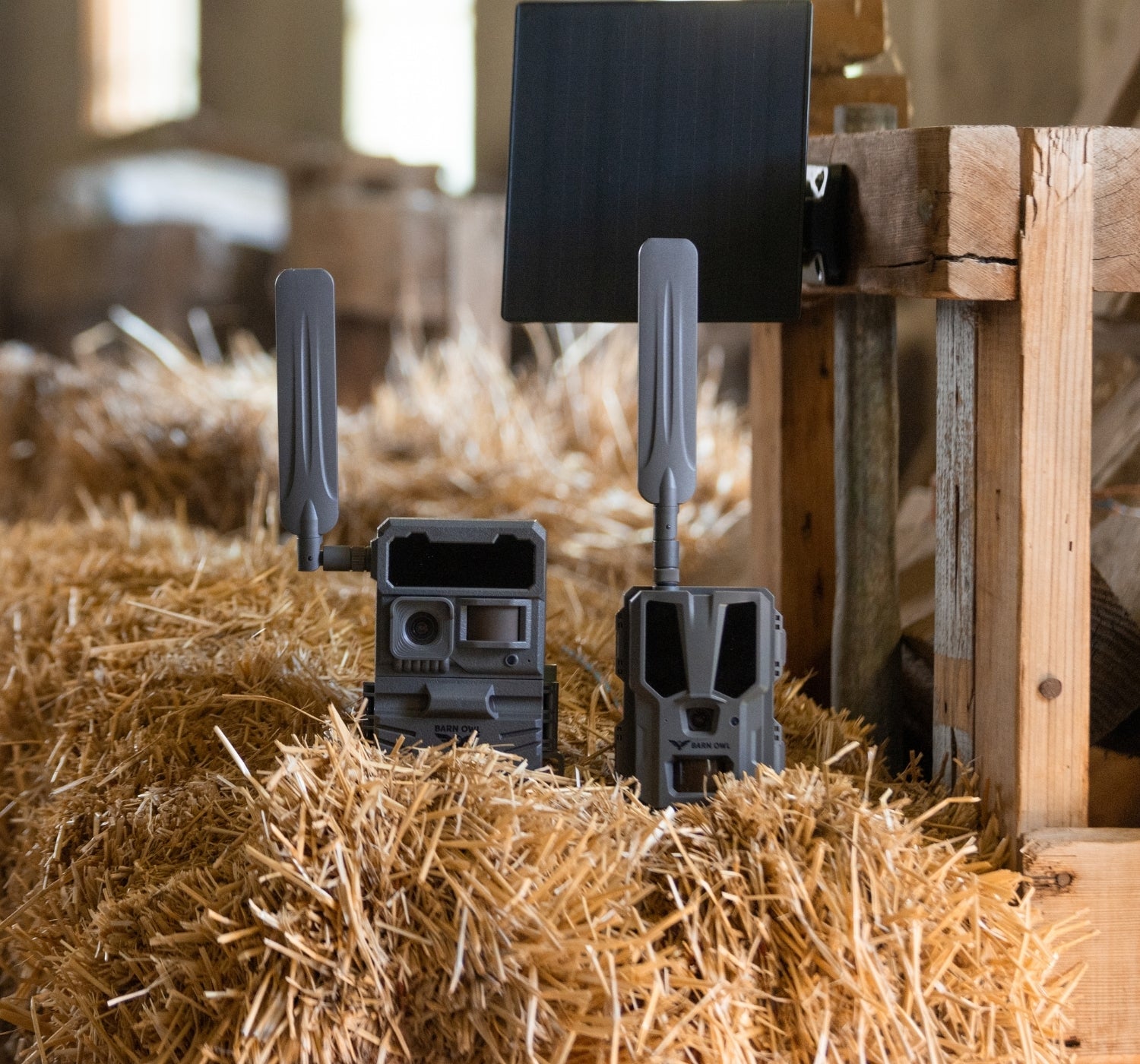
Portable Security Cameras for Job Sites: Features to Consider

Barn Owl Blog

Portable Security Cameras for Job Sites: Features to Consider

by on May 23 2025
A job site changes shape every month, and the camera has to move with it. The four features that make a security camera genuinely portable.
Benefits of Using Portable Security Cameras

Barn Owl Blog

Benefits of Using Portable Security Cameras

by on May 22 2025
Security is a top priority for many. Whether it's your home, business, or a temporary event, ensuring safety is crucial. Enter the portable security camera. These devices offer a flexible and efficient solution to your security needs. They can be moved and adjusted as required, providing comprehensive coverage wherever you need it. Battery-operated cameras, mini security cameras, and easy-install security cameras are just a few examples. Each type has unique features and advantages, catering to different needs and applications. For instance, a portable security camera trailer is ideal for temporary events or construction sites. On the other hand, a compact security camera can blend seamlessly into your home or office environment. This article will delve into the benefits of using portable security cameras. We'll explore their features, advantages, and how they can enhance your security strategy. Whether you're a homeowner, a small business owner, or a security professional, this guide will help you understand why portable security cameras are a worthy investment. Let's dive in. Understanding Portable Security Cameras Portable security cameras are versatile devices. Unlike traditional wired systems, they offer flexibility and ease of use. This characteristic makes them an attractive option for many. Their portability allows them to be installed in various locations. Whether indoors or outdoors, these cameras can adapt to different environments. This makes them perfect for both permanent and temporary setups. The technology behind portable security cameras has evolved significantly. Modern models are packed with advanced features like motion detection and high-definition video. These features enhance their functionality and provide comprehensive security solutions. Flexibility and Mobility: The Core Advantages One of the standout benefits of portable security cameras is their flexibility. Users can relocate them as needed, unlike traditional systems which are fixed. This adaptability makes these cameras highly useful in dynamic settings. For instance, if you are organizing an event, you can reposition the cameras easily. This ensures the coverage meets changing security requirements. It's a feature that is highly valued by both homeowners and businesses. Mobility is another key advantage. Portable security cameras are ideal for securing temporary locations. Construction sites, rodeo trailers, or outdoor gatherings can be monitored effectively thanks to their mobile nature. Additionally, these cameras often come with easy installation processes. Without the need for complex wiring, they save time and reduce setup costs. This simplicity attracts those who prefer user-friendly solutions. Here are some essential benefits of flexibility and mobility: Easy repositioning to suit evolving needs. Effective for temporary locations and events. Simple installation reduces time and cost. Offers adaptability for various environments. Enhances security coverage as situations change. Adaptability is at the heart of what makes these cameras invaluable. Whether for personal use or business purposes, their versatile nature is unmatched. Investing in portable security technology can be a game-changer for many. Battery-Operated Cameras: Power Without Cords Battery-operated cameras offer remarkable convenience by eliminating the need for electrical cords. This feature means they can function independently of power outlets. As a result, setup is often quicker and more versatile. A major benefit is their resilience during power outages. While wired systems may fail without electricity, battery-operated cameras continue to work efficiently. This ensures continuous surveillance even in unpredictable conditions. Moreover, the mobility provided by battery power allows placement in remote or hard-to-reach areas. This capability expands where and how these cameras can be used. Whether monitoring wildlife or securing vacant properties, their independence is invaluable. Their ability to operate without a constant power source opens up numerous possibilities for creative and functional surveillance solutions. Mini Security Cameras: Discreet Surveillance Solutions Mini security cameras are perfect for those needing discreet surveillance. Their compact design allows them to blend seamlessly into any environment. These cameras can be hidden in plain sight, making them difficult to detect. Despite their small size, mini security cameras pack advanced features. They often provide high-definition video and night vision capabilities. This ensures clear and reliable footage even in low-light conditions. Their installation is simple and versatile. You can place them on shelves, attach them to walls, or even use them in vehicles. Mini security cameras offer effective security solutions without drawing attention, making them ideal for both personal and professional use. Easy-Install Security Cameras: DIY Security Installing security systems doesn't have to be complicated. Easy-install security cameras allow you to set up your own surveillance quickly. There's no need for professional installation, saving time and money. These cameras come with intuitive instructions and often require no tools. You can mount them with adhesive strips, screws, or magnetic bases, depending on the model. This flexibility allows anyone to secure their property with minimal effort. The ease of installation doesn't compromise performance. Many easy-install cameras offer features like motion detection and smartphone notifications. This ensures you have a robust security system up and running in no time. For those who prefer do-it-yourself solutions, these cameras offer peace of mind without the hassle. Portable Wireless Security Cameras: Connectivity and Convenience Portable wireless security cameras offer unmatched flexibility and ease of use. You can place them anywhere with cellular service without worrying about cumbersome cables. This convenience makes them a popular choice for both indoor and outdoor security. The wireless nature allows for seamless integration with smart home systems. You can control and monitor your cameras through your smartphone or tablet. This remote access is invaluable for those who travel frequently or manage multiple properties. Key Features of Portable Wireless Security Cameras Remote Viewing: Live stream video footage from anywhere. Motion Alerts: Receive notifications on your device for movement detection. Cloud Storage: Save video clips remotely without local storage constraints. These cameras not only offer convenience but also peace of mind. They alert you to movement, allowing you to respond quickly to potential threats. With advanced features such as high-definition video and night vision, wireless portable security cameras meet the needs of modern security. Remote Monitoring with Portable Surveillance Cameras Remote monitoring empowers users to keep an eye on their property from afar. With portable surveillance cameras, you can access photo and/or video feeds through your phone, tablet, or computer. This technology enhances security by providing constant vigilance without being physically present. These cameras offer more than just visibility. Equipped with mobile applications, they send alerts straight to your phone, notifying you of any suspicious activity. This immediate feedback allows for quick responses, whether you're at home or on the move. Portability ensures you can re-locate your cameras as needed, adapting to changing security requirements. Thanks to remote monitoring, peace of mind becomes a reality, knowing you can check in anytime, anywhere. Compact Security Cameras: Small Size, Big Impact Compact security cameras bring power in a tiny package. These devices are designed to blend seamlessly into any environment. Their unobtrusive nature ensures they don't disrupt your space's aesthetics. Despite their small size, these cameras don't skimp on features. Many offer high-definition video, night vision, and motion detection capabilities. This combination ensures comprehensive monitoring without the need for large equipment. Easy to install and move, compact cameras offer flexibility and adaptability. Their discreet form is perfect for both residential and business settings, providing robust security solutions. These cameras prove that size does not compromise performance, delivering big security benefits in a small form factor. Outdoor Security Cameras: Weather-Resistant Vigilance Outdoor security cameras are built to withstand various weather conditions. Whether it's rain, snow, or heat, these cameras remain functional and reliable. Their weatherproof design ensures continuous surveillance without interruption. Equipped with features like night vision and motion detection, outdoor cameras provide day-and-night monitoring. Many models are also equipped with wide-angle lenses to cover more ground. This makes them ideal for expansive spaces like gardens or driveways. Robust materials ensure durability against tampering or damage. Outdoor security cameras offer a crucial deterrent against potential intruders. By maintaining a vigilant eye on your property's exterior, these cameras enhance security and peace of mind. Applications of Portable Security Cameras in Various Settings Portable security cameras excel in diverse applications. They fit perfectly in homes, businesses, and even outdoor events. Their versatility makes them a preferred choice for many users. Homeowners frequently use these cameras to secure their properties. They offer real-time monitoring of entry points and critical areas. Pet owners also use them to keep track of furry friends. Rodeo contestants use them to keep track of their equipment and animals while they are competing. In business environments, portable security cameras help monitor operations. They can oversee inventory, customer interactions, and employee activities. These cameras serve to deter theft and improve productivity. Regenerative farmers and ranchers also use them to keep an eye on various fields as they are moving equipment and animals. Such cameras prove invaluable at events and construction sites as well. They can be repositioned easily to adapt to changing security needs. This mobility ensures comprehensive coverage during temporary setups. Here are some key applications: Home security: Monitoring doors, windows, and driveways. Business surveillance: Overseeing customer service and stock levels. Event security: Ensuring safety at concerts or exhibitions. Construction site monitoring: Tracking progress and equipment safety. Ultimately, portable security cameras offer flexibility across various scenarios. Their ease of use and adaptability enhance security measures. This makes them an essential tool for anyone looking to improve safety and monitoring capabilities. Making the Right Choice: Factors to Consider When Buying Choosing the right portable security camera requires careful thought. Begin by evaluating the specific needs of your environment. Understand where and how you plan to use the camera. Consider the power source of the camera. Some users prefer battery-operated models for ease. Others opt for solar-powered options for continuous, eco-friendly operation. Connectivity plays a significant role as well. Decide if a wireless connection suits your needs. This feature allows for remote access and monitoring flexibility. Check the available features such as motion detection and night vision. Advanced capabilities like facial recognition might also be necessary. Ensure the camera’s features align with your security objectives. Think about the physical design and build quality. A weather-resistant model is crucial for outdoor use. Durability against tampering is also an essential factor. Price and warranty should influence your decision too. Balance cost-effectiveness with quality and support options. A well-considered choice will maximize security benefits. For those seeking reliable and advanced portable security camera solutions, Barn Owl offers camera bundles designed to meet diverse needs. With robust connectivity options, innovative features, and exceptional build quality, Barn Owl cameras are worth considering in your security evaluation. Conclusion: Enhancing Security with Portability Portable security cameras offer unmatched flexibility in safeguarding spaces. Their easy installation and mobility address various security challenges effectively. With portability, users can adapt to changing needs seamlessly. Choosing the right model ensures optimal performance. Whether it's for home, business, or special projects, portable security cameras provide peace of mind. Embrace the convenience and advanced features they offer to enhance your security strategy. With these tools at your disposal, maintaining safety has never been more accessible. Up next: How to Choose a Portable Security Camera For Your Farm or Ranch
Comparing Cellular vs. Traditional Security Cameras

Barn Owl Blog

Comparing Cellular vs. Traditional Security Cameras

by on May 21 2025
Security is a top priority for homeowners and businesses alike. Traditional security cameras have long been a staple in surveillance systems. But what if there was a more flexible, versatile option? Enter the cellular security camera. Unlike traditional cameras, cellular security cameras operate using cellular networks. This means they don't rely on wired or Wi-Fi connections. This offers a host of benefits. For instance, remote monitoring without the need for internet access. In this article, we'll delve into the world of cellular security cameras. We'll compare them with traditional security cameras, highlighting the different usages of each. Our goal? To help you make an informed decision when choosing a security camera system. Whether you're a homeowner, a business owner, a security professional, or a tech enthusiast, this guide is for you. Understanding Cellular Security Cameras Cellular security cameras are an innovative twist on traditional surveillance technology. They stand out because they connect through cellular networks. This connectivity offers flexibility that wired or Wi-Fi cameras cannot match. You no longer need the hassle of internet connections to ensure security. What sets these cameras apart is their ability to operate in remote areas. Whether it's a construction site or a farm, cellular cameras have you covered. With more people opting for these cameras, it's essential to understand how they function. They offer solutions that address common security challenges. Below, we explore the ins and outs of these cameras, from their basic definition to their mode of operation: Connectivity: Utilizes 4G LTE networks. Power Source Options: Solar-powered or battery-powered. Flexibility: Ideal for off-grid locations. Features: Includes remote monitoring and real-time alerts. What is a Cellular Security Camera? A cellular security camera is a versatile surveillance device. It connects to cellular networks like 4G LTE for data transmission. Unlike traditional models, cellular cameras don’t depend on Wi-Fi. This makes them perfect for locations where internet service is spotty or absent. The technology in cellular cameras allows for greater freedom in placement. You can place them virtually anywhere with reliable cellular coverage. This flexibility is a game-changer for both residential and commercial security. These cameras can be solar-powered, adding another layer of convenience. Their wireless nature supports a hassle-free setup. Overall, cellular security cameras offer a smarter way to ensure safety without the typical limitations of wired systems. How Do Cellular Security Cameras Work? Cellular security cameras use SIM cards similar to those in smartphones. This allows them to access cellular networks. Once connected, they transmit data much like a mobile device. This includes video feeds and real-time alerts. These cameras excel in areas lacking traditional connectivity. They offer peace of mind in remote locations, thanks to cellular coverage. Power supply is another vital component. Many models come with solar panels, making them self-sustaining. Their operation doesn’t end with capturing images or videos. These cameras offer cloud storage options, ensuring you have access to footage anytime. Cellular security cameras combine ease of use with advanced technology. They provide a robust solution for modern security needs. Traditional Security Cameras Explained Traditional security cameras have long been a staple in surveillance systems. They offer a reliable means of monitoring homes and businesses. These cameras often require a more involved installation process. They are typically wired, meaning they need physical connections for power and data. Some traditional models use Wi-Fi, but still depend heavily on a stable internet connection. This limits their placement to areas with strong and consistent Wi-Fi signals. Despite their limitations, traditional security cameras provide various benefits. They often offer superior image quality and consistent recording capabilities. Here's what sets them apart: Installation: Requires more setup, often needing professional help. Image Quality: Offers reliable, high-resolution footage. Connectivity: Dependent on strong infrastructure. Application: Mostly used in urban settings and indoor environments. The Basics of Traditional Security Cameras Traditional security cameras have defined residential and commercial surveillance. They typically work by connecting to a centralized system. These cameras send recorded footage to a digital video recorder (DVR) or network video recorder (NVR). This allows for storage and review of video feeds. Their designs range from simple bullet cameras to sophisticated dome cameras. Many models offer features like night vision and wide-angle lenses. To operate, traditional cameras often rely on power cables. This necessitates strategic placement to access power outlets. While their setup is more complex, they offer robust and reliable security. This makes them a preferred choice for many urban and well-connected environments. Wired vs. Wi-Fi: Connectivity Options Traditional security cameras offer two primary connectivity options. Wired connections are the most common. Wired systems are generally stable, with fewer interruptions. However, they require cables to connect each camera to a central hub. On the other hand, Wi-Fi cameras have surged in popularity. They offer more flexibility with fewer wires, though they need a stable internet connection. Wi-Fi cameras are easy to install but are vulnerable to network issues. Location and signal strength are crucial for optimal performance. Choosing between wired and Wi-Fi options depends on specific needs. Factors like distance, infrastructure, and future scalability should guide the choice. Ultimately, both options provide excellent security solutions. The right choice depends on installation complexity and connectivity reliability. Key Benefits of Cellular Security Cameras Cellular security cameras bring several advantages over traditional systems. They offer unique features tailored to modern security needs. Remote Monitoring Without Internet One significant benefit is independent connectivity. Cellular cameras don't depend on local internet. They use cellular networks like 4G LTE for data transmission. This allows remote monitoring in areas without Wi-Fi. Even in remote areas, you can access live footage. This ensures constant surveillance without relying on fixed-line internet services. Solar and Battery Power Options Many cellular cameras come with solar power options. This eco-friendly feature reduces reliance on traditional energy sources. Solar-powered cameras are ideal for off-grid installations. They can function for extended periods without power infrastructure. Battery options add further flexibility. Rechargeable cells provide continuous operation, even during cloudy days or at night. Rechargeable cells provide continuous operation, even during cloudy days or at night. Barn Owl cameras prioritize efficient energy use and offer reliable battery and solar configurations to ensure uninterrupted surveillance, regardless of environmental conditions. Outdoor and Covert Surveillance Cellular cameras excel in outdoor and covert settings. Their wireless nature allows easy camouflage. They are perfect for remote sites like construction zones and farms. Weatherproof designs withstand harsh environmental conditions. For covert operations, cellular spy cameras are ideal. Their discreet size and wireless functionality are critical for subtlety and effectiveness. Comparing Installation and Flexibility Choosing the right security camera involves considering installation ease and flexibility. Both cellular and traditional security cameras have distinct characteristics in these areas. Cellular Camera Installation Ease Cellular security cameras excel in simplicity. They require no wired connections or network cabling. Most models offer easy plug-and-play setups. Their wireless nature allows you to place them virtually anywhere. Set up is fast, making them ideal for time-sensitive projects. Portability is another advantage, allowing for quick redeployment as needed. Traditional Camera Installation Challenges On the other hand, traditional security cameras present more installation challenges. Wired models demand time-consuming cabling and drilling. Installation costs can be higher due to professional setup needs. Finding the right location with power access is crucial. Wi-Fi cameras reduce some complexity but still require network connectivity. Ensuring strong Wi-Fi signals and secure mounting locations is necessary. Overall, installation considerations vary based on needs and constraints. Cellular options favor flexibility and quick setup, while wired options demand more planning and resources. Assessing these factors helps guide the best choice for your circumstances. Cost-Effectiveness and Long-Term Value When evaluating security cameras, it's vital to consider not only the immediate cost but also the long-term value. This analysis includes both cellular and traditional options. Upfront Costs vs. Ongoing Expenses Cellular security cameras often have higher upfront costs. This is due to advanced hardware and connectivity features. However, their installation costs can be lower due to less complexity. The ongoing expenses mainly include data plans, but these can be managed by choosing appropriate plans. Conversely, traditional cameras may appear cheaper initially. Yet, installation costs can add up due to professional services and equipment requirements. Maintenance and Upgrades Maintenance for cellular cameras is generally straightforward. Software updates can be done remotely, and hardware is usually low-maintenance. Upgrades in cellular cameras may involve battery improvements or software enhancements. These improvements often enhance performance without needing full replacements. Traditional systems may demand more frequent maintenance. Issues with wiring, network connectivity, or aging technology require attention. Overall, cellular cameras can offer significant long-term value. They leverage easier maintenance and upgrade paths, contributing to overall cost-effectiveness. Each option demands consideration of individual needs and future-proofing potential. Advanced Features and Technology Trends The evolution of security cameras introduces exciting advancements. Cellular cameras, in particular, benefit from cutting-edge technology. These innovations enhance security and user experience significantly. One notable trend is the integration of artificial intelligence (AI). AI enables cameras to analyze and interpret data more effectively. This results in smarter, more responsive security solutions. Emerging trends also include enhancements in connectivity. As cellular networks advance, cameras gain faster and more reliable data transmission. This boosts real-time monitoring capabilities. Here are some noteworthy technological advancements in cellular security: Integration of AI for intelligent alerts. Enhanced connectivity with 4G and LTE improvements. Secure cloud storage options. Improved solar-powered camera efficiency. AI and Machine Learning Enhancements AI and machine learning are transforming cellular cameras. These technologies enable intelligent motion detection. Users receive alerts only when necessary, reducing false alarms. Over time, these systems become more efficient and precise, enhancing overall security measures. Future Developments in Cellular Camera Tech The future of cellular camera technology looks promising. Innovations in 5G connectivity are set to revolutionize data transmission. This improvement will offer unprecedented speed and efficiency for security cameras. Battery technology is also advancing. Longer-lasting, more efficient batteries will reduce maintenance needs. These advancements will make off-grid and solar options more viable and reliable. Together, these developments ensure cellular security cameras remain at the forefront. They provide enhanced security solutions for diverse applications, from homes to businesses. Making the Right Choice for Your Needs Choosing the right security camera involves understanding your specific needs. Different setups cater to various environments and requirements. Therefore, identifying your priorities is crucial for informed decision-making. Evaluate the area you wish to monitor. Consider factors like lighting, accessibility, and network availability. These elements influence the type and features of the security camera you'll need. It's also vital to consider your technical skills. Some cameras offer simple installation, while others require professional setup. Align your choice with your comfort level to ensure smooth installation and operation. Finally, weigh the benefits against your budget. Advanced features might increase costs, but they also enhance security. Balancing these factors can help you make the best decision for your circumstances. Assessing Your Security Requirements Start by determining the coverage area. This dictates the camera's field of view and placement. Outdoor and indoor environments may require different specifications. Think about additional features that might be necessary. Night vision, motion detection, and remote access could be beneficial. Identify which of these align with your security goals and daily needs. Comparing Top Cellular Security Camera Models When comparing models, consider key specifications. Look for reliable connectivity, image quality, and battery life. These core features differentiate high-performing cameras. Research user reviews and expert opinions. This helps highlight models that meet expectations in real-world applications. Additionally, checking for warranty and support can guide you toward a reputable choice. Conclusion and Final Thoughts Choosing between cellular and traditional security cameras involves weighing their distinct benefits and limitations. Cellular security cameras offer remarkable flexibility and remote monitoring capabilities. They are especially useful in areas lacking reliable internet connections. Traditional security cameras, however, often provide consistent performance in well-networked environments. Ultimately, the best choice depends on your specific security requirements and budget. By understanding each type's advantages, you can select a system that best protects your property.

Showing 60/84