Welcome to the Barn Owl Learning Center

Since our founding in 2017, Barn Owl has become a leader in providing security, real-time insight, operational efficiency and peace of mind across rural America. Our team of experts has build an in-depth knowledge base designed to answer your questions across industries and challenges. Browse our content below by key topic or by blog post date.

Key Topics Users Find Most Helpful

Barn Owl Blog

Barn Owl's team of experts have amassed decades of insights and knowledge into a series of helpful articles. Browse the latest news and posts below, including by topic tag.

Regenerative Grazing: What Is It and What Are the Pros and Cons?

Barn Owl Blog

Regenerative Grazing: What Is It and What Are the Pros and Cons?

by on Apr 04 2025
Regenerative grazing is a land management approach that focuses on restoring soil health, enhancing biodiversity, and improving water retention by optimizing livestock grazing patterns. This practice involves strategically moving livestock across pastures to mimic natural grazing behaviors, promoting the growth of diverse plant species and enriching the ecosystem. Pasture Project : Home Pros of Regenerative Grazing: Improved Soil Health: By allowing plants to recover between grazing periods, regenerative grazing enhances root systems, leading to better soil structure and increased organic matter. Enhanced Biodiversity: This method encourages a variety of plant species to flourish, supporting a more diverse and resilient ecosystem. Carbon Sequestration: Healthy soils under regenerative grazing can capture and store atmospheric carbon, contributing to climate change mitigation. Increased Water Retention: Improved soil structure enhances the land's ability to retain water, reducing runoff and promoting drought resilience. Cons of Regenerative Grazing: Initial Learning Curve: Adopting regenerative practices may require new knowledge and adjustments to traditional grazing methods. Upfront Costs: Implementing regenerative grazing can involve initial investments in infrastructure and planning. Variable Results: Outcomes can vary based on factors like climate, soil type, and management practices. How Barn Owl Cameras Can Assist with Regenerative Grazing: Integrating technology, such as Barn Owl's off-grid cellular cameras, can significantly enhance the management of regenerative grazing practices: Remote Monitoring: Barn Owl cameras enable ranchers to oversee livestock distribution and pasture conditions without frequent physical visits, ensuring that grazing patterns align with regenerative goals. Data-Driven Decisions: By capturing real-time images and videos, these cameras provide valuable insights into plant health and soil conditions, aiding in the optimization of grazing schedules and land management strategies. Operational Efficiency: With features like solar-powered operation and cellular connectivity, Barn Owl cameras offer a cost-effective solution for monitoring large areas, reducing labor and fuel expenses associated with traditional land checks. Incorporating Barn Owl cameras into your regenerative grazing strategy can streamline operations, enhance data collection, and support the sustainable management of your land. Up next: Understanding Silvopasture: Integrating Trees, Forage, and Livestock
Getting Started with Silvopasture: A Guide for Ranchers

Barn Owl Blog

Getting Started with Silvopasture: A Guide for Ranchers

by on Apr 04 2025
Silvopasture is an agroforestry practice that integrates trees, forage, and livestock into a single, sustainable system. This approach offers numerous benefits, including diversified income streams, improved animal welfare, and enhanced environmental health. For ranchers interested in adopting silvopasture, here's a step-by-step guide to get started, along with insights into how Barn Owl cameras can facilitate the process. 1. Assess Your Land and Resources Begin by evaluating your existing land to determine its suitability for silvopasture. Identify areas where integrating trees and forage would be most beneficial. Consider factors such as soil type, existing vegetation, water availability, and current land use. This assessment will help you plan effectively and set realistic goals. 2. Plan Tree Integration Decide on the tree species that align with your objectives and local climate. Common choices include nut-bearing trees like pecans, which add biomass to the soil and provide shade for livestock. Determine the planting design that suits your operation, whether it's evenly spaced trees or clustered plantings. 3. Prepare the Site If converting existing woodlands into silvopasture, you'll need to thin trees to allow sufficient light for forage growth. Aim for 25% to 40% canopy cover after thinning. Remove underbrush and manage competing vegetation to establish a productive forage base. 4. Establish Forage Select forage species compatible with partial shade and your livestock's dietary needs. Plant these forages after site preparation to ensure they establish well under the modified canopy. 5. Implement Grazing Management Develop a rotational grazing plan to prevent overgrazing and allow for forage recovery. This approach maintains soil health and promotes sustainable forage production. 6. Monitor and Adapt Regularly monitor the health of trees, forage, and livestock. Be prepared to adjust your management practices based on observations and outcomes. How Barn Owl Cameras Can Assist in Silvopasture Management Integrating technology like Barn Owl cameras into your silvopasture system can enhance management efficiency: Remote Monitoring: Barn Owl cameras provide real-time visuals of your pastures, allowing you to monitor livestock behavior, forage utilization, and tree health without constant physical presence. Infrastructure Surveillance: Use these cameras to oversee critical infrastructure, such as fencing and water sources, ensuring they remain functional and secure. Wildlife Observation: Monitor wildlife interactions within your silvopasture, gaining insights into biodiversity and potential impacts on your system. Time-Lapse Analysis: Utilize time-lapse features to observe changes over time, such as forage growth patterns and tree development, aiding in long-term planning and management. By thoughtfully implementing silvopasture practices and leveraging tools like Barn Owl cameras, ranchers can create resilient and productive systems that benefit both their operations and the environment. For more information on how Barn Owl can assist with your implementation of silvopasture, please visit www.barnowl.tech Up next: Understanding Mob Grazing: Benefits and Implementation for Ranchers
Understanding Silvopasture: Integrating Trees, Forage, and Livestock

Barn Owl Blog

Understanding Silvopasture: Integrating Trees, Forage, and Livestock

by on Apr 04 2025
Silvopasture is an agroforestry practice that combines the cultivation of trees, forage plants, and the grazing of domesticated animals in a mutually beneficial system. This method contrasts with traditional farming practices that often separate forestry and grazing activities, and instead, leverages the symbiotic relationships between these components to enhance productivity and sustainability on the farm.  Pros of Silvopasture Enhanced Biodiversity: The combination of trees and pasture fosters diverse habitats, supporting a variety of plant and animal species. This biodiversity can lead to more resilient ecosystems and improved pest control. Improved Animal Welfare: Trees provide shade and shelter, reducing heat stress and offering protection from harsh weather, which can lead to healthier livestock and potentially higher productivity. Diversified Income Streams: Ranchers can harvest timber, nuts, or fruit from the trees while simultaneously raising livestock, reducing financial risks by not relying solely on one source of income. Environmental Benefits: Trees sequester carbon, improve soil health, and enhance water retention, contributing to environmental sustainability and resilience against climate variability. Cons of Silvopasture Initial Investment and Labor: Establishing a silvopasture system requires significant planning, labor, and financial investment, especially when integrating trees into existing pastures or vice versa. Management Complexity: Balancing the needs of trees, forage, and livestock adds complexity to land management, requiring knowledge in multiple disciplines and careful planning to ensure all components thrive. Delayed Returns: Trees take time to mature, so the financial benefits from timber or other tree products may not be realized for several years, necessitating patience and long-term planning. Potential for Resource Competition: Without proper management, trees and forage crops may compete for sunlight, water, and nutrients, potentially reducing the productivity of one or both components. How Barn Owl Cameras Can Assist with Silvopasture Management Integrating technology like Barn Owl cameras can significantly enhance the management of silvopasture systems: Remote Monitoring: Barn Owl cameras allow ranchers to monitor livestock, forage conditions, and tree growth remotely, reducing the need for frequent on-site visits. Wildlife Surveillance: By keeping an eye on potential predators or wildlife that may affect the silvopasture system, ranchers can take proactive measures to protect their livestock and crops. Infrastructure Oversight: Monitoring the integrity of fencing and other infrastructure ensures the safety of both animals and plants, allowing for timely maintenance and repairs. For ranchers considering silvopasture, it's essential to weigh these pros and cons carefully. While the benefits can be substantial, successful implementation requires thoughtful planning, ongoing management, and a willingness to adapt traditional practices. Engaging with local agricultural extension services or organizations experienced in agroforestry can provide valuable guidance tailored to specific regional conditions and operational goals.  Incorporating Barn Owl cameras into a silvopasture system offers ranchers a modern tool to enhance efficiency, security, and overall management, leading to a more productive and sustainable operation. For more information on Barn Owl cameras, please visit www.barnowl.tech Up next: Getting Started with Silvopasture: A Guide for Ranchers
Benefits of Using Hidden Outdoor Cameras

Barn Owl Blog

Benefits of Using Hidden Outdoor Cameras

by on Apr 03 2025
In the realm of agricultural business, security is paramount. The vast expanse of rural and commercial properties presents unique challenges. One such challenge is maintaining effective surveillance. Traditional security systems may fall short, leaving blind spots and vulnerabilities. Enter the hidden outdoor camera. This innovative solution offers discreet, comprehensive coverage. It's a game-changer for property owners seeking to bolster their security measures. These cameras blend seamlessly into the environment, providing surveillance without disrupting aesthetics. They're equipped with advanced features, from night vision to motion detection, ensuring round-the-clock protection. This article aims to shed light on the benefits of hidden outdoor cameras. We'll delve into their features, advantages, and how they can enhance the safety and productivity of your operations. Join us as we explore the world of hidden outdoor cameras, simplifying complex tech jargon into practical, understandable benefits. Understanding Hidden Outdoor Cameras Hidden outdoor cameras are discreet devices designed for surveillance while blending into their surroundings. They provide the advantage of stealth, making them less noticeable to potential intruders. Key features play a significant role in selecting the right camera. Waterproof capabilities are essential for withstanding rain and humidity. This ensures uninterrupted performance even in adverse weather conditions. Night vision is another crucial feature. It allows for effective monitoring in low-light scenarios, ensuring your property is secure both day and night. Advanced models also include motion detection, sending alerts when unusual activity is detected. Understanding these elements helps in choosing a hidden camera that meets specific needs. By focusing on essential features, property owners can ensure reliable and efficient security coverage. The Aesthetic and Practical Advantages Hidden outdoor cameras excel at maintaining the aesthetic appeal of your property. They are designed to be unobtrusive, ensuring the visual charm of your surroundings remains intact. Strategically placing cameras can maximize coverage without attracting attention. Entrance points and high-traffic areas are ideal spots for setting up these discreet devices. Blending cameras into the environment offers multiple benefits. It not only preserves the natural look but also helps in maintaining an element of surprise for any intruder. Here's a list of points highlighting the advantages: Enhances property security without altering the landscape Reduces the likelihood of vandalism due to inconspicuous placement Facilitates comprehensive surveillance without visual clutter Incorporating cameras that mimic natural elements or common objects further enhances stealth. This ensures that the security measures do not interrupt the flow of the landscape. Moreover, the ability to blend into the environment allows for a sense of tranquility. You get peace of mind knowing your property is secure, without compromising its visual integrity. Weatherproofing and Durability Weatherproofing is a crucial aspect of hidden outdoor cameras. Devices like the hidden camera waterproof models are built to withstand rain and snow effectively. Protection against water damage ensures consistent performance in varying conditions. This guarantees your property remains monitored during storms or heavy rains. Durability in harsh environments is essential. High-quality hidden outdoor cameras are engineered to resist wear and tear, ensuring a longer lifespan. The list below highlights key benefits: Continues operation regardless of extreme weather Minimizes maintenance and replacement costs Withstands physical tampering and vandalism efforts Security cameras are often targets for tampering. Durable designs and tamper-proof features reinforce their robustness against interference. Investing in weatherproof and durable cameras is wise. Not only do they provide reliable coverage, but they also offer a cost-effective solution by reducing upkeep requirements. This resilience is vital for businesses in rural settings, enhancing the overall security infrastructure. Technological Features for Enhanced Security Hidden outdoor cameras today offer cutting-edge technological features that can significantly enhance security. Night vision capabilities are among these essential features, enabling clear visibility even in the dark. Night vision in hidden outdoor security cameras ensures that no detail goes unnoticed, safeguarding your property around the clock. This capability is crucial for monitoring rural or secluded areas at night. Motion detection technology further boosts the functionality of hidden cameras. These cameras can instantly detect unusual activity, triggering alerts that notify property owners of potential intrusions. Alerts sent directly to your smartphone are incredibly advantageous. Remote monitoring through mobile apps keeps you informed no matter where you are, enhancing the convenience of security management. Advanced features further distinguish these cameras from traditional security options. Facial recognition technology offers another layer of protection, identifying known individuals and warning you of strangers. Such technological advancements transform hidden cameras into multifunctional tools. They play an integral role not only in security surveillance but also in operational efficiency. When choosing the best hidden outdoor security cameras with night vision and other features, consider how these technologies align with your specific needs. Whether it's for monitoring livestock or ensuring employee safety, they provide tailored solutions for varied applications. Installation and Integration Installing hidden outdoor cameras is straightforward, especially with wireless systems. Outdoor hidden surveillance cameras wireless models eliminate the need for complicated wiring. The ease of installation allows business owners to set up systems quickly. This leads to minimal disruption in daily operations and faster security enhancement. Hidden cameras can also link with smart farm technology, fostering a unified approach to farm management and security. A well-integrated system provides centralized control. This allows business owners to monitor different aspects of their operations, from security to productivity, all in one place. Consider these integration benefits: Wireless Connectivity: Simplifies setup and relocation. Smart Farm Integration: Enhances overall farm management. Centralized Monitoring: Streamlines control across operations. Flexibility: Allows for future technological upgrades. By focusing on these aspects, businesses can effectively harness the potential of hidden cameras, ensuring both security and efficiency. Hidden cameras provide a versatile solution, adaptable to evolving agricultural needs. Cost-Effectiveness and Scalability Hidden outdoor cameras offer a cost-effective solution when compared to traditional security measures. Employing these systems can reduce the need for on-site security personnel, cutting operational costs significantly. Moreover, hidden cameras require less maintenance than older technologies. Their durability and reliability mean fewer repairs and replacements, further contributing to cost savings. Scalability is another compelling advantage. Business owners can start with a basic setup and expand as needed. This flexibility allows for the easy addition of more cameras to cover larger areas or address specific security concerns. Growing with your business, hidden cameras can adapt to changes in operations, offering a scalable security solution. This adaptability ensures ongoing protection without the need for extensive re-investments. Consider these benefits of scalability: Expandable Systems: Add cameras as needed. Adaptable Security: Grows with operational changes. Cost Reduction: Minimize hiring and maintenance expenses. Efficient Investment: Future-proof your security infrastructure. Monitoring and Managing Agricultural Operations Hidden outdoor cameras excel at monitoring livestock and wildlife. By capturing footage silently, they provide insights without disrupting natural behaviors. This can help in assessing animal health and safety. These cameras also ensure employee productivity and adherence to safety protocols. Recordings can be reviewed to confirm tasks are completed correctly and safely. It’s an effective way to encourage best practices in daily operations. Managing vast and remote properties is often a challenge. Hidden outdoor cameras offer a practical solution by covering areas that are hard to access. Strategic placement can provide comprehensive visibility, enabling better property management. Remote monitoring is a standout feature. It allows owners to observe their agricultural operations from afar, whether on a smartphone or computer. This ensures they stay informed and make timely decisions, enhancing operational efficiency. With the use of hidden cameras, large properties become more manageable. They can capture different angles and heights, ensuring thorough coverage. Their discreet nature means they blend into their surroundings, avoiding detection by intruders or wildlife. Consider these key points for agricultural operations: Wildlife Monitoring: Observe without interference. Employee Supervision: Verify safety and efficiency. Remote Area Access: Cover inaccessible regions effectively. Real-Time Oversight: Use mobile devices for instant updates. Full Property Coverage: Customize placement for optimal visibility. Evidence Collection and Legal Compliance Hidden outdoor cameras are powerful tools for gathering evidence. They meticulously record events as they unfold, providing credible visual data. This is invaluable in resolving disputes or legal issues that may arise on your property. Accurate records from these cameras can support claims or defenses in legal proceedings. Whether it's capturing incidents of theft or property damage, detailed footage can provide the proof needed for successful outcomes. It enhances accountability and promotes fairness in resolving conflicts. Compliance with insurance policies often mandates surveillance systems. Hidden cameras can meet these requirements, aligning with the stipulations set by insurers. By adhering to these requirements, property owners can safeguard their interests and potentially reduce premiums. Furthermore, regulatory compliance may necessitate the use of monitoring systems. Meeting these standards protects your business from potential fines and penalties. It ensures your operation adheres to industry-specific regulations, contributing to a well-rounded security strategy. Key points in evidence collection and compliance include: Legal Proof: Capture events for dispute resolution. Insurance Requirements: Fulfill policy conditions for potential cost savings. Regulatory Standards: Meet compliance for industry safety norms. Accountability: Use footage to reinforce operational transparency. Enhancing Safety and Productivity Hidden outdoor cameras are a formidable deterrent against theft and vandalism. Their discreet placement prevents potential criminals from targeting your property. The invisible shield they provide contributes significantly to the safety of assets and personnel. Moreover, these cameras offer valuable insights into daily operations. By reviewing footage, agricultural business owners can identify inefficiencies. This information aids in streamlining processes, ultimately enhancing productivity and resource management. Additionally, hidden cameras contribute to precision agriculture. Through constant monitoring, they supply data on crop conditions, irrigation efficiency, and equipment use. This data is crucial in making informed decisions, optimizing agricultural practices. The role of hidden cameras extends to promoting sustainability. By ensuring efficient resource use, they help reduce waste. Monitoring environmental impact supports sustainability goals, reinforcing your commitment to eco-friendly practices. Key contributions of hidden outdoor cameras include: Theft Prevention: Acts as a deterrent against unauthorized access. Operational Insights: Identifies areas for process improvement. Precision Agriculture: Aids in data-driven decision-making for optimal yield. Sustainability Support: Encourages eco-conscious resource utilization. Through their multifaceted applications, hidden cameras not only boost safety but also drive operational advancements. Choosing the Right Hidden Outdoor Camera Selecting the perfect hidden outdoor camera depends on several factors. Consider your specific security needs, such as the coverage area and environmental conditions. High-resolution imaging and robust durability are crucial for clear visuals and long-term use. Evaluate the camera's technological features. Night vision and motion detection are essential for 24/7 surveillance. Wireless connectivity allows for flexibility in camera placement and easy integration with smart devices. When it comes to recommendations, prioritize cameras with excellent reviews and proven performance. Look for those that offer a balance between cost-effectiveness and advanced features. Top picks often include wireless models with night vision and waterproof capabilities. Consider these factors for choosing your camera: Resolution and Image Quality: Essential for clear and accurate footage. Weatherproofing: Ensures camera longevity in outdoor environments. Connectivity: Supports integration with existing systems. Price vs. Feature Balance: Offers value while meeting security requirements. By weighing these key elements, you can confidently select a hidden outdoor camera that meets your property's security demands. Barn Owl Cameras: The Stealthy Solution Barn Owl cameras are an excellent choice for providing concealed outdoor monitoring due to their unique design and advanced features tailored for discreet surveillance. These cameras are specifically designed to blend into agricultural and rural environments, making them an ideal solution for property owners who need effective monitoring without drawing attention. Barn Owl cameras are equipped with advanced features such as night vision, motion detection, and weatherproof capabilities. Night vision allows for effective monitoring in low-light conditions, ensuring that your property is protected around the clock. Motion detection technology can send alerts to your smartphone when unusual activity is detected, enhancing security management for property owners. The durability of Barn Owl cameras further enhances their suitability for outdoor monitoring. Constructed to withstand harsh weather conditions, these cameras can operate effectively in rain, snow, and extreme temperatures. This weatherproofing ensures that property owners can rely on their surveillance systems year-round, minimizing maintenance and replacement costs. Furthermore, the ease of installation and integration with existing security systems makes Barn Owl cameras a practical choice. All Barn Owl models are wireless, simplifying the setup process and allowing for quick deployment in various locations. This flexibility enables property owners to customize their surveillance solutions, ensuring comprehensive coverage of their land. In summary, Barn Owl cameras provide a concealed outdoor monitoring solution that is both effective and discreet. Their design, advanced technological features, and durability make them an ideal choice for property owners looking to enhance security while maintaining the visual integrity of their surroundings. By investing in Barn Owl cameras, owners can achieve peace of mind knowing that they have a reliable surveillance system in place that works in harmony with the environment. Conclusion and Call to Action Hidden outdoor cameras offer significant benefits for agriculture business owners. They ensure discreet surveillance while enhancing security and operational efficiency. With features like night vision and weatherproofing, these cameras provide reliable coverage in various conditions. Investing in smart security solutions can transform the safety and productivity of your operations. By leveraging advanced technology, you not only safeguard your assets but also gain valuable insights into daily activities. This proactive approach helps in optimizing resource management and improving overall business performance. Take the step towards bolstering your property's security today. Explore available options and consider integrating hidden outdoor camera systems. By making this investment, you ensure enhanced protection and peace of mind for your agricultural business. Up next: Choosing the Best Hidden Outdoor Cameras
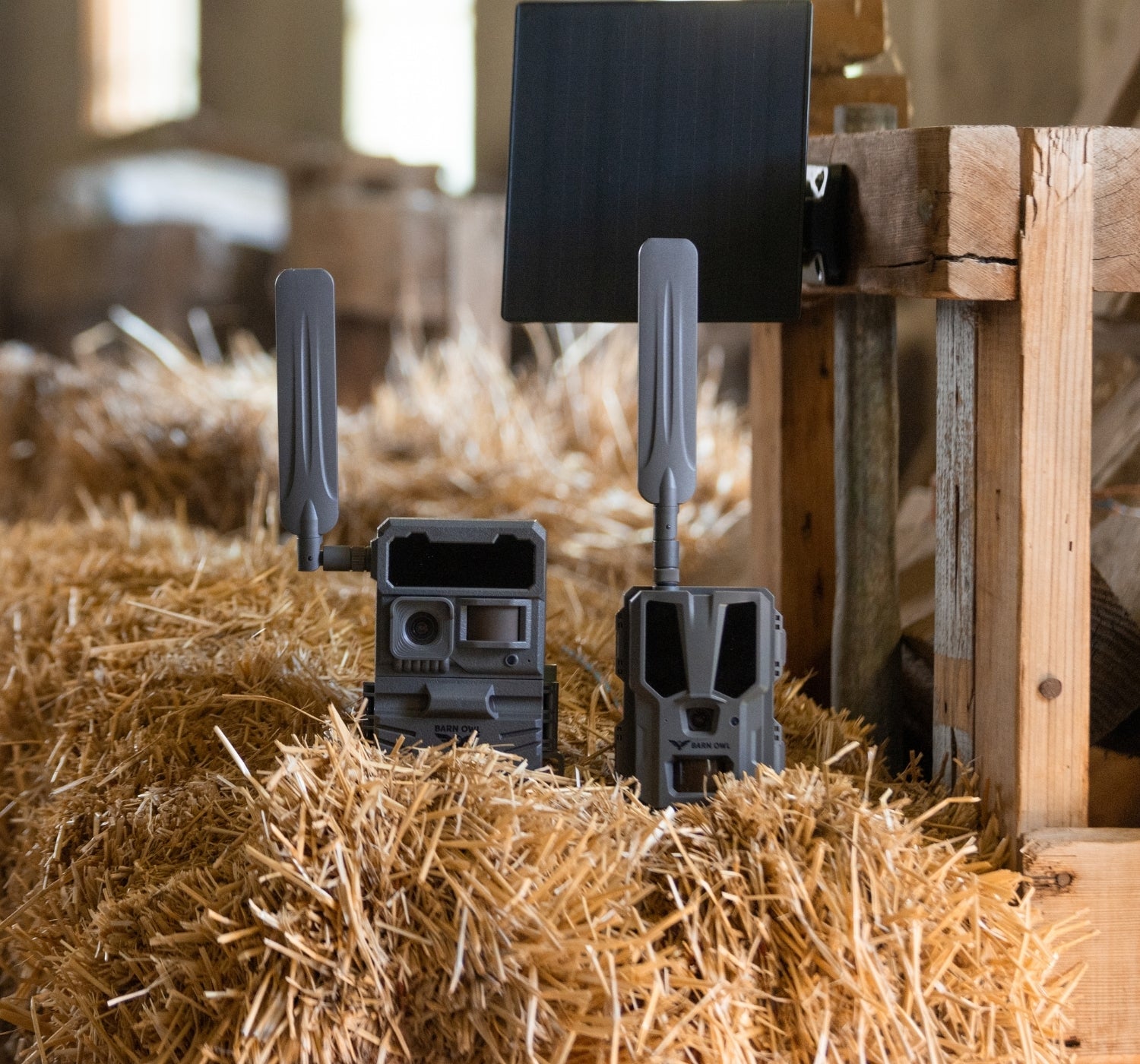
How Night Vision Cameras Enhance Security

Barn Owl Blog

How Night Vision Cameras Enhance Security

by on Apr 03 2025
In today's security systems, night vision cameras are essential for protecting properties, whether they are businesses or farms. As the owner of an agricultural business, you may face particular challenges in monitoring vast properties, particularly during nighttime. This article will delve into how night vision cameras can significantly enhance security and provide peace of mind. Understanding Night Vision Cameras Night vision cameras capture images and videos in low-light settings, offering visibility where human eyes fail. They employ various technologies such as infrared (IR) illumination, thermal imaging, and low-light sensors to function effectively in the dark. Infrared (IR) Night Vision Cameras Infrared night vision cameras use IR LEDs to illuminate their field of view without emitting visible light. This allows them to capture clear images in complete darkness. The IR LEDs emit light at wavelengths not visible to the human eye, which is then reflected off objects and captured by the camera's sensor. Thermal Imaging Cameras Thermal imaging cameras detect heat signatures instead of relying on light. They create images based on temperature differences in the scene, making them highly effective for detecting intruders or animals in the dark. Low-Light Cameras Low-light cameras, also known as digital night vision cameras, enhance available light to produce clear images. These cameras are excellent for environments with some ambient lighting, such as moonlight or streetlights. Benefits of Night Vision Cameras Enhanced Security Night vision cameras provide round-the-clock surveillance, ensuring your property is monitored even in total darkness. This deters potential intruders and helps quickly identify any suspicious activity. Comprehensive Coverage With advancements in technology, modern night vision cameras offer wide-angle lenses and high-resolution imagery. This provides wide coverage of large areas, making it perfect for big rural properties. Improved Detection Night vision cameras are highly effective in detecting movement and providing alerts for unusual activity. This is particularly useful in rural areas where wildlife or unauthorized people might pose threats. Remote Monitoring Many night vision cameras support remote monitoring via smartphones or computers. This allows you to keep an eye on your property from anywhere, offering peace of mind and immediate response capabilities. Cost-Effective Security Solution Investing in night vision cameras can be cost-effective compared to hiring security personnel for 24/7 surveillance. These cameras offer continuous monitoring with minimal maintenance. Choosing the Best Night Vision Camera When selecting a night vision camera for your agricultural property, consider the following factors: Resolution Opt for cameras with high-resolution capabilities to ensure clear and detailed images. This is crucial for identifying intruders or any unusual activity. Range and Coverage Assess the camera's range and field of view to ensure it covers the desired area effectively. Wide-angle lenses and long-range IR illumination are essential for large properties. Weather Resistance For outdoor use, choose cameras that are weather-resistant and can withstand harsh environmental conditions. Integration with Existing Systems Make sure it works well with your current security systems. This will help you monitor everything easily. Barn Owl: The Ultimate Night Vision Solution Night vision cameras are revolutionizing security solutions for properties of all kinds. They provide critical surveillance capabilities, especially in low-light conditions. One notable example is the Barn Owl camera. This outdoor night vision camera is designed to capture clear images and videos, even in the darkest environments. With its advanced technology and user-friendly features, Barn Owl cameras stand out in the market. They enhance security, offering property owners peace of mind.  Implementing Night Vision Cameras in Agriculture Night vision cameras can play a pivotal role in enhancing security for agricultural operations. Here’s how: Perimeter Security Deploy night vision cameras along the perimeter of your property to monitor entry and exit points. This creates a secure boundary, deterring unauthorized access. Livestock Monitoring Use cameras to monitor livestock, ensuring their safety and well-being. Night vision capabilities allow you to detect any unusual behavior or potential threats during nighttime. Equipment Protection Install cameras near valuable equipment and machinery to prevent theft and vandalism. Night vision cameras can capture details of any suspicious activity, aiding in investigation and recovery. Conclusion Night vision cameras are a vital component of modern security systems, offering unparalleled protection for agricultural and commercial properties. Their ability to operate in low-light conditions, coupled with advanced features such as remote monitoring and motion detection, makes them an invaluable asset for any business owner seeking comprehensive security solutions. Investing in the right night vision camera tailored to your needs can significantly enhance your property's security, providing peace of mind and ensuring the safety of your assets. Whether you are protecting livestock, equipment, or your entire property, night vision cameras offer a cost-effective and reliable security solution that stands the test of time.
Implementing Rotational Grazing: A Guide for Ranchers

Barn Owl Blog

Implementing Rotational Grazing: A Guide for Ranchers

by on Apr 03 2025
Embarking on rotational grazing involves strategic planning and management to enhance pasture productivity and livestock health. Here's a step-by-step guide to help you get started: 1. Assess Forage Requirements Begin by determining the forage needs of your herd. This is measured in Animal Units (AU), where one AU represents the daily forage intake of a 1,000-pound dry cow, approximately 25 pounds of dry forage per day. Different livestock species and classes have varying AU values, so accurate assessment is crucial. 2. Design Paddock Layout Subdivide large pastures into smaller paddocks to control grazing patterns effectively. The number and size of paddocks depend on factors like herd size, forage growth rates, and land topography. Proper layout ensures efficient forage use and adequate rest periods for pasture recovery. 3. Develop a Grazing Schedule Establish a rotation plan that allows livestock to graze a paddock and then move to the next, permitting the grazed area to rest and regrow. The rest period should be sufficient for forage recovery, varying based on forage species and environmental conditions. 4. Implement Infrastructure Install necessary infrastructure such as fencing and water systems to support the rotational grazing system. Electric fencing can be an effective and flexible option for managing paddocks. Ensure that each paddock has access to water to maintain livestock health and distribution. 5. Monitor and Adjust Regularly observe pasture conditions and livestock health to make informed adjustments to your grazing plan. Factors such as forage growth rates, weather patterns, and animal performance should influence management decisions. Examples of Rotational Grazing in Practice Multi-Species Grazing: Some homesteaders integrate various livestock species, such as cattle, sheep, and poultry, in their rotational grazing systems. This approach can enhance pasture utilization and reduce parasite loads. Slow Rotational Grazing: Involves moving livestock between two or more pastures with rotations occurring every two weeks to a few months, allowing for extended rest periods and forage recovery. Management Intensive Grazing: This method entails moving livestock every one to four days, requiring detailed planning and infrastructure but offering precise control over grazing pressure and pasture health. By following these steps and learning from existing practices, ranchers can effectively implement rotational grazing systems that promote sustainable land use and improve livestock productivity. For a visual overview of rotational grazing principles, you might find this video helpful: How Barn Owl Cameras Can Assist in Implementing Rotational Grazing Implementing rotational grazing requires regular monitoring of livestock, pasture conditions, and infrastructure to ensure optimal outcomes. Barn Owl cameras offer ranchers a technological advantage in managing these aspects effectively. For more information on how Barn Owl cameras can assist with rotational grazing practices, please visit: www.barnowl.tech

Showing 204/224