
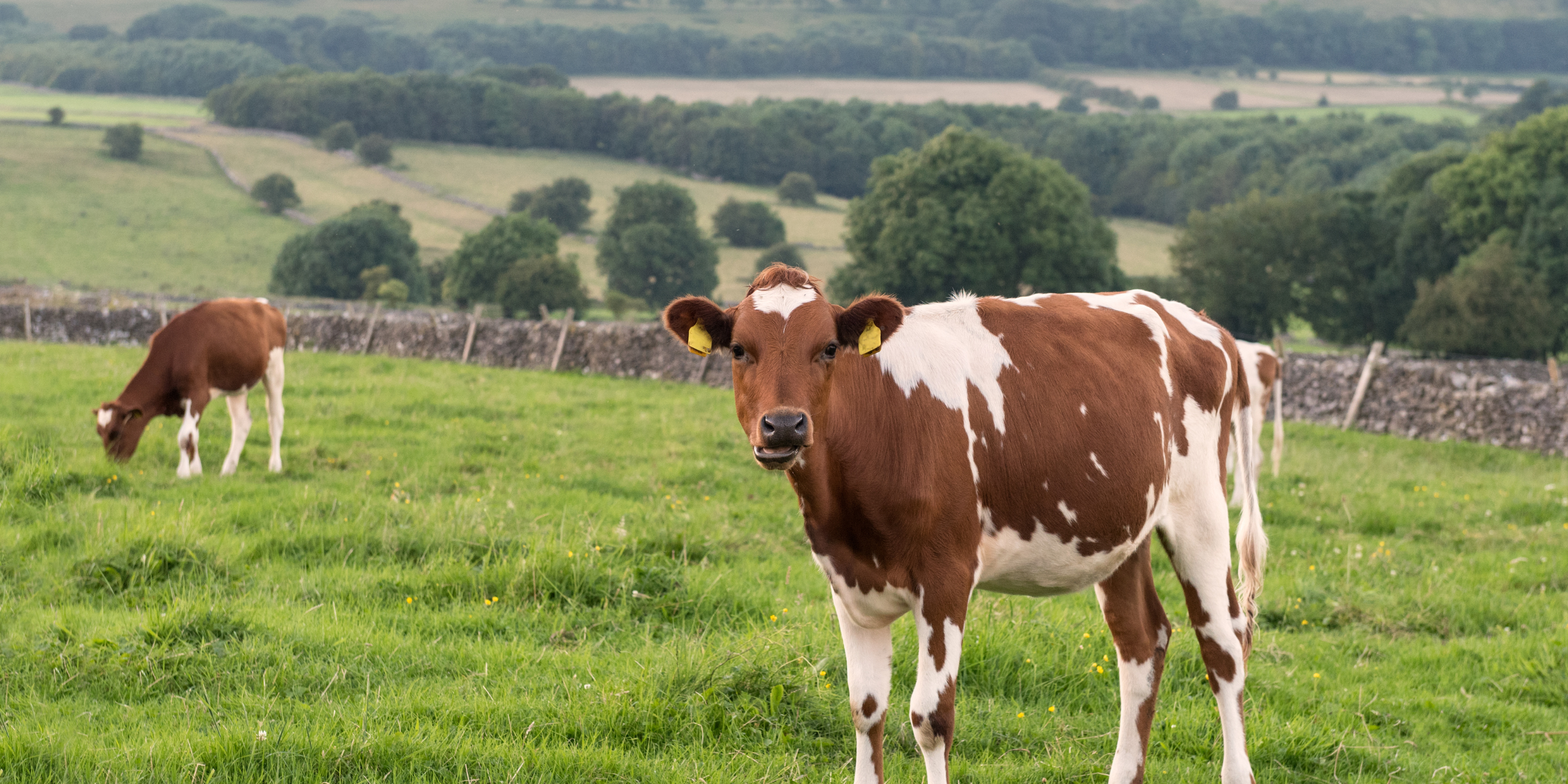
Red & White Excellence: A Spotlight on Ayrshire Cattle
by Tiara Cooper
on May 06 2025
With their distinctive red-and-white coats and reputation for durability, Ayrshire cattle have been a staple of dairy farms for over two centuries. Originating in Scotland and celebrated for efficient milk production, robust health, and grazing prowess, Ayrshires excel in both conventional and pasture-based systems. In this post, we’ll explore their history, key characteristics, and the modern roles that keep Ayrshires vital to dairying worldwide.
Origins and History
-
Scottish Roots
Ayrshires hail from the county of Ayr in southwest Scotland, where 18th- and 19th-century farmers honed a breed capable of thriving on varied forage and challenging weather. Their versatility quickly earned them acclaim across the British Isles. -
Spread to North America
The first Ayrshire cattle arrived in North America in the 1820s. Early settlers valued their adaptability and milk quality, establishing Ayrshires as a key foundation breed in developing dairy industries from Canada to the United States.
Defining Traits
-
Balanced Milk Composition
Ayrshire milk averages about 4.0% butterfat and 3.3% protein—providing an excellent balance for fluid milk, cheese, and butter production. -
Strong Foraging Ability
Known as efficient grazers, Ayrshires convert pasture into milk effectively, making them ideal for grass-based and organic dairy systems. -
Moderate Frame and Size
Weighing between 1,000 and 1,200 pounds, Ayrshires strike a balance between robust production and lower maintenance requirements. -
Distinctive Appearance
Their red-and-white patchwork patterns vary from deep mahogany to bright chestnut, and no two cows sport the exact same markings—adding visual appeal to any herd. -
Health and Longevity
Ayrshires are noted for strong feet and legs, low somatic cell counts, and sound udders—traits that contribute to long, productive careers and reduced veterinary costs. -
Docile Temperament
Generally calm and curious, Ayrshires are easy to handle, which benefits both small-scale and large commercial operations.
Ayrshire in Modern Production
-
Pasture-Based & Organic Farms
Their grazing efficiency and hardiness make Ayrshires favorites on farms emphasizing pasture management, regenerative practices, and organic certification. -
Specialty Cheese and Butter
The balanced fat-to-protein ratio in Ayrshire milk supports consistent curd formation and flavor, prompting artisanal cheesemakers and butter producers to seek out Ayrshire milk. -
Crossbreeding Programs
Ayrshire genetics are used in rotational crossbreeding to improve health, fertility, and milk component quality in composite herds and hybrid systems. -
Technological Integration
Ayrshires adapt well to modern technologies—robotic milking, activity monitors, and data-driven herd management—enhancing performance and welfare.
Economic and Environmental Advantages
-
Reduced Input Costs
Efficient forage utilization and low-replacement needs translate to savings on feed and heifer rearing. -
Sustainable Land Use
Ayrshires’ pasture proficiency supports environmentally friendly land management, reducing soil erosion and promoting biodiversity. -
Consistent Milk Quality
Their reliable components yield predictable processing outcomes, securing premiums from dairies and processors. -
Resilience in Diverse Climates
From cool northern pastures to temperate regions, Ayrshires maintain health and productivity with minimal intervention.
Conclusion
From the rolling hills of Ayrshire to farms around the globe, Ayrshire cattle continue to stand out for their balanced milk, durable health, and adaptable nature. Whether nourishing calves on pasture, contributing to fine cheeses, or powering automated dairy systems, these red-and-white beauties deliver “red & white excellence” in every glass of milk and wheel of cheese. As the dairy industry evolves toward sustainability and quality, Ayrshires remain a timeless choice—proving that good genetics and sound management never go out of style.
Up next: The Best of Both Worlds: A Spotlight on Brangus Cattle
Share


