Welcome to the Barn Owl Learning Center

Since our founding in 2017, Barn Owl has become a leader in providing security, real-time insight, operational efficiency and peace of mind across rural America. Our team of experts has build an in-depth knowledge base designed to answer your questions across industries and challenges. Browse our content below by key topic or by blog post date.

Key Topics Users Find Most Helpful
Barn Owl Blog

Barn Owl's team of experts have amassed decades of insights and knowledge into a series of helpful articles. Browse the latest news and posts below, including by topic tag.

High-Tensile Wire Fencing: Strong, Long-Lasting, and Low Maintenance

Barn Owl Blog

High-Tensile Wire Fencing: Strong, Long-Lasting, and Low Maintenance

by on Jul 18 2025
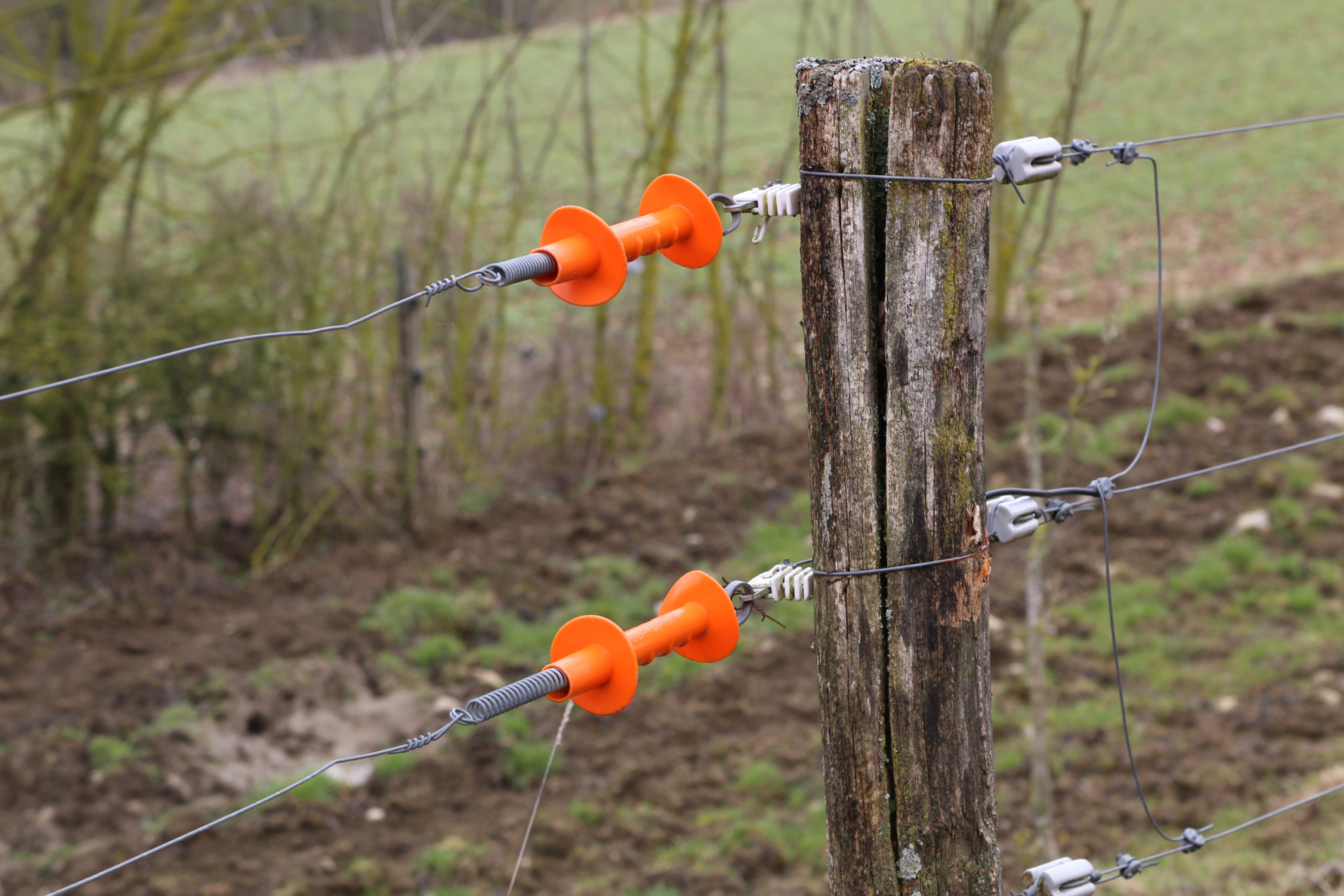
If you're looking for a durable, low-maintenance fencing option that can stand up to livestock, wildlife, and weather—high-tensile wire fencing is a top contender. Ideal for both permanent pasture fencing and perimeter enclosures, high-tensile systems offer strength and flexibility without the high upkeep of traditional materials. What Is High-Tensile Wire Fencing? High-tensile fencing is made from smooth steel wire that is stretched tightly between posts and held under high tension. The wire itself has a higher carbon content than standard fencing wire, which gives it superior strength and resistance to stretching or sagging. It can be used alone or electrified to increase its effectiveness. Benefits of High-Tensile Wire Fencing Durability: Resistant to weather, livestock pressure, and time. A well-installed high-tensile fence can last 20–40 years. Low Maintenance: Unlike barbed wire or woven wire, high-tensile fences rarely need retightening and are less likely to break under pressure. Cost-Effective Long-Term: While the initial setup can be more expensive, fewer repairs and a longer lifespan make it economical over time. Flexible Configuration: Can be used for various animals—cattle, sheep, horses, and even deer—with strand count and spacing tailored to your needs. Electric Option: Easily adapted for electric fencing, providing extra control and a stronger psychological barrier for livestock. Best Uses High-tensile wire is incredibly versatile and suitable for: Large or permanent pastures Perimeter fencing Multi-animal operations with varying fencing needs Wildlife exclusion It's especially effective in rotational grazing systems and for areas with long fence runs where durability matters most. Installation Considerations High-tensile fencing requires solid corner and brace posts to maintain tension. The wire must be properly tensioned with specialized tools and insulators if electrified. Posts can be spaced wider than with other fencing types—often 20–30 feet apart—reducing material costs. Professional installation is recommended unless you're familiar with high-tensile setups, but DIY is possible with proper planning and equipment. Using Barn Owl Cameras with High-Tensile Fencing Barn Owl cameras  easily mount to wood or metal posts typically found in high-tensile fencing—whether along vulnerable fence sections, at gates, or near water sources. With real-time monitoring, you can promptly respond to breakouts, track grazing patterns, and keep your property secure—all without needing to patrol the fence line daily. Conclusion High-tensile wire fencing is a modern, reliable option that works just as hard as you do. With proper setup, it provides years of low-maintenance, high-performance service—especially when paired with smart tools like Barn Owl cameras to help you keep eyes on your land, livestock, and infrastructure. Next up: Electric Fencing: A Smart, Flexible Solution for Livestock and Property
Barbed Wire Fencing: A Classic Choice for Livestock Management

Barn Owl Blog

Barbed Wire Fencing: A Classic Choice for Livestock Management

by on Jul 18 2025
Barbed wire fencing has been a staple of livestock operations for well over a century—and for good reason. It’s cost-effective, simple to install, and works well for containing larger animals like cattle across wide-open pastures. If you're managing acreage and looking for a practical fencing solution, barbed wire is a time-tested option that continues to get the job done. What Is Barbed Wire Fencing? Barbed wire fencing consists of two or more strands of wire twisted together with sharp barbs spaced every few inches. These barbs act as a deterrent to animals, discouraging them from leaning on or pushing through the fence. The wire is usually stretched between wooden or metal posts, with corner and brace posts used to maintain tension and stability. Benefits of Barbed Wire Fencing Affordability: One of the most budget-friendly fencing options per linear foot, making it ideal for fencing large areas. Ease of Installation: With the right tools and bracing, barbed wire can be installed relatively quickly by landowners or small crews. Effective for Larger Livestock: Barbed wire is most commonly used for cattle and less suitable for smaller, more agile animals like goats or sheep. Low Visibility: The minimal appearance of barbed wire helps preserve views across wide-open pastures. Best Uses Barbed wire is best suited for: Cattle and other large livestock that respect boundaries. Large pasture areas where cost is a major consideration. Properties where visual impact should be minimal. It’s not typically recommended for animals prone to climbing or pushing through fencing, such as goats or pigs, unless used in combination with other fencing types or electric wire. Installation Considerations Barbed wire fencing requires careful handling due to its sharp edges. Posts are generally spaced 10–12 feet apart, and 3 to 5 strands of wire are common depending on the type of livestock. Proper tensioning is critical to maintain fence integrity over time, especially in regions with extreme weather. Using Barn Owl Cameras with Barbed Wire Fences Barn Owl cameras  can be easily mounted to T-posts or wooden posts along barbed wire fence lines—whether near gates, watering spots, or sections prone to breakouts. This setup lets you monitor your livestock and property around the clock, all from your phone or computer. Conclusion Barbed wire fencing remains one of the most practical solutions for large livestock operations. With minimal investment and proper setup, it offers a reliable, low-maintenance way to manage animals across vast terrain. Pair it with smart monitoring tools like Barn Owl cameras, and you’ve got a simple yet powerful system for securing your land. Next up: High-Tensile Wire Fencing: Strong, Long-Lasting, and Low Maintenance 
Woven Wire Fencing: A Reliable Choice for Livestock Protection

Barn Owl Blog

Woven Wire Fencing: A Reliable Choice for Livestock Protection

by on Jul 18 2025
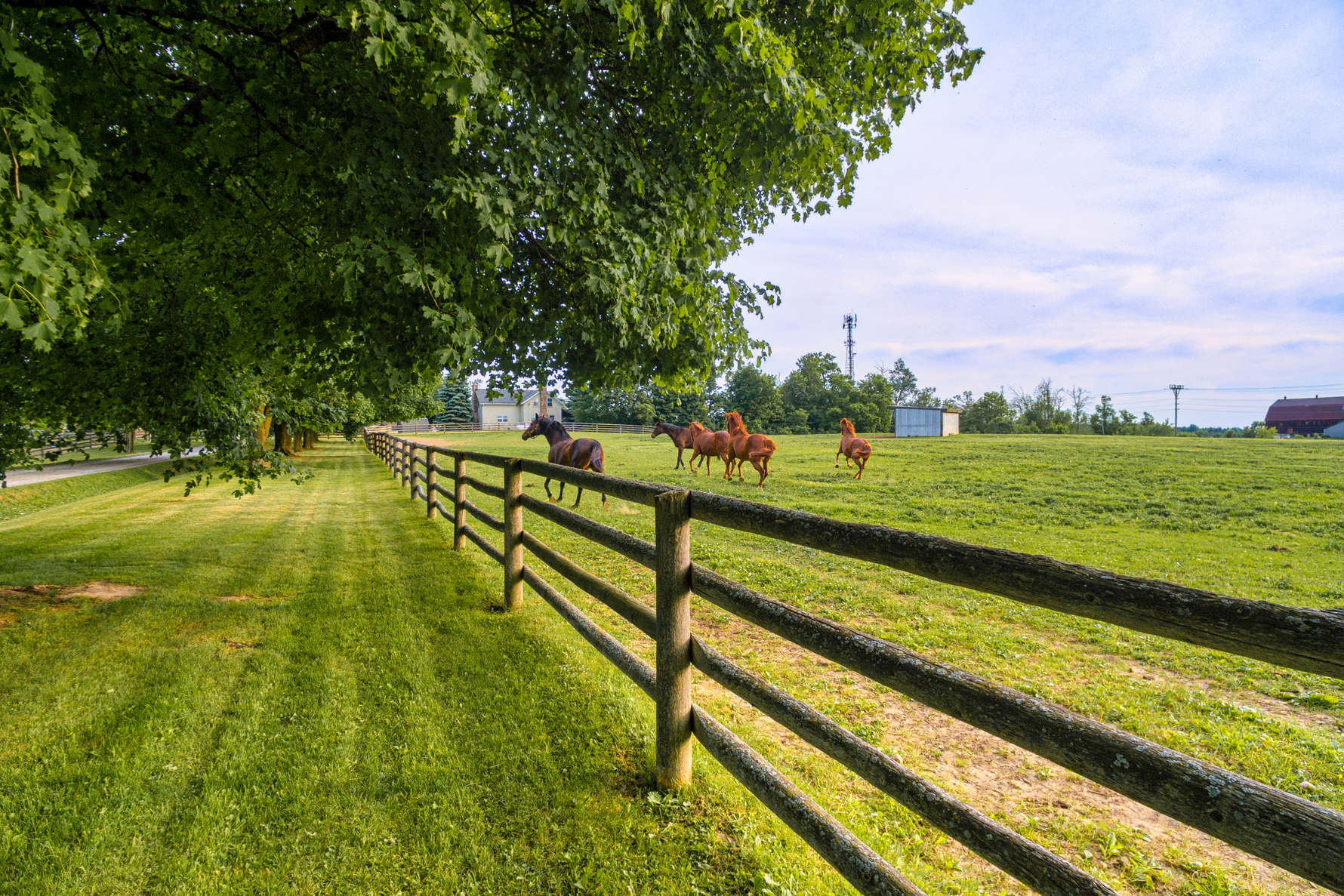
When it comes to fencing options for livestock, woven wire fencing stands out as one of the most secure and versatile choices for open pastures. Whether you're raising goats, sheep, pigs, or even cattle, this type of fencing offers a sturdy, long-lasting barrier that keeps animals in and predators out. What Is Woven Wire Fencing? Woven wire fencing is made from horizontal and vertical wires woven together into a grid pattern. The result is a strong mesh that resists pressure from animals pushing against it. The wire comes in various heights and spacing configurations, allowing you to choose a style suited to your specific livestock. For example, fencing for sheep and goats often has narrower spacing near the bottom to prevent smaller animals from slipping through or getting stuck. Benefits of Woven Wire Fencing Security: The tight grid pattern helps prevent escapes and deters predators from entering the pasture. Durability: Woven wire fences can withstand years of exposure to the elements and animal pressure without sagging or breaking. Low Maintenance: Once installed correctly with strong corner posts and proper tension, woven wire requires little upkeep. Versatility: It works well for a wide variety of livestock and can be used on flat or uneven terrain. Common Uses Woven wire is especially popular for small ruminants like sheep and goats, which are more likely to slip through or climb over other types of fencing. It’s also an effective option for pigs and can be used in combination with electric fencing for extra security. Installation Considerations Installing woven wire fencing requires proper bracing at corners and ends to maintain tension. Posts are typically spaced 8–12 feet apart. While installation takes more time and labor compared to simpler fencing types, the result is a long-lasting and secure barrier. Mounting Barn Owl Cameras on Woven Wire Fences Barn Owl cameras  mount easily to woven wire fencing using either fence posts or T-posts for support. Whether you're watching a gate, tracking animal behavior, or keeping an eye out for predators, it’s a simple way to monitor your operation from anywhere. Conclusion Woven wire fencing may involve a higher upfront investment and effort to install, but it pays off in reliability and peace of mind. For many livestock producers, it’s a tried-and-true option that combines strength, versatility, and long-term value. Next up: Next up: Barbed Wire Fencing: A Classic Choice for Livestock Management 
Choosing the Right Fence: Common Livestock Fencing Options for Open Pastures

Barn Owl Blog

Choosing the Right Fence: Common Livestock Fencing Options for Open Pastures

by on Jul 18 2025
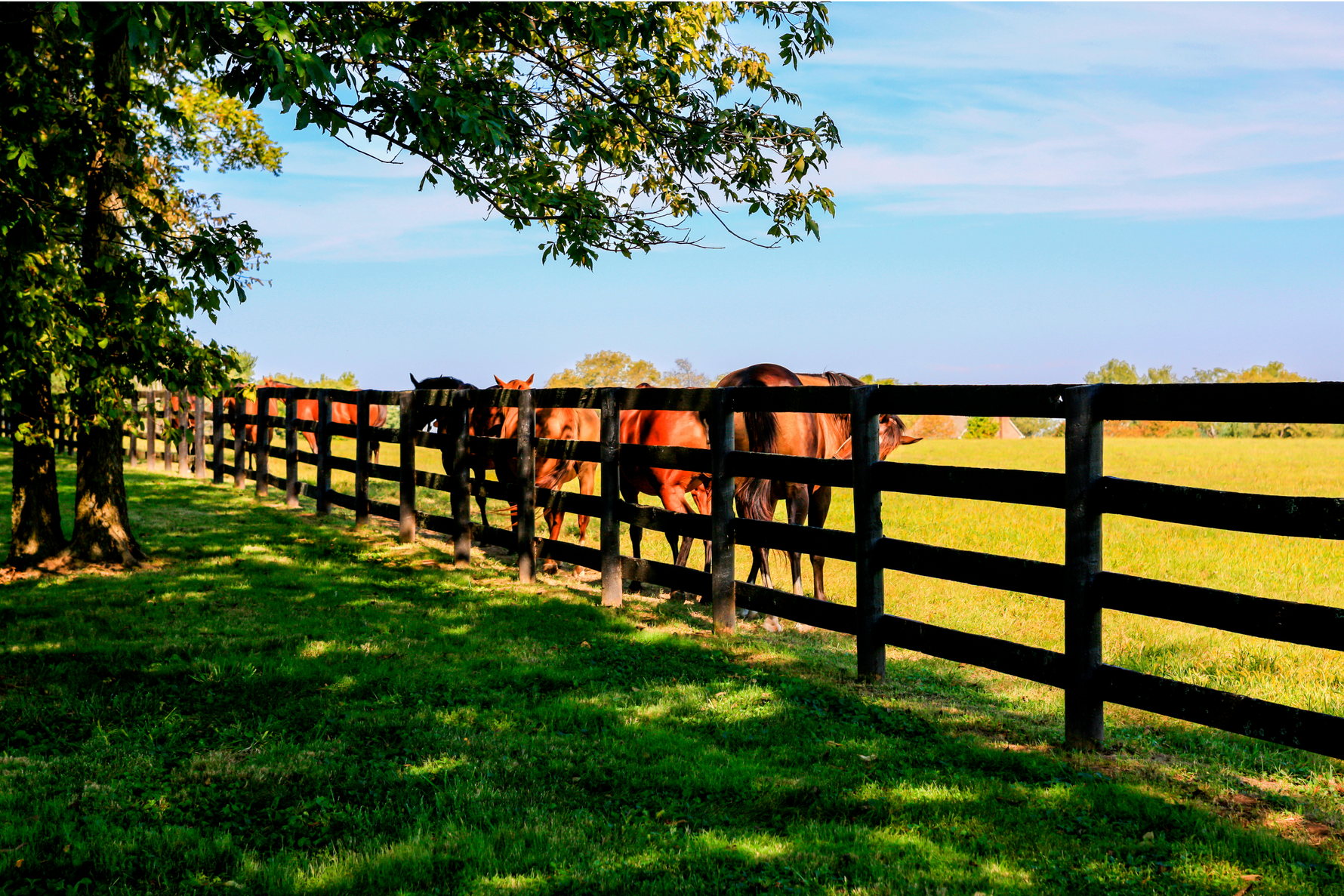
Fencing is one of the most important investments you’ll make when managing open pastures. Whether you’re raising cattle, goats, or horses, the right fence keeps your animals in, predators out, and your operation running smoothly. With so many options available, it can be tough to know where to start. This post breaks down the most common fencing types used for livestock in open pasture settings, along with their best uses, pros, and cons. 1. Woven Wire Fencing Woven wire is a sturdy, grid-like fence ideal for smaller livestock such as sheep, goats, and pigs. The tightly spaced wires prevent animals from slipping through and help keep predators at bay. Best for: Sheep, goats, pigs, and some cattle Pros: Very secure; long-lasting Cons: More expensive and labor-intensive to install Tip: Add a strand of electric wire on top to discourage climbing or leaning. 2. Barbed Wire Fencing One of the most traditional fencing options, barbed wire is commonly used for cattle. It consists of several strands of wire with sharp barbs spaced along their length. Best for: Cattle Pros: Cost-effective; easy to find materials Cons: Can injure animals, especially horses; not ideal for smaller livestock Note: Always check your local regulations—some areas restrict barbed wire usage near public roads. 3. High-Tensile Wire Fencing High-tensile wire fencing uses smooth wire stretched under high tension. It can be electrified for added control and is popular in rotational grazing systems. Best for: Cattle, rotational grazing setups Pros: Long lifespan; low maintenance; effective with fewer materials Cons: Requires proper bracing and installation; less effective for very small livestock unless electrified 4. Electric Fencing Electric fences create a psychological barrier more than a physical one, but they’re incredibly effective when used properly. Electric fencing can be made from wire, polywire, or polytape and is often used for temporary or rotational setups. Best for: Cattle, pigs, sheep, and goats in managed grazing systems Pros: Affordable; flexible; easy to install and move Cons: Needs a reliable power source; not a physical barrier by itself 5. Pipe or Rail Fencing This highly visible and strong fencing is often seen in horse pastures and high-value livestock operations. It uses wood or metal rails for a solid and attractive barrier. Best for: Horses and high-value animals Pros: Durable and safe for horses Cons: Expensive; not practical for large-scale pasture fencing 6. Board Fencing Wooden board fencing is another safe and attractive option for horses and smaller operations. Though visually appealing, it requires regular maintenance. Best for: Horses and small pasture areas Pros: Safe and visible Cons: High cost and frequent upkeep 7. Temporary Fencing (Polywire or Polytape) Ideal for rotating pastures or temporary enclosures, polywire and polytape are lightweight and easy to move. They're typically electrified to keep animals in place. Best for: Rotational grazing or temporary paddocks Pros: Portable; affordable Cons: Less durable; short-term use Which Fence is Right for You? The best fencing depends on the livestock you’re raising, your budget, and whether you need a permanent or temporary solution. Here’s a quick guide: Livestock Best Fence Options Cattle Barbed wire, high-tensile, electric Goats/Sheep Woven wire, electric netting Horses Board fencing, pipe/rail, electric tape Pigs Woven wire with electric strand Mixed Livestock Combination fencing or multi-purpose layouts   Barn Owl cameras  are designed to mount easily to any type of livestock fencing—whether it’s barbed wire, high-tensile, woven wire, board, or pipe. They attach securely to fence posts or rails using straps, brackets, or clamps. For even more flexibility, our Universal Mount gives you additional options to install cameras exactly where you need them, no matter the fencing setup. Final Thoughts Investing in the right fence now saves time, money, and headaches down the line. It also protects your animals and gives you peace of mind knowing your pastures are secure. If you're just starting out, you may want to test a temporary or electric setup before committing to a permanent system. Next up: Woven Wire Fencing: A Reliable Choice for Livestock Protection
Why Motion Detector Cameras Are Essential for Home and Rural Security

Barn Owl Blog

Why Motion Detector Cameras Are Essential for Home and Rural Security

by on Jul 08 2025
Why Motion Detector Cameras Are Essential for Home and Rural Security In today's world, securing your home and property is more important than ever. Motion detector cameras have become a vital tool in achieving this goal. They offer a reliable way to monitor your surroundings and deter potential threats. These cameras are not just for urban homes. They are also perfect for rural and commercial properties. With advanced features, they provide peace of mind and enhance safety. Choosing the right motion detector camera can be overwhelming. There are many options with various features. This guide will help you navigate the choices and find the best fit for your needs. Motion detector cameras are crucial in both urban and rural settings. They provide an unmatched level of surveillance, keeping an eye on vast properties. These devices play a key role in deterring criminal activity before it even occurs. Rural areas often face unique challenges due to their remote locations. Quick response to incidents is often difficult, making preemptive security measures vital. Motion detector cameras offer a proactive solution, monitoring property boundaries efficiently. Modern technologies empower these cameras with features enhancing their effectiveness. From night vision capabilities to real-time alerts, they ensure continuous protection. Such advancements make them indispensable in safeguarding homes and businesses. Moreover, they are flexible and can be integrated with existing security systems. This ensures a comprehensive and robust security setup. In summary, motion detector cameras are a worthy investment for maintaining peace and safety across diverse environments. They not only protect but also provide valuable evidence when needed. Key Features to Look for in a Motion Detector Camera Choosing the right motion detector camera can be overwhelming. It's essential to focus on features that enhance security and convenience. Quality and reliability are key aspects that shouldn't be overlooked. High-resolution video quality ensures that every detail is captured clearly. This is crucial for identifying individuals or objects of interest on your property. Opt for cameras offering at least 1080p resolution. Night vision capabilities are another critical factor. A camera's ability to record clear footage in low-light conditions enhances its utility. Cameras with infrared or LED features excel in such scenarios. Consider wireless functionality for ease of installation and flexibility. Wireless cameras allow for repositioning and access to hard-to-reach areas without complicated wiring. This flexibility proves advantageous for both temporary and permanent setups. When it comes to monitoring, real-time alerts are indispensable. Cameras that integrate with smartphone apps provide instant updates. These alerts enable immediate action, whether at home or miles away. Finally, energy efficiency is a practical consideration. Cameras that conserve power with smart motion activation features are both economical and eco-friendly. Long battery life is also beneficial, minimizing frequent maintenance. How to Choose the Right Motion Detector Camera for Your Property Selecting the perfect motion detector camera involves evaluating various factors. Each property has unique security needs that require specific attention. Understanding these needs helps in choosing the most suitable camera. Start by assessing your property's layout. Consider both indoor and outdoor areas. Identify key access points and high-risk zones that need monitoring. This helps determine the camera's placement and coverage requirements. Next, consider the camera's features. Essential attributes include high-resolution video, reliable motion detection, and strong night vision capabilities. These features enhance the camera's effectiveness in various conditions. Key Considerations: Property layout and coverage needs Camera features: resolution, night vision, detection By carefully considering these aspects, you can make an informed decision. This ensures your choice effectively fulfills your property's security demands. Installation Tips and Best Practices for Motion Detector Cameras Proper installation of motion detector cameras is critical for optimal performance. The setup process can influence both the effectiveness and longevity of the system. Careful planning is essential before starting the installation. Begin by selecting the right mounting locations. Ensure they cover all crucial zones. Avoid areas where obstructions may impede the camera's view or motion detection. When mounting, use durable materials to withstand weather changes. Secure the cameras firmly. This helps prevent issues caused by wind or tampering attempts. Pay attention to the camera's connectivity and power requirements. Ensure a stable WiFi or cellular signal and, if necessary, consider battery options for areas without power outlets. Installation Best Practices: Choose strategic locations for comprehensive coverage Use robust materials for mountings Ensure strong connectivity and power solutions Following these guidelines will enhance the performance and reliability of your motion detector cameras. Frequently Asked Questions About Motion Detector Cameras Understanding motion detector cameras can be crucial for maximizing their benefits. Here are some common queries answered. FAQs: How far can these cameras detect motion? Do they work well at night? Can they integrate with existing systems? Most motion detector cameras detect 30 feet and further away. They're designed to work both day and night. Yes, integration with smart systems is often supported, enhancing versatility and security. Conclusion: Secure Your Property with the Best Motion Detector Camera In today's world, securing your property is vital. Motion detector cameras offer a practical solution to enhance safety. Choosing the right camera involves considering key features and specific property needs. Tailoring these devices to your setup ensures optimal performance. By integrating advanced motion detector cameras, you bolster security and gain peace of mind. Protect your investment with technology designed for effective surveillance. Barn Owl cameras  are built for exactly the kind of motion-triggered reliability property owners need. With fast detection speeds up to 70 feet away, weatherproof construction, and built-in local and cloud storage, Barn Owl delivers dependable performance—no matter how remote your operation is. Whether you're monitoring driveways, buildings, yards, gates, equipment, or pasture perimeters, Barn Owl provides real-time alerts and easy mobile access, making it the smart choice for securing large, off-grid areas with confidence. Up next: Non-Flash Game Cameras: A Comprehensive Guide
Enhancing Security with Motion Detector Cameras

Barn Owl Blog

Enhancing Security with Motion Detector Cameras

by on Jul 08 2025
In today's world, security is a top priority for homeowners and businesses alike. Motion detector cameras have become an essential tool in enhancing security measures. These cameras offer a proactive approach to monitoring, detecting movement, and capturing footage when it matters most. With advancements in technology, motion detector cameras are now more accessible and user-friendly. They provide peace of mind by allowing remote monitoring through smartphone apps. This means you can keep an eye on your property from anywhere. Wireless options offer flexibility in installation, making them ideal for various settings. Whether for home or business, these cameras are a smart investment. Discover how motion detector cameras can transform your security strategy. What Is a Motion Detector Camera? A motion detector camera is a surveillance device designed to detect movement and capture it on video. These cameras use sensors to identify motion, triggering the recording function to start automatically. This ensures that important events are not missed. Motion detector cameras are integral parts of security systems in both residential and commercial settings. They provide continuous monitoring and alert users to any potential threats. Their ability to activate upon detecting motion makes them a reliable option for capturing evidence. There are different technologies used in motion detection, such as infrared, microwave, and ultrasonic sensors. Each type has its own strengths and is suited for specific environments. For example, infrared sensors are excellent for detecting changes in heat signatures. Key features of motion detector cameras include: High-resolution video for detailed footage Remote access via smartphones or other devices Overall, these cameras help deter potential intruders and provide valuable information when security breaches occur. Key Benefits of Motion Detector Cameras Motion detector cameras offer numerous benefits that enhance the security of homes and businesses alike. One major advantage is their ability to record only when motion is detected, saving storage space and ensuring relevant footage is captured. These cameras act as a strong deterrent against potential intruders. The presence of a surveillance system can make criminals think twice before attempting to break in. Knowing they could be on camera reduces the likelihood of a security breach. Remote monitoring is another significant benefit. Users can access live feeds and recordings from their smartphone, tablet, or computer. This feature provides peace of mind, allowing homeowners to keep an eye on their property, even from afar. Additional benefits include: Cost-effectiveness due to reduced power consumption Integration with other security measures for comprehensive coverage Customizable settings  Many cameras also come with night vision capabilities, ensuring vigilance even in low-light conditions. This feature is crucial for 24/7 surveillance of outdoor and poorly lit areas. Overall, motion detector cameras provide a reliable and flexible security solution, adaptable to various settings and needs. Types of Motion Detector Cameras Motion detector cameras come in various types, each catering to different security needs. Understanding these types can help you make informed decisions for your home or business. One popular type is the wireless motion sensor camera. These cameras offer flexibility in placement since they don’t rely on wiring. They are ideal for locations where installation can be tricky and aesthetic concerns matter. Battery-powered versions are especially useful in areas lacking power sources. Another variety is the motion activated camera, which excels in energy efficiency. These cameras only record upon detecting motion, ensuring optimal usage of resources. This functionality is key for locations with frequent movement but limited storage capacity. Key types include: Wi-Fi motion sensor cameras Wireless motion sensor cameras with night vision Outdoor webcams with motion detection features Outdoor models, such as those with night vision, are tailored for external environments. They boast weather-resistant designs to withstand varied conditions. Meanwhile, 360-degree cameras offer panoramic views, minimizing blind spots and providing extensive coverage in both indoor and outdoor settings. Essential Features to Look For When choosing a motion detector camera, certain features are crucial for maximizing its effectiveness. These features ensure your camera meets both your security and convenience needs. First, consider night vision capabilities. Cameras with infrared or low-light sensors enable surveillance after dark. This feature is essential for outdoor security cameras, ensuring your property is monitored 24/7 regardless of lighting conditions. Another vital feature is resolution. High-definition video quality provides clear, detailed footage. This is key for identifying people and events accurately, making it critical for both homes and businesses. Consider wireless connectivity options, such as Wi-Fi cameras. They allow for easy remote access via smartphone apps. This feature is invaluable for monitoring your property when you're away. Also, look for motion alerts, which notify you when movement is detected. Alerts can be sent through email or push notifications, enabling swift response to any potential incidents. Key features to prioritize include: Night vision High-resolution video Wireless connectivity Motion alerts Finally, don't overlook smart integration capabilities. Some cameras work seamlessly with other smart devices in your home, enhancing functionality through automation and connectivity. These integrations can streamline your security system, making it more efficient and user-friendly. Wireless vs. Wired Motion Detector Cameras When choosing between wireless and wired motion detector cameras, several factors come into play. Each type has distinct advantages, influencing your choice based on specific needs. Wireless motion detector cameras are easy to install and offer flexible placement options. They're perfect for temporary installations or renters, as they require no hardwiring. These cameras typically connect via Wi-Fi, allowing for remote access and control. In contrast, wired motion detector cameras provide consistent power and stable video signals. They're less susceptible to interference or connectivity issues. These systems often suit more permanent installations, where long-term reliability is crucial. Key considerations include: Ease of installation Connectivity and access Reliability and stability Ultimately, the choice hinges on your priorities—whether convenience and flexibility or long-term stability and reliability are more important for your security setup. Indoor vs. Outdoor Motion Detector Cameras The location of your motion detector cameras—indoors or outdoors—significantly influences your choice. Each environment presents its own unique demands. Indoor motion detector cameras are typically smaller and focus on monitoring internal spaces. They often prioritize features like two-way audio and customizable motion detection zones. These cameras might integrate well with smart home systems. Outdoor cameras, however, require durability to withstand various weather conditions. They commonly feature robust, weather-resistant housing and night vision capabilities. Outdoor cameras often provide wide-angle or 360-degree views for comprehensive coverage. When choosing between indoor and outdoor options, consider: Durability and weather resistance Night vision capabilities Integration with other security measures Your choice should align with the environmental requirements and the specific areas you need to monitor. Carefully evaluate both internal and external factors to enhance your property's security comprehensively. How to Choose the Best Motion Detector Camera for Your Needs Choosing the ideal motion detector camera requires careful consideration of various factors. Different setups demand different specifications to meet your unique security needs. First, assess the specific areas you want to monitor. For larger areas, consider cameras with wide-angle lenses or 360-degree coverage. Smaller zones may benefit from cameras with customizable motion detection zones to reduce false alarms. Next, focus on the technical features vital for your security. High-resolution video ensures clarity, while night vision is crucial for low-light environments. If you're monitoring outdoor spaces, weather-resistant models are essential. Also, determine your preference between wired and wireless setups. Wireless cameras offer flexibility in placement and easy installation. In contrast, wired cameras provide stable connections, suitable for areas with consistent power supply. To assist your decision process, consider the following: Type of area: indoor or outdoor Required resolution and night vision Wired vs. wireless capabilities Feature integration, such as with smart home systems By evaluating these key aspects, you can select a motion detector camera that aligns with your specific security priorities and technological needs. Barn Owl cameras are built specifically for rural and remote environments, combining the power of motion detection with rugged reliability. With features like fast trigger speeds, long battery life, cloud and local storage, and weatherproof durability, Barn Owl offers unmatched peace of mind. Whether you're monitoring gates, barns, or pasture perimeters, Barn Owl delivers real-time alerts and high-resolution footage—even miles off-grid. For dependable, flexible protection, it’s the top choice for property owners who need serious surveillance without the hassle. Installation Tips and Best Practices Proper installation of motion detector cameras maximizes their effectiveness. Begin by choosing strategic locations that cover critical entry points and vulnerable areas. High placement, such as near ceilings, can enhance coverage and deter tampering. Ensure your camera's field of view is unobstructed. Trim back bushes and remove large obstructions that could block the lens. This simple step can significantly improve detection accuracy and video clarity. Secure mounting is essential for outdoor cameras, protecting them against weather and vandalism. Tighten all fixtures and choose weatherproof housing if necessary. Regular maintenance checks and timely software updates will ensure your cameras function optimally over time. Consider these best practices: Opt for high, unobstructed locations Secure outdoor cameras effectively Keep cameras updated and well-maintained Following these guidelines will help you achieve a robust and reliable surveillance setup. Integrating Motion Detector Cameras with Smart Home Systems Integrating motion detector cameras with smart home systems enhances security and convenience. These integrations allow for automation, such as turning on lights when motion is detected or sending alerts to your smartphone. Smart home compatibility allows users to control their surveillance systems using voice commands or a central app. This feature can simplify security management, making it more accessible and user-friendly. When selecting motion detector cameras for your smart home, consider: Compatibility with your existing devices Support for automation features Ease of integration with home networks Smart integrations make monitoring seamless and efficient, improving safety and user experience. Frequently Asked Questions Do motion detector cameras work in the dark? Yes, many motion detector cameras feature night vision. This feature allows them to capture clear images even in low-light conditions. Check for night vision capabilities when purchasing for outdoor use. Are wireless motion detector cameras reliable? Wireless cameras are generally reliable and offer flexibility in placement. However, ensure you have a strong Wi-Fi signal to maintain consistent connectivity. What should I do if my camera misses an event? Sometimes cameras may not record every movement. To mitigate this, try adjusting the sensitivity settings, camera angle, or positioning to improve coverage and effectiveness. Conclusion: Enhancing Your Security with Motion Detector Cameras Motion detector cameras are a pivotal asset for securing both homes and businesses. They provide effective surveillance by capturing crucial moments with precision. With various features and types, there's a perfect motion detector camera for every need. The integration with smart systems further amplifies their utility. Investing in these cameras means investing in peace of mind. They ensure you are always informed and prepared, reinforcing your property's safety. Up next: Why Motion Detector Cameras Are Essential for Home and Rural Security

Showing 108/301