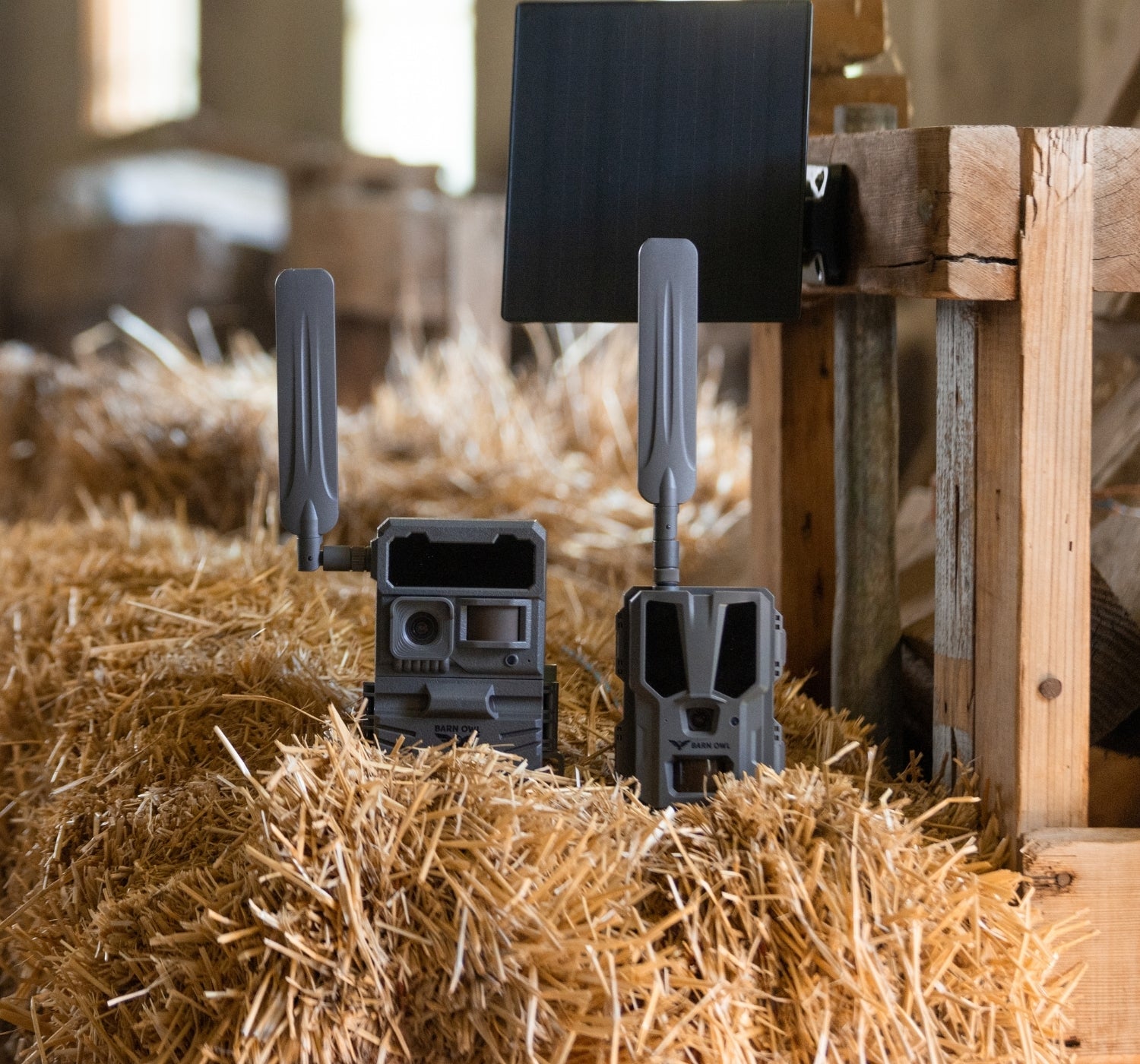
Welcome to the Barn Owl Learning Center

Since our founding in 2017, Barn Owl has become a leader in providing security, real-time insight, operational efficiency and peace of mind across rural America. Our team of experts has build an in-depth knowledge base designed to answer your questions across industries and challenges. Browse our content below by key topic or by blog post date.

Key Topics Users Find Most Helpful

Barn Owl Blog

Barn Owl's team of experts have amassed decades of insights and knowledge into a series of helpful articles. Browse the latest news and posts below, including by topic tag.

Maintaining Clean Water in Horse Troughs

Barn Owl Blog

Maintaining Clean Water in Horse Troughs

by on Mar 10 2025
Maintaining clean water in a horse water trough is crucial for the health and hydration of your equine friends. It's not just about filling up the trough and leaving it be. There's a lot more to consider, from the type of trough you use to how you clean it. Whether it's a metal horse trough or a stainless-steel water trough, each comes with its own set of pros and cons. In this guide, we'll walk you through the process of maintaining clean water in horse troughs. We'll cover everything from horse trough dimensions to cleaning schedules, ensuring your horses have access to fresh, clean water at all times. Importance of Clean Water for Horses Clean water is essential for keeping horses healthy and hydrated. Dehydration can lead to severe health issues, including colic and kidney problems. Unclean water can harbor bacteria and algae, posing a threat to your horse's health. Drinking from a contaminated horse watering tank can result in illness. Providing fresh water encourages horses to drink more. Increased water intake supports digestion and nutrient absorption, vital for overall health. Water troughs must be free of debris and waste. Contaminants like manure or feed can affect water quality, impacting your horse's willingness to drink. Regularly check your horse drinking tub to ensure it is clean. Consistent monitoring and maintenance prevent potential health risks and keep your horses happy. Choosing the Right Horse Water Trough Selecting the right horse water trough is crucial for both practicality and the health of your horses. With so many options available, it's important to evaluate your specific needs and environment. There are numerous options, including a metal horse water trough and a galvanized metal water trough. Each has its own benefits in terms of durability and cost. A stainless-steel water trough is a popular choice for its rust resistance and hygiene. It's essential for environments that see a lot of rain or humidity. Consider the type of livestock you have and how many you'll be watering. Horses, cows, and other animals may require different troughs with specific features. Here's a list of key factors to consider when choosing a trough: Material type: metal, stainless steel, or galvanized Dimensions appropriate for your livestock Capacity to suit the number of animals Ultimately, the key is to find a balance between cost and quality. A cheap horse trough might save money initially but could require more frequent replacements. Materials: Metal, Stainless Steel, and Galvanized The material of the trough affects durability and water quality. Metal horse troughs offer strength and can withstand harsh weather conditions. Galvanized metal horse troughs are affordable and durable. However, they may pose a risk of zinc toxicity if not maintained properly. A stainless-steel horse trough is prized for being rust-resistant. It's a great choice for long-lasting, hygienic water storage. Trough Dimensions and Capacity The right horse trough dimensions ensure all animals can drink comfortably. Consider the number of horses you have and their drinking habits. A large horse water trough is ideal for multiple animals or larger herds. This reduces the need for frequent refills and ensures consistent water access. For smaller spaces or individual horses, a small horse trough may be more appropriate. It's crucial to provide easy access for foals and smaller breeds. Setting Up Your Horse Water Trough Proper setup of your horse water trough is essential for ensuring clean, accessible water. A well-planned location minimizes contamination risks. Place the trough in a shaded area to keep water cool during hot days. This not only improves palatability but also reduces evaporation rates. Also, ensure that the ground around the trough is solid and level. This helps prevent the trough from tipping over and causing injuries or spills. Location and Stability Choosing the right location impacts water quality. Avoid areas prone to mud or runoff, which can contaminate the water. Ensure the trough sits on a stable surface to prevent tilting. This minimizes the risk of spillage and keeps water clean. Accessibility and Safety Position the trough where all horses can easily reach it. This includes considering the needs of younger or smaller horses. Secure the trough properly to prevent accidents. An anchored setup ensures the trough remains upright and functional, even with active animals around. Maintaining and Cleaning Your Trough Maintaining cleanliness in your horse water trough is crucial. Regular cleaning prevents disease and ensures water remains appealing to horses. Start by emptying the trough. Remove debris like hay or leaves that may fall in. Use a scrub brush to clean the inside surfaces. Rinse thoroughly to remove all cleaning agents. Safe, non-toxic cleaners like vinegar or baking soda can be effective. Inspect the trough for any signs of damage or wear. Repair any leaks promptly to avoid water loss and potential contamination. Following these steps will keep your trough in optimal condition. Here’s a simple cleaning routine to follow: Empty trough once a week. Use a scrub brush and safe cleaner. Rinse thoroughly to remove residues. Inspect for any damages. Refill with fresh water immediately. Routine Cleaning Schedule Establishing a cleaning schedule is vital for water quality. It deters the buildup of grime and algae over time. Weekly cleaning is generally sufficient. However, adjust based on trough size, usage, and climate conditions. Monitor the water for any signs of contamination daily. This helps in timely cleaning, ensuring a consistent supply of clean water. Enhancing Trough Maintenance with Remote Monitoring Maintaining clean water in horse troughs is essential for equine health, but constant manual checks can be time-consuming. Barn Owl cameras  offer a solution by enabling remote monitoring of water levels and cleanliness. Barn Owl systems provide scheduled visual updates accessible via major carriers, including Verizon, AT&T, and T-Mobile. With 24/7 monitoring, you can promptly address issues such as contamination or low water levels, ensuring your horses always have access to fresh water. This technology not only enhances efficiency but also contributes to the overall well-being of your livestock.  Preventing Algae and Mosquitoes Algae can be persistent in horse troughs. Place the trough in a shaded spot to reduce sunlight exposure. Regular cleaning limits algae growth. To deter mosquitoes, ensure water is constantly moving, or consider using a trough cover when not in use. Water Quality and Horse Health Water quality directly affects horse health. Horses need clean and fresh water to stay hydrated. Contaminated water can lead to health issues, impacting their well-being. Regular inspections of the water supply help ensure quality. Check for clarity and odor before allowing access. Water that smells or looks off can discourage drinking. Consider adding water tests to your routine. Testing detects harmful bacteria or toxins that may not be visible. This proactive step protects your horses' health effectively. Monitoring Water Intake Monitoring horses' water intake is essential. Changes in drinking habits can signal health issues. Record the amount consumed daily. Noticing any reduction or increase in consumption promptly allows you to address concerns swiftly. Environmental Considerations Environmental factors can impact water quality significantly. Dust and debris often contaminate open troughs. Position troughs away from dusty areas. Providing covers can help keep out unwanted particles, maintaining water purity. Cost-Effective and DIY Trough Solutions Investing in a horse water trough doesn't have to be expensive. Many cost-effective options deliver both quality and longevity. Used or refurbished troughs provide a budget-friendly alternative while meeting basic needs. Creating a DIY trough is another practical solution. Recyclable materials like large plastic bins or barrels can be transformed into functional troughs. Ensure they are safe and free of harmful residues before use. When building your own trough, consider water capacity and stability. Ensure it holds enough water for your horses and is secure against tipping. A thoughtful approach to design can balance affordability and utility effectively. Conclusion: The Value of Clean Water for Your Horses Clean water in horse troughs is vital for equine health and well-being. Ensuring regular maintenance is essential for hydration and preventing disease. Careful trough selection, setup, and upkeep contribute to a healthy environment. Your efforts will provide your horses with the safe, clean water they need daily. Next up: Essential Guide to Water Tanks for Cows
Essential Guide to Choosing Water Tanks

Barn Owl Blog

Essential Guide to Choosing Water Tanks

by on Mar 06 2025
Water is a vital resource. Its management and conservation are crucial, especially in areas where it's scarce. Water tanks play a significant role in this. They provide a solution for storing and managing water efficiently. But how do you choose the right one? This guide will help you navigate the world of water tanks. It will cover everything from the types of tanks to the materials used in their construction. You'll learn about the factors to consider when choosing a tank. This includes the size, usage, and your budget. By the end of this guide, you'll be equipped to make an informed decision. You'll know how to choose a water tank that suits your specific needs. Understanding the Basics of Water Tanks Water tanks come in various shapes and sizes. They are used to store water for diverse applications, from residential to industrial purposes. The basic function of a water tank is to collect and hold water. This stored water can be accessed as needed, providing a reliable supply. Understanding the fundamentals of how tanks operate is essential for selecting the right solution for your needs. Types of Water Tanks and Their Uses Water tanks can be classified based on their placement and usage. Above-ground tanks are popular for their easy installation and maintenance. They are ideal for residential and small commercial use. Underground tanks are another option. They are often used when space is limited, or visual impact needs to be minimized. These tanks are suitable for larger homes or agricultural purposes.Horizontal tanks are typically used in mobile applications. These include transportation and temporary storage. Vertical tanks, on the other hand, maximize storage in smaller footprints. Here's a quick list of various tank types and their common uses: Above-Ground Tanks: Residential water storage Underground Tanks: Invisible storage, large properties Vertical Tanks: Efficient space usage Horizontal Tanks: Transportation, mobile applications Material Matters: Pros and Cons Water tanks come in various materials, each with distinct advantages. Plastic water tanks, for example, are lightweight and easy to install. They resist corrosion but can degrade from UV exposure. Concrete tanks offer durability and longevity. These tanks are excellent for underground uses. They provide great thermal insulation as well. Steel tanks are robust and have a long lifespan. They are ideal for industrial uses requiring large capacities. However, they may be susceptible to rust without proper treatment. Fiberglass tanks are another popular option. They are corrosion-resistant and low maintenance. However, they may come with higher upfront costs compared to other materials. Sizing Up: Determining the Right Capacity Choosing the correct water tank capacity is crucial. It's important to assess your water usage habits. Consider both daily and emergency needs. Smaller tanks may suffice for homes with minimal water use. However, larger households could require more capacity. Always factor in future growth as well. For agricultural or industrial purposes, the requirements differ. Analyze peak usage times and demand to determine the correct size. This will ensure a steady water supply. External factors also influence capacity decisions. The local climate and rainfall can impact storage needs. Consider these elements when making your choice. Factors to Consider When Choosing a Water Tank Selecting the best water tank involves careful consideration of various factors. Your unique needs should guide this important decision. First, assess the available space for installation. The location will determine the type and size of the tank. Remember to consider future landscaping plans. The local climate plays a significant role. In colder areas, protect tanks from freezing. Insulation might be necessary for temperature control. Budget constraints are always important. Compare different materials for durability and cost. Poly water tanks are often more budget-friendly than metal or concrete options. Additionally, consider environmental factors and sustainability. Eco-friendly materials can reduce your carbon footprint. Investigate tax incentives and rebates available for eco-conscious purchases. In summary, here are the key factors to consider: Space availability and installation location Local climate and environmental conditions Budget constraints and cost comparisons Eco-friendliness and sustainability options Future water needs and expansion plans Carefully weigh these factors to make an informed choice. The right tank will meet your immediate needs and adapt to future changes. Installation and Maintenance: Ensuring Longevity Proper installation of water tanks is crucial for longevity and performance. Always follow manufacturer guidelines and local regulations. Incorrect installation can lead to issues down the line. Ensure the tank sits on a solid, level base. This prevents structural stress and potential leaks. Additionally, consider securing the tank against strong winds if installed outdoors. Regular maintenance is essential to preserve water quality. Clean the tank periodically to remove sediments and prevent algae. This ensures healthy water storage. Inspect your tank regularly for cracks or leaks. Early detection allows for timely repairs, extending the life of your tank. This proactive approach saves costs and maintains efficiency. Innovations and Trends in Water Tank Technology The water tank industry continuously evolves with technology. Innovations are making water storage more efficient and sustainable. This ensures solutions meet modern needs.  Smart technology is a major trend in water tanks. Many tanks now come with sensors. These sensors monitor water levels and quality remotely. Materials innovation is also notable. New composite materials offer enhanced strength and reduced weight. These materials extend the lifespan of tanks. Modular water storage bins are gaining popularity. They allow for expandable capacity. This flexibility is invaluable for growing water needs over time. Additionally, technologies such as Barn Owl cameras  help with monitoring water levels, potential leaks, and water usage patterns by allowing users to instantly view remote water tanks without having to spend the time to physically check on them.  Where to Buy: Finding the Right Water Storage Solution Finding the right water storage tanks for sale is crucial. Start by researching reputable retailers and manufacturers. They should offer reliable products and excellent customer service. Look for a company that provides a variety of options. This includes different sizes and materials to fit your needs. Having choices ensures you select the best large water tank for your requirements. Compare prices from different sources. It’s important to balance cost with quality. Some vendors offer discounts or financing options, which can make a huge water tank more affordable. Consider the after-sales support and warranty options available. A good warranty indicates confidence in product quality. It also provides peace of mind for you, the buyer. Conclusion: Making an Informed Decision Choosing the right water tanks requires careful consideration. From material and size to installation details, each aspect is crucial. Thoughtful research helps match your needs with the best solution. Take time to evaluate all factors before purchasing. This ensures you invest wisely in a reliable tank. An informed decision leads to effective and lasting water storage solutions. Next up: Maintaining Clean Water in Horse Troughs
Maintaining Your Stock Tank Year-Round

Barn Owl Blog

Maintaining Your Stock Tank Year-Round

by on Mar 06 2025
Stock tanks are a vital part of livestock care. They provide a consistent water source for animals, from cattle to horses. However, maintaining a stock tank year-round can be a challenge. It requires regular cleaning, seasonal preparation, and careful monitoring. This guide will provide practical tips and best practices for stock tank upkeep. It aims to help you ensure clean, safe water for your livestock throughout the year. Understanding the Importance of Stock Tank Maintenance Regular maintenance of your stock tank is crucial for livestock health. A well-maintained tank ensures a steady supply of fresh water, free from contaminants. Neglect can lead to algae growth and bacterial build-up. This poses serious health risks to your animals. Moreover, consistent care extends the life of your tank. This saves you time and money on repairs or replacements. Seasonal Maintenance Tips for Optimal Stock Tank Health Different seasons require unique maintenance strategies for your stock tank. Adapting your care routine can help manage challenges like algae and freezing. Here are some seasonal tips to keep your water troughs in top condition: Regularly clean tank surfaces to prevent algae growth. Monitor water levels to avoid drying or overflow. Use natural additives to maintain water quality. Ensure proper insulation for temperature extremes. Adjust placement based on seasonal sunlight exposure. These practices not only maintain water quality but also safeguard your livestock's health year-round. Spring and Summer Care As temperatures rise, monitor your stock tank for increased algae growth. Cleaning and scrubbing the tank frequently prevents this issue. Consider adding tank covers or shades. These can reduce algae by limiting sunlight exposure to the water. Fall and Winter Preparations In colder months, prevent ice by using de-icers or tank heaters. This ensures continuous access to water for your livestock. Regularly check for leaks or damage caused by freezing. Prompt repairs maintain the integrity and function of your tank. Choosing the Right Stock Tank for Your Livestock Selecting the correct stock tank is crucial for the well-being of your animals. Consider the size of your herd and the space available. Assess your needs for durability and maintenance. A well-chosen tank simplifies upkeep and prolongs usage. Factor in your climate conditions. Certain materials perform better in harsh weather, impacting water quality and tank longevity. Galvanized vs. Plastic Troughs Galvanized stock tanks offer impressive durability. They withstand rough usage and extreme weather. Plastic troughs are lightweight and rust resistant. They're easy to move, making them ideal for flexible setups. Cleaning and Disinfecting Your Stock Tank Regular cleaning ensures your livestock has access to fresh water. Begin by emptying the stock tank completely. Scrub the interior surfaces with a firm brush. This removes algae and any sediment buildup effectively. Use a disinfectant that’s safe for animals. Rinse thoroughly to prevent chemical exposure. This keeps the water safe and healthy for consumption. Preventing and Managing Algae and Ice Algae and ice in stock tanks can harm water quality. It's crucial to address them promptly to maintain clean water. For algae control, consider using natural additives like barley straw. These inhibit growth without using chemicals. In winter, preventing ice is key. Here are some strategies: Install a de-icer or heater Use insulated covers Place the tank in a sunlit area Enhancing Stock Tank Monitoring Maintaining optimal water levels and quality in your stock tank is essential for livestock health. Barn Owl cameras  offer a modern solution by providing remote monitoring capabilities, allowing you to oversee your water tanks without the need for physical inspections. Key Features: Scheduled Interval Monitoring: Configure the system to capture images at predetermined intervals, ensuring continuous updates on water levels and tank conditions. 24/7 Surveillance: Receive real-time alerts for any fluctuations or issues, enabling prompt responses to potential problems such as leaks or contamination. Proactive Maintenance: Early detection of issues allows for timely interventions, reducing the risk of water supply disruptions and promoting the well-being of your livestock. By integrating Barn Owl cameras into your stock tank maintenance routine, you can enhance operational efficiency and ensure a reliable water source for your animals year-round.  Enhancing Stock Tank Durability and Longevity Using quality materials can significantly extend the life of your stock tank. Opt for galvanized tanks as they resist rust and damage. Regular inspections are crucial. Detect and fix leaks early to prevent major repairs later. Invest in robust tanks to reduce long-term costs. Where to Find Quality Stock Tanks for Sale When searching for high-quality stock tanks, consider agricultural supply stores. They often offer a variety of options to suit your needs. Online marketplaces are another excellent resource for finding large cattle stock tanks. Look for trusted sellers with positive reviews. Conclusion: The Value of Regular Stock Tank Upkeep Regular maintenance ensures your stock tank is efficient and durable. Clean and functional tanks provide safer water for all livestock. Investing time in upkeep now prevents bigger problems later, saving costs and effort. Next up: Essential Guide to Choosing Water Tanks
Innovative Designs for Horse Water Troughs

Barn Owl Blog

Innovative Designs for Horse Water Troughs

by on Mar 06 2025
Horse owners and farm managers understand the importance of hydration for their equine friends. A horse water trough plays a crucial role in this, providing a constant supply of clean, fresh water. But not all troughs are created equal. From metal horse troughs to galvanized steel watering troughs, the options are vast. Each type comes with its own set of benefits and considerations, including durability, ease of cleaning, and cost-effectiveness. Innovative designs have also entered the market, offering features like automatic waterers and solar-powered options. These advancements aim to make horse hydration easier and more efficient than ever before. In this article, we'll explore the latest and most innovative designs for horse water troughs. We'll guide you through the various materials, dimensions, and features available, helping you select the best water trough for your needs. The Importance of Hydration for Horses Hydration is critical for a horse's health and well-being. Horses, like all animals, rely heavily on water to regulate their body temperature and maintain vital bodily functions. A lack of water can lead to severe health issues, including dehydration and heat stress. Ensuring access to clean water is not just about quantity but also quality. Horses need fresh, uncontaminated water to avoid illnesses. Regularly replenishing and cleaning their water troughs can prevent the growth of harmful bacteria and algae, promoting a safe drinking environment. Exploring Horse Water Trough Materials Choosing the right material for a horse water trough is crucial. Different materials offer unique benefits and challenges. It's important to consider these aspects when selecting a trough that suits your needs. Each material comes with its own set of advantages and durability levels. Metal, galvanized metal, and stainless steel are popular choices for their strength and longevity. These materials often offer superior performance in various weather conditions, ensuring a consistent water supply. Additionally, selecting the correct material can impact maintenance and water quality. Some troughs are designed to minimize contamination and are easier to clean. It's vital to evaluate which material aligns best with your environment and care practices. Metal Horse Troughs Metal horse troughs are known for their durability. They are less likely to crack or break compared to plastic alternatives. This durability makes them ideal for outdoor use where they face harsh conditions. Additionally, metal horse troughs can withstand bumps and scrapes from curious horses. Their robust construction ensures a long lifespan, making them a cost-effective choice over time. Galvanized Metal Horse Troughs Galvanized metal troughs offer an added layer of protection. The galvanization process involves coating the metal with zinc. This helps prevent rust and corrosion. These troughs are especially beneficial in wet environments. They maintain their integrity and appearance longer than non-galvanized options. This makes them a reliable choice for maintaining clean water. Stainless Steel Water Troughs Stainless steel troughs are favored for their water purity. They are resistant to rust and are easy to clean, which helps keep water uncontaminated. High-end equestrian facilities often use stainless steel for their superior hygiene benefits. These troughs are also aesthetically pleasing and add a touch of elegance, complementing any sophisticated setup. Horse Trough Dimensions and Capacity Selecting the correct dimensions for a horse water trough is essential. The size influences not only water availability but also accessibility for the animals. Appropriate dimensions ensure that horses of varying sizes can easily reach the water. Capacity is another critical factor to consider. It should match the needs of the herd, ensuring everyone has ample access. Large troughs are ideal for communal watering, reducing the frequency of refills. Meanwhile, smaller troughs might suit individual stables or limited space areas. These careful considerations ensure optimal hydration for all horses while maintaining convenience in management. Cost-Effective and Durable Solutions When it comes to horse water troughs, balancing cost with durability is key. A good trough should endure weather exposure and horse interactions. Durable materials often save costs over time due to less frequent replacements. Sturdy construction is vital for long-lasting use. Investing in a reliable trough means fewer maintenance issues, which translates to savings. A blend of quality and affordability ensures the best value for horse owners and farmers alike. Cheap Horse Trough Options Affordable horse troughs don't have to compromise on quality. There are budget-friendly options that maintain essential features. These troughs can meet the basic needs of hydration without the extra cost of luxury designs. Galvanized Steel Watering Troughs Galvanized steel watering troughs offer a great balance of cost and strength. They resist rust, which enhances longevity. These troughs prove economical, especially for larger pastures or communal setups, providing both durability and affordability. Innovative Features in Modern Horse Troughs Today's horse troughs come with advanced features aimed at efficiency. These modern innovations cater to both horse needs and owner convenience. Embracing new technology in design, they ensure clean and accessible water all year. Enhanced features such as automation reduce manual labor. These advancements not only save time but also ensure reliable hydration. It's a step forward in equine care, aligning with the needs of modern-day livestock management. Automatic Waterers and Float Valves Automatic waterers offer a seamless watering solution. They ensure constant water supply without manual refilling. This feature is perfect for busy schedules and guarantees consistent hydration. Float valves maintain the ideal water level. They prevent overflow and wastage, making them highly efficient. Together, these features contribute to sustainable water management, reducing unnecessary use while ensuring availability. Insulation and Solar-Powered Options Insulation in horse troughs prevents water from freezing in cold months. This feature is crucial for maintaining access in winter. It ensures horses can drink freely without ice forming. Solar-powered options bring eco-friendliness to the forefront. They offer a way to utilize renewable energy for trough operations. These features not only promote sustainability but also reduce electricity costs over time, making them a wise investment. Safety and Maintenance Considerations Safety and ease of maintenance are essential for any horse water trough. Regular upkeep ensures the health of your horses. It also prolongs the lifespan of the trough, making it a worthwhile investment. Neglected troughs can become breeding grounds for bacteria. Adequate maintenance prevents such issues. Additionally, considering safety features can help mitigate injury risks, providing peace of mind for caretakers. Cleaning and Algae Prevention Keeping a trough clean is crucial. Regular cleaning helps prevent algae, which can taint water quality. Simple designs often make maintenance tasks less cumbersome. Algae thrive in sunlight and stagnant water. Choosing shaded areas or troughs with covers can mitigate growth. This precaution ensures horses always drink from a clean and safe source. Design Features for Horse Safety Safety in design reduces injury risks. Troughs with smooth, rounded edges are preferable. They minimize harm from accidental contact during play or roughhousing. Material choice also influences safety. Durable materials withstand rough use without breaking. Opt for designs that securely anchor the trough, preventing tipping and spillage, which can lead to accidents. Ensure Optimal Water Quality with the Barn Owl Water Tank Bundle Maintaining clean water is vital for your horses' health, and regular monitoring plays a crucial role in preventing contamination. Barn Owl  offers a comprehensive solution to keep a vigilant eye on your water sources, ensuring they remain fresh and safe. Key Features: Real-Time Monitoring: Barn Owl cameras provide live images and videos of your water tanks, allowing you to detect and address issues like algae growth promptly. Wide Coverage: With support for major carriers including Verizon, AT&T, and T-Mobile, you can monitor even the most remote tanks without connectivity concerns. Easy Installation: The system is designed for a quick 5-minute setup, getting you up and running with minimal effort. Cost-Effective: Currently available at a discounted price of $279 and includes a free 3-month basic plan. By integrating Barn Owl cameras into your maintenance routine, you can proactively manage water quality, ensuring your horses have access to clean and safe drinking water at all times. Customization and Additional Uses Customization options are increasingly popular for equine and multi-livestock care. Tailored trough designs meet specific farm needs, accommodating unique space layouts. Custom designs ensure water access for all animals, regardless of herd size or grazing conditions. Adaptable troughs cater to various uses beyond hydration. Some can integrate feeding systems, reducing infrastructure needs. Such multi-functional designs can cut costs and simplify management, making them ideal for diverse farm operations. Troughs for Cows and Other Livestock Troughs designed for cows and other livestock must meet specific needs. They should withstand different feeding and hydration behaviors. Some designs can easily switch from equine to bovine use, offering flexibility for multi-species farms. Portable and Multi-Use Troughs Portable troughs provide convenience. They're perfect for temporary setups or events. Being lightweight, these troughs are easy to relocate wherever needed. Multi-use troughs enhance versatility. They can serve as both water and feed stations, simplifying logistics. Such designs are practical for dynamic agricultural environments. Conclusion Innovative horse water troughs improve hydration and offer versatile designs for equine care. Selecting the right trough enhances the well-being of horses and other livestock. Prioritizing features like durability, safety, and customization ensures practical solutions for diverse farm environments. Modern innovations continue to simplify animal hydration management, benefiting both owners and animals. Next up: Maintaining Your Stock Tank Year-Round
Maximizing Efficiency with Agricultural Water Tanks

Barn Owl Blog

Maximizing Efficiency with Agricultural Water Tanks

by on Mar 06 2025
In agriculture, water is as crucial as soil. Ensuring an efficient water supply system can significantly impact the success of farming and ranching operations. Agricultural water tanks play a pivotal role in this aspect, providing a reliable water storage solution for various farming and ranching needs. Whether you're dealing with irrigation, livestock watering, or pesticide and fertilizer application, the right water tank can make all the difference. Understanding Agricultural Water Tanks Agricultural water tanks come in different shapes, sizes, and materials. They are designed to store and manage water efficiently on farms, catering to diverse agricultural needs. From water tanks for tractors to larger farm water storage tanks, these containers ensure that farms and ranches have access to water when they need it most. Types of Agricultural Water Tanks Plastic Tanks: Lightweight and resistant to corrosion, plastic tanks are a popular choice for storing water in agriculture. They are easy to transport and install, making them ideal for small to medium-sized farms. Steel Tanks: Known for their durability, steel tanks are suitable for larger water storage needs. They can withstand extreme weather conditions and last for many years with proper maintenance. Fiberglass Tanks: These tanks offer excellent resistance to chemicals and are less prone to cracking under stress, making them ideal for farms that use chemical additives. Bladder Tanks: Flexible and collapsible, bladder tanks are perfect for temporary water storage needs. They are easy to transport and store when not in use. Benefits of Using Agricultural Water Tanks Efficient Water Management Agricultural water tanks enable efficient water management by storing large quantities of water for various farm and ranching activities. They allow farmers and ranchers to optimize water usage, especially during dry spells or droughts. Cost-Effective Solution Investing in a water tank can lead to significant cost savings over time. By storing rainwater or surplus water, farmers and ranchers can reduce their reliance on external water sources and decrease water bills. Environmental Sustainability By utilizing water storage tanks for agriculture, farms and ranches can adopt more sustainable practices. Collecting and storing rainwater reduces the environmental impact and promotes responsible water usage. Versatility and Flexibility Agricultural tanks are versatile and can be used for multiple purposes, such as irrigation, livestock watering, and even as a water container for emergency situations. How to Manage Any Water Tank Remotely Incorporating Barn Owl Cameras  into your agricultural operations offers a modern solution for efficient and reliable water management. This system provides remote monitoring capabilities, allowing you to oversee water tank levels without the need for physical inspections. Barn Owl cameras are designed to facilitate the remote management of water tanks, particularly in agricultural settings.  Key Features: Scheduled Interval Monitoring: Users can configure the system to capture images at predetermined intervals, providing consistent updates on water tank levels. This feature enables continuous oversight, ensuring that water supplies remain at optimal levels without necessitating on-site visits. 24/7 Surveillance: The system offers round-the-clock monitoring, promptly detecting any fluctuations or issues with water levels. This continuous vigilance is essential for maintaining a steady water supply, especially critical in livestock management and irrigation. Proactive Problem Solving: Real-time visual access to water tanks aids in the swift identification and resolution of potential problems, such as leaks, blockages, or equipment malfunctions. Immediate insights facilitate quick decision-making, minimizing downtime and preventing resource wastage. This advanced monitoring solution not only streamlines water management but also contributes to cost savings and resource conservation. Selecting the Right Farm Water Tank Choosing the right agricultural water tank depends on several factors, including the farm or ranch's size, water needs, and budget. Here are some considerations to keep in mind: Capacity Determine the water needs of your farm or ranch to select a tank with adequate capacity. Consider factors like the number of livestock, size of the farm, and irrigation requirements. Material Select a material that suits the environmental conditions and intended use. For example, if you need a tank for chemical storage, fiberglass might be the best choice. Location Consider where the tank will be placed. Ensure the location is accessible for maintenance and that the ground is stable enough to support the tank's weight when full. Budget Set a budget and explore options within that range. While larger, more durable tanks may have a higher upfront cost, they can offer better long-term value. Installation and Maintenance Proper installation and maintenance are crucial for maximizing the efficiency and lifespan of agricultural water tanks. Installation Tips Site Preparation: Clear and level the ground where the tank will be installed. Foundation: Depending on the tank type, you may need a concrete slab or compacted sand base. Plumbing: Ensure proper plumbing to connect the tank to your water system. Maintenance Tips Regular Inspections: Check for leaks, corrosion, or damage regularly to prevent water loss and contamination. Cleaning: Clean the tank periodically to remove sediment and algae buildup. Winterization: In colder climates, take steps to prevent freezing, such as insulating the tank or using heaters. Innovative Uses of Farm Water Tanks Agricultural water tanks are not just for storing water. Here are some innovative ways farmers are using these tanks: Aquaponics Systems Some farmers are using water tanks to create aquaponics systems, where fish farming and plant cultivation occur simultaneously. This system is sustainable and maximizes resource usage. Firefighting Reservoirs In areas prone to wildfires, agricultural tanks can serve as emergency water reserves for firefighting purposes, providing a critical resource when needed. Fertigation By mixing fertilizers with irrigation water in a tank, farmers can efficiently distribute nutrients to crops, promoting healthy growth and reducing waste. Conclusion Agricultural water tanks are indispensable tools for modern farming and ranching. They offer efficient water management, cost savings, and environmental benefits. By selecting the right tank and maintaining it properly, farmers and ranchers can enhance their operations and contribute to sustainable agriculture. Whether you're looking for water tanks for tractors or large farm water storage solutions, investing in a quality agricultural water tank is a wise decision for any farm or ranching operation. Next up: Innovative Designs for Horse Water Troughs
Benefits of Upgrading Your Water Tank Float

Barn Owl Blog

Benefits of Upgrading Your Water Tank Float

by on Mar 06 2025
Upgrading your water tank float can have a significant impact on the efficiency and reliability of your water system. Whether you're managing a livestock operation, operating a commercial facility, or simply maintaining a backyard water feature, the float valve in your water tank plays a crucial role in regulating water levels and ensuring a steady supply. Let's delve into the myriad benefits of enhancing your water tank float system. Understanding the Basics of Water Tank Floats Water tank floats, often referred to as float valves, are mechanical devices that regulate the water level in a tank. They work by using a floating mechanism attached to a valve, which opens or closes based on the water level. When the water level drops, the valve opens to allow more water to enter, and when the water level rises to a certain point, the valve closes to prevent overflow. Key Components Float Ball: This is the buoyant component that floats on the surface of the water. It rises and falls with the water level, triggering the valve mechanism. Valve Mechanism: The valve controls the flow of water based on the position of the float ball. Arm: Connects the float ball to the valve, transmitting the float's movement to the valve mechanism. Advantages of Upgrading to a New Water Tank Float Improved Durability and Longevity Modern float valves are designed with robust materials that resist corrosion and wear. This means fewer replacements and repairs, saving you time and money in the long run. Versatile Applications Whether it's a cattle water trough float valve or a stock tank float, newer models are versatile and can be adapted to a variety of tank sizes and types. This flexibility makes them suitable for a range of applications, from small-scale setups to large agricultural operations. Better Efficiency and Cost Savings Upgrading your float system can lead to more efficient water usage. By minimizing leaks and maintaining consistent water levels, you reduce water bills and contribute to environmental conservation. An automatic float valve for water tanks can be particularly effective in achieving these savings. Enhanced Water Management An upgraded water tank float system ensures precise water level management, reducing wastage and maintaining optimal water availability. This is particularly beneficial for livestock operations where consistent water supply is crucial for animal health.  Barn Owl Cameras  are another way to enhance your water management in remote locations. Keeping your eyes on water levels to determine leakage, float failures, or even to have more awareness of your livestock when they come in for water, provides another layer of efficiency and peace of mind. Different Types of Water Tank Floats Standard Float Valves These are the most common types, using a simple float and valve mechanism to control water levels. They are suitable for basic applications where precision is not a critical factor. Automatic Float Valves Automatic float valves offer more control and automation, making them ideal for larger or more complex systems. They adjust water flow automatically, reducing the need for manual monitoring. High-Pressure Float Valves Designed for systems with high water pressure, these valves are built to withstand greater forces without malfunctioning. This makes them an excellent choice for industrial applications. Considerations When Upgrading Your Float System Compatibility Ensure the new float valve is compatible with your existing tank setup. Consider factors such as tank size, water pressure, and the type of liquid being stored. Installation and Maintenance Look for a system that is easy to install and requires minimal maintenance. Many modern float valves come with user-friendly installation guides and require simple maintenance procedures. Cost vs. Benefits While upgrading involves an initial investment, the long-term benefits of reduced water waste, lower maintenance costs, and improved system reliability often outweigh the upfront costs. Real-World Applications and Success Stories Farmers, ranchers, and facility managers around the world have reported significant improvements after upgrading their water tank float systems. For instance, a livestock operator in Texas noted a reduction in water wastage by 30% and improved animal hydration, leading to healthier livestock and increased productivity. Similarly, a commercial greenhouse in California experienced better water management and plant growth after installing an automatic float valve system. These real-world examples highlight the tangible benefits of upgrading your water tank float. Conclusion Upgrading your water tank float is a smart investment that enhances water management, boosts system durability, and delivers cost savings. Whether you're managing a livestock operation, running an industrial facility, or maintaining a residential water system, a modern float valve can provide the precision and reliability you need. By understanding the different types of float systems and considering the specific needs of your setup, you can choose the best upgrade option to improve your water system's performance. Embrace the benefits of modern water management technology and enjoy a more efficient, reliable, and cost-effective water supply. Next up: Maximizing Efficiency with Agricultural Water Tanks

Showing 216/224