
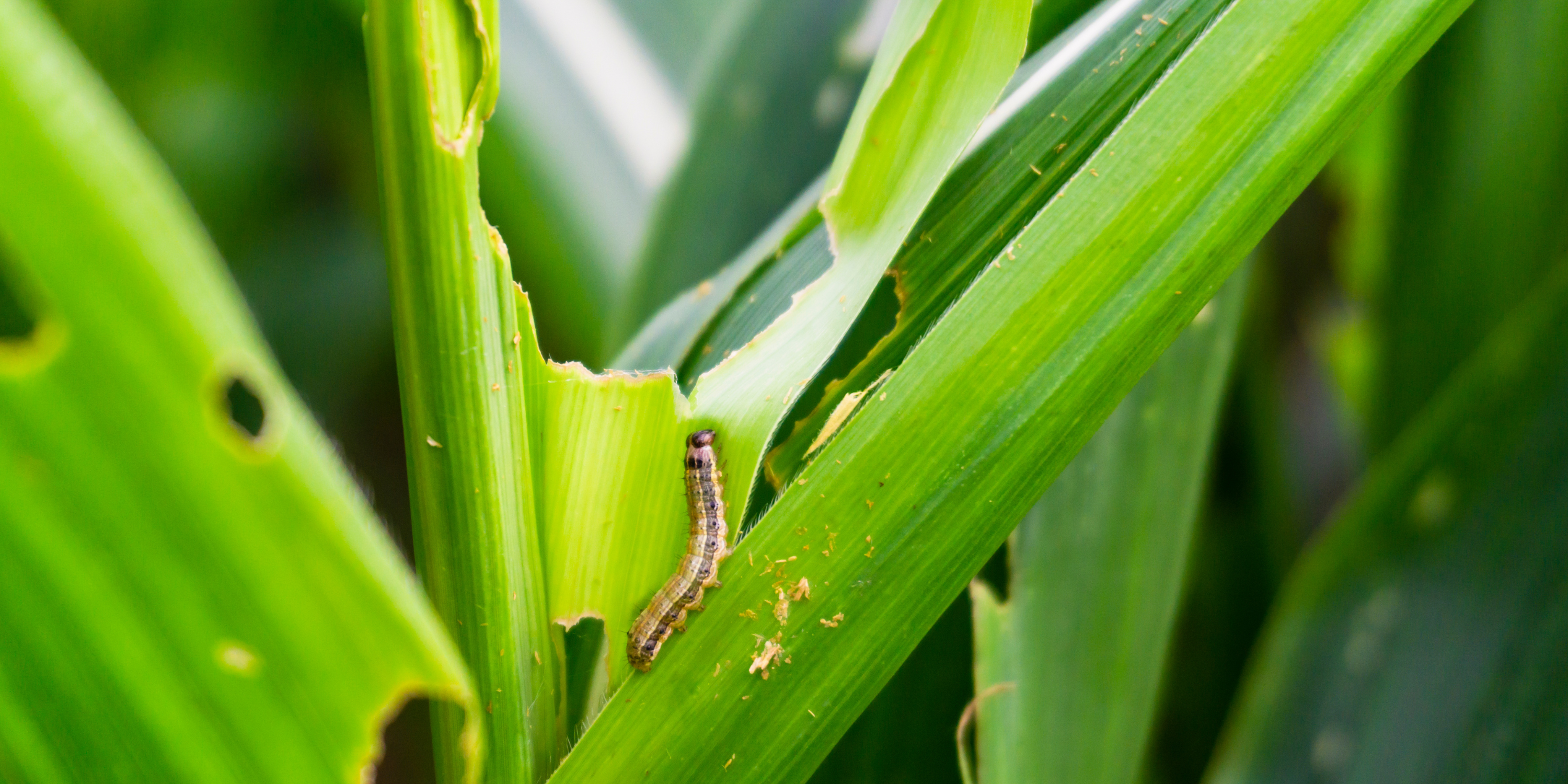
Integrated Pest Management: A Sustainable Approach to Pest Control
by Whitley Crow
on Apr 23 2025
Integrated Pest Management (IPM) is an environmentally friendly, common-sense approach to controlling pests. It combines multiple strategies to manage pest populations effectively, economically, and with minimal impact on human health and the environment.
What Is Integrated Pest Management?
IPM is a science-based decision-making process that integrates biological, cultural, physical, and chemical tools to identify and manage pests. The goal is to minimize economic, health, and environmental risks associated with pest control.
Core Components of IPM
-
Monitoring and Identification
Regular observation and accurate identification of pests are crucial. This ensures that control methods are targeted and effective. -
Preventive Cultural Practices
Implementing practices such as crop rotation, selecting pest-resistant varieties, and maintaining healthy soil can prevent pest infestations. -
Biological Controls
Utilizing natural predators, parasites, or pathogens to control pest populations. -
Mechanical and Physical Controls
Employing methods like traps, barriers, or manual removal to reduce pests. -
Chemical Controls
When necessary, using pesticides judiciously and as a last resort, selecting products that are effective and pose the least risk.

Benefits of IPM
-
Environmental Protection: Reduces reliance on chemical pesticides, thereby minimizing pollution and protecting non-target species.
-
Economic Efficiency: By focusing on prevention and targeted control, IPM can lower pest management costs over time.
-
Health and Safety: Minimizes exposure to harmful chemicals for farmers, consumers, and wildlife.
IPM Beyond Agriculture
IPM principles are not limited to farming; they are also applicable in urban settings, schools, and homes. For instance, in schools, IPM can help manage pests while reducing children's exposure to pesticides.
Conclusion
Integrated Pest Management offers a holistic and sustainable approach to pest control. By combining various strategies and focusing on long-term prevention, IPM helps maintain ecological balance, protect human health, and ensure economic viability. Adopting IPM practices is a proactive step toward responsible and effective pest management.
Share


